Why Most Brands Fail to Connect Story with Sales
Most brands treat storytelling and performance marketing like separate departments. Marketing teams create beautiful, emotionally resonant content while sales teams demand conversion-focused metrics. The result? Compelling videos that don’t drive leads. Conversion-optimized landing pages that feel sterile and forgettable.
This disconnect costs you real money. A prospective customer sees your cinematic brand story on social media, feels genuinely connected to your mission, then abandons the sales process because the follow-up feels impersonal or disconnected from what drew them in.
The missing piece isn’t better creative or better data. It’s integration. When storytelling and performance metrics work together from day one, your audience doesn’t just remember your brand. They become customers. The brands winning in 2026 understand that emotion drives attention, but systems drive conversion.
Your next step: Audit your current content strategy. Where does your best-performing video content live? Does the follow-up experience (email, landing page, paid retargeting) reflect the same brand voice and visual style?
The Performance Marketing Problem: Data Without Heart
Performance marketing excels at efficiency. You know exactly how much you’re spending per click, per conversion, per dollar of revenue. Dashboards show real-time performance. Attribution models tell you which channels earn their cost.
But optimization for metrics alone creates hollow campaigns. A perfectly optimized ad with a generic headline might hit your target CPA, yet the click-through rate remains low because it doesn’t resonate emotionally. People scroll past without reading. They see another ad, not a story worth their attention.
Data-driven marketers often find themselves maximizing the wrong variables. Click rates go up while lead quality drops. Cost per acquisition falls while customer lifetime value stagnates. The funnel looks healthy on a spreadsheet, but your business growth plateaus because you’re attracting the wrong kind of attention.
The breakthrough comes when you ask a different question: What if we optimized for resonance first, then built the measurement systems around it? What if the same video that makes someone stop scrolling also includes the strategic elements that move them toward a sale?
Actionable insight: Review your top three performing campaigns from the last quarter. Are they performing well because they generated the most revenue, or because they generated the most volume? There’s a difference.
How Cinematic Storytelling Changes Everything
Cinematic storytelling operates at a deeper level than typical marketing content. It doesn’t just show what you do. It shows why it matters. It puts your customer at the center of the narrative, not your product.
When a service-based brand tells the story of a client transformation, that narrative doesn’t just inform prospects. It creates emotional stakes. A prospective customer watching that story can imagine themselves in that position. They see the before, experience the struggle, and witness the resolution. That’s powerful psychology.
Cinematic quality elevates this further. Professional lighting, thoughtful framing, intentional pacing, and authentic performance create content that feels premium. Consumers subconsciously equate production quality with business quality. You’re not just communicating a message. You’re demonstrating that you invest in excellence.
Here’s what changes when you apply this approach systematically: Your content becomes shareable. Social platforms reward content that keeps people engaged, and cinematic storytelling holds attention naturally. Your brand recall increases because emotional narratives stick in memory better than feature lists. Your cost per acquisition drops because you’re attracting people who already believe your story before they even land on your website.
What to do: Identify one transformation story from your customer base. What was the specific problem they faced? What was the moment they realized they needed help? That’s your next video.
Building a Visual Strategy That Actually Converts
A visual strategy isn’t just a content calendar. It’s a framework that connects aesthetic choices to business outcomes.
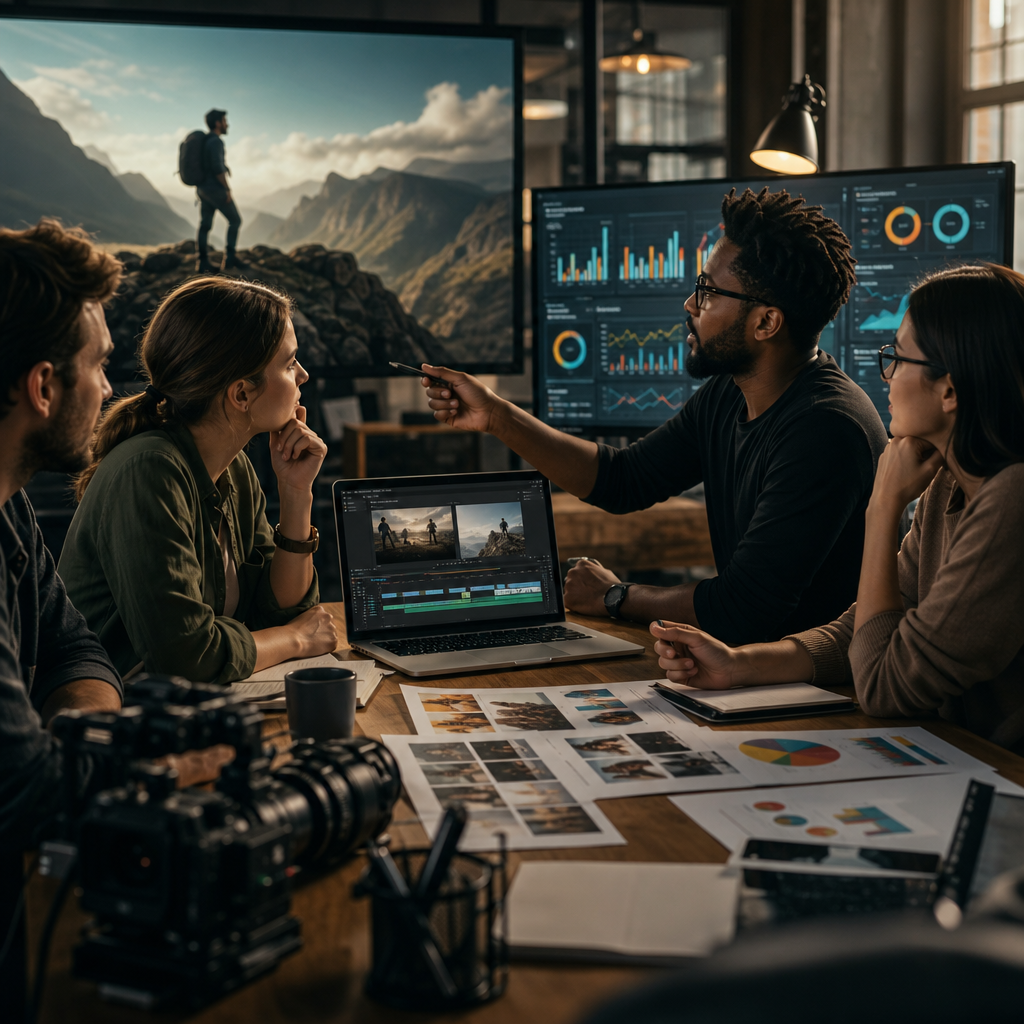
Start by defining your visual identity clearly. What does cinematic mean for your brand specifically? For a luxury service brand, it might mean wide shots of peaceful spaces and slow, deliberate movement. For a tech startup, it might mean dynamic transitions and bright, modern palettes. The specific choices matter less than consistency.
Next, map your visual elements to your funnel stages:
- Awareness: Cinematic brand films and short-form stories that introduce your perspective
- Consideration: Customer transformation videos showing your process in action
- Decision: Testimonials and case studies with high production values
- Retention: Behind-the-scenes content and updates that deepen customer relationships
Each stage needs different visual treatment because the audience’s mindset differs. Someone discovering you for the first time needs broader context. Someone deciding between options needs proof. This distinction should drive your creative approach.
Production consistency matters too. Mixing professional cinematic content with low-quality phone videos confuses your brand perception. If budget is limited, shoot fewer videos at higher quality rather than many videos at inconsistent quality.
Practical next step: Create a visual brand guide specific to video. Document your color palette, typical shot types, pacing preferences, and music style. Share it with whoever’s creating your content.
Integrating Video Content Into Your Marketing Funnel
Video doesn’t belong in one channel. It needs to flow through your entire system.
Start with your website. Static copy converts at one rate. Video converts at a higher rate because it communicates authority and personality simultaneously. We’ve seen cinematic website videos increase time on page by 80% and boost conversion rates on service-based sites by 30 to 50%.
From your website, video flows into email sequences. A prospect who watched your transformation story is more primed to engage with your email follow-up. They’ve already been introduced to your narrative.
Social media distribution is next. Each video should have a native version for each platform (vertical for Instagram and TikTok, square for Facebook, horizontal for LinkedIn). Platform algorithms favor native formats, so this simple adaptation increases organic reach substantially.
Finally, paid advertising amplifies the best performers. Videos with high organic engagement translate to lower cost per view in paid campaigns because platforms recognize that audiences engage with them.
The integration means this: One well-crafted cinematic story gets used across seven to ten touchpoints, each optimized for its specific context.
Action item: Take your best-performing video from last quarter. Count how many different places it appears across your owned channels. Most brands under-distribute their best content.
Social Media as Your Discovery Engine
Social platforms are discovery engines, not broadcasting channels. Your audience doesn’t follow you because they want more ads. They follow you because your content answers questions or makes them feel something.
Cinematic short-form content outperforms generic posts across every platform. On Instagram Reels, authentic transformation stories outrank polished product demos. On LinkedIn, cinematic founder stories drive more meaningful engagement than industry news regurgitation. On TikTok, behind-the-scenes production content humanizes your brand in ways no promotional post can.
The algorithm favors authenticity and watch time. When you prioritize visual storytelling over explicit selling, the algorithm rewards you with broader reach. This means your content costs less to distribute because organic reach increases before you spend a dollar on ads.
The secondary benefit is recruitment and partnership. When your best content showcases your team, your work, and your values, you attract collaborators and employees who already align with your mission. They’ve essentially pre-screened themselves.
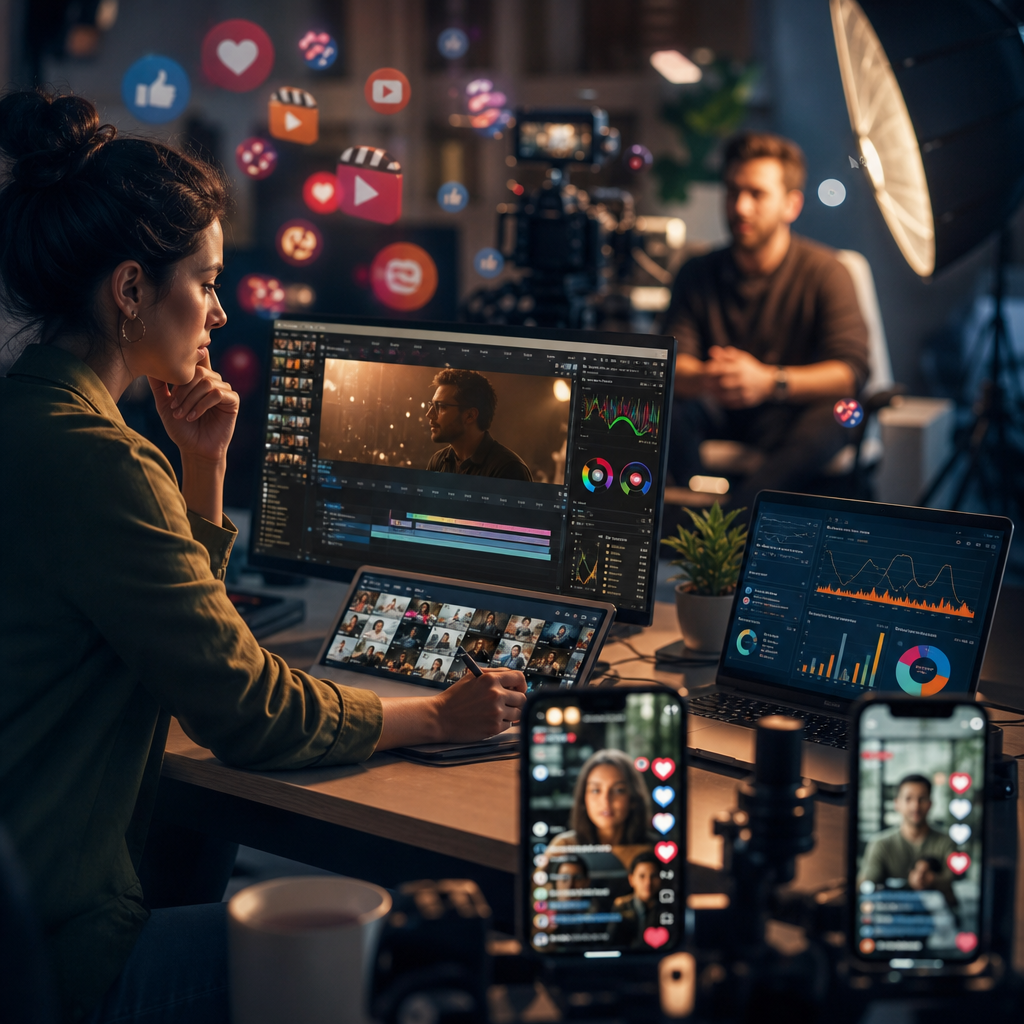
Strategy here: Create a posting calendar that balances storytelling (60%), education (25%), and promotional content (15%). The ratio feels counterintuitive but works because storytelling builds the permission to promote.
Next step: Analyze your top five posts from the last month. What do they have in common? Is it visual style, topic, length, or posting time? Replicate those variables in your next 10 pieces.
Paid Advertising That Amplifies Your Story
Paid advertising without a strong story is like shouting in a crowded room. Your message might be heard, but it won’t be remembered.
When your ads lead with cinematic storytelling, three things happen. First, your click-through rates improve because the creative stops the scroll. Second, your cost per click drops because better-performing ads get favorable algorithm treatment. Third, your landing page experience becomes coherent. Someone who clicked because your ad told a compelling story lands on a page that continues that narrative rather than pivoting to features.
On Meta (Facebook and Instagram), video ads with captions and clear visual storytelling outperform static image ads by 2.5x on average. On Google, video ad extensions increase click-through rates by 25 to 30%. These aren’t small improvements. They compound across your entire ad spend.
The key is matching ad creative to the audience stage. Retargeting audiences who visited your website should see different ads than cold audiences. Your remarketing creative can be more specific, referencing what they already know about you. Cold audiences need broader context first.
Budget allocation matters too. Many brands spread ad spend evenly across platforms. Better approach: Test your top three video stories on each platform with modest budgets (20% of spend). Identify which stories perform best where, then concentrate budget on the winners. This concentration typically yields 15 to 25% better ROAS than even distribution.
What to implement: Run a 30-day test. Select three of your best organic-performing videos. Promote each to a small cold audience on your primary platform. Measure cost per video view and engagement rate. The winner gets more budget next month.
Tracking Results: From Views to Qualified Leads
Video metrics often focus on vanity. Views, impressions, and engagement rate matter less than whether video is actually moving prospects toward a sale.
Set up proper attribution. When someone watches your video, then visits your website, then books a call, you need to know that video played a role. Most analytics setups miss this connection because they focus on last-click attribution. Implement a system that tracks assisted conversions. Google Analytics 4 offers this natively.
Create specific landing pages for video campaigns. If you’re running paid video ads, don’t send traffic to your homepage. Send it to a page that continues the story the video started. This keeps the experience coherent and makes attribution clean.
Track quality metrics alongside volume metrics. A hundred clicks from people who leave after 10 seconds is worse than 20 clicks from people who spend three minutes exploring. Watch rate, time on page, and scroll depth tell you whether your story actually resonated, not just whether it was visible.
Most importantly, close the loop with your sales team. Ask them: Which prospects mention they saw your video content before contacting us? Which videos correlate with higher-quality leads? This feedback shapes your future production priorities better than any algorithm.
Immediate action: Set up UTM parameters on all video links. If you’re running ads, ensure each creative variation has a unique UTM. This turns your ad account into a testing laboratory.
Our Approach to Video-First Marketing
We’ve spent years proving that cinematic storytelling and performance marketing aren’t opposing forces. At Canatos Media, we build brands that tell stories people want to watch, then convert those viewers into customers through integrated strategy.
Our process starts with understanding your business deeply. We learn about your customers, their struggles, the transformations you create. We identify the narratives that matter most to your growth.
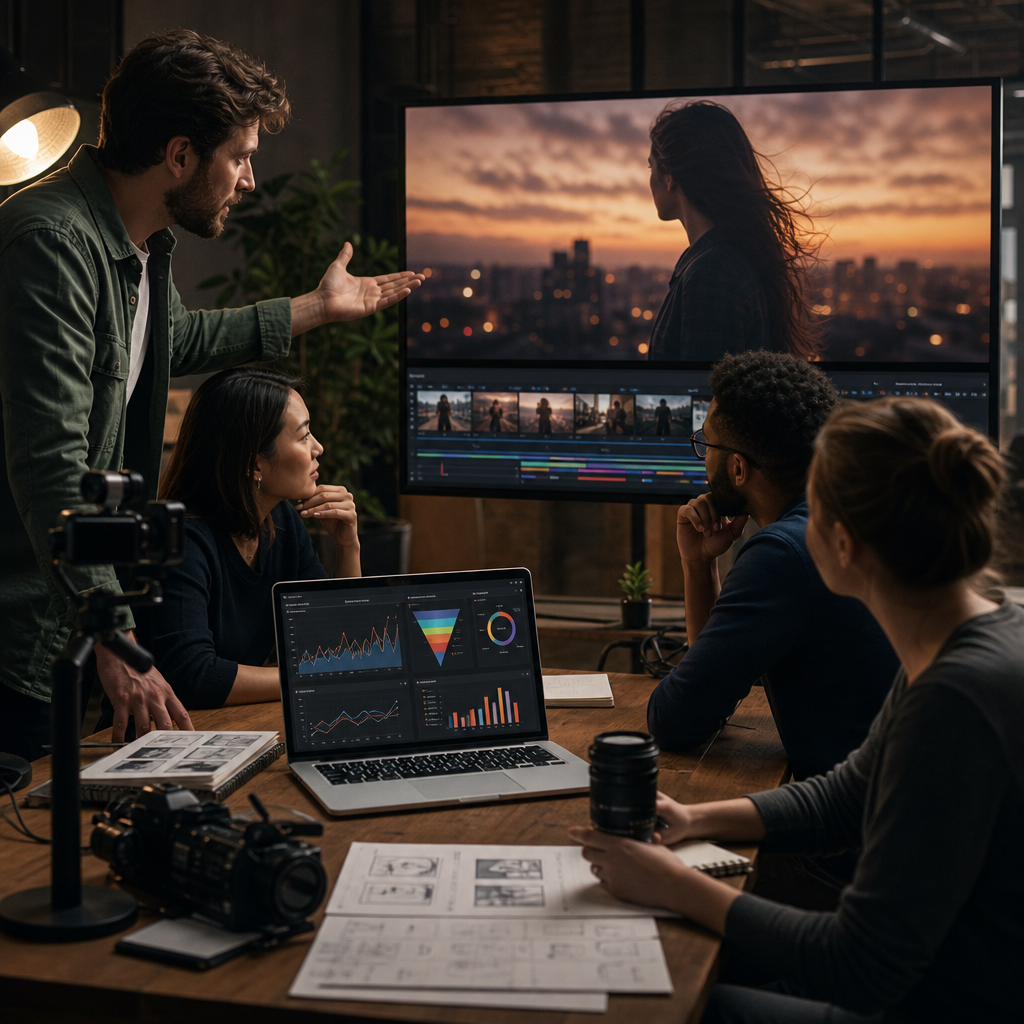
From there, we create short-form cinematic content specifically optimized for social discovery. These videos are beautiful, but they’re strategically beautiful. Every frame serves the story and the conversion goal simultaneously. We handle production, social distribution, paid amplification, and lead tracking.
We don’t hand off video content to a separate team for advertising. We don’t create stories and then optimize them apart from performance data. Everything connects. Your website video, your social content, your paid ads, and your email sequences all feel like chapters in one coherent brand narrative.
Our clients typically see 30 to 60% increases in qualified leads within three months, alongside significant improvements in brand perception and customer lifetime value. Our case studies show real numbers from real businesses.
Getting Started With Your First Campaign
You don’t need a massive budget to start. You need clarity, commitment, and a single compelling story.
Begin by choosing one customer transformation story or one key message you want to own. Define it in one sentence. For example: “We help overwhelmed service business owners systematize their operations so they can finally take time off.” This becomes your narrative North Star.
Produce one three to five minute cinematic video telling that story. Focus on production quality over breadth. Better to have one beautiful, authentic story than five mediocre ones. Your story should introduce the problem, show the transformation, and demonstrate the outcome.
Once that video is complete, deploy it across your ecosystem. Website homepage. Social channels optimized for each platform. Email to your existing audience. Paid promotion to cold audiences. Each touchpoint uses the same story, adapted for context.
Measure performance across all channels. Track views, engagement, clicks, and most importantly, qualified leads. After 30 days, you’ll have clear data showing whether this story resonates with your audience.
That data becomes your foundation. If this story drives results, you replicate the process with a second story. If it underperforms, you learn quickly and adjust your narrative focus.
The brands winning with cinematic storytelling and performance marketing aren’t the ones with unlimited budgets. They’re the ones who commit to integration, test methodically, and let results guide their creative direction. You can start this work today.
Contact us today for a free consultation to see how we can help you grow your business.
Frequently Asked Questions (FAQ)
How do we measure whether our cinematic storytelling is actually driving leads and sales?
We track performance across the entire funnel, from initial video views through qualified lead capture. Our reporting connects engagement metrics with conversion data so you see exactly how many leads and sales each piece of content generates. We integrate video analytics with your CRM and advertising platforms to show the direct ROI of your visual content strategy, not just vanity metrics.
What makes short-form video more effective for lead generation than traditional marketing approaches?
We’ve found that short-form video stops the scroll, tells your brand story in seconds, and builds trust faster than static content. When paired with strategic paid advertising and optimized landing pages, video content drives 3-5x higher engagement rates and significantly more qualified leads compared to text or image-only campaigns. The combination of cinematic quality and performance data gives us the ability to identify which stories actually convert your audience into customers.
Can we integrate our existing social media and advertising efforts with a video-first strategy?
We absolutely can work within your current setup and enhance it with our video production and optimization expertise. Our approach combines your existing social channels, Meta and Google advertising accounts, and website with professionally produced short-form content specifically designed to convert. We manage the entire integration so your new video content amplifies what’s already working rather than creating unnecessary change.