The Creative Crisis Facing Service Brands Today
Service-based businesses face a unique challenge that product companies rarely encounter: your best marketing asset is the work your team does every day, yet most brands never capture it strategically.
You’re running HVAC jobs, dental procedures, landscaping projects, or home renovations constantly. Each one could be powerful social proof. Instead, that visual gold sits in client properties and job sites, never converted into ads that work.
Meanwhile, your competitors are flooding platforms with stock footage and templated graphics. The noise is deafening. Your audience scrolls past dozens of irrelevant ads before reaching anything authentic.
The gap between what you’re capable of showing and what you’re actually showing is costing you leads. A dentist with 50 successful smile transformations per month has infinite creative assets. A roofing contractor completing 20 projects weekly has visual proof of quality that no testimonial can match. Yet most service brands default to phone-in content creation because they lack the systems to capture and repurpose their own work.
This isn’t a creative problem. It’s a process problem. And it’s fixable.
Why Generic Ad Content Costs You Leads
When potential customers see templated ad creative, their trust meter drops immediately. They’ve learned to spot ads that could describe any business in any market. Generic messaging doesn’t stand out. It doesn’t prove you’re different from your local competitor charging half your price.
Here’s what generic creative signals: you don’t believe your actual work is compelling enough to show. You’ve outsourced storytelling to someone who’s never seen a job site. You’re hoping clever copywriting compensates for weak visuals.
Social platforms notice, too. Facebook, Instagram, and Google reward specificity. An ad showing a homeowner’s before-and-after renovation outperforms a stock image of a happy family in a kitchen 9 times out of 10. The algorithm favors authentic content because users engage with it longer. Higher engagement lowers your cost per click.
Consider a HVAC company running identical ads across their service area. One shows a technician actually installing equipment in a real home. The other shows a smiling technician with a thumbs up against a blue background. Same copy. Same audience. The first one generates 40% more conversions because it proves the service works. It shows transformation.
When your ads blend into the background, your cost per lead climbs. You’re competing on price instead of trust. The remedy isn’t working harder on ad copy. It’s showing your real work in ways that resonate.
How Social Platforms Reward Authentic Visual Storytelling
Platforms are increasingly pushing creators toward authenticity. Meta’s algorithm prioritizes video content that generates saves, shares, and comments. Google’s Performance Max campaigns reward novelty and variation in creative assets. TikTok’s algorithm is built on discovering content that feels genuine, even when it’s produced.
What works isn’t perfection. It’s specificity combined with clarity. A short clip of a technician explaining why they chose a particular approach outperforms a 60-second product overview. Why? Because it demonstrates expertise and builds confidence in your process.
This shift rewards service brands. Your work is inherently authentic. Clients care about seeing real results in real settings. They want to understand your process. A 15-second video of a plumber explaining a complex repair option is more valuable than any stock footage could be.
The key is packaging your real work in ways platforms amplify. Shorter videos perform better than long ones. Clear before-and-afters beat ambiguous imagery. Specific results beat generic benefits.
When your ads show actual client work with smart editing and clear messaging, platforms push them to more people automatically. Your cost per impression drops. Your reach expands. The math works in your favor because the content is built for how people actually consume information on these platforms.
The Competitive Edge of In-House Creative Production
Building a creative capability inside your organization gives you speed and consistency that outsourcing never delivers. When you need five new ad variations by Friday, you’re not emailing a freelancer hoping for turnaround. You’re pulling footage from this week’s jobs and turning it into ads in hours.
This speed compounds over months. By mid-year, you’ve tested 50+ creative variations. By year-end, 200. You’ve learned what messaging resonates with homeowners in one service area versus another. You’ve discovered that before-and-afters perform better than process videos in your market. You’ve built institutional knowledge that informs every future campaign.
In-house creative doesn’t mean hiring full-time videographers on your payroll. It means having processes and partnerships that let you capture and refine content from your own operations. A dedicated team that understands your brand, your customer journey, and your business goals operates differently than an external agency juggling 30 clients.
The competitive advantage isn’t just faster turnaround. It’s smarter iteration. You see what works across your entire marketing ecosystem. You correlate creative changes with lead volume in real time. You adjust messaging based on customer feedback before launching the next campaign round.
What Sets Our Social Ad Studio Apart
We combine creative production with media strategy from day one. That means we’re not just making beautiful videos that win awards. We’re building ad creative specifically structured for platforms and designed to hit conversion metrics your business tracks.
Here’s how we operate differently:
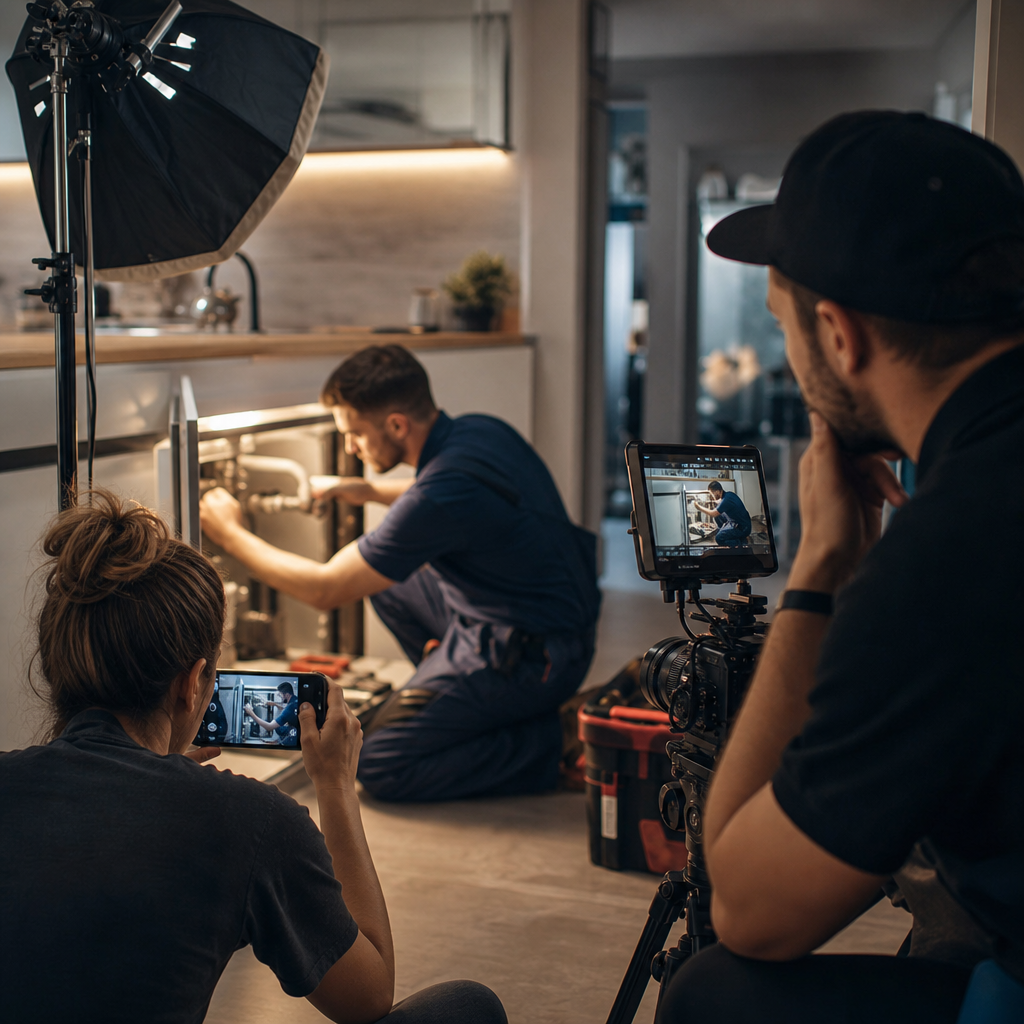
Our team works directly with your service teams to capture real client work as it happens. We don’t ask you to recreate jobs for the camera. We embed into your operations, film genuine projects, and transform raw footage into platform-optimized ads. One shoot becomes 8-12 usable ad variations.
We understand the full customer journey your leads experience, from first awareness through conversion. That shapes every creative decision. A video designed to build brand awareness uses different pacing and messaging than a video designed to overcome price objections. We build the right story for each stage.
We iterate rapidly. Our studio produces 15-20 ad variations per month for scaling brands. We test across Meta, Google, and platform-specific formats. We measure performance against your actual lead and sales data. We optimize based on what’s working, not assumptions about what should work.
We handle the technical requirements that most creative teams miss. Proper aspect ratios for different placements. Subtitles that drive engagement on muted videos. Platform-specific compression settings. Compliance with advertising policies. The details that separate ads that run smoothly from campaigns that get throttled.
Building a Consistent Creative Pipeline for Scaling Brands
Consistency beats perfection when it comes to social ad creative. Running four exceptional ads once every three months generates fewer leads than running solid ads weekly.
We establish systems that make consistency automatic. We schedule regular capture days at your locations. We build templates for editing and delivery that cut production time without sacrificing quality. We create approval processes that keep campaigns moving without bottlenecks.
For multi-location brands, this becomes critical. Each location has different aesthetics, team members, and client situations. Capturing this variety and turning it into a cohesive brand narrative requires process and discipline. When you have 10 locations, you need systems that scale. Ad hoc creative production becomes impossible.
Our approach is to map out what stories resonate across your business, then build a content calendar that ensures consistent creative delivery. One month focuses on new customer transformation stories. The next emphasizes your team’s expertise. The third highlights speed and reliability. This rhythm keeps your messaging fresh while maintaining brand coherence.
A consistent creative pipeline also means your team gets trained in what works. Your operations staff learn what makes good footage for ads. Your sales team understands the creative assets available for objection handling. The entire organization becomes creative-aware, not just the marketing department.
Transforming Raw Footage into High-Performing Ad Creative
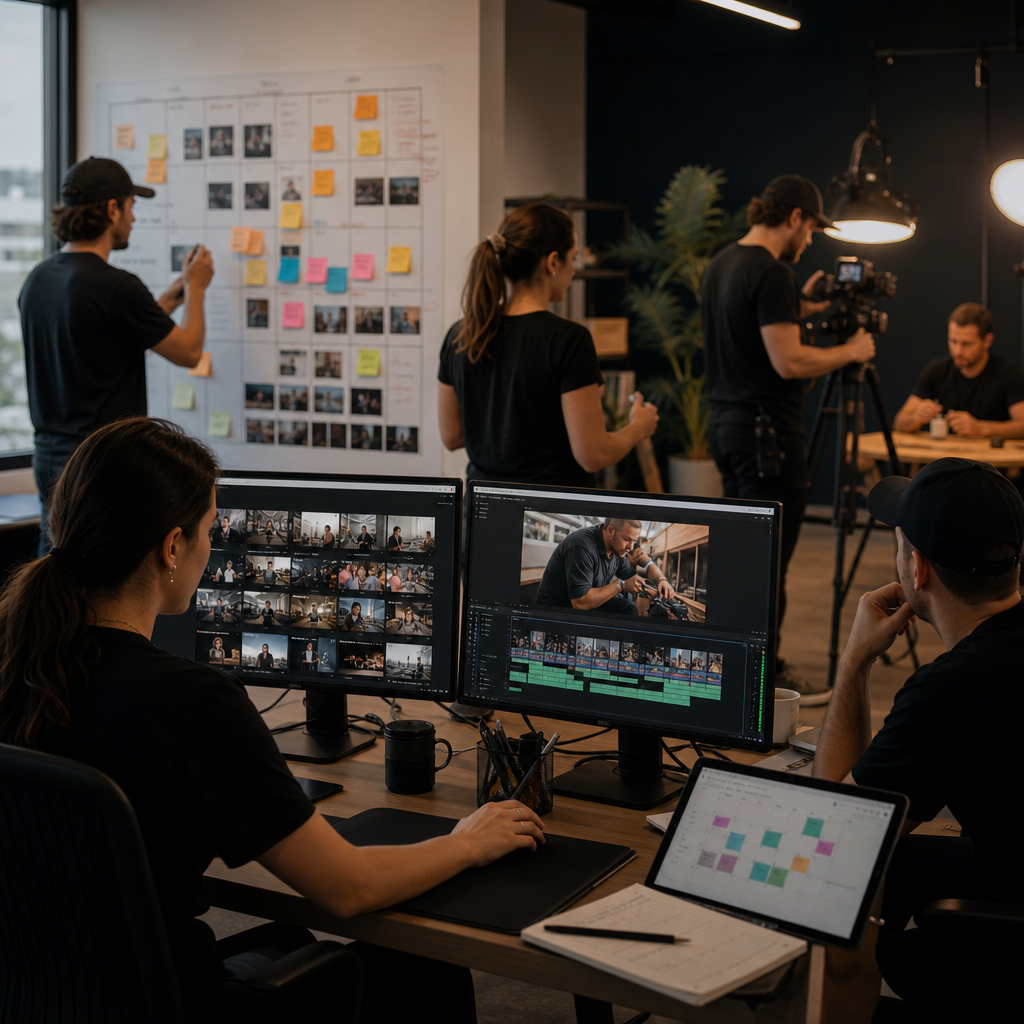
The gap between raw footage and high-performing ads is where expertise lives. Most service brands have thousands of hours of footage. Cameras on phones capture jobs constantly. Clients send videos of work. Yet this raw material rarely becomes usable ads because the technical and creative work feels daunting.
We handle the entire transformation. That means reviewing hundreds of hours of footage, identifying the best moments, and building narratives around them. A 30-minute roof installation becomes a 15-second before-and-after that demonstrates transformation. A client testimonial becomes a structured case study ad with clear benefits highlighted.
The editing process also optimizes for platform algorithms. We cut specifically for short attention spans. We add text overlays that work with sound off. We structure pacing to keep viewers watching through the critical conversion message. We test different hooks in the first 3 seconds because that’s where most viewers decide whether to watch or scroll.
Sound design matters too. Most brands overlook audio in favor of visuals. We source or create audio that reinforces your message without distracting. Music selection signals professionalism and builds emotion appropriately for your audience.
We also build variations for different audiences and campaign objectives. The ad that wins with homeowners considering upgrades differs from the ad targeting emergency service seekers. One emphasizes aesthetic transformation. The other emphasizes speed and reliability. Same project, two different stories.
Measuring and Optimizing Creative Performance Across Platforms
Data guides every creative decision we make. We don’t rely on vanity metrics like views or shares. We track what matters: cost per lead, cost per acquisition, lead quality, and downstream conversions.
This measurement discipline reveals patterns. You might discover that videos under 12 seconds dramatically outperform longer formats in your market. Or that specific messaging resonates with commercial customers but falls flat with residential. Or that certain team members on camera increase conversion rates because clients connect with them.
Once we identify what works, we build on it. If a particular pain point messaging converts 40% better than benefit messaging, we test variations on that pain point theme. If before-and-afters outperform testimonials, we shift production focus toward project transformations.
We also measure creative fatigue. Every ad eventually stops working as effectively as it did initially. We track performance over time and know when to retire underperformers and test fresh creative. This prevents spending money on ads your audience has already seen.
Platform-specific optimization matters too. What works beautifully on Instagram might not perform on Google. We test creative variations across platforms and allocate budget toward the best-performing combinations. This prevents the common mistake of running identical ads everywhere and wondering why some placements waste money.
We provide transparent reporting that connects creative performance to your business outcomes. You see exactly which ads drove leads, at what cost, and whether those leads converted to clients. That clarity lets you make confident decisions about scaling creative production investment.
Integrating Creative Studio Output with Paid Media Strategy
Creative and media buying must work together. The best video in the world fails if it reaches the wrong audience. Conversely, perfect targeting wasted on weak creative never converts.
Our studio works hand-in-glove with media strategy. We understand your target customer segments before we start production. We build different creative for different audience intentions. A homeowner actively searching for your service gets different messaging than someone in the awareness stage. That shapes every script we write.
We also ensure creative aligns with your platform strategy. If you’re running multi-location brand growth campaigns, we produce location-specific creative that resonates locally while maintaining brand consistency nationally. If you’re expanding into new geographic markets, we create messaging that addresses market-specific objections.
The feedback loop runs continuously. Media buying teams see which creative converts best. That intelligence informs what we shoot next. Production teams understand which customer objections drive creative strategy. Everyone operates from shared data instead of siloed assumptions.
This integration also prevents waste. You’re not producing generic content and hoping it fits your paid strategy. You’re building ads specifically engineered for your most profitable customer segments and bidding strategies.

Real Results: How Service Brands Scale with Better Creative
A multi-location HVAC company working with us captured footage from jobs across their 12 locations. We produced 24 ads over four months, each featuring real customer transformations and team members from different areas. Their cost per lead dropped 35% within the first 90 days because the creative finally matched audience expectations.
A plumbing service focused on commercial accounts was losing bids to larger national competitors. We built creative showcasing their team’s problem-solving expertise on complex commercial jobs. Specific footage of their work on building renovations and emergency situations proved they could handle sophisticated projects. Lead quality improved dramatically. They won contracts with facility management companies that previously didn’t take their calls.
A dental practice drowning in competitor noise ran generic teeth-whitening promotions. We shifted to before-and-after transformations tied to their cosmetic dental process. Suddenly their ads stood out in scrolls. The visual proof of results converted browsers into appointment bookers. Their monthly ad spend stayed constant, but lead volume increased 50%.
These aren’t isolated cases. Across service industries, brands that invest in authentic, platform-optimized creative outperform competitors running generic ads. The math is straightforward: better creative means lower cost per lead, which means more sustainable growth.
Getting Started with a Dedicated Creative Studio Partnership
The first step is assessing what you already have. Most service brands are already capturing footage. The question is whether it’s being used strategically. We typically start with a content audit, reviewing existing footage and identifying what’s already valuable.
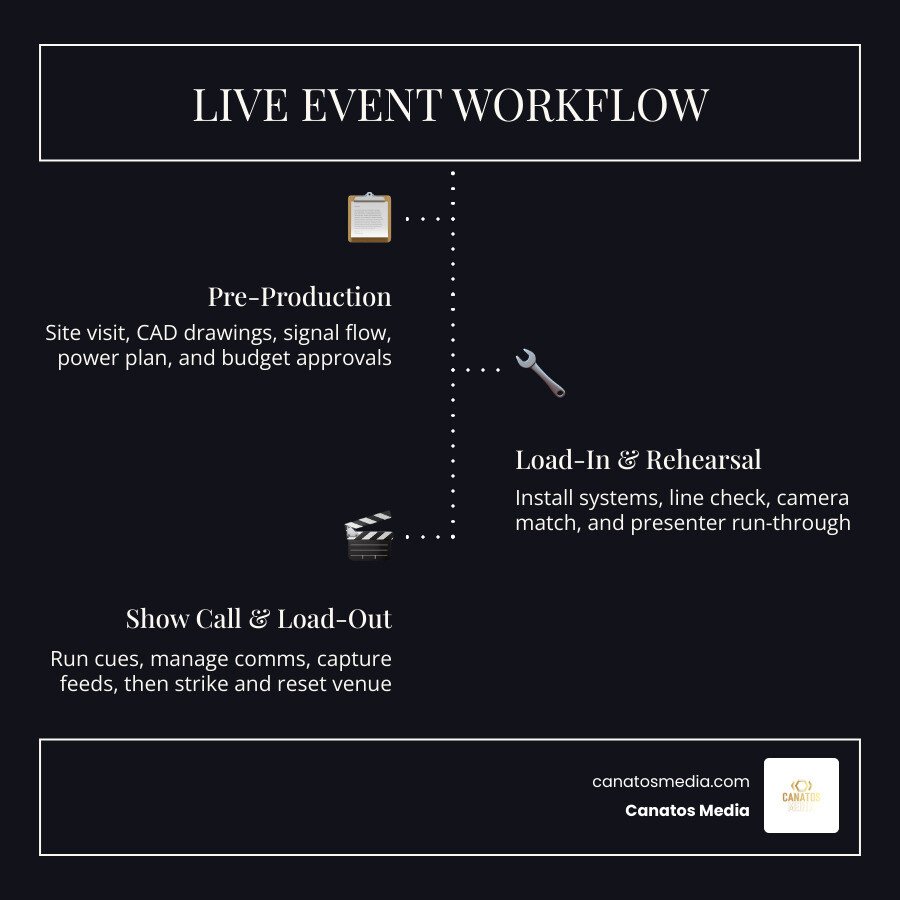
Next comes planning. We map out your customer journey, identify the stories that matter most, and build a production schedule that captures them without disrupting your operations. For service brands, this usually means scheduling shoot days that align with project timelines.
Then we establish the workflow. We define approval processes, editing standards, platform-specific formatting, and reporting cadence. Clear processes scale. Ambiguous workflows create delays.
From there, it’s consistent execution. We capture, edit, test, measure, and refine. Month one looks different from month six because we’re learning what works in your market.
If you’re ready to transform your social advertising from generic to genuinely competitive, reach out. We’ll discuss your current creative situation and show you exactly how a dedicated social ad creative studio changes your lead generation economics. The investment pays for itself through improved ad performance and faster scaling.
Contact us today for a free consultation to see how we can help you grow your business.
Frequently Asked Questions (FAQ)
How does our social ad creative studio differ from hiring freelance videographers?
We maintain an in-house team that specializes in ad creative specifically, which means we understand conversion metrics, platform algorithms, and audience behavior in ways general videographers don’t. Our studio produces multiple variations of the same concept weekly, allowing us to test and optimize performance data in real-time rather than waiting weeks between project cycles.
Can you work with footage we already have, or do we need to film everything from scratch?
We absolutely transform existing raw footage and client-provided materials into high-performing ad creative. Many of our service brand clients have years of professional video content that we repurpose into short-form ads optimized for Meta and Google platforms, which accelerates your time to market and maximizes your existing investments.
What’s the typical timeline from concept to having ads live on social platforms?
Once we understand your target audience and campaign objectives, we typically produce initial ad variations within 7-10 business days. Our integrated approach means we’re building creative alongside your paid media strategy, so ads go live faster and with better alignment to your audience targeting and budget allocation.