1. Short-Form Video Production That Drives Conversions
The shift to short-form video isn’t optional anymore—it’s where attention lives. Instagram Reels, TikTok, YouTube Shorts, and Meta feeds demand content under 60 seconds that hooks viewers in the first frame and delivers a clear message.
The catch: short-form production at scale requires systematic workflow, not artisanal one-off shoots. You need templates for consistency, rapid turnaround for trend relevance, and enough volume to test what resonates. Most affordable services offer slow timelines or repetitive styling. We’ve moved past that by automating production logistics while keeping creative direction personalized to your brand.
Our process prioritizes conversion intent from day one. A 30-second product demo, a customer testimonial, or an educational snippet each follow different composition rules. We script with hooks, frame for mobile-first viewing, and edit with pacing that maintains retention through the end. For a multi-location service business or retail brand, this means 15-20 pieces monthly across different angles, all coordinating with paid ad spend.
What to do next: Audit your current video content. If most pieces are longer than 60 seconds or lack a hook in the first three seconds, you’re losing 70% of potential views before the message lands.
2. Social Media Management Integrated With Paid Advertising
Organic social reach is shrinking. Platforms prioritize paid content, and most affordable agencies treat organic posting and paid campaigns as separate silos. That’s a missed opportunity.
When social management and paid advertising coordinate, something shifts. Organic posts test messaging and creative angles at zero cost. High-performing posts then scale through paid promotion. Paid campaigns inform organic calendar planning. Ad audiences feed social listening insights. Brands that operate this way spend less overall while getting more precision.
The disconnect happens when one team manages posting schedules while another team runs ads with no strategic overlap. We integrated our social and advertising workflow so that every post has paid amplification potential, and every ad campaign feeds organic strategy. Your content calendar accounts for paid promotion windows. Your ads recycle top organic performers. Audience data flows both directions.
For a service-based business with seasonal demand or a retail brand with location-specific promotions, this coordination means tighter customer acquisition cost (CAC) and faster response to market shifts. You’re not guessing which angles convert—data tells you.
What to do next: Review your last 30 days of social posts and paid ads. How many of your top-performing posts became paid campaigns? If fewer than 30%, you have untapped conversion potential.
3. Meta and Google Ads Optimization for Maximum ROI
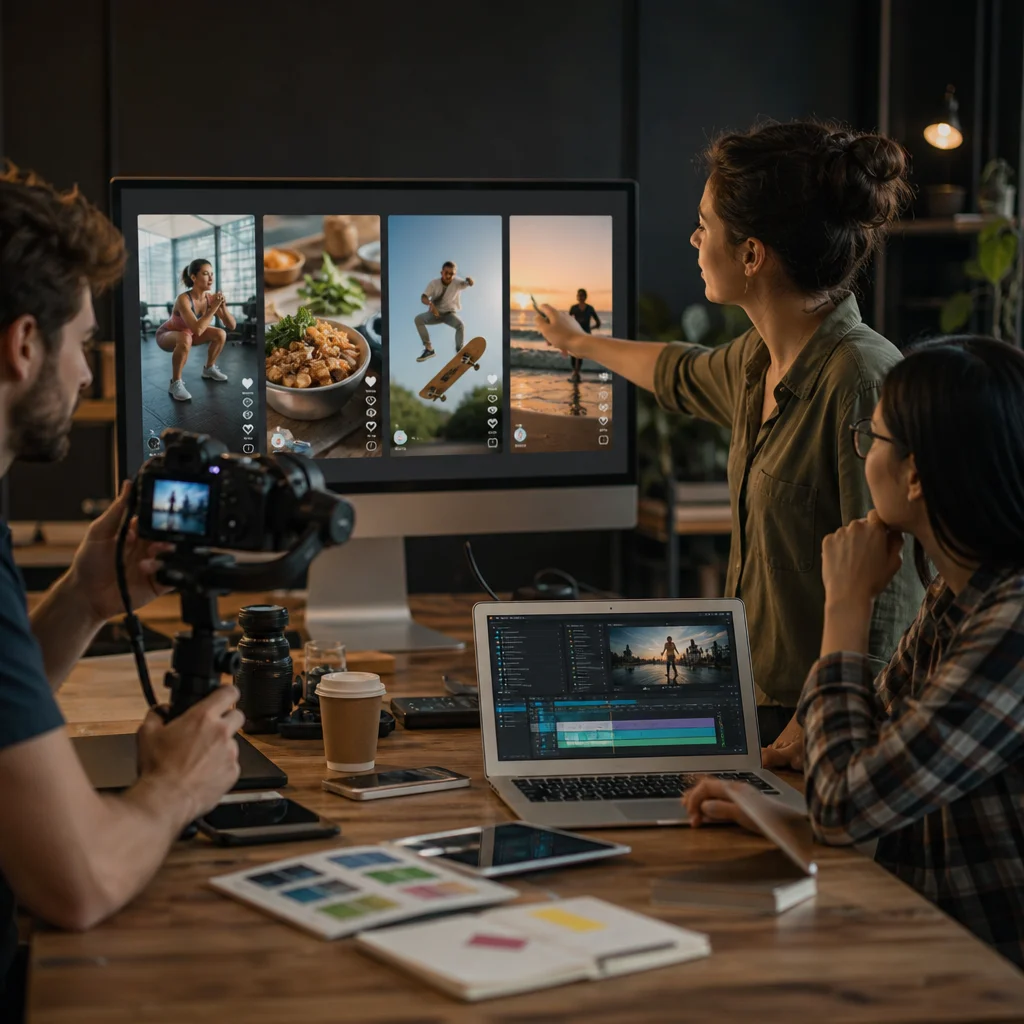
Spending $1,000 monthly on Meta and Google ads feels affordable until you realize half of it’s wasted on irrelevant targeting or unoptimized creatives. Platform algorithms have become more powerful, but they also demand precision in creative and audience setup or they default to broad, inefficient targeting.
Most budget-conscious brands choose one platform (usually Meta) and hope broad targeting finds their audience. This leaves money on the table because Meta and Google serve different intent stages and user behaviors. Someone searching “plumbing near me” on Google is intent-ready. Someone scrolling Instagram is in awareness. Both convert, but they need different ad structures and creative approaches.
We run coordinated campaigns across both platforms with audience segmentation, creative testing, and real-time bid optimization. On Meta, we test multiple creative formats—video, carousel, collection—simultaneously and scale winners. On Google, we align search ads with video content that reinforces messaging at the consideration stage. Retargeting audiences from both platforms feed each other, reducing overall spend while improving conversion rates.
The result isn’t just lower CAC—it’s predictability. When both platforms operate under unified conversion goals and audience rules, you can forecast monthly lead volume and adjust budget accordingly.
What to do next: Check your Google and Meta ad account conversions. Are they tracked to the same conversion event? If not, you can’t optimize across platforms effectively. Start there.
4. Cinematic Storytelling on a Realistic Budget
Cinematic doesn’t mean expensive. It means intentional color grading, purposeful camera movement, and narrative structure that holds attention. Most budget video services skip these elements to save on production time and editing hours.
Here’s the cost reality: cinematic production requires planning, not money. A script that builds tension, location scouting that uses natural light, and editing that paces for emotion add minimal cost but deliver massive quality lift. Many affordable services deliver flat, over-lit footage that screams “budget production.” We prioritize pre-production planning, which reduces time on set and in editing while raising visual quality.
Generic video ads underperform on Meta platforms because they lack visual differentiation. Your audience sees dozens of ads daily. Cinematic elements—even subtle ones like color consistency, intentional framing, and audio design—register as premium and hold attention longer.
For brand storytelling pieces (founder stories, customer success videos, culture content), cinematic approach feels earned and authentic. For conversion-focused ads, it stands out in feed without feeling overstyled.
What to do next: Watch three ads from brands in your space. Grade them on visual consistency, framing, and audio quality. Note which ones hold your attention longest. That’s your benchmark.
5. Lead Generation Systems Built Into Video Content
A beautiful video that doesn’t generate leads is brand entertainment, not business growth. The gap between views and leads happens when video strategy isn’t connected to a clear conversion path.

We design every video with lead generation intent baked in. A testimonial video includes a specific next step in the caption and link. An educational series has lead magnets (guides, templates, free audits) tied to each episode. Product demos include interactive elements or unique offer codes. Most brands fail to convert social attention into leads because they treat video as content, not conversion asset.
The system requires coordination: video messaging aligns with landing page copy, CTAs are consistent across platforms, and follow-up sequences (email, SMS, retargeting) activate immediately after click. Most affordable services stop at video delivery. We embed the entire funnel.
For multi-location service businesses especially, this means location-specific landing pages that video drives to, inventory links for retail, and booking systems that activate from video clicks. Lead quality improves because messaging clarity removes friction.
What to do next: Pick one video you’re currently running. Document its full conversion path from view to lead. Are there gaps in messaging, broken CTAs, or missing follow-up steps? Fix those first.
6. SEO Optimization Combined With Video Strategy
Video and SEO are increasingly intertwined. Google prioritizes pages with video content, video transcripts improve keyword ranking, and embedded videos reduce bounce rate. Yet most affordable video agencies treat SEO as separate from video production.
We optimize video content for search from scriptwriting forward. Keywords inform messaging. Titles and descriptions are written for both human viewers and search algorithms. Transcripts become content assets themselves, expanding keyword coverage. Video sitemap markup ensures search engines index your content properly. Landing pages that host video are optimized for related search intent.
For service-based businesses, video-optimized content captures high-intent search queries that text alone might miss. A “how to” video on a technical service topic ranks for educational searches, builds authority, and feeds bottom-funnel retargeting.
This creates a compound effect: organic video traffic improves SEO metrics, which improves paid ad quality scores, which lowers cost per click. Each system reinforces the others.
What to do next: Search your primary keyword in Google. How many of the top 10 results include embedded video? If fewer than four, video content is still underutilized in your niche—opportunity exists.
7. AEO Optimization to Dominate Voice Search Results
Voice search through smart speakers, mobile assistants, and hands-free devices is reshaping how people discover services. By 2026, voice queries drive meaningful traffic for local and service-based businesses, yet most video and digital marketing strategies ignore this channel.

AEO (Answer Engine Optimization) focuses on providing direct answers to voice queries. When someone asks their smart speaker “best plumber near me” or “how do I fix a leaky faucet,” the answer engine pulls from structured data, local optimization, and concise answer blocks. Video content contributes here—featured video snippets now appear in voice search results.
We optimize video metadata, transcript structure, and local business information to appear in voice search results. For local service businesses, this means voice queries about your service category or location increasingly route to your content. The integration with video matters because video answers rank favorably in voice-assisted visual displays and recommended follow-up content.
Smart speaker adoption is mainstream, and voice search is driving real traffic. Brands that ignore it lose visibility in an increasingly important channel.
What to do next: Ask your smart speaker a query related to your business category. What results appear? If you don’t see yourself in the top three, AEO work is overdue.
For further reading: Lead generation systems.
Contact us today for a free consultation to see how we can help you grow your business.
Frequently Asked Questions (FAQ)
How do we keep video production costs low without sacrificing quality?
We’ve built our production process around short-form content that requires less time in post-production and fewer location shoots than traditional cinematic video. Our team uses efficient workflows and strategic planning to eliminate waste, passing those savings directly to our clients. We focus on what actually drives conversions for your business rather than creating expensive vanity content.
What makes our approach different from hiring a freelancer or in-house videographer?
We don’t just produce videos in isolation. We integrate our short-form content directly into your paid advertising campaigns, social media strategy, and lead generation systems so every piece of content serves a measurable business goal. Our team handles Meta and Google optimization, SEO, and AEO simultaneously, meaning your videos are built to perform across every channel where your customers actually spend time.
Can we handle video production for multi-location or service-based businesses at scale?
Yes, that’s exactly who we serve. We’ve developed systems that allow us to produce consistent, branded short-form content across multiple locations or service categories without multiplying your costs proportionally. Our approach lets us shoot efficiently in batches and adapt messaging by location while maintaining the cinematic quality that sets your brand apart.