Is a Social Media Content Creator Job Right for You in 2026?
A social media content creator job is one of the fastest-growing career paths in digital media right now. Here’s what you need to know at a glance:
| What | Details |
|---|---|
| What you’ll do | Film, edit, and publish short-form video and photo content for platforms like TikTok, Instagram, and YouTube |
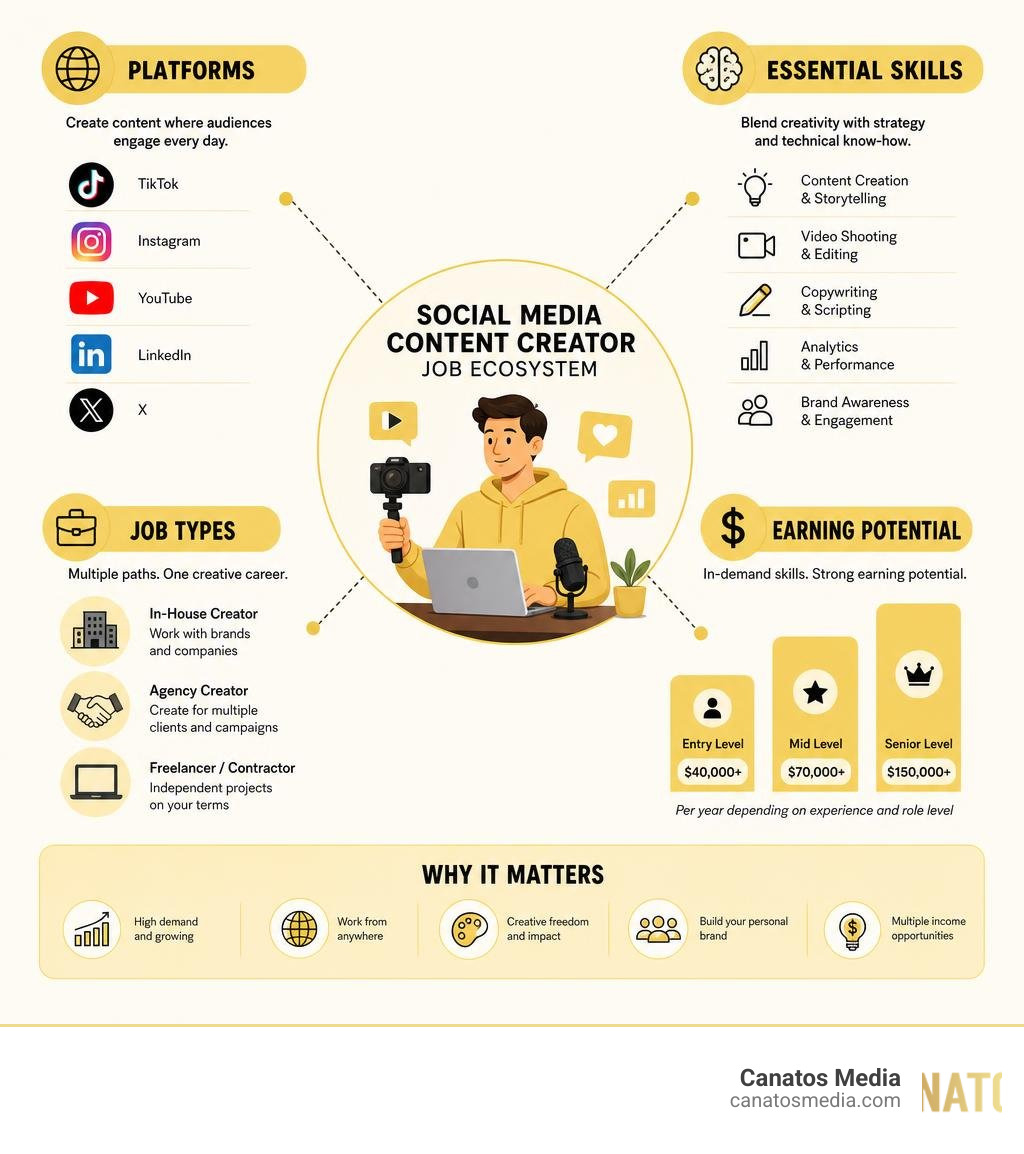
| What you’ll earn | $40,000–$150,000+ per year depending on experience and role level |
| Where you’ll work | On-site, hybrid, or fully remote — 20% of current listings are fully remote |
| Who’s hiring | Entertainment, retail, beauty, tech, and agency brands across the U.S. |
| How competitive is it | 718 active U.S. job listings as of June 2026, with 43 new roles posted in the last 24 hours |
The demand is real and it’s growing fast. Whether you want a full-time brand role, a freelance contract, or a remote agency gig — there are more paths into this career than ever before.
But knowing where to start and how to stand out is where most people get stuck.
I’m Nic Canobbio, founder of Canatos Media, and I’ve spent over two decades in media production — creating content that has driven more than 60 million views across social platforms and building strategies that blend storytelling with AI-powered workflows. My hands-on experience in the social media content creator job space gives me a clear view of what employers actually want and what it takes to build a sustainable career in this field. In this guide, I’ll walk you through everything — from the job market to the skills, salaries, and strategies that will help you land the role.
Navigating the Social Media Content Creator Job Market in 2026
The job market for social media creators has matured dramatically. What once felt like a scrappy, undefined gig has solidified into a highly structured, respected professional career path. As of June 2026, there are 718 active social media content creator job listings in the United States, with 43 fresh roles posted in just the last 24 hours.
Brands have realized that traditional corporate advertising doesn’t connect with audiences the way it used to. Instead, they need a dedicated, creative engine to humanize their brand, translate internet culture, and build active digital communities.
Whether you’re looking to work for an in-house brand, a creative agency, or build a freelance roster, the opportunities are abundant. If you search for open roles on platforms like LinkedIn, you’ll find hundreds of active listings, such as the 840 Social Media Content Creator jobs in United States – LinkedIn, showing that brands across every sector are actively recruiting.
While the market is highly competitive, there is a distinct shortage of creators who understand how to balance raw creative intuition with business-driven performance metrics. If you can prove that your content doesn’t just look pretty but also moves the needle for brand engagement and conversions, you will be in high demand.
Day-to-Day Realities of a Social Media Content Creator Job
What does a social media content creator actually do all day? If you picture someone just lounging on a couch filming quick lip-sync videos, think again. The day-to-day reality of a social media content creator job is a , multi-disciplinary balancing act that requires both creative right-brain thinking and organized left-brain execution.
On any given day, your schedule might look like this:
- Morning Ideation & Scripting: Analyzing platform trends, auditing competitor channels, and writing tight, high-hook scripts.
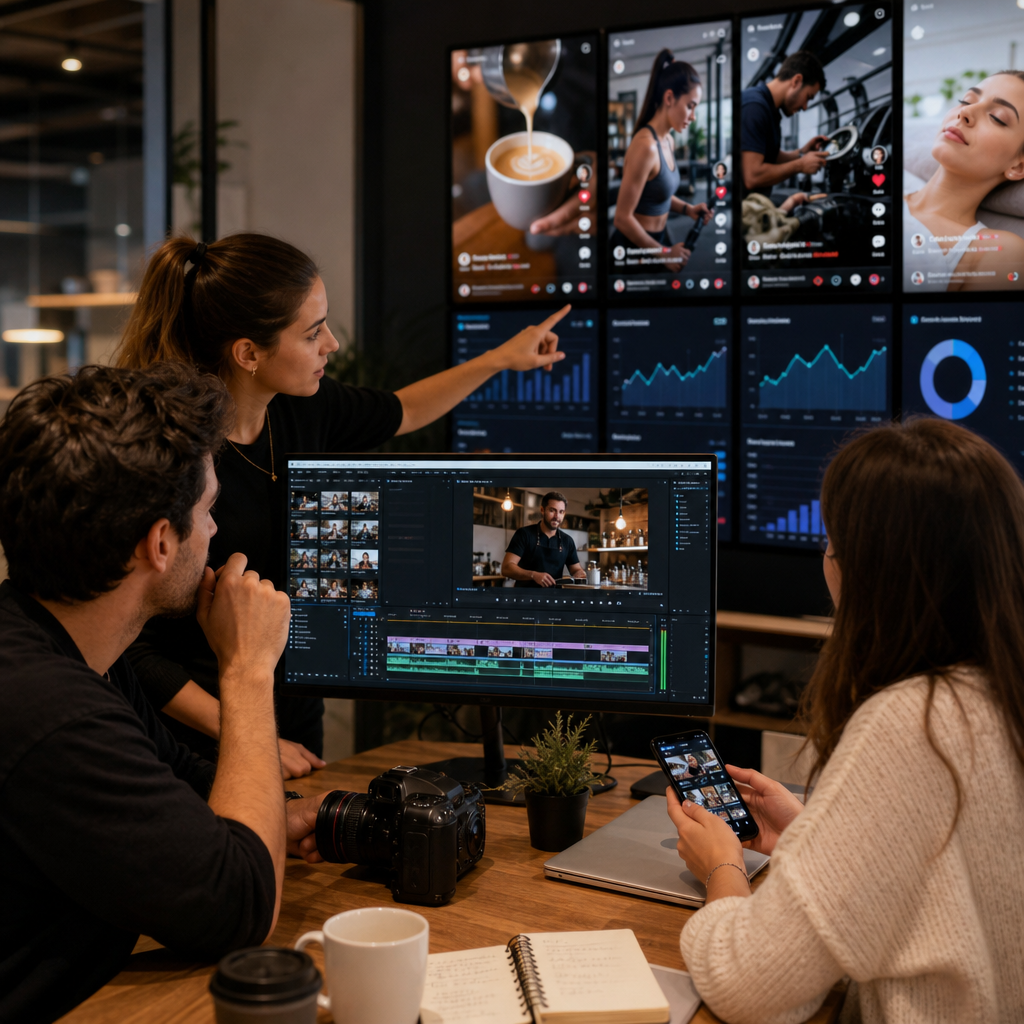
- Production: Setting up studio lighting, framing mobile or mirrorless camera shots, and filming multiple variations of hooks, calls-to-action, and b-roll.
- Post-Production: Editing raw footage, adding native text overlays, choosing trending audio, and timing transitions perfectly to keep viewer retention high.
- Optimization & Publishing: Writing engaging captions, optimizing hashtags, adjusting safe zones, and scheduling posts.
- Analytics & Strategy: Reviewing watch-time metrics, engagement rates, and comment sections to figure out what worked and what needs to be iterated.
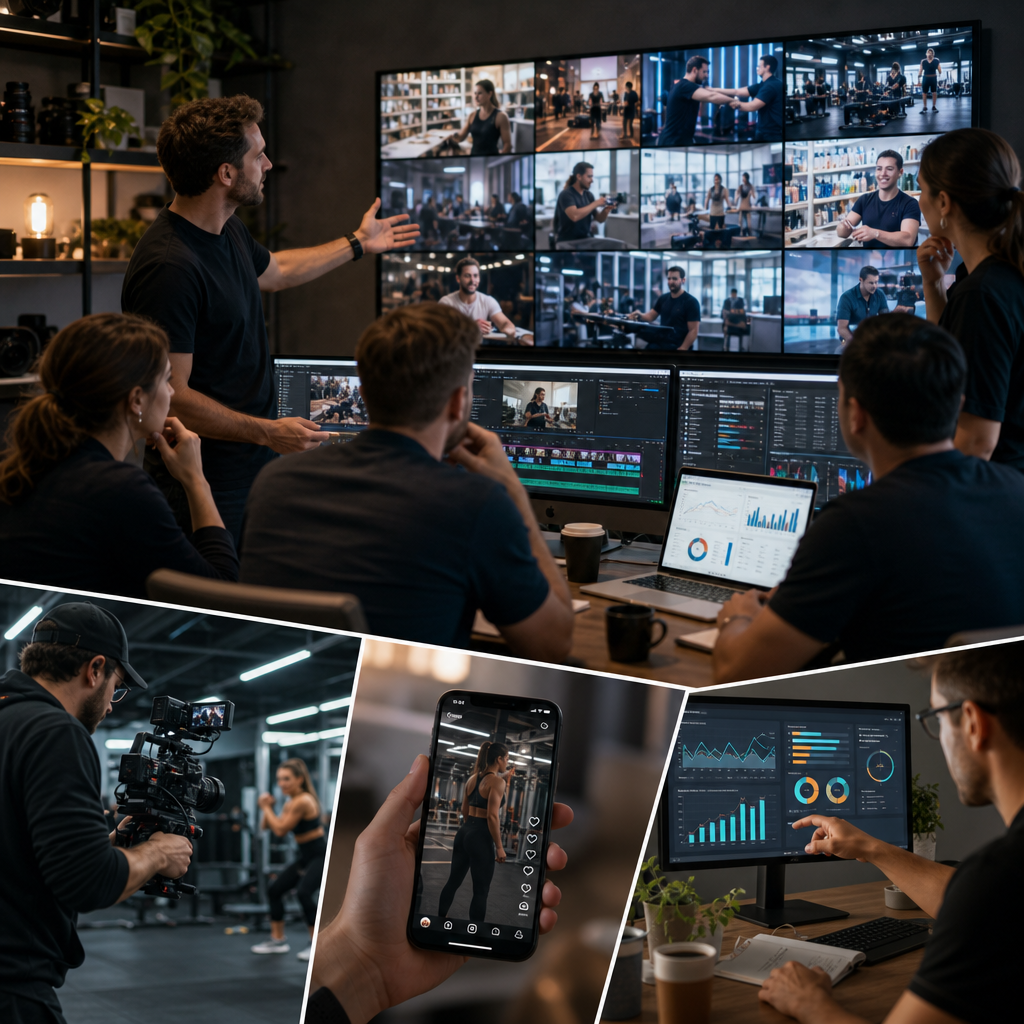
To thrive in this environment, organization is key. You aren’t just making videos; you are managing a complex creative pipeline. For a deeper look at how to run this workflow smoothly, check out our guide on How to Master Social Content Management Like a Pro to understand how professional teams organize their content calendars and creative assets.
Industry Variations: Beauty, Entertainment, and Retail
The day-to-day responsibilities of a social media content creator job shift dramatically depending on the industry you choose to work in. Let’s look at how the role varies across three of the most popular sectors:
1. The Beauty Industry
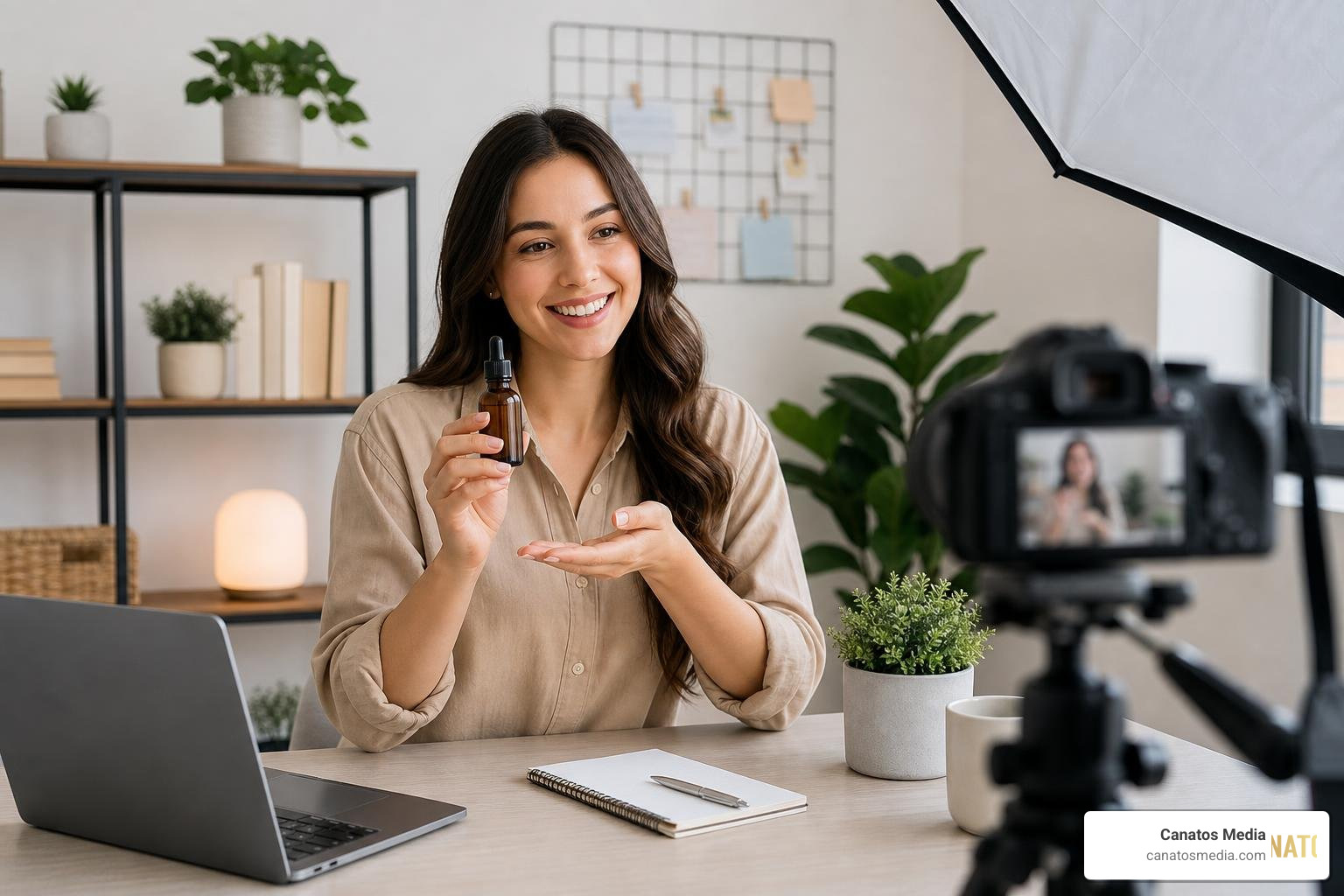
In the beauty space, visual fidelity and aesthetic perfection are everything. Creators in this niche must have an expert eye for lighting, macro-photography, and color grading. You will spend your days filming high-definition texture shots, step-by-step application tutorials, and ASMR-style unboxings.
The focus is heavily on product-centric storytelling, showcasing ingredient benefits, and matching the brand’s signature visual aesthetic. You must also be highly skilled at working with ring lights and studio backdrops to make skin and products look flawless on camera.
2. The Entertainment Industry
In entertainment marketing, speed and cultural relevance are your primary currencies. If you work for a TV network, a film studio, or a streaming platform, your job is to drive fandom engagement.
This means combing through episodes, trailers, and behind-the-scenes footage to find scroll-stopping moments. You will write witty, platform-native copy, design text-on-image memes, and jump on real-time internet trends within hours of them going viral. It is a highly collaborative, fast-moving environment where you must live and breathe pop culture.
3. The Retail Industry
Retail content creators bridge the gap between digital content and physical experiences. If you work for a major retail brand, a lifestyle company, or a large physical destination, you will rarely be stuck behind a desk. You will be on-site, capturing the real-world energy of physical locations.
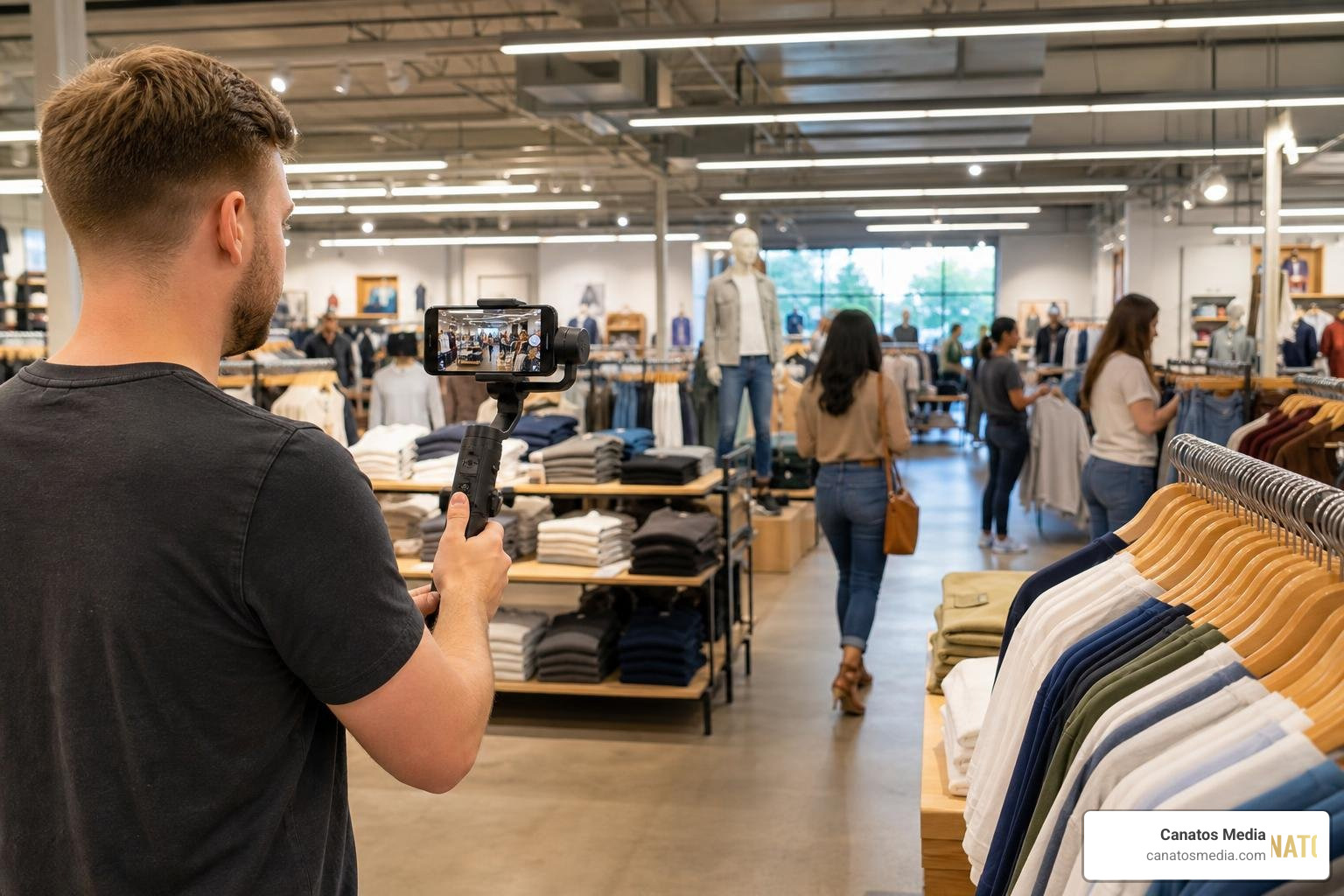
This involves filming store walkthroughs, covering live events, showing off product styling in real-world settings, and interviewing shoppers. It is a highly active role that often requires working flexible hours, including weekends, to capture footage when foot traffic and event energy are at their peak.
How to Stand Out and Land a Social Media Content Creator Job
Because the entry barrier to making social media content is low, hiring managers are flooded with applications. To land a premium social media content creator job, you must prove you are a professional, not just an amateur hobbyist. Here is how to make your application impossible to ignore:
- Build a Video-First Portfolio: Ditch the traditional text-only resume. Your portfolio is your most important asset. It should live on a clean, modern website or a dedicated social handle. Include 3–5 high-performing short-form video case studies. Show the original hook, explain your creative strategy, and share the performance metrics (views, watch time, share rate).
- Highlight Multi-Format Versatility: Show that you can write witty copy, design clean graphic templates, shoot high-quality video, and edit on a tight deadline. Employers want a “one-person engine” who can take a concept from a blank page to a finished upload.
- Submit a Custom Creative Application: When applying to highly creative companies, don’t just send a generic cover letter. If you are applying to an entertainment brand, include a custom meme utilizing their IP. If you are applying to an agency, submit a 60-second vertical video explaining why you are the perfect fit.
For example, when looking at creative application processes, you will see that forward-thinking employers often ask candidates to share their favorite current social media trends or submit custom creative assets to prove their cultural alignment.
Core Skills and Technical Proficiencies Required in 2026
To succeed as a professional content creator in 2026, passion isn’t enough. You need a robust technical toolkit. The modern creator is a hybrid professional who combines cinematic production standards with rapid, software-driven editing workflows.
According to professional job listings, top-tier employers look for candidates who can seamlessly blend high-quality physical cinematography (using mobile and mirrorless systems) with expert-level post-production and AI automation.
Here are the core technical proficiencies you need to master:
- Camera & Lighting Mastery: Understanding frame composition, the rule of thirds, safe zones for vertical formats, and how to utilize natural light, ring lights, and three-point studio setups.
- Audio Engineering: Capturing clean, crisp voiceovers using lavalier or shotgun microphones, and mixing background audio so it never overpowers the spoken word.
- Industry-Standard Software: High proficiency in tools like Adobe Premiere Pro, Final Cut Pro, CapCut, Photoshop, and mobile editing apps.
- Visual Branding: The ability to build and maintain branded style templates, select consistent typography, and design clean thumbnails.
Mastering Short-Form Video Formats
Short-form vertical video is the undisputed king of digital marketing. Platforms like TikTok, Instagram Reels, and YouTube Shorts drive the highest reach, engagement, and conversion rates across the web.
But creating vertical masterpieces that actually convert requires a deep understanding of platform-native psychology. You cannot simply film a traditional horizontal ad, crop it to 9:16, and expect it to perform.
Every platform has its own unique user behavior and algorithmic rules:
- The 3-Second Hook: You must capture attention immediately. Whether it’s a visual pattern-interrupt, an intriguing question, or a bold on-screen text overlay, the first three seconds determine if a viewer stays or swipes.
- Pacing and Rhythms: Modern vertical video editing is fast. You need to utilize jump cuts, zoom ins, sound effects, and text transitions to keep the viewer’s eyes moving and prevent drop-off.
- Safe Zone Optimization: You must design your videos so that critical text, captions, and visual elements are not covered by platform user interfaces (like the mute button, profile icon, or description text).
To learn how to design vertical videos that turn casual viewers into paying customers, read our guide on How to Create High-Impact Short-Form Content That Converts on Facebook and Instagram Reels. If you want to understand how to distribute these vertical assets effectively across platforms, check out our breakdown of Where to Post Your Vertical Masterpieces.
The Rise of AI-First Workflows
AI has completely revolutionized the creative workflow. In 2026, the most successful content creators aren’t running from artificial intelligence — they are embracing it as their ultimate creative partner to automate bottlenecks and scale production.
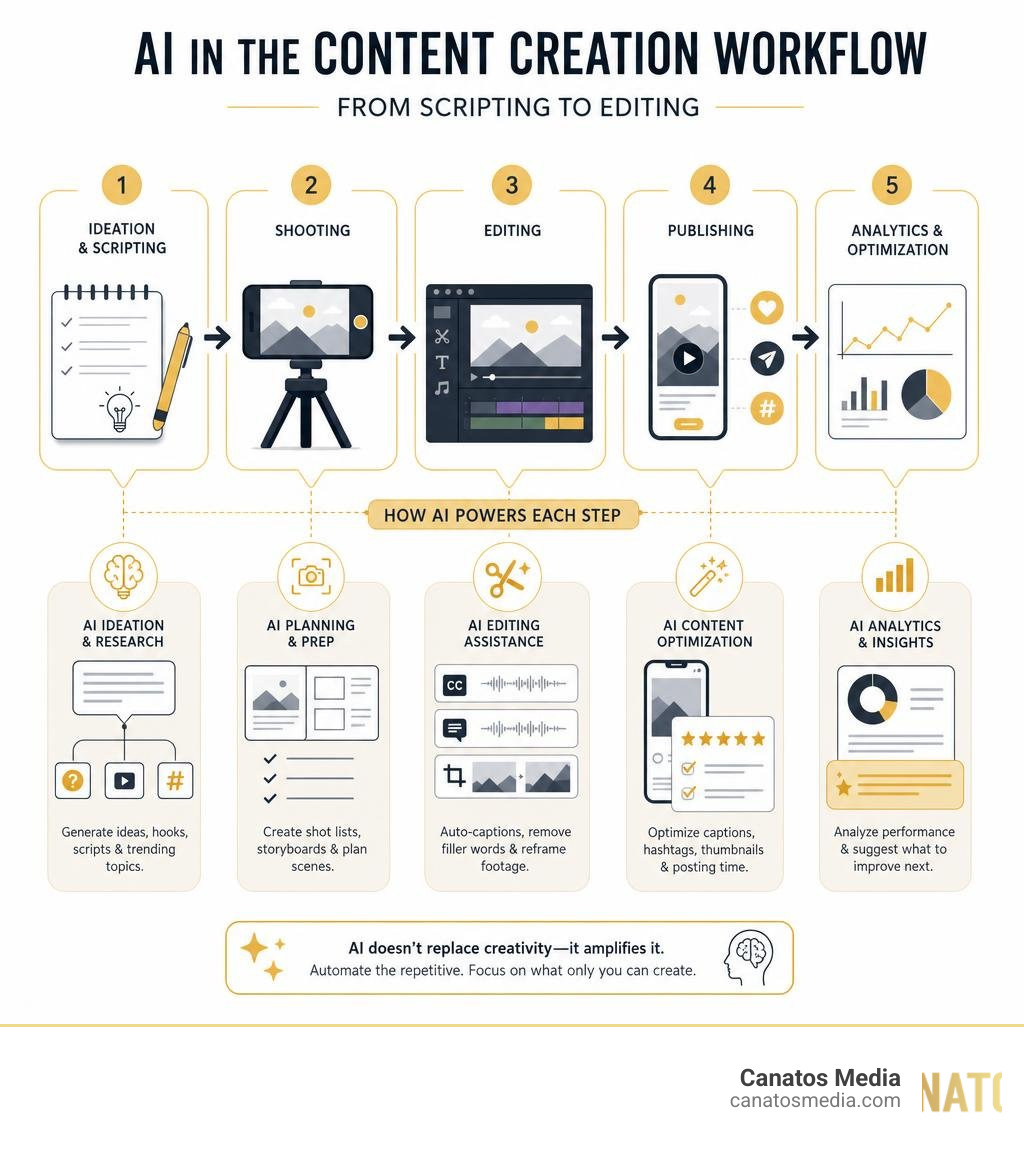
Professional creators use AI tools to:
- Accelerate Ideation: Utilizing generative models to brainstorm hundreds of hook variations, outline video scripts, and research emerging trends.
- Automate Editing Bottlenecks: Using tools like CapCut or Premiere Pro’s AI features to generate instant, highly accurate auto-captions, remove filler words (like “um” and “uh”), and automatically reframe horizontal footage into vertical formats.
- Enhance Production Quality: Leveraging AI tools to clean up background noise, extend video frames, and generate b-roll assets on the fly.
By using AI to handle repetitive technical tasks, you free up your mental energy to focus on what matters most: high-level creative strategy and authentic storytelling. This hybrid approach is why professional agencies are able to produce high-volume, high-impact content much more efficiently than solo freelancers.
To explore this dynamic further, read our article on Short-Form Content Strategy: Why Agencies Outperform Freelance Marketplaces and see how we scale production without sacrificing that crucial human touch in our guide on How We Scale Cinematic Short-Form Content Without Sacrificing Quality.
Salary Ranges, Job Types, and Geographic Hotspots
The financial landscape for a social media content creator job varies widely based on your location, your experience level, and the employment structure you choose. Because social media is a highly visible, revenue-generating function, companies are willing to pay top dollar for proven talent.
If you are looking for open roles, check out the current active listings on Flexible Content Creator New York Remote Jobs – Indeed to see how compensation, benefits, and remote options are structured across different industries.
Let’s break down the typical salary expectations across experience levels:
- Entry-Level Creators (0-2 years experience): $40,000 – $60,000 per year (or $20 – $30 per hour for part-time/contract roles). These roles focus heavily on execution, asset creation, and basic editing under the direction of a senior strategist.
- Mid-Level Creators (2-5 years experience): $65,000 – $95,000 per year. At this stage, you are expected to own the content pipeline, pitch creative strategies, shoot and edit independently, and analyze performance data.
- Senior Creators / Directors (5+ years experience): $100,000 – $150,000+ per year. These high-paying roles require you to lead creative teams, manage agency partnerships, integrate organic content with paid ad strategies, and align social media goals with overall business revenue.
U.S. Cities with the Highest Demand
While remote work is highly popular, geographic location still plays a massive role in where the highest-paying, most prestigious jobs are located.
The Tri-state area — specifically New York City and its surrounding regions like Long Island — remains one of the absolute biggest global hubs for media, fashion, retail, and advertising.
- New York, NY: Accounts for 114 out of 718 (16%) of all active content creator job listings in the country. If you want to work with major global brands, high-profile agencies, or luxury retail, New York is the place to be. You can browse active local listings on 129 Social Media Content Creator jobs in New York – LinkedIn.
- Long Island & Tri-State Suburbs: Many local businesses, auto groups, real estate firms, and boutique marketing agencies in Long Island are actively hiring in-house creators to build local brand awareness. If you want to work close to home, check out local job boards or search for local marketing roles on major platforms like LinkedIn and Indeed.
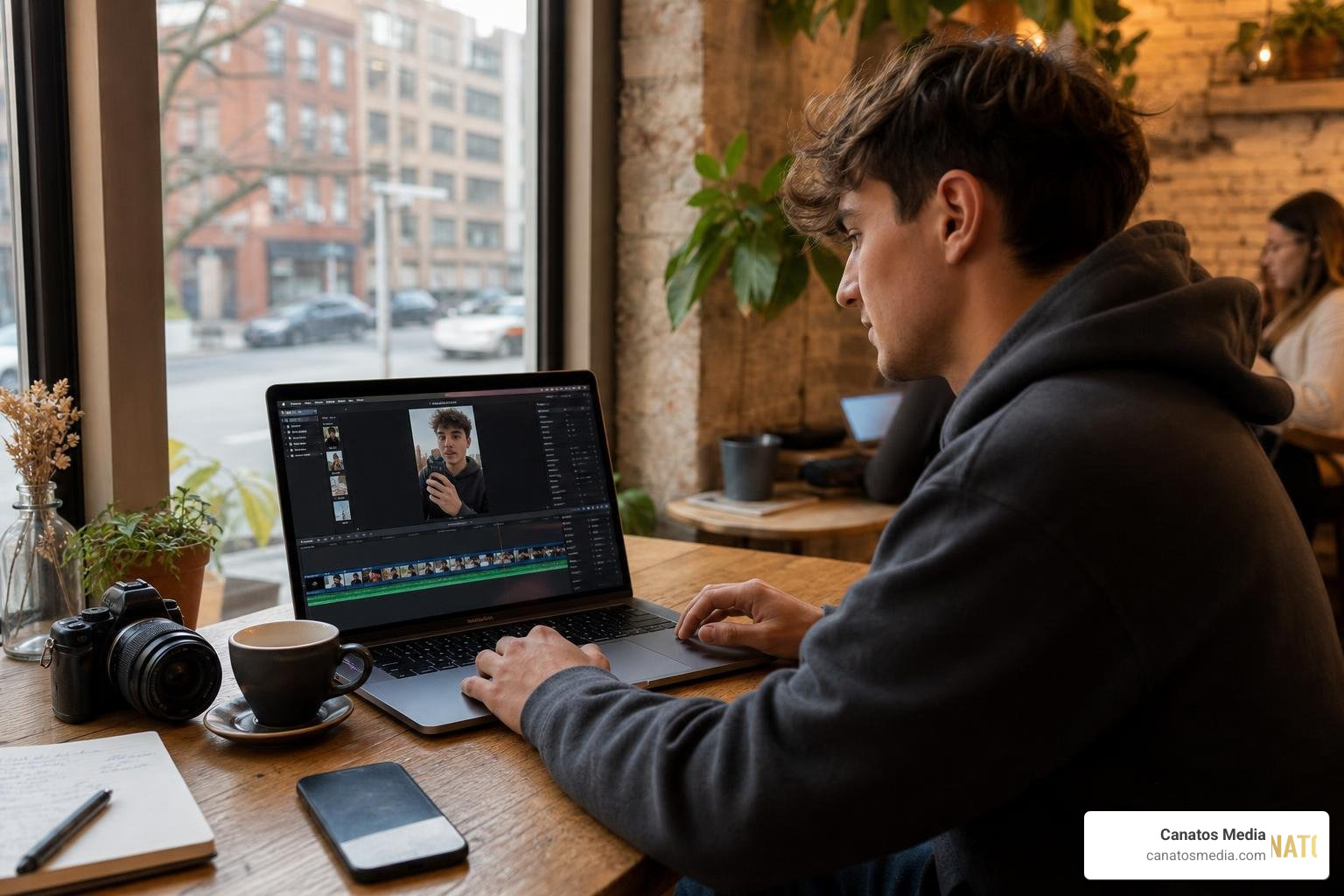
Many of these local suburban roles offer hybrid schedules, allowing you to spend a couple of days shooting on-site on Long Island and the rest of the week editing from the comfort of your home.
Comparing Job Types and Experience Levels
To help you decide which employment path aligns best with your lifestyle and career goals, let’s compare the three primary job types available to social media creators:
| Feature | Full-Time Brand Role | Freelance / Contract | Creative Agency Role |
|---|---|---|---|
| Income Stability | High (fixed salary + benefits) | Variable (hourly or per-project rate) | High (fixed salary + benefits) |
| Creative Variety | Low (focused on one brand) | High (work with multiple clients) | High (manage multiple client accounts) |
| Schedule Flexibility | Low (typically structured hours) | High (you set your own hours) | Moderate (agency deadlines & structures) |
| Growth Potential | Linear (advancing to Manager/Director) | Unlimited (scale your own business) | Rapid (exposure to diverse industries) |
| Collaboration | Work with internal marketing teams | Work solo directly with business owners | Work with professional designers, editors, and ad buyers |
If you are a small business owner looking to hire, or a creator wanting to see how professional agencies bridge the gap between organic creative work and paid advertising, check out our guide on Social Media Marketing Agency: Small Business Matches Made in Heaven.
Frequently Asked Questions about Content Creation Careers
What qualifications do I need for a social media content creator job?
You do not need a specific college degree to land a social media content creator job. While a degree in marketing, communications, or film production can look great on a resume, hiring managers care infinitely more about your proven portfolio and your platform mastery.
To prove you have what it takes, you should focus on developing a diverse, self-taught skill set:
- Show, Don’t Tell: Create a personal social media account and use it as your sandbox. Experiment with different editing styles, hooks, and transitions, and show that you can organically grow an audience from scratch.
- Master the Tools: Take free or low-cost courses to master Adobe Premiere, CapCut, and basic lighting setups.
- Understand Distribution: Learn how to optimize your finished videos for different platforms. For a deep dive into where and how to upload your content for maximum reach, read our guide on Where to Post Your Vertical Masterpieces.
Can I work fully remote as a social media content creator?
Yes, but it depends heavily on the industry. Approximately 20% of active social media content creator job listings are fully remote. These remote roles are highly common in industries like SaaS (software as a service), B2B tech, and digital agencies where the content can be created using screen recordings, stock assets, user-generated content (UGC) networks, or remote interviews.
However, if you work in retail, hospitality, entertainment, or local services, your role will naturally require a hybrid or on-site schedule. You cannot film a walkthrough of an amusement park, shoot product textures for a beauty brand, or cover a live event from your living room.
If you prefer a hybrid lifestyle, look for roles that allow you to cluster your filming days together on-site, leaving you with quiet, uninterrupted remote days for editing and planning.
How are AI tools changing the content creator role?
AI is not replacing content creators; it is replacing creators who refuse to use AI. Artificial intelligence acts as a powerful force multiplier that allows a single creator to run like an entire production studio.
By automating tedious tasks like generating captions, cutting out silences, and resizing video formats, AI tools allow you to focus on the high-level creative work that computers cannot replicate: authentic human connection, unique humor, and strategic storytelling.
Conclusion: Is This Your Dream Career?
A social media content creator job is an incredibly rewarding career path for anyone who loves blending visual storytelling with digital strategy. It is a , highly dynamic role where you get to shape brand narratives, experiment with cutting-edge creative technology, and see the real-time impact of your work.
But to truly succeed and scale your career, you must remember that content does not exist in a vacuum. The most valuable creators are those who understand how organic content fits into a larger, integrated digital marketing strategy.
At Canatos Media, we specialize in this exact intersection. We create cinematic short-form videos, manage end-to-end social media, run high-converting paid ads (Meta and Google), and provide SEO and website support for businesses across the Tri-state area and Long Island. Our unique strength lies in our integrated strategy: we connect beautiful creative content with precise targeting and conversion optimization to drive real, measurable business growth.
If you are a business owner looking to take your digital presence to the next level without the headache of managing a content pipeline yourself, check out our All-in-One Social Content and Management services. Let us handle the strategy, the production, and the growth while you focus on running your business.