The Problem: Brands Need Volume and Quality Simultaneously
Growth-focused business owners face a real tension. Social platforms reward consistency and frequency, yet producing cinematic content that reflects your brand takes time and resources. You need 20 videos a month to stay visible on Instagram Reels and TikTok, but you also need each one to look like it came from a premium production house, not a quick phone recording.
This isn’t a new problem, but it’s become urgent. Algorithmic feeds prioritize fresh content, and audiences scroll past anything that looks amateurish in the first second. The math is brutal: three mediocre videos per week beats one polished video per month, but most brands can’t afford to produce either at the quality level their brand demands.
The gap between volume and quality is where many otherwise excellent companies get stuck. They either compromise on production values to keep up with posting schedules, or they fall silent because producing quality content feels impossible at scale.
Why Traditional Video Agencies Struggle With Scale
Typical video production workflows aren’t built for volume. A traditional agency produces one video, then moves to the next project. Each project gets custom treatment: new creative direction, new shot lists, new crew scheduling. This approach makes sense for a luxury brand that needs two hero videos per year. It breaks down when you need sustainable, repeatable output.
Most agencies also operate with extended timelines. A production might take six weeks from concept to delivery. When you multiply that across 20+ videos monthly, the math simply doesn’t work. You’d need multiple parallel teams, which most agencies can’t justify or staff consistently.
There’s also the asset reusability problem. Traditional agencies shoot once and deliver final videos. They don’t think about how footage can feed multiple pieces of content, different platforms, or future campaigns. This means they’re starting from scratch on every project, wasting production capacity.
The other constraint is creative bottlenecking. One creative director becomes the gatekeeper for every decision, turning what should be a scalable system into a bottleneck that slows everything down.
Our Approach to Maintaining Cinematic Quality in High-Volume Production
We’ve rebuilt how short-form video gets produced. Instead of custom workflows per video, we use templated production systems that maintain cinematic quality while enabling speed.
Here’s the core idea: cinematic quality comes from lighting, composition, and color grading, not from bespoke creative work on every single piece. A well-lit product shot with professional color grading looks premium whether it’s your first video or your hundredth. A poorly lit phone video looks cheap either way.
We design each production around a content “template”—specific shot types, lighting setups, and color grades that work for your brand and can be repeated efficiently. This isn’t cookie-cutter; it’s systematic. You might have templates for:
- Product demonstrations
- Customer testimonials
- Behind-the-scenes brand footage
- Educational or “how-to” content
- Promotional announcements
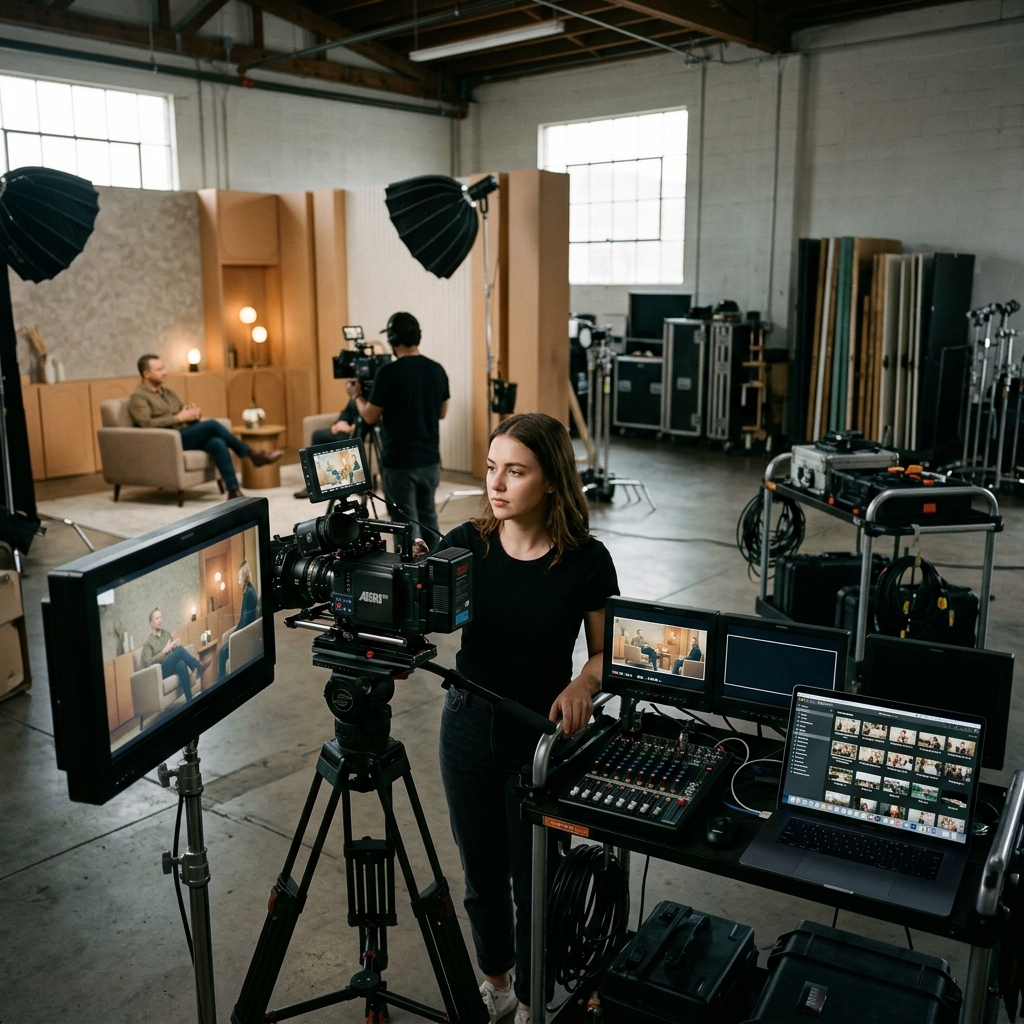
Within each template, we vary the specific subject, messaging, and talent, but the production framework stays consistent. This means our crew knows exactly what equipment to set up, how to light the space, and what color grade to apply. No surprises, no extended setup time.
The result is videos that look cinematic and consistent with your brand identity, produced in a fraction of the time traditional agencies require.
The Studio Systems That Enable Fast Turnaround Times
Our production facility is designed around efficiency without cutting corners. We have dedicated spaces for different content types: a main studio with professional lighting rigs, a testimonial setup with modular backgrounds, and a color grading suite equipped for fast batch processing.
Batch production is key. Instead of shooting one video, breaking down equipment, and setting up for the next project, we shoot multiple videos while the lighting rig is already configured. We might film 8-12 short videos in a single day because we’re not repeatedly setting up and tearing down. Crew familiarity with templates means faster positioning, fewer takes, and smoother execution.
We also standardize post-production. Our editors and colorists work with preset color grades, motion graphics templates, and pacing standards that maintain consistency while eliminating decision fatigue. A video that would normally take two weeks to edit and color-correct moves through in three to four days.
Next step: Assess your current content calendar. Where are the biggest bottlenecks? Is it shoot day logistics, editing timeline, or creative decisions? Knowing this helps identify where a template-based system would have the most impact.
Integrating Short-Form Content Into Your Broader Digital Strategy
Scaling video production only matters if that content drives business results. The videos need to feed into a broader digital strategy that turns views into leads and customers.
We treat short-form video as the centerpiece of your social presence, but one piece of a larger system. Your short-form video production needs to connect with paid advertising (running those videos as ads on Meta and Google), SEO optimization (ensuring your website ranks for customer search queries), and social media management (posting consistently, engaging with comments, nurturing followers).
Without this integration, you’re creating great content in isolation. With it, a single video becomes multiple touchpoints: organic social reach, paid amplification, website traffic, and lead capture.
For example, a service-based business might film a customer success story. That video serves as organic content on Instagram, becomes a lead magnet on the website, gets repurposed into paid ads, and shows up in email nurture sequences. One production effort fuels multiple revenue channels.
How Our Video Content Drives Measurable Lead Generation
Volume and quality only matter if you’re tracking whether content actually converts. We build measurement into the content strategy from the start.
Each video has a specific objective: awareness, consideration, or conversion. Awareness videos emphasize your brand story and reach broad audiences. Consideration videos dive into product features or social proof. Conversion videos are direct calls to action, often featuring customer testimonials or limited-time offers.
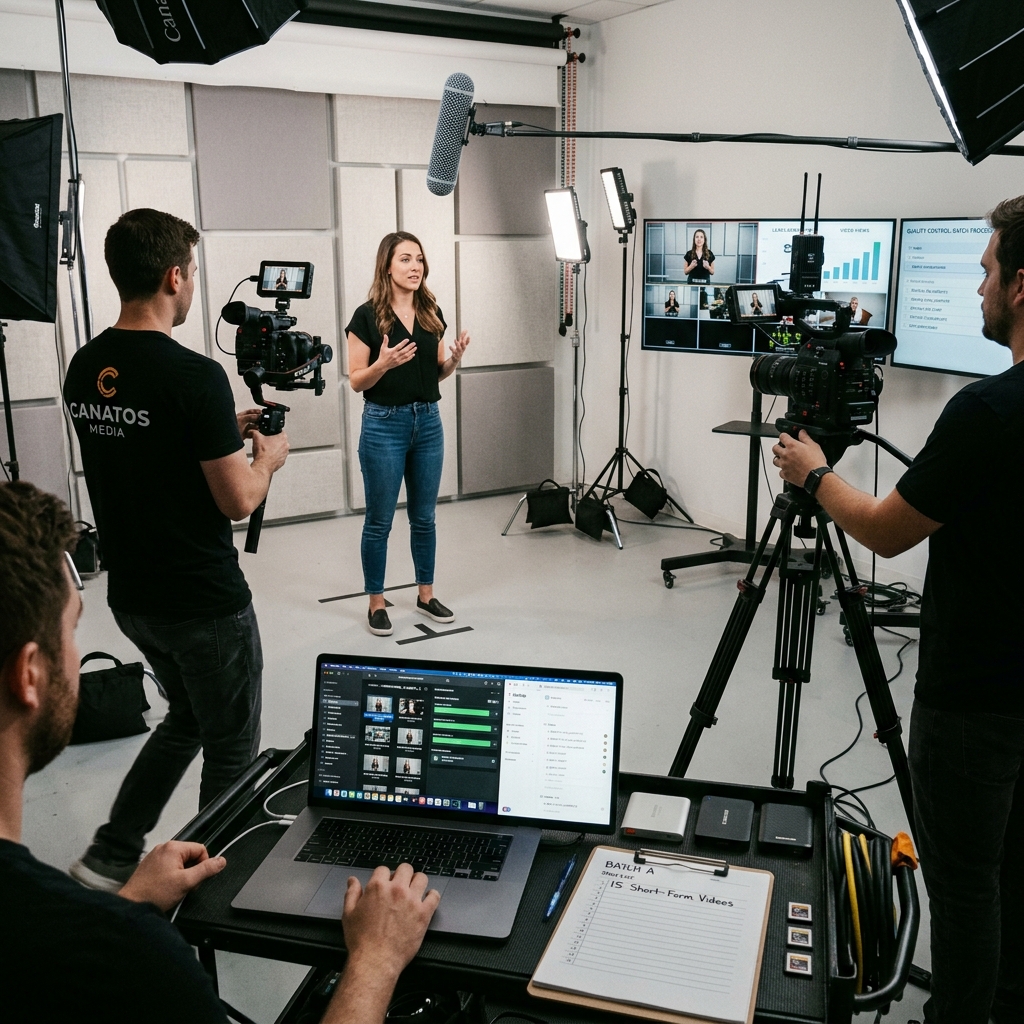
We tag videos with UTM parameters, track views and engagement, and report on which content types drive the most leads and sales. This data feeds back into production planning. If testimonial videos convert at 3x the rate of educational content, we adjust the production calendar accordingly.
The other layer is lead capture mechanics. Video alone doesn’t generate leads; you need a landing page, form, or direct message integration that captures interested viewers. We set these up alongside content production, ensuring the system actually moves people from “watched a video” to “submitted contact information.”
The Technology Behind Our Production Workflow
The infrastructure behind scaled production is less glamorous than the final videos, but just as important. We use production management software to coordinate shoot days, track asset versions, and manage handoffs between crew members. This eliminates scheduling conflicts and lost files.
Our editing workflows use cloud-based collaboration tools, allowing multiple editors to work on different videos simultaneously without version control nightmares. Colorists can grade footage while editors are still cutting, compressing the overall timeline.
We also maintain a digital asset library with every shot we’ve ever produced for your brand. This means future videos can reference or repurpose previous footage, further accelerating production. A testimonial shoot from three months ago might provide B-roll for a new promotional video.
Scaling Without Compromising Your Brand Story
Here’s the counterintuitive part: systematized production actually strengthens your brand story, it doesn’t weaken it. Brand consistency comes from having clear visual language and production standards, applied reliably across all content.
When you rely on ad-hoc production, your brand looks different every week. One video is shot on natural light, the next is overly bright, another has bad audio. Audiences subconsciously feel that inconsistency, and it undermines trust.
With templated systems, your brand develops a recognizable visual signature. People see a 15-second Reel and instantly know it’s from you because the lighting, color grade, and pacing are unmistakable. That recognition is a form of brand equity.
The other benefit: systematic production means your brand voice becomes clearer. When you’re producing 20+ videos monthly, you develop stronger narrative consistency. You’re not scrambling to find something to say; you’re deepening the story you’ve already committed to telling.
Real Results From Brands We’ve Scaled With Video
Our case studies show the impact of scaling cinematic content. Multi-location service businesses have increased lead volume by 40-60% after shifting to consistent, high-quality short-form video production. E-commerce brands have seen 25-35% improvements in conversion rate when video content is integrated with paid advertising.
One pattern we’ve noticed: results accelerate after month three or four. The first month is about building momentum and testing what resonates. By month four, you have enough data to optimize, and enough content to appear consistently in people’s feeds. That’s when the compounding effect kicks in.
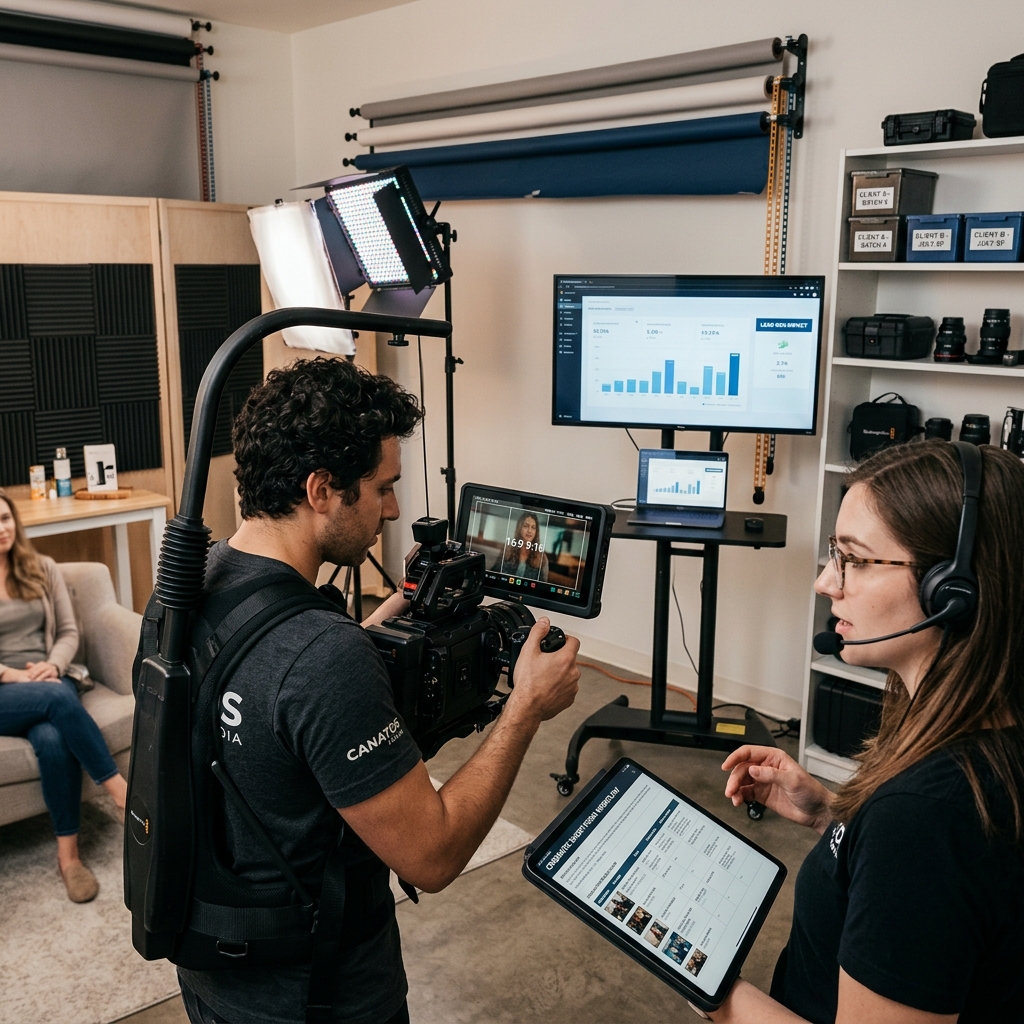
The brands that see the strongest results are those that commit to the system. They don’t pull back on content frequency or quality. They trust the process and give it time to work.
Getting Started With Our Production Process
If you’re ready to scale short-form video without quality compromise, the first step is a production audit. We assess your current content needs, existing brand assets, and business objectives. From there, we design templates specific to your industry and audience.
The onboarding typically takes two weeks. We develop shot lists, lighting diagrams, and color grades for each template. We also establish reporting standards so you see measurable results from day one.
Most brands start with a two-month pilot, producing 8-12 videos monthly. This gives us time to test what performs best and refine the templates. After the pilot, we scale to full production based on what’s working.
If you’re ready to turn consistent, premium content into predictable business growth, let’s talk about your production roadmap.
For further reading: Short-form video production.
Contact us today for a free consultation to see how we can help you grow your business.
Frequently Asked Questions (FAQ)
How do we produce high-volume short-form content without losing the cinematic quality that makes your brand stand out?
We’ve built our production workflow around standardized studio systems that let us shoot multiple videos in single sessions while maintaining our signature cinematic look. Our team uses preset lighting setups, color grading templates, and editorial guidelines that keep every piece of content visually consistent with your brand story. This means we can deliver 20+ videos per month without cutting corners on the creative elements that actually convert viewers into leads.
Can we integrate short-form videos into our existing digital marketing strategy, or do we need to overhaul everything?
We layer short-form video production directly into your current marketing ecosystem. Our team connects video content to your social media management, paid advertising campaigns, and SEO efforts so each piece serves a specific purpose in your lead generation funnel. You don’t replace what’s working—we amplify it with visual content that moves people from awareness to action.
What’s the typical timeline for seeing measurable results from a video production campaign?
We typically see engagement metrics shift within the first 2-3 weeks of consistent posting, but lead quality and conversion data take 60-90 days to fully show up in your pipeline. We track performance across all our platforms and adjust distribution strategy based on what’s actually driving qualified leads for your business, so you’re not just chasing vanity metrics.