
The Complete Guide to Social Media Management
Introduction
(The intro provided in the prompt is already included at the start of this guide.)
The 5 Pillars of Social Media Management

Effective social media management isn’t just about posting when you feel inspired; it’s a disciplined practice built on five core pillars. Without these, your social presence is just noise. At Canatos Media, we focus on an integrated strategy that connects these pillars to your overall business goals.
- Content Creation: This is the engine of your social presence. In 2026, content must be “thumb-stopping.” This includes high-quality photography, graphic design, and, most importantly, cinematic short-form video.
- Scheduling & Publishing: Consistency is the heartbeat of growth. Using tools to plan your content weeks in advance ensures you never have a “dark” profile. It also allows you to post at optimal times when your specific audience in the tri-state area is most active.
- Community Management: Social media is a two-way street. This pillar involves replying to DMs, answering comments, and engaging with your followers’ content. 73% of users say that if a brand doesn’t respond, they’ll buy from a competitor.
- Social Listening: This is the “research” phase. It involves monitoring untagged mentions of your brand, tracking competitor moves, and keeping a pulse on industry trends to see what people are actually saying behind your back (in a good way!).
- Analytics & Reporting: You cannot manage what you do not measure. By reviewing data, you can see which posts drove the most website visits or leads, allowing you to double down on what works and cut what doesn’t.
Social Media Management vs. Social Media Marketing
While often used interchangeably, these are two distinct functions that must work in harmony. Think of social media marketing as the “Big Picture” and social media management as the “Daily Execution.”
Social media marketing focuses on the strategy, high-level objectives, and often the paid advertising side of things. It asks, “What are our goals for this quarter?” and “How much should we spend on Meta ads?” For those looking to dive deeper into the marketing side, a Social Media Marketing Short-Term Certificate can provide a solid foundation in these strategic concepts.
On the flip side, social media management is about the day-to-day. It’s the manager who ensures the posts go live, the comments get answered, and the brand voice remains consistent. One sets the destination; the other drives the car.
How AI Is Transforming Social Media Management
By May 2026, AI has moved from a “cool toy” to an essential “creative intern.” Today, 97% of marketing leaders say it’s crucial for their teams to know how to use AI in their daily workflows.
We use AI not to replace the human touch, but to augment it. AI excels at:
- Sentiment Analysis: Quickly scanning thousands of comments to see if the overall “vibe” is positive or negative.
- Automated Replies: Handling basic customer service FAQs so human managers can focus on complex, high-emotion interactions.
- Trendspotting: Identifying a rising trend in the Long Island area before it goes mainstream, giving our clients a first-mover advantage.
- Content Brainstorming: Helping to rewrite a single caption into five different versions tailored for LinkedIn, TikTok, and Instagram.
Essential Skills and Tools for 2026

To succeed today, a social media manager needs more than just a smartphone and a “good eye.” They need a blend of creative flair and technical proficiency. About 94% of social pros now feel they need to be “chronically online” to effectively trendspot and keep a pulse on audience shifts.
Core Competencies for Managers
- Content Curation & Creation: The ability to spot what’s relevant and create high-quality assets.
- Audience Research: Knowing exactly who the “Long Island customer” is and what they care about.
- Crisis Management: Knowing how to handle a PR fire before it spreads.
- Data Analysis: Moving beyond “likes” to understand conversion rates and ROI.
Managing all of this manually is impossible for a growing business. That’s why we utilize All-in-One Social Content and Management systems. These unified dashboards allow us to see every notification, schedule every post, and pull every report from a single screen. Tools like Sprout Social and Buffer are industry leaders for a reason—they bring order to the chaos of managing 10+ platforms simultaneously.
Strategies for Growth and Engagement
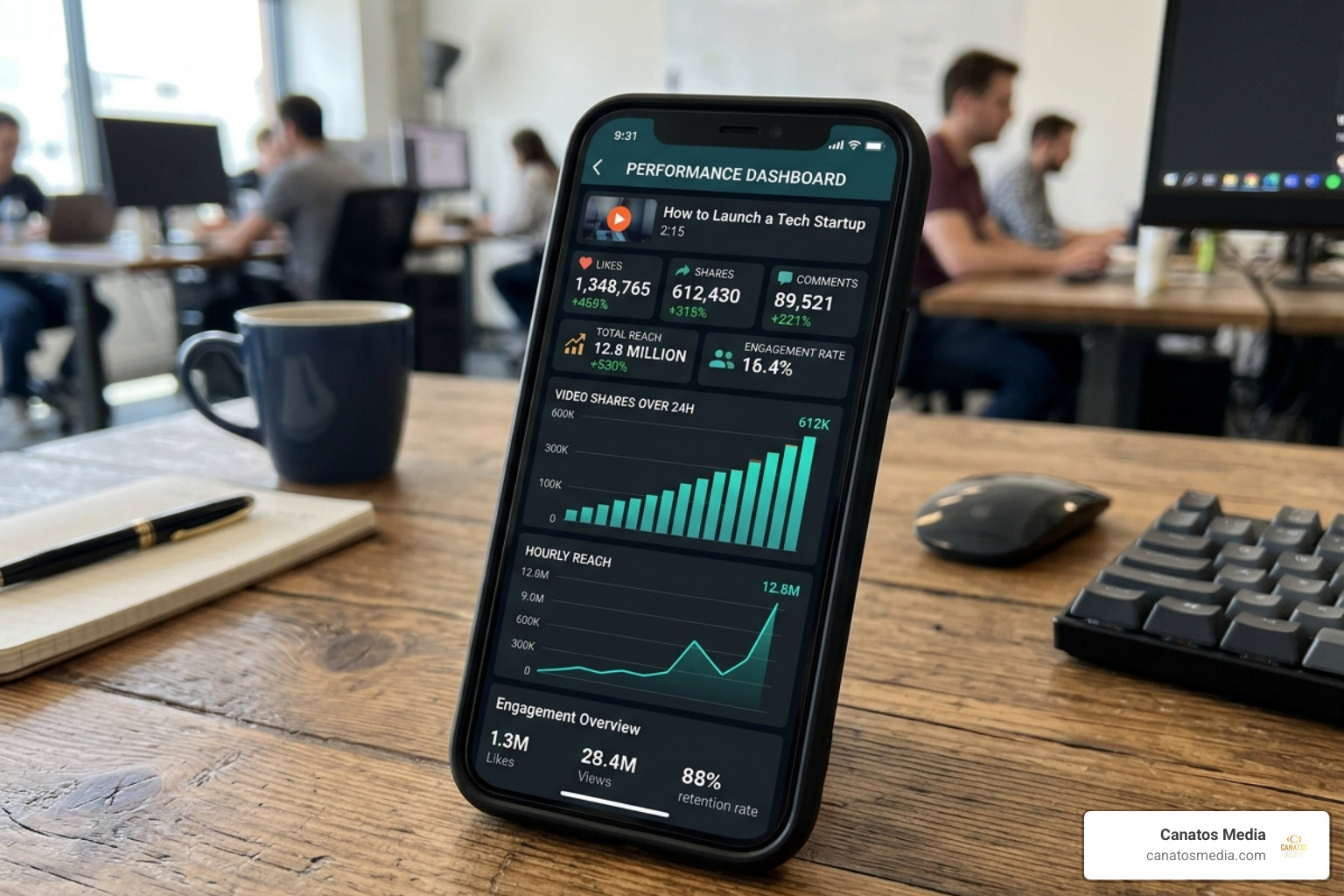
If you want to grow in 2026, you have to play by the algorithms’ rules. Currently, short-form video (Reels and TikTok) is king, driving 2 to 8 times more engagement than static images.
But engagement isn’t just about numbers; it’s about community. When a brand responds to a customer, it builds a bond. In fact, nearly three-quarters of consumers expect a response within 24 hours. If you want to see how social fits into the bigger picture of sales, check out our guide on the All-in-One Marketing Funnel.
Latest Trends for 2025 and 2026
- Centralized Command Centers: Brands are moving away from scattered tools and toward “all-in-one” platforms to reduce reporting time and increase efficiency.
- Social Commerce: The “Shop” button is no longer a luxury; it’s a necessity. Platforms are now full-funnel experiences where users discover, research, and buy without ever leaving the app.
- The Creator Economy: Authentic storytelling via influencers and creators is replacing traditional “polished” brand ads.
- Private Messaging: Much of the “social” part of social media has moved to DMs and private groups. Brands that master “conversational commerce” will win.
Measuring Success and Proving ROI
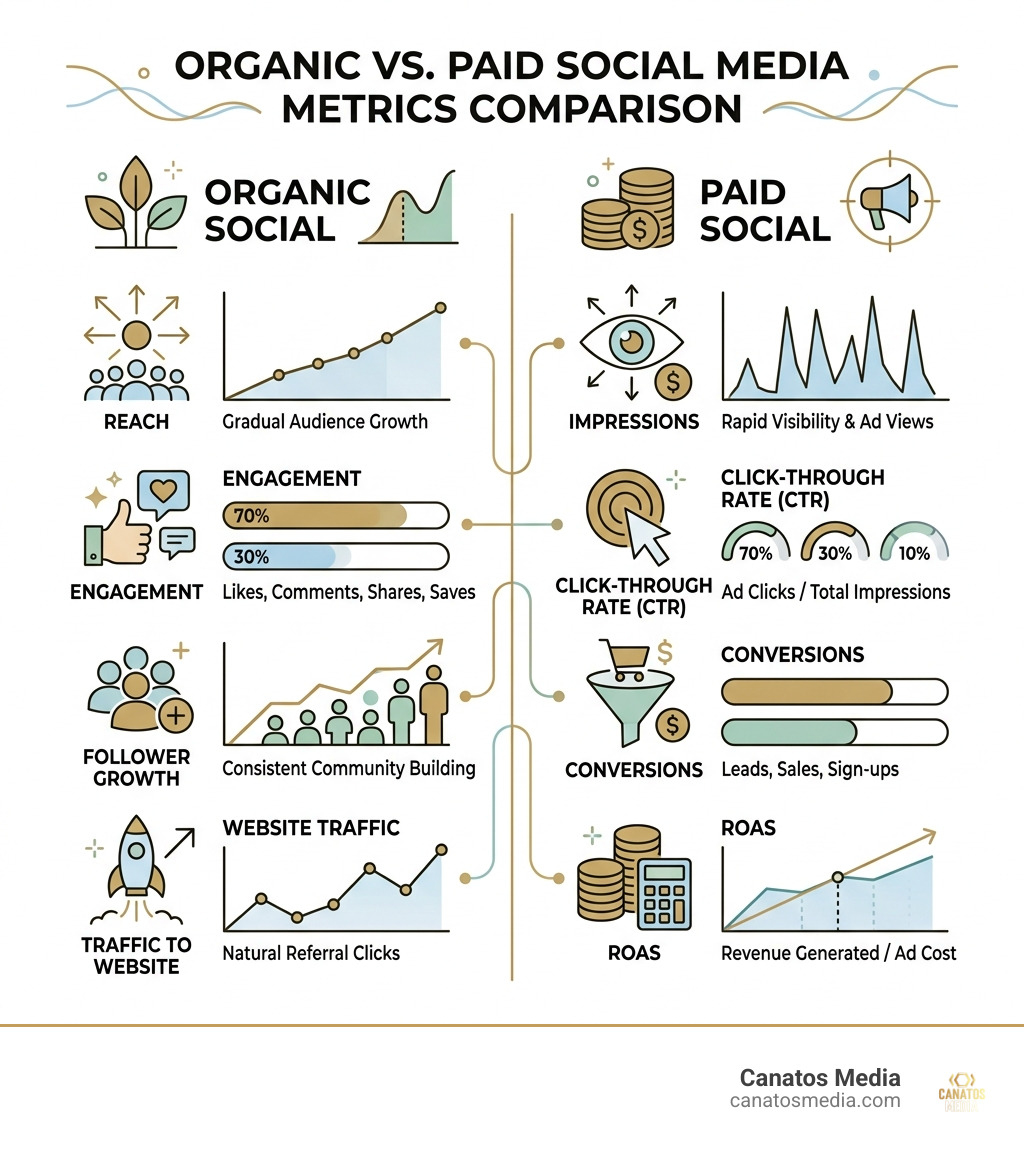
At the end of the day, your business needs to see a return. Whether you are a local shop on Long Island or a tri-state enterprise, you need to know: Is this making us money?
Leading brands using advanced social media management platforms have reported a 327% ROI according to Forrester Consulting. This isn’t magic; it’s the result of tracking the right Key Performance Indicators (KPIs).
Key Performance Indicators
- Engagement Rate: Are people actually interacting, or just scrolling past?
- Click-Through Rate (CTR): How many people are clicking from your post to your website?
- Customer Acquisition Cost (CAC): How much does it cost us in content and management to get one new customer?
- Response Time: How fast are we helping our customers?
- Share of Voice: How much of the “online conversation” in your industry do you own compared to your competitors?
For those looking to accelerate these results, combining organic management with Paid Social Media Advertising from Zero to Hero in One Hour is the fastest way to scale.
Frequently Asked Questions
How much time does social media management typically take?
If you’re doing it right, it’s a full-time job. Between content creation, community management, and daily monitoring, it can easily take 20-40 hours a week. However, with “batch scheduling” and automation tools, a business owner might spend 1-2 hours a day on basic maintenance—but they will likely miss out on the deeper growth that comes from professional oversight.
Should businesses hire a manager or handle it in-house?
It depends on your scale. Small, local businesses often start in-house to save costs. However, as you grow, the “opportunity cost” of a business owner spending 10 hours a week on Instagram becomes too high. Hiring an agency provides you with a team of experts (videographers, copywriters, and analysts) for often less than the cost of one full-time senior employee. This allows for better scalability and a more professional brand image.
What are common mistakes to avoid?
- Blind Trend-Jumping: Don’t do a “dance” just because it’s trending if it doesn’t fit your brand voice. It looks forced and confuses your audience.
- Ignoring Comments: This is the fastest way to kill your reach. The algorithm loves conversation; if you don’t talk back, it stops showing your content.
- Generic AI Copy: We’ve all seen it—the “In the ever-evolving landscape of…” captions. AI should be your draft, not your final post. Always add human personality.
- Inconsistent Posting: Posting five times in one week and then disappearing for a month tells the algorithm (and your customers) that you aren’t reliable.
Conclusion
Social media management in 2026 is no longer a “side task” for an intern; it is a business-critical function. It requires a blend of cinematic storytelling, rapid customer service, and deep data analysis.
At Canatos Media, we specialize in this integrated approach. We don’t just post; we create cinematic short-form videos that capture attention, manage your community to build trust, and run paid ads to ensure your content reaches the right people in the tri-state area.
Ready to turn your social media into a growth engine? Explore our All-in-One Social Content and Management services and let’s start building your brand’s future today.