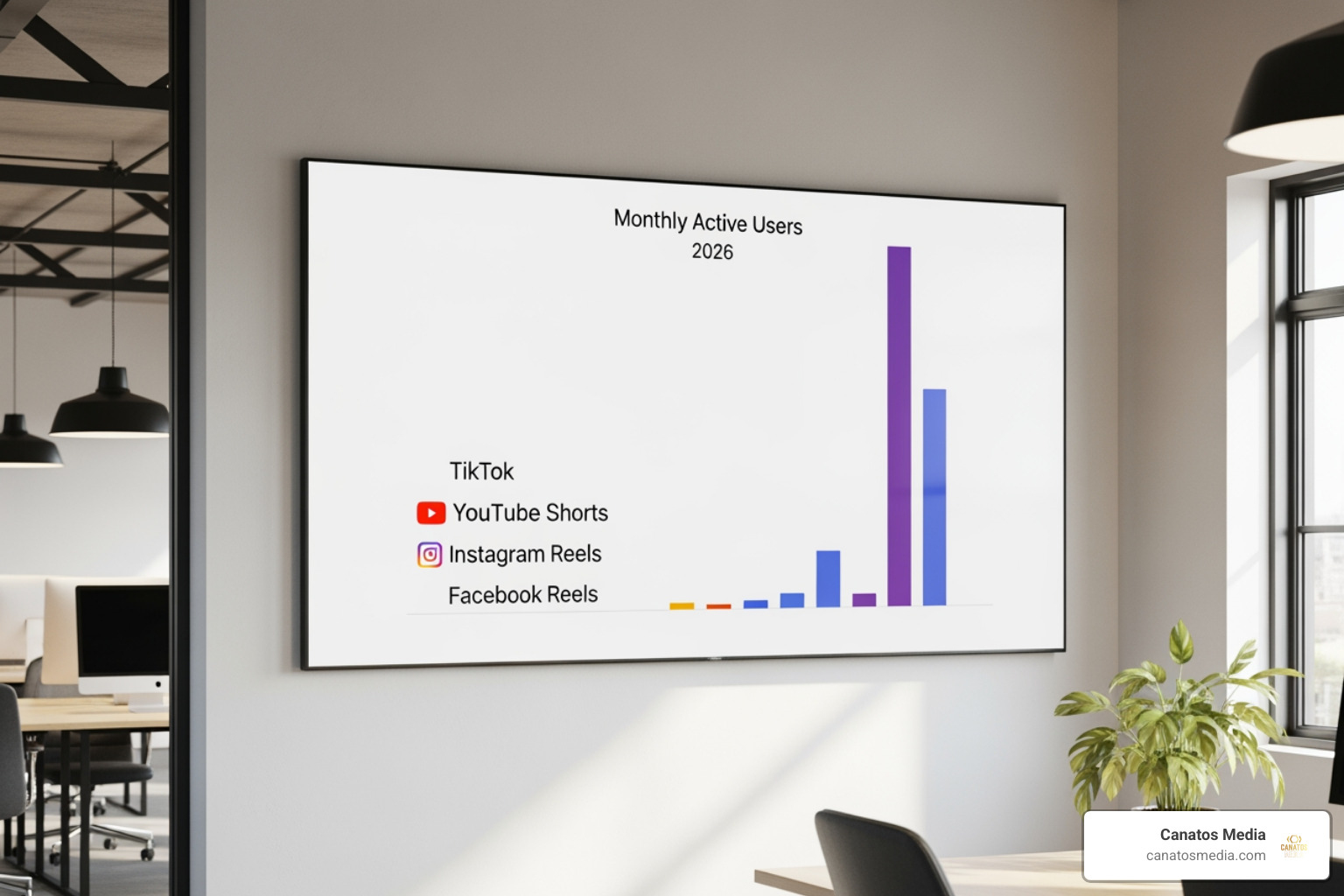
What are the most popular short-form video platforms by user base and engagement in 2026?
The short-form video landscape in 2026 is dominated by a few key players, each commanding massive user bases and significant engagement. These platforms are not just entertainment hubs; they are powerful engines for discovery, commerce, and community building. Understanding their scale is crucial for any creator or brand looking to make an impact.
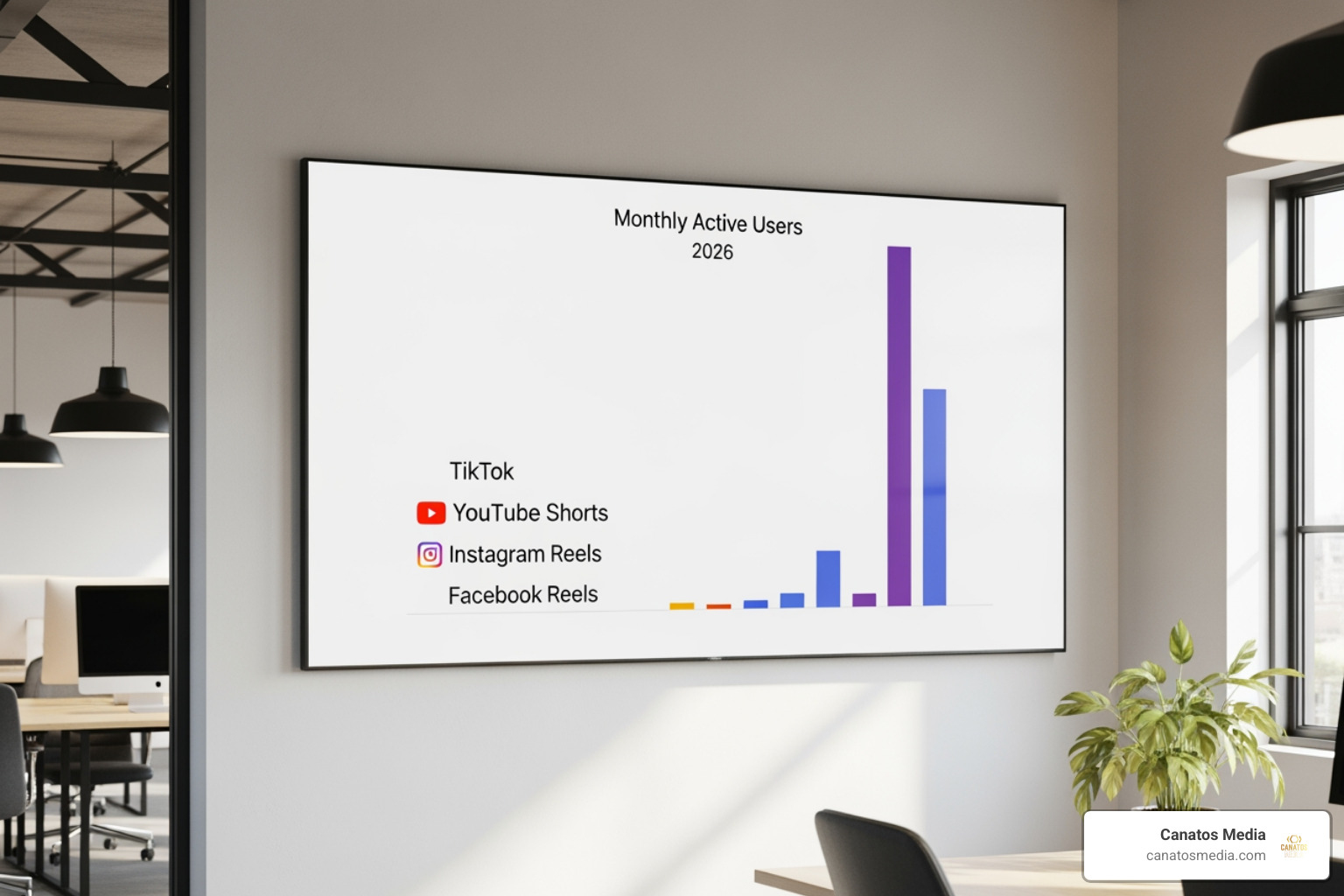
The Big Four: TikTok, YouTube Shorts, Instagram Reels, and Facebook Reels
These four platforms collectively represent the pinnacle of short-form video popularity. While their overall user numbers might reflect their parent companies’ broader ecosystems, their dedicated short-form video features are where the real action is.
- TikTok continues to be a cultural powerhouse, known for its highly engaging, content-first algorithm that drives rapid discovery.
- YouTube Shorts leverages YouTube’s massive global reach and search capabilities, offering content a longer shelf life and acting as a powerful funnel to long-form video.
- Instagram Reels integrates seamlessly into the Instagram ecosystem, making it a strong contender for community engagement and commerce.
- Facebook Reels, often underestimated, provides unparalleled reach, especially among older demographics, and offers unique opportunities for local businesses and niche communities.
The sheer volume of short-form video consumption highlights its importance. Globally, 1.6 billion people have actively engaged with short-form videos, accounting for a significant portion of the world’s population. This format isn’t just popular; it’s profoundly effective, consistently receiving 2.5 times more engagement than its long-form counterparts. This trend has not gone unnoticed by marketers, with ad spending on short-form videos projected to reach an astounding $1.04 trillion globally in 2026, marking a robust 5.1% year-over-year growth. For a deeper dive into these trends, you can explore the insights from Short-Form Video Statistics 2026 (TikTok, Reels & Shorts).
Key Statistics Highlighting Popularity
Let’s break down the numbers that underscore the dominance of these platforms in May 2026:
- TikTok: With approximately 1.8 billion monthly active users, TikTok boasts the highest average session time among short-form platforms, clocking in at an impressive 95 minutes. In the United States, adults are spending an average of 58.4 hours monthly on the platform, indicating deep integration into daily routines.
- YouTube Shorts: While YouTube’s overall user base stands at 2.7 billion, its Shorts feature is a massive contributor to engagement, generating 200 billion daily views. This scale underscores its role as a critical discovery engine within the broader YouTube ecosystem.
- Instagram Reels: Part of Instagram’s 2 billion monthly active users, Reels commands significant attention, with users spending an average of 53 minutes per session. This engagement highlights its effectiveness for visual content and community interaction.
- Facebook Reels: Backed by Facebook’s colossal 3.07 billion monthly active users, Reels offers an immense potential reach, particularly for audiences over 30, who are often overlooked by younger creators.
These statistics paint a clear picture: short-form video is not just a passing fad; it’s the dominant mode of content consumption, engagement, and advertising in 2026.
How do the leading short-form video platforms compare in algorithms, discovery, and audience demographics?
Understanding the distinct characteristics of each major short-form video platform is paramount for crafting an effective content strategy. While they all offer short-form video, their underlying algorithms, content discovery mechanisms, and primary audience demographics vary significantly. This diversity means a one-size-fits-all approach is rarely optimal. For a comprehensive comparison of these platforms, consider insights from What Are the Best Short-Form Video Apps?.
| Feature / Platform | TikTok | YouTube Shorts | Instagram Reels | Facebook Reels |
|---|---|---|---|---|
| Algorithm | Content-first (For You Page) | Search & Subscriber-driven | Follower-first (Social Graph) | Relationship & Interest-based |
| Discovery | Rapid virality, interest graph | Search, recommendations, browse | Existing followers, explore page | Groups, friends, recommendations |
| Audience | Gen Z (maturing to 35-49) | Broad (all age groups) | Younger adults (18-34) | Older demographics (30+) |
| Content Focus | Trends, entertainment, authentic | Educational, evergreen, tutorials | Aesthetic, lifestyle, commerce | Informative, local, community |
TikTok: The Discovery Engine
TikTok remains the undisputed “king of discovery” due to its powerful, content-first algorithm, often referred to as the For You Page (FYP). This algorithm excels at pushing content to users based on their interests, regardless of whether they follow the creator. This means even accounts with zero followers can achieve rapid virality, making it an ideal platform for brand awareness and testing new content ideas.
While initially known for its Gen Z dominance, TikTok’s audience has significantly matured. The fastest-growing segment in 2026 is the 35-49 age demographic, and it’s increasingly being used as a search engine for products and information. Content that thrives here is often trend-based, authentic, entertaining, and challenge-oriented, rewarding creativity and relatability over polished perfection.
YouTube Shorts: The Search & Longevity Powerhouse
YouTube Shorts leverages the immense power of YouTube’s search engine, making it a unique player in the short-form space. Its algorithm combines search intent with subscriber preferences and broader recommendations, giving content a much longer shelf life than on other platforms. A Short posted today can continue to accumulate views weeks or even months later, making it ideal for evergreen and educational content.
The audience on YouTube Shorts is incredibly broad, mirroring YouTube’s diverse user base across all age groups. It’s a fantastic platform for creators who want to build a sustainable content business, as Shorts can act as a “flywheel effect,” driving new subscribers and viewers to their longer-form videos. Tutorials, how-to guides, and quick educational snippets perform exceptionally well here.
Instagram Reels: Community & Commerce Hub
Instagram Reels operates with a more follower-first algorithm, prioritizing content from accounts users already follow or frequently interact with. This makes it a strong platform for nurturing existing communities and deepening engagement. While discovery through the Explore page is possible, content tends to perform best within established social graphs.
Instagram’s audience skews towards younger adults, often focused on aesthetics, lifestyle, and visual storytelling. Reels are deeply integrated with Instagram’s commerce features, including product tagging, in-app shopping, and direct messaging, making it a potent tool for direct-to-consumer (DTC) brands and creators focused on product showcases and affiliate marketing.
Facebook Reels: The Underrated Giant
Facebook Reels, often overlooked by younger creators, presents a significant untapped opportunity, especially for businesses targeting audiences over 30. With Facebook’s nearly 3 billion monthly active users, Reels offers a massive potential reach with relatively lower competition compared to other platforms.
The algorithm here tends to favor content that resonates within established relationships and interest groups, making it excellent for local businesses, community-focused content, and informative videos. For creators and brands seeking to engage older demographics or leverage Facebook Groups for hyper-targeted distribution, Facebook Reels is an incredibly effective, yet often underestimated, platform.
Canatos Media’s Expertise
At Canatos Media, we understand that each platform demands a tailored approach. Our team specializes in crafting cinematic short-form videos that are not only visually compelling but also strategically optimized for each platform’s unique algorithm and audience. Whether you’re aiming for rapid virality on TikTok, evergreen searchability on YouTube Shorts, community engagement on Instagram Reels, or broad reach on Facebook Reels, our Short-Form Video Production services are designed to ensure your content achieves maximum discovery and engagement. We work closely with businesses in the Tri-state area and Long Island to ensure their video content speaks directly to their target audience, wherever they may be.
Which short-form video platforms offer the best monetization opportunities for creators in 2026?
Monetization is a critical consideration for creators and brands investing in short-form video. In 2026, platforms have evolved their revenue-sharing models, creator funds, and commerce features to provide diverse pathways for earning income. While direct ad revenue is one component, in-app shopping, brand deals, and affiliate marketing play increasingly significant roles.

YouTube Shorts: Transparent Revenue Sharing
YouTube Shorts stands out with its transparent and scalable monetization model. Through the YouTube Partner Program, creators receive a 45% revenue share from ads shown in the Shorts feed. This makes it one of the most stable and predictable direct monetization options available. For creators focused on long-term income, Shorts can also act as a powerful funnel, driving viewers to their higher-CPM long-form content, significantly boosting overall earnings. The evergreen nature of content on YouTube also means videos can continue generating revenue months or years after being posted.
TikTok: Commerce and Creator Rewards
TikTok’s monetization landscape is diverse and rapidly expanding, especially with the growth of TikTok Shop. Creators can earn significant income through commissions on products sold directly within the app, either through their own storefronts or via affiliate links. The Creator Rewards Program, which replaced the Creator Fund, now structurally favors videos over 1 minute in length, offering payouts based on qualified views. Beyond direct platform programs, brand partnerships and live shopping events are major revenue streams, capitalizing on TikTok’s immense influence on consumer purchasing decisions. For more detailed statistics on TikTok’s monetization, refer to 31 TikTok Statistics to Know for 2026.
Instagram Reels: Bonuses and Integrated Shopping
Instagram Reels offers creators various monetization opportunities, primarily through performance-based bonuses and deeply integrated commerce features. Reels Play bonuses reward creators for achieving certain view milestones. More importantly, Instagram’s robust shopping ecosystem allows for direct product tagging, affiliate marketing, and seamless integration with Instagram Shop, making it highly effective for direct-to-consumer (DTC) brands and creators who showcase products. The platform’s emphasis on visual aesthetics and lifestyle content makes it ideal for driving sales through aspirational product placement.
Facebook Reels: In-Stream Ads and Stars
Facebook Reels provides monetization through in-stream ads that appear within or around video content, sharing revenue with eligible creators. Additionally, viewers can support their favorite creators by sending “Stars,” a virtual currency that translates into real earnings. While perhaps not as flashy as TikTok Shop or YouTube’s revenue share, Facebook’s vast user base and strong community features create opportunities for brand collaborations and sponsored content, particularly for creators targeting specific niche communities or local audiences in areas like the Tri-state area and Long Island.
How have short-form video features evolved, and what role do emerging platforms play in 2026?
The short-form video landscape is anything but static. In 2026, we’ve witnessed significant evolution in core platform features and the emergence of new players, all vying for creator and audience attention. These changes underscore the dynamic nature of the industry and the need for creators and brands to stay agile. For a comprehensive look at these shifts, check out Short-Form Video Trends 2026 — TikTok, Reels & Shorts.

Evolution of Core Platform Features
- Longer Video Lengths: The definition of “short-form” has expanded considerably. Both YouTube Shorts and Instagram Reels have extended their maximum video length to 3 minutes, blurring the lines with mid-form content. TikTok has pushed even further, allowing videos up to 10 minutes. This shift reflects a growing demand for more in-depth storytelling and educational content within the vertical format.
- AI Tools: Artificial intelligence has permeated every aspect of content creation. AI-powered editing, automatic captioning, script generation, and even full video creation tools are now commonplace, streamlining production workflows and making content creation more accessible. However, platforms are increasingly rewarding authentic, human-created content and penalizing what’s often referred to as “AI slop”—low-quality, generic AI-generated videos. This means AI is best utilized as an assistant, not a replacement for genuine creativity.
- Cross-Posting Norm: Multi-platform distribution has become the standard. Creators understand that to maximize reach and diversify algorithmic risk, they must post content across multiple platforms. This has led to a best practice of customizing captions, hashtags, and calls-to-action for each platform’s unique audience and, crucially, removing watermarks from videos before cross-posting to avoid potential reach suppression.
The Rise of Emerging Platforms
While the “Big Four” dominate, several emerging platforms are carving out their niches and offering new opportunities for creators and brands:
- Snapchat Spotlight: Continuing its focus on younger demographics (13-24), Snapchat Spotlight remains relevant with its unique augmented reality (AR) lenses and ephemeral content, providing a distinct space for playful and interactive videos.
- LinkedIn Video: LinkedIn has introduced a vertical video feed, creating a high-engagement opportunity for B2B thought leaders and professionals. With relatively low competition, it’s an excellent platform for sharing industry insights, career advice, and professional development content.
- Threads: Meta’s text-based platform has quickly gained traction, and its integration of short-form video, often combined with text commentary, offers a fresh space for authentic, conversational content.
- Lemon8, WeAre8, RedNote: These platforms represent a new wave of niche social media. Lemon8 blends short-form video with lifestyle and commerce, WeAre8 focuses on ethical advertising and social impact, and RedNote is gaining significant traction for lifestyle and e-commerce videos, particularly in Asian markets, though its influence is expanding.
These evolving features and emerging platforms highlight a dynamic and competitive landscape, where adaptability and strategic content deployment are key to staying ahead.
What is the recommended multi-platform strategy for creators and brands in 2026?
In 2026, the question is no longer if you should be on short-form video, but how you effectively manage your presence across multiple platforms. The smartest creators and brands are not choosing just one platform; they are embracing a multi-platform strategy. This approach is essential for diversifying risk, maximizing reach, and tailoring content to resonate with distinct audiences on each channel. For more insights into this strategy, refer to Battle of the Bites: Most Popular Short-Form Content Platforms.
Why a Multi-Platform Approach is Essential
The core reason for a multi-platform strategy is simple: audiences and algorithms differ significantly. A video that might not gain traction on TikTok could unexpectedly go viral on Facebook Reels, or an educational clip that performs modestly on Instagram Reels might find a long-tail audience on YouTube Shorts. Relying on a single platform exposes you to the whims of one algorithm and limits your potential audience. By distributing content across multiple channels, you:
- Diversify Algorithmic Risk: Protect yourself from algorithm changes that might suddenly reduce your reach on one platform.
- Maximize Total Reach: Access different audience segments that prefer specific platforms. Creators posting to three or more platforms often achieve 4-5 times the total reach of single-platform creators.
- Optimize Engagement: Tailor content to the native culture and expectations of each platform, leading to higher engagement.
- Expand Monetization Opportunities: Leverage diverse revenue streams from various platforms.
Actionable Steps for Multi-Platform Success
Implementing a successful multi-platform strategy requires more than just reposting. It demands thoughtful adaptation and optimization:
- Content Testing: We often recommend testing new content ideas on TikTok first. Its content-first algorithm allows for rapid discovery and quick feedback on what resonates. Once a concept proves successful, it can then be adapted and distributed to other platforms.
- Customization is Key: Never simply re-upload the exact same video with the same caption. Customize captions, hashtags, and calls-to-action to match each platform’s unique culture and audience expectations. What works on TikTok might feel out of place on LinkedIn.
- Watermark Removal: Always upload clean, watermark-free files. Platforms like Instagram and YouTube are known to suppress the reach of videos containing watermarks from competitors (e.g., TikTok’s logo). Invest in tools or editing processes to ensure your content is pristine for each upload.
- Platform-Specific Optimization:
- YouTube Shorts: Focus on creating evergreen content that answers searchable questions. Optimize titles and descriptions with relevant keywords to leverage YouTube’s search capabilities for long-tail traffic.
- Instagram Reels: Prioritize aesthetic appeal, strong visuals, and direct calls-to-action for commerce. Leverage features like product tagging and interactive stickers.
- Facebook Reels: Target specific Facebook Groups where your audience congregates. Create informative, community-focused content that encourages discussion and shares among older demographics.
- Strategic Expansion: While it’s tempting to be everywhere, we advise mastering the “Big Four” (TikTok, YouTube Shorts, Instagram Reels, and Facebook Reels) before expanding into more niche or emerging platforms like Snapchat Spotlight or LinkedIn Video. Focus your efforts where your primary audience is most active.
Canatos Media’s Integrated Strategy
At Canatos Media, we specialize in helping brands implement a robust multi-platform short-form video strategy. We don’t just create compelling, cinematic content; we manage its strategic distribution across all relevant platforms, ensuring your message resonates with diverse audiences and drives measurable results. Our expertise in Short-Form Content Strategy: Why Agencies Outperform Freelance Marketplaces ensures a cohesive and effective approach that connects content, targeting, and conversions for businesses in the Tri-state area and Long Island. We provide the integrated strategy needed to navigate this complex ecosystem and achieve your marketing goals.
Frequently Asked Questions about Short-Form Video Platforms in 2026
Which platform is best for rapid growth from zero followers in 2026?
TikTok remains the king for rapid discovery and growth from zero followers due to its powerful, content-first For You Page algorithm. This algorithm excels at pushing engaging content to users based on their interests, regardless of whether they follow the creator, allowing new accounts to achieve virality quickly.
Does YouTube Shorts pay more than TikTok in 2026?
Generally, YouTube Shorts offers a more stable and scalable direct ad revenue sharing path through its 45% revenue share model, often leading to higher and more consistent payouts compared to TikTok’s Creator Rewards Program. While TikTok offers significant earnings through TikTok Shop and brand deals, YouTube’s direct revenue share combined with the potential to funnel viewers to higher-CPM long-form content often provides a more reliable and substantial income stream for many creators.
What is the optimal video length for short-form content in 2026?
The definition of “short-form” has expanded significantly. While TikTok still thrives on 15-30 second clips for rapid virality, optimal lengths vary by platform and content type. For YouTube Shorts, 60-90 seconds is often ideal for educational or evergreen content. Instagram Reels typically sees strong engagement with videos between 30-60 seconds. TikTok itself now supports videos up to 10 minutes, with the Creator Rewards Program favoring content over 1 minute. The key metric to focus on is completion rate, not just arbitrary length. A shorter, highly engaging video that viewers watch to the end will outperform a longer video that viewers swipe past quickly.
Conclusion
The short-form video landscape in 2026 is dynamic, competitive, and ripe with opportunity. While TikTok, YouTube Shorts, Instagram Reels, and Facebook Reels continue to dominate, their algorithms, audience demographics, and monetization models are constantly evolving. For creators and brands, success hinges on a strategic, multi-platform approach, leveraging each platform’s unique strengths and adapting content to its specific demands. By understanding these nuances and embracing tools and strategies for efficient content creation and distribution, you can effectively capture attention, build communities, and drive conversions in the ever-expanding world of short-form video. To truly excel, consider partnering with experts like Canatos Media, who can provide comprehensive Short-Form Video Production and strategic guidance to navigate this complex ecosystem.