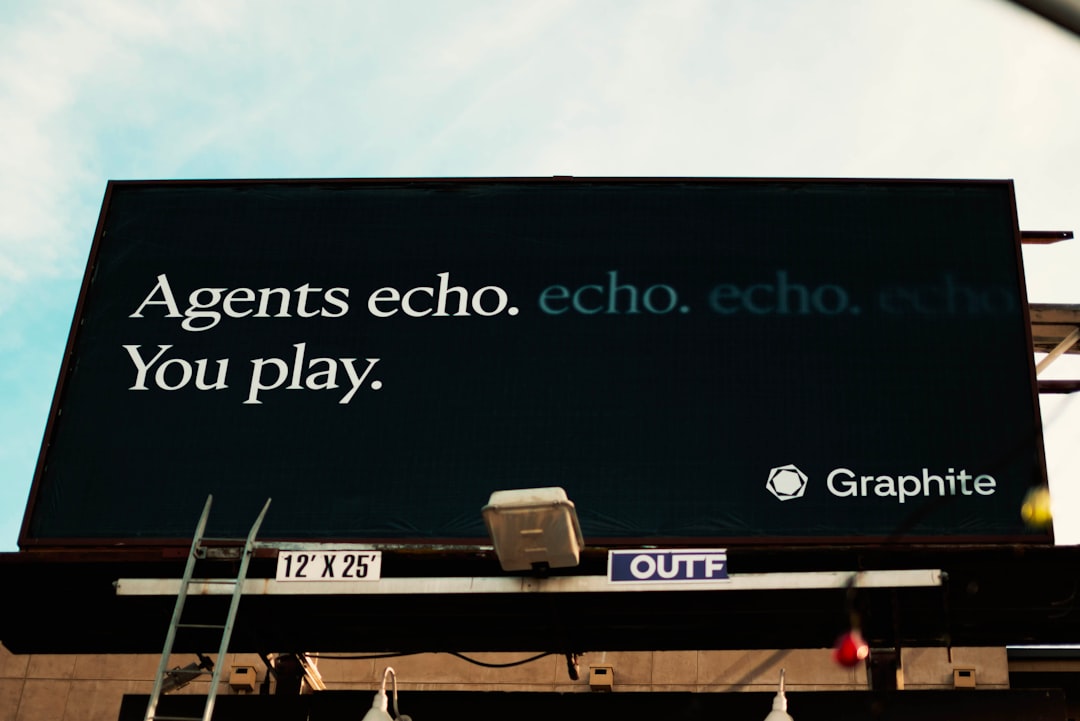
Why Most Brands Stay Invisible — And What the Best Campaigns Do Differently
Brand awareness marketing campaigns are the engine behind why you reach for one product over another — even when a cheaper option sits right next to it on the shelf.
Here’s a quick look at what they are and why they work:
| Question | Quick Answer |
|---|---|
| What is a brand awareness campaign? | A coordinated effort to make more people recognize, recall, and trust your brand |
| Why does it matter? | 69% of consumers prefer buying from a familiar brand over the cheapest option |
| What makes a campaign work? | Consistent messaging, emotional connection, and showing up where your audience already is |
| How do you measure success? | Social engagement, website traffic, search volume for your brand name, and brand recall surveys |
| Who can run one? | Any business — from Fortune 500 to a local shop with a tight budget |
Think about this: when you need a tissue, you probably ask for a Kleenex. That’s not an accident. It’s the result of decades of intentional brand awareness work. The goal of every great campaign is to own a piece of your customer’s mental real estate before they ever decide to buy.
In May 2026, with consumer attention more fragmented than ever across streaming, short-form video, and social platforms, the brands that win aren’t always the ones with the biggest budgets. They’re the ones with the sharpest stories and the most consistent presence.
I’m Nic Canobbio, founder of Canatos Media, and I’ve spent over two decades producing content and building media strategies — including spearheading campaigns that generated over 60 million social media views — so I know what separates brand awareness marketing campaigns that stick from the ones that disappear into the noise. Below, I’ll break down real campaigns you can actually learn from, along with the strategies and metrics that make them work.
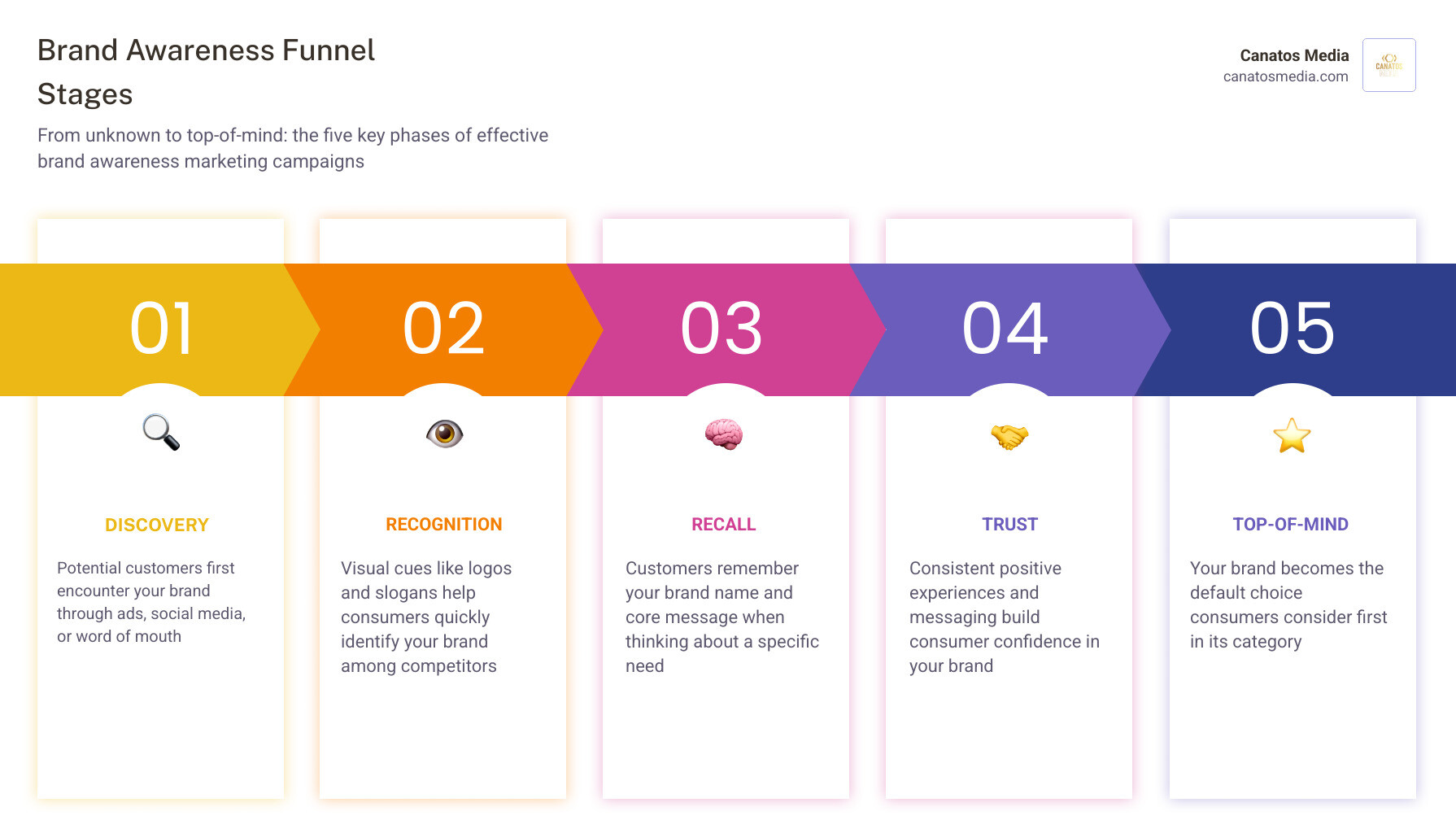
Why Brand Awareness Marketing Campaigns Matter in 2026
As we navigate the middle of 2026, the marketplace is no longer just about who has the best product; it’s about who has the best relationship with the consumer. Building brand awareness is the first step in the All-in-One Marketing Funnel, acting as the foundation for every lead generated and every sale closed.
Why is this so critical right now? Because brand equity — the value consumers perceive in your name alone — has reached record heights. In 2024, the world’s top 100 brands saw their aggregate value jump over 20% to a staggering $8.3 trillion. People aren’t just buying “stuff”; they are buying into identities. In fact, 79% of consumers are more likely to purchase from brands whose values align with their own.
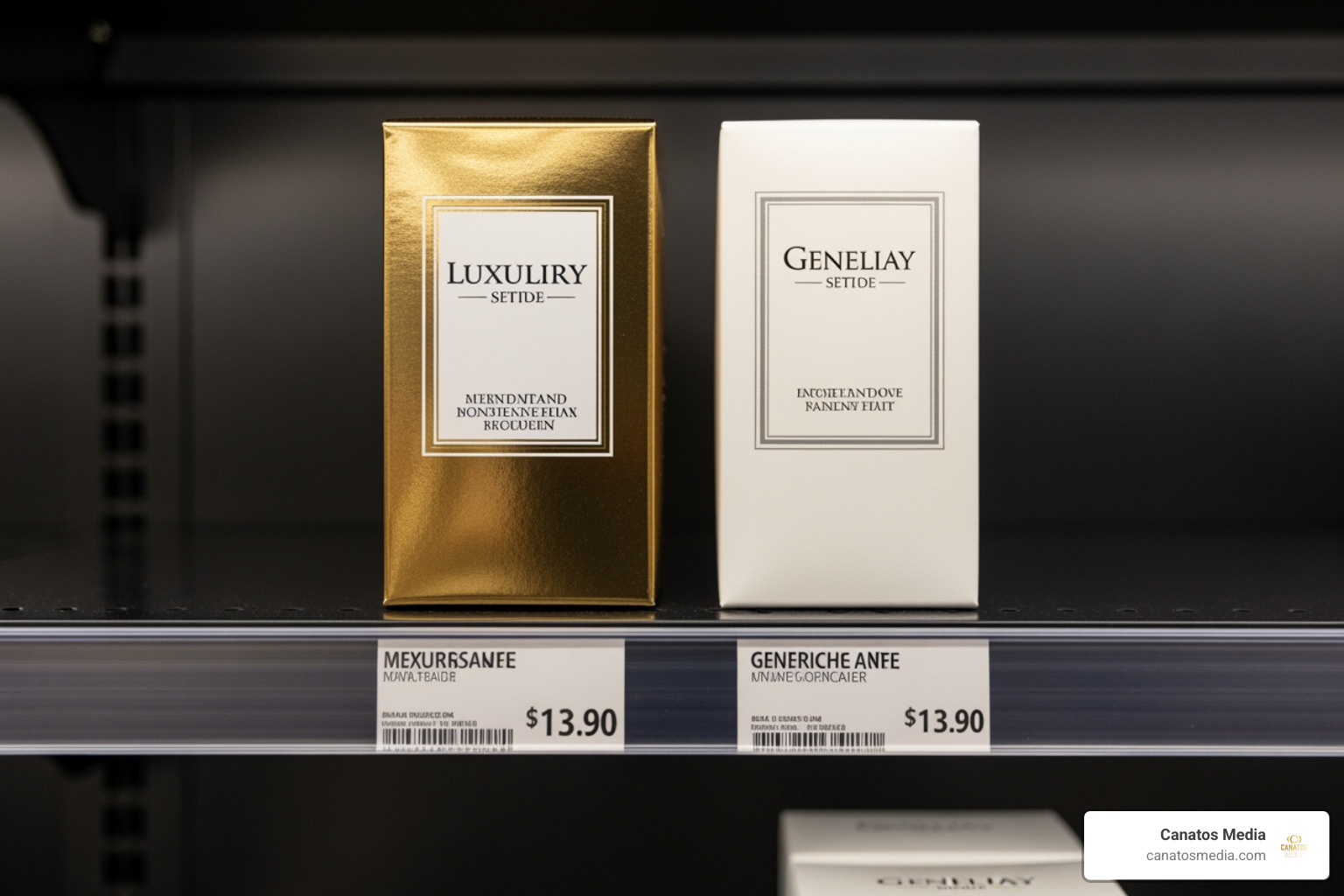
When brand awareness marketing campaigns succeed, they create “proprietary eponyms.” This is the holy grail of marketing where your brand name becomes the generic term for the product. Think of “Googling” a question or “Ubering” to a restaurant in Manhattan. This level of name recall allows businesses to charge premium prices. Research shows that 5 out of 10 consumers are willing to spend extra for a brand with an appealing image, even if a generic version exists for less.
The Difference Between Recognition and Brand Awareness Marketing Campaigns
It is common to use these terms interchangeably, but in creative digital marketing agencies, they represent two different levels of consumer psychology.
- Brand Recognition: This is the “I’ve seen that before” phase. It relies on visual cues like your logo, your specific shade of blue, or a catchy jingle. It’s the ability of a customer on Long Island to spot your storefront or your social media ad and know it’s you.
- Brand Awareness: This goes much deeper. It’s the “I know what they stand for” phase. It involves an emotional connection and an understanding of your brand’s attributes. While recognition is about the eyes, awareness is about the mind and heart.
Effective brand awareness marketing campaigns bridge this gap. They take a logo and infuse it with meaning, ensuring that when a customer sees your brand, they don’t just recognize the shape — they recall your values, your quality, and how your product makes their life better.
8 Standout Brand Awareness Marketing Campaigns to Study
To understand how to move the needle for your own business, we have to look at the brands that are currently “winning” the attention war. These examples range from global giants to clever niche players.
1. Heinz: “Look Familiar?”

In late 2025, Heinz launched a brilliant campaign that turned every fry box in the world into a hidden billboard. They realized that the trapezoid shape of a standard French fry container perfectly matches the Heinz keystone logo. By simply pointing this out through minimalist photography, they leveraged a pre-existing consumer behavior. It didn’t feel like an ad; it felt like a discovery.
2. Sydney Sweeney x American Eagle
American Eagle’s collaboration with Sydney Sweeney is a masterclass in Gen Z targeting. By using a celebrity with genuine brand affinity, they saw their stock price jump 10% within 24 hours of the launch. They didn’t just post photos; they integrated AR try-on lenses and shoppable social edits, proving that modern awareness is interactive.
3. Subaru: #MakeADogsDay
Subaru has long aligned itself with pet lovers. Their #MakeADogsDay campaign used a “Tease, Reveal, Sustain” framework on social media to promote pet adoption. By focusing on a cause rather than a car, they achieved 100% positive sentiment and over 10 million video views, cementing their image as a brand that cares.
4. Taco Bell: Freeing “Taco Tuesday”
When Taco Bell challenged a long-standing trademark on the phrase “Taco Tuesday,” they turned a legal battle into a social justice movement for foodies. This campaign generated 21 billion earned media impressions. They showed that being a “challenger brand” is a powerful way to stay top-of-mind.
5. Sheba: “Ignored to Adored”
Cat owners know the struggle of being “ghosted” by their pets. Sheba’s campaign leaned into this relatable pain point, offering a 12-day program to win over a feline’s affection. It was funny, relatable, and perfectly positioned their product as the solution to a common emotional hurdle.
6. CeraVe: “Face of Legs”
Taking a cue from viral internet culture, CeraVe partnered with NBA star Kevin Durant (who had previously been teased online for having dry skin). By leaning into the joke and naming him the “Face of Legs,” CeraVe destigmatized skin care for men and expanded their awareness beyond just facial products.
7. Spotify Wrapped
Every December, Spotify turns its users into its marketing department. By providing personalized, shareable data stories, they create a viral loop that dominates social media for a week. This is experiential awareness at its finest — making the consumer the hero of the brand story.
8. Dropbox: The Referral Engine
Though an older example, Dropbox’s referral program remains a gold standard. By offering extra storage for every friend invited, they grew their customer base by 3,900%. This proves that awareness doesn’t always need a billboard; sometimes, it just needs a great incentive for word-of-mouth. At Canatos Media, we often use video marketing to amplify these kinds of referral wins for our clients.
Strategies for Building Brand Awareness on Any Budget
You don’t need a Super Bowl budget to make an impact. Whether you are a local business in the Tri-State area or a growing national brand, the principles of integrated marketing remain the same.
Organic and Content-Driven Brand Awareness Marketing Campaigns
Organic growth is about playing the long game. It’s about building authority so that when a customer is ready to buy, you are the first name they think of.
- Content Marketing: 87% of B2B marketers say content is their top awareness driver. This includes blog posts, infographics, and short-form video.
- SEO: If you aren’t on the first page of Google, you don’t exist to most consumers. Proper SEO ensures your brand appears when people search for solutions to their problems.
- Social Media Engagement: Don’t just post and ghost. Interact with your followers. 49% of U.S. consumers say friends and family are their top sources of brand discovery — social media is the modern “backyard fence” where these recommendations happen.
- Employee Ambassadors: Your team is your greatest asset. When employees share company culture and wins on their personal LinkedIn or Instagram, it humanizes the brand and expands reach exponentially.
Paid and Experiential Tactics
If organic is the slow burn, paid tactics are the gasoline.
- Influencer Partnerships: This is no longer just for fashion brands. 61% of consumers aged 18-34 have been convinced to buy something by an influencer. The key is finding partners whose values match yours.
- Retargeting: Ever visit a website and then see their ads everywhere? That’s retargeting. It keeps your brand top-of-mind for people who have already shown interest, preventing them from forgetting you.
- Cinematic Video: In 2026, static images are easily ignored. We specialize in high-end video production because cinematic storytelling stops the scroll.
- AR and 3D Billboards: For brands with larger budgets, immersive experiences like AR try-ons or 3D billboards in high-traffic areas (like Times Square) create “wow” moments that are highly shareable on social media.
Measuring the ROI of Your Brand Awareness Efforts
The biggest myth in marketing is that brand awareness can’t be measured. While it’s not as direct as a “Buy Now” button, we use several metrics to track growth.
| Metric Type | What to Track | Why it Matters |
|---|---|---|
| Quantitative | Website Traffic & Direct Hits | Shows how many people are looking for you by name. |
| Quantitative | Social Reach & Mentions | Measures the size of the conversation around your brand. |
| Qualitative | Brand Recall Surveys | Asks consumers: “Which brands come to mind for [Product]?” |
| Qualitative | Sentiment Analysis | Tracks if the conversation around your brand is positive or negative. |
| Advanced | New-to-Brand Metrics | Amazon and other platforms now track if a sale came from a first-time customer. |
By using tools like Google Trends, social listening software, and Brand Lift studies, we can see exactly how brand awareness marketing campaigns impact the bottom line over time. We often integrate website design with video data to see how increased awareness translates into higher on-site conversion rates.
Frequently Asked Questions about Brand Awareness
How do you measure brand awareness success?
We look at a combination of “hard” and “soft” data. Hard data includes increases in branded search volume (people typing your name into Google) and direct website traffic. Soft data comes from social listening and surveys that measure brand recall and sentiment.
What is the difference between brand awareness and brand recognition?
Recognition is purely visual — like recognizing a logo on a hat. Awareness is the deeper understanding of what the brand does, its reputation, and its values. You want recognition to get them to look, but you need awareness to get them to buy.
Can small businesses build brand awareness with limited budgets?
Absolutely. Small businesses can win by dominating “Local SEO” and being highly active in their specific community. Referral programs are also incredibly cost-effective. A well-placed QR code on offline marketing materials or a partnership with another local business can drive significant awareness without a massive ad spend.
Conclusion
In the fast-moving landscape of May 2026, brand awareness marketing campaigns are the difference between being a commodity and being a community staple. Whether you are leveraging the viral power of short-form video or the steady growth of SEO, consistency is your best friend.
At Canatos Media, we don’t believe in marketing for the sake of “likes.” We believe in integrated strategies that connect cinematic content with precision targeting to drive measurable growth. From the Tri-State area to Long Island, we help businesses move from “invisible” to “indispensable.”
Ready to stop ghosting your audience and start a conversation that converts? Let’s build something that sticks.