Category: Ad Management

  • Battle of the Bites: Most Popular Short-Form Content Platforms

    Battle of the Bites: Most Popular Short-Form Content Platforms

    The Short-Form Video Race: Which Platforms Win in 2026?

    The most popular short-form content platforms right now are:

    Rank Platform Monthly Active Users Best For
    1 TikTok ~2 billion Discovery, Gen Z, shopping
    2 YouTube Shorts 2+ billion SEO, long-form funneling
    3 Instagram Reels ~1.8 billion Brands, Millennials, aesthetics
    4 Snapchat Spotlight Teen audiences, AR
    5 LinkedIn Video B2B, professional content

    Scroll is the new prime time. In 2026, short-form video is where attention lives — and where buying decisions get made fast.

    Think about this: nearly 1 in 4 people have made a purchase within three minutes of watching a short video. That’s not browsing. That’s impulse buying at digital speed.

    For local businesses trying to grow online, this shift is both an opportunity and a challenge. There are more platforms than ever. Each one has a different audience, a different algorithm, and a different set of rules.

    The question isn’t just “should I be on short-form video?” — it’s “which platform is actually worth your time and budget?”

    This guide breaks it all down.

    I’m Nic Canobbio, founder of Canatos Media, and with over two decades in media production and content strategy — including social content that has surpassed 60 million views — I’ve spent years studying what works across the most popular short-form content platforms. Let’s get into it.

    Infographic showing evolution of video length from Vine's 6 seconds in 2013 to TikTok's 10 minutes in 2026 - most popular

    Defining the Short-Form Video Revolution

    What exactly makes a video “short-form” in May 2026? While the definitions have stretched over the years, the core remains the same: it is vertical content (9:16 aspect ratio) designed for mobile-first consumption. These videos are typically under 60 seconds, though platforms now allow for longer durations to accommodate deeper storytelling.

    The appeal lies in “micro-moments.” We are living in a culture of instant gratification. Whether someone is waiting for a train in Manhattan or grabbing a coffee on Long Island, they are likely scrolling. This behavior has led to staggering engagement stats. For instance, Gen Z users now spend an average of 528 hours annually on TikTok—that is nearly 22 full days of their year spent inside a single app.

    This revolution has fundamentally changed how we shop. Short-form video is the king of impulse purchasing. Research shows that 51% of people cite TikTok’s content as their top influencer for unplanned buys. This is driven by User-Generated Content (UGC) and “sludge content”—multi-pane videos that keep the brain stimulated—alongside micro-storytelling that hooks the viewer within the first three seconds.

    When we look at the most popular short-form content platforms globally, three giants dominate the conversation. While they share the vertical format, their algorithms and monetization paths differ significantly.

    Comparison of engagement rates across TikTok, Reels, and YouTube Shorts - most popular short-form content platforms

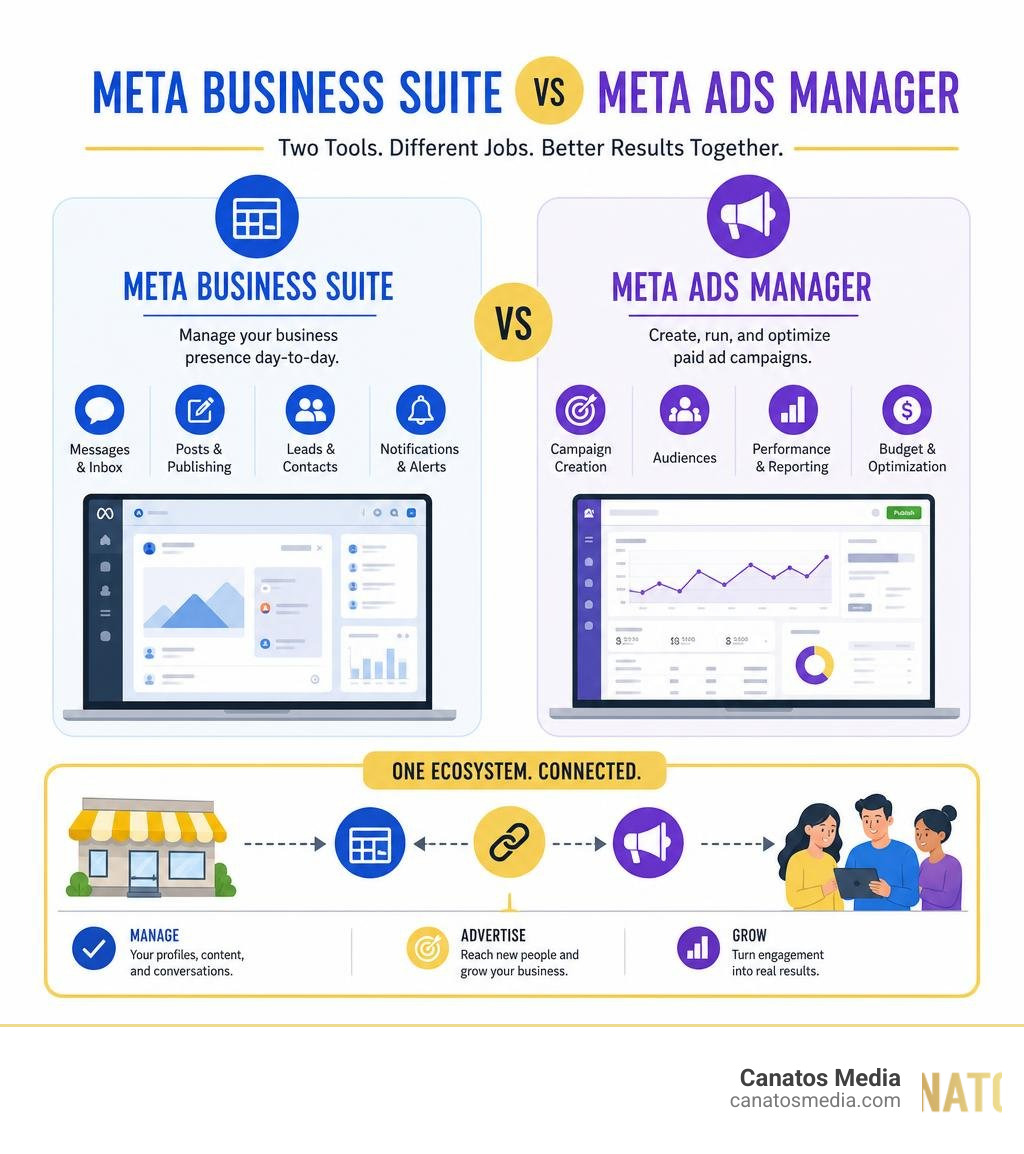
    Successfully navigating these requires more than just posting; it requires All-in-One Social Content and Management to ensure your brand voice stays consistent while the algorithms do the heavy lifting.

    TikTok remains the heavyweight champion of discovery. With roughly 2 billion monthly active users, its “For You Page” (FYP) is the gold standard for algorithmic personalization. Unlike older social media that relied on who you followed, TikTok shows you what you actually like.

    For businesses, the TikTok Global Community offers a massive marketplace. In the US and Indonesia (the platform’s two largest markets), TikTok Shop has turned the app into a full-scale e-commerce engine. The demographics are slightly female-skewed (53%), with a massive 38.5% of the user base falling in the 18-24 age bracket. If you want to go viral through music remixing and fast-moving trend cycles, this is the place to be. You can find the app on the App Store or Google Play to see the latest trends in action.

    YouTube Shorts has exploded, reaching over 200 billion daily views. Its secret weapon? It is owned by the world’s second-largest search engine. This gives Shorts an SEO advantage that TikTok and Reels can’t match.

    YouTube Shorts are now allowed to be up to three minutes long, providing more room for “how-to” content and product demos. The audience here leans male (56%) and is particularly strong in India and the US. For brands, Shorts act as a “top-of-funnel” tool, driving viewers toward longer, high-conversion videos or Paid Social Media Advertising from Zero to Hero in One Hour strategies. It’s the perfect blend of quick entertainment and searchable information.

    Instagram Reels: The King of Aesthetic and Brand Integration

    Instagram Reels remains the preferred home for high-end aesthetic content and established brands. With 1.8 billion users, Reels benefits from a deep integration with Facebook, allowing for a combined reach of over 140 billion daily plays.

    While TikTok is about “raw” and “authentic,” Reels is often where professional editing and visual storytelling shine. It is the go-to for Millennial audiences and luxury brands in the tri-state area looking for influencer marketing partnerships. Through Instagram Shopping, the path from “seeing a beautiful product” to “checking out” is seamless. For businesses, it’s about maintaining that polished brand image while tapping into the viral nature of short-form video.

    Beyond the Giants: Niche and Emerging Platforms

    While the “Big Three” take up most of the oxygen, several other platforms offer unique opportunities for specific niches.

    • Snapchat Spotlight: Still a powerhouse for reaching younger Gen Z and Alpha demographics, particularly through AR (Augmented Reality) lenses.
    • LinkedIn Video: A rising star for B2B thought leaders. Short, professional videos here often see much higher engagement than text posts.
    • Pinterest Idea Pins: Unlike the nature of TikTok, Pinterest offers evergreen discovery. A video about home decor or DIY can continue to drive traffic for months.
    • Lemon8: A blend of Pinterest aesthetics and TikTok-style storytelling, popular in lifestyle and beauty niches.
    • Clapper: Often called the “TikTok for adults,” it targets a 30+ audience with a focus on community and less emphasis on high-energy trends.
    • Divine: A fascinating newcomer. Divine: Human-first AI-free social media is a six-second looping app that bans AI-generated “slop” and restores the spirit of the original Vine.

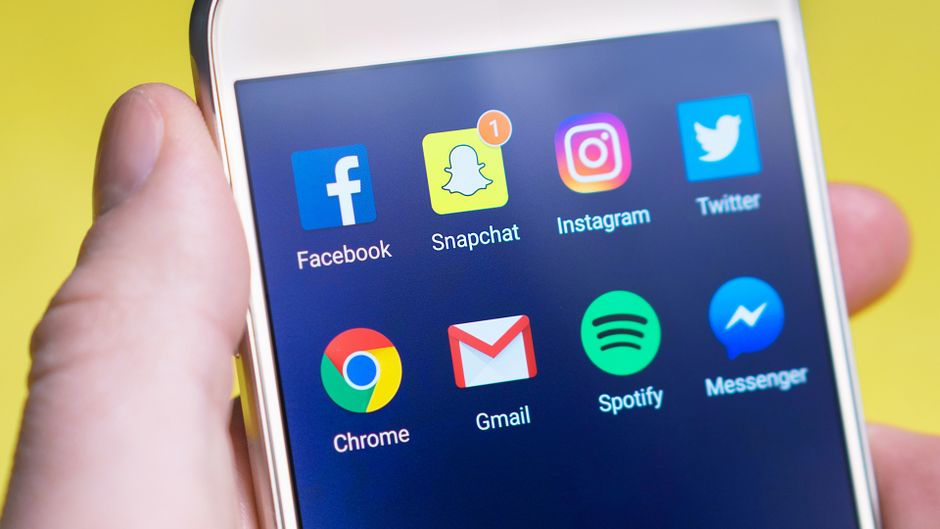
    Icons of emerging short-form platforms on a smartphone screen - most popular short-form content platforms

    Strategic Playbook: Choosing the Right Platform for Your Brand

    Choosing from the most popular short-form content platforms depends entirely on your goals. We always tell our clients at Canatos Media: don’t try to be everywhere at once if it means sacrificing quality.

    1. Identify Your Audience: Are you targeting Gen Z (TikTok), Millennials (Reels), or a professional B2B crowd (LinkedIn)?
    2. Master the 3-Second Hook: If you don’t grab them immediately, they will swipe. Use movement, a bold statement, or a visual “pattern interrupt.”
    3. Optimize for Mute Viewing: Many people watch videos without sound. Use captions and on-screen text to ensure your message gets across.
    4. Leverage AI Tools: Use AI for transcriptions and basic editing, but keep the “human” element front and center.
    5. Cross-Platform Repurposing: You can film once and post everywhere, but be sure to remove watermarks. A video with a TikTok logo doesn’t perform as well on Instagram Reels.

    For those looking for short-form video production best practices, focusing on lighting, clear audio, and a strong call-to-action (CTA) is non-negotiable.

    Frequently Asked Questions about Short-Form Content

    Which platform has the highest engagement for small businesses?

    Currently, TikTok holds the highest average video views for smaller accounts. Even an account with zero followers has the potential to reach thousands of people if the content is engaging. For local businesses in Long Island or the tri-state area, this “level playing field” is a massive advantage.

    How do short-form videos influence impulse buying?

    It’s all about the “three-minute window.” Because these videos are concise and often feature real people using products, they build a high level of “micro-trust” quickly. When combined with shoppable tags, the friction between “wanting” and “buying” is almost entirely removed.

    What is the ideal video length for maximum retention in 2026?

    While platforms allow longer videos, the “sweet spot” for retention remains 15 to 60 seconds. If you are creating educational content, you can push toward the 3-minute mark on YouTube Shorts, but for pure engagement, keep it snappy.

    Conclusion

    The future of the most popular short-form content platforms is leaning toward even deeper integration of AI and AR. We expect to see more “shoppable” experiences where you can buy an outfit directly from a dancer’s video with a single tap.

    At Canatos Media, we specialize in helping businesses navigate this fast-changing landscape. Whether you need cinematic video production or a full-scale social media management strategy, we focus on connecting content to measurable growth. The “Battle of the Bites” isn’t just about getting views—it’s about turning those views into a loyal community.

    Ready to level up your video game? Find more info about digital marketing services and let’s start filming.

    A creator in a studio setting filming a high-quality vertical video - most popular short-form content platforms

  • The Complete Guide to Social Media Management

    The Complete Guide to Social Media Management

    The Complete Guide to Social Media Management

    Introduction

    (The intro provided in the prompt is already included at the start of this guide.)

    The 5 Pillars of Social Media Management

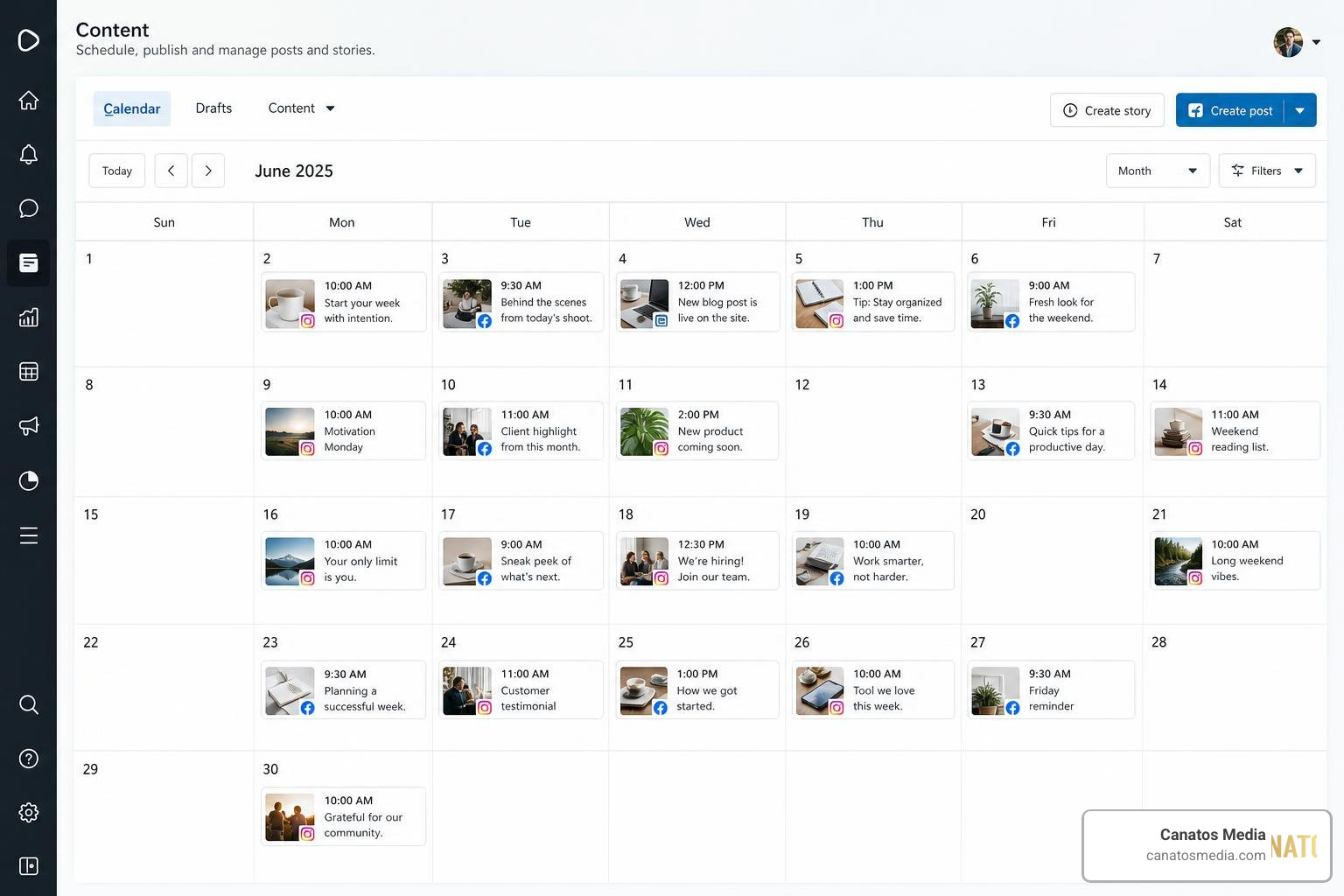
    content calendar for social media management - social media management

    Effective social media management isn’t just about posting when you feel inspired; it’s a disciplined practice built on five core pillars. Without these, your social presence is just noise. At Canatos Media, we focus on an integrated strategy that connects these pillars to your overall business goals.

    1. Content Creation: This is the engine of your social presence. In 2026, content must be “thumb-stopping.” This includes high-quality photography, graphic design, and, most importantly, cinematic short-form video.
    2. Scheduling & Publishing: Consistency is the heartbeat of growth. Using tools to plan your content weeks in advance ensures you never have a “dark” profile. It also allows you to post at optimal times when your specific audience in the tri-state area is most active.
    3. Community Management: Social media is a two-way street. This pillar involves replying to DMs, answering comments, and engaging with your followers’ content. 73% of users say that if a brand doesn’t respond, they’ll buy from a competitor.
    4. Social Listening: This is the “research” phase. It involves monitoring untagged mentions of your brand, tracking competitor moves, and keeping a pulse on industry trends to see what people are actually saying behind your back (in a good way!).
    5. Analytics & Reporting: You cannot manage what you do not measure. By reviewing data, you can see which posts drove the most website visits or leads, allowing you to double down on what works and cut what doesn’t.

    Social Media Management vs. Social Media Marketing

    While often used interchangeably, these are two distinct functions that must work in harmony. Think of social media marketing as the “Big Picture” and social media management as the “Daily Execution.”

    Social media marketing focuses on the strategy, high-level objectives, and often the paid advertising side of things. It asks, “What are our goals for this quarter?” and “How much should we spend on Meta ads?” For those looking to dive deeper into the marketing side, a Social Media Marketing Short-Term Certificate can provide a solid foundation in these strategic concepts.

    On the flip side, social media management is about the day-to-day. It’s the manager who ensures the posts go live, the comments get answered, and the brand voice remains consistent. One sets the destination; the other drives the car.

    How AI Is Transforming Social Media Management

    By May 2026, AI has moved from a “cool toy” to an essential “creative intern.” Today, 97% of marketing leaders say it’s crucial for their teams to know how to use AI in their daily workflows.

    We use AI not to replace the human touch, but to augment it. AI excels at:

    • Sentiment Analysis: Quickly scanning thousands of comments to see if the overall “vibe” is positive or negative.
    • Automated Replies: Handling basic customer service FAQs so human managers can focus on complex, high-emotion interactions.
    • Trendspotting: Identifying a rising trend in the Long Island area before it goes mainstream, giving our clients a first-mover advantage.
    • Content Brainstorming: Helping to rewrite a single caption into five different versions tailored for LinkedIn, TikTok, and Instagram.

    Essential Skills and Tools for 2026

    digital marketing team collaborating on social media strategy - social media management

    To succeed today, a social media manager needs more than just a smartphone and a “good eye.” They need a blend of creative flair and technical proficiency. About 94% of social pros now feel they need to be “chronically online” to effectively trendspot and keep a pulse on audience shifts.

    Core Competencies for Managers

    • Content Curation & Creation: The ability to spot what’s relevant and create high-quality assets.
    • Audience Research: Knowing exactly who the “Long Island customer” is and what they care about.
    • Crisis Management: Knowing how to handle a PR fire before it spreads.
    • Data Analysis: Moving beyond “likes” to understand conversion rates and ROI.

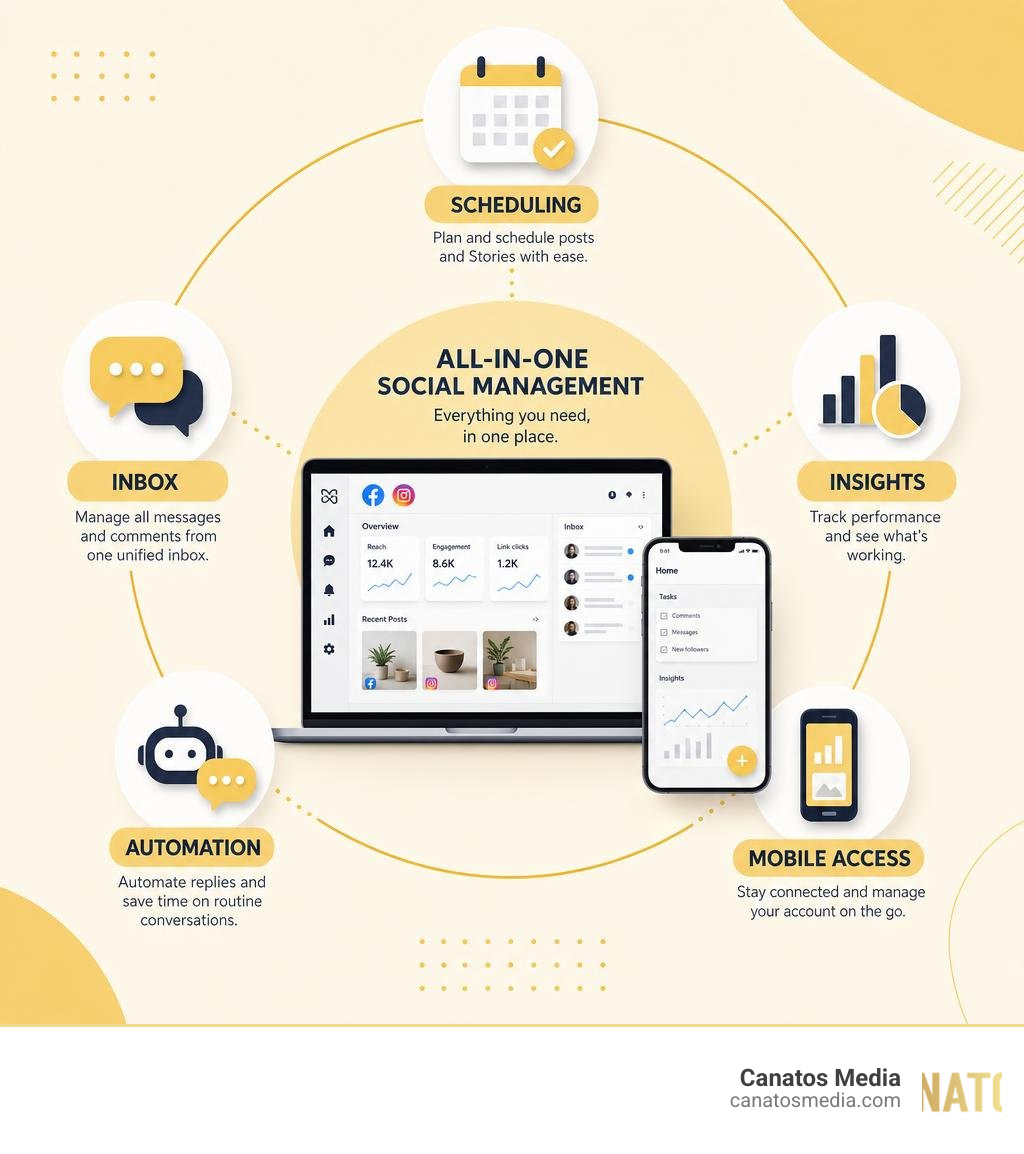
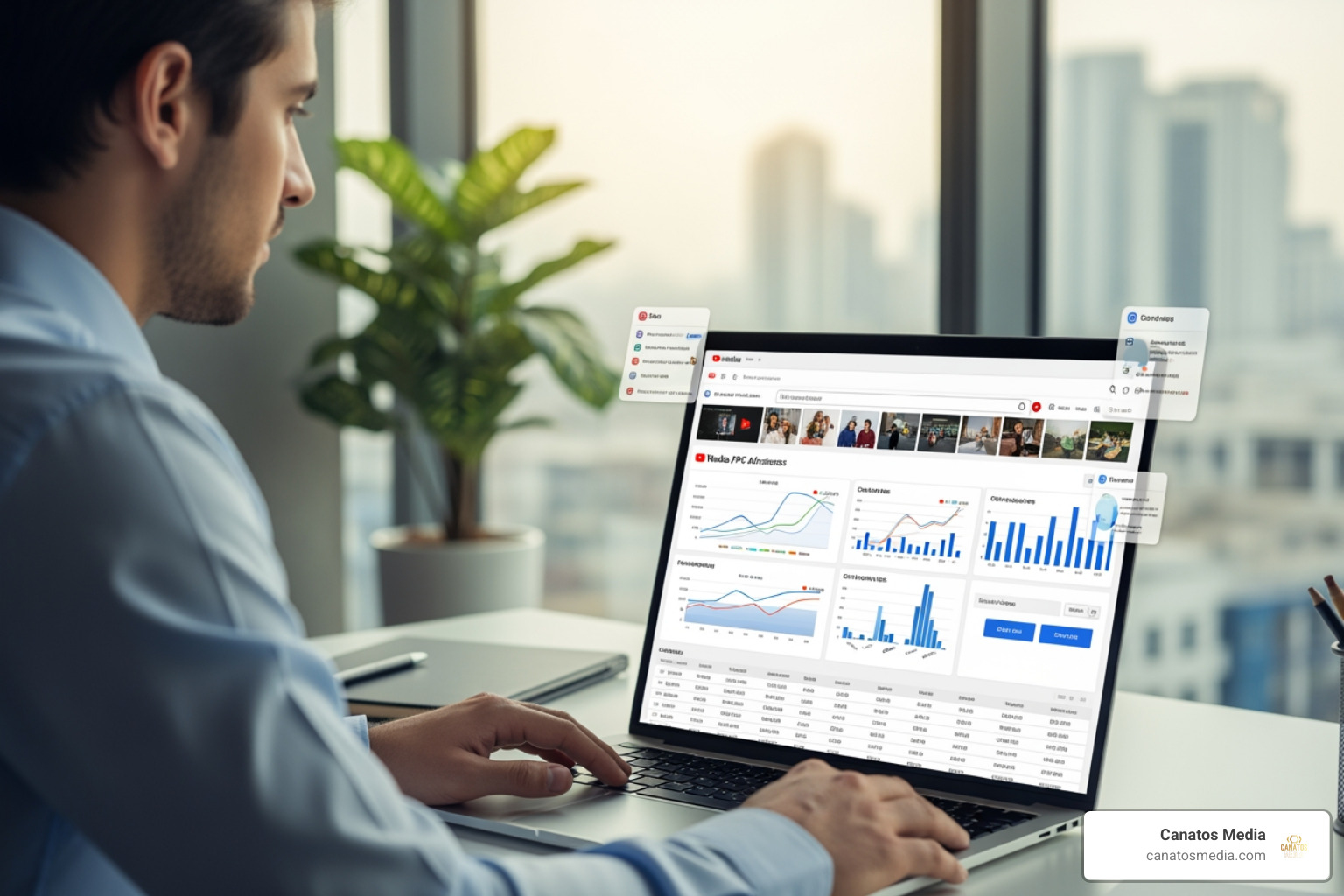
    Managing all of this manually is impossible for a growing business. That’s why we utilize All-in-One Social Content and Management systems. These unified dashboards allow us to see every notification, schedule every post, and pull every report from a single screen. Tools like Sprout Social and Buffer are industry leaders for a reason—they bring order to the chaos of managing 10+ platforms simultaneously.
    Strategies for Growth and Engagement

    viral video metrics showing high engagement and reach - social media management

    If you want to grow in 2026, you have to play by the algorithms’ rules. Currently, short-form video (Reels and TikTok) is king, driving 2 to 8 times more engagement than static images.

    But engagement isn’t just about numbers; it’s about community. When a brand responds to a customer, it builds a bond. In fact, nearly three-quarters of consumers expect a response within 24 hours. If you want to see how social fits into the bigger picture of sales, check out our guide on the All-in-One Marketing Funnel.

    • Centralized Command Centers: Brands are moving away from scattered tools and toward “all-in-one” platforms to reduce reporting time and increase efficiency.
    • Social Commerce: The “Shop” button is no longer a luxury; it’s a necessity. Platforms are now full-funnel experiences where users discover, research, and buy without ever leaving the app.
    • The Creator Economy: Authentic storytelling via influencers and creators is replacing traditional “polished” brand ads.
    • Private Messaging: Much of the “social” part of social media has moved to DMs and private groups. Brands that master “conversational commerce” will win.

    Measuring Success and Proving ROI

    infographic comparing organic vs paid social media metrics - social media management infographic

    At the end of the day, your business needs to see a return. Whether you are a local shop on Long Island or a tri-state enterprise, you need to know: Is this making us money?

    Leading brands using advanced social media management platforms have reported a 327% ROI according to Forrester Consulting. This isn’t magic; it’s the result of tracking the right Key Performance Indicators (KPIs).

    Key Performance Indicators

    • Engagement Rate: Are people actually interacting, or just scrolling past?
    • Click-Through Rate (CTR): How many people are clicking from your post to your website?
    • Customer Acquisition Cost (CAC): How much does it cost us in content and management to get one new customer?
    • Response Time: How fast are we helping our customers?
    • Share of Voice: How much of the “online conversation” in your industry do you own compared to your competitors?

    For those looking to accelerate these results, combining organic management with Paid Social Media Advertising from Zero to Hero in One Hour is the fastest way to scale.

    Frequently Asked Questions

    How much time does social media management typically take?

    If you’re doing it right, it’s a full-time job. Between content creation, community management, and daily monitoring, it can easily take 20-40 hours a week. However, with “batch scheduling” and automation tools, a business owner might spend 1-2 hours a day on basic maintenance—but they will likely miss out on the deeper growth that comes from professional oversight.

    Should businesses hire a manager or handle it in-house?

    It depends on your scale. Small, local businesses often start in-house to save costs. However, as you grow, the “opportunity cost” of a business owner spending 10 hours a week on Instagram becomes too high. Hiring an agency provides you with a team of experts (videographers, copywriters, and analysts) for often less than the cost of one full-time senior employee. This allows for better scalability and a more professional brand image.

    What are common mistakes to avoid?

    1. Blind Trend-Jumping: Don’t do a “dance” just because it’s trending if it doesn’t fit your brand voice. It looks forced and confuses your audience.
    2. Ignoring Comments: This is the fastest way to kill your reach. The algorithm loves conversation; if you don’t talk back, it stops showing your content.
    3. Generic AI Copy: We’ve all seen it—the “In the ever-evolving landscape of…” captions. AI should be your draft, not your final post. Always add human personality.
    4. Inconsistent Posting: Posting five times in one week and then disappearing for a month tells the algorithm (and your customers) that you aren’t reliable.

    Conclusion

    Social media management in 2026 is no longer a “side task” for an intern; it is a business-critical function. It requires a blend of cinematic storytelling, rapid customer service, and deep data analysis.

    At Canatos Media, we specialize in this integrated approach. We don’t just post; we create cinematic short-form videos that capture attention, manage your community to build trust, and run paid ads to ensure your content reaches the right people in the tri-state area.

    Ready to turn your social media into a growth engine? Explore our All-in-One Social Content and Management services and let’s start building your brand’s future today.

  • Stop the Scroll and Start the Toll with Meta Paid Ads

    Stop the Scroll and Start the Toll with Meta Paid Ads

    Stop the Scroll and Start the Toll with Meta Paid Ads

    Why Meta Pay Ads Can Make or Break Your Ad Budget

    Meta pay ads is the billing system Meta uses to charge you for advertising across Facebook, Instagram, Messenger, and WhatsApp — all managed through a single unified payment platform.

    Here is what you need to know at a glance:

    Topic Quick Answer
    What is Meta Pay? Meta’s unified payment platform for ad billing across its apps
    How does billing work? Automatic charges at a payment threshold or on your monthly bill date
    What payment methods are accepted? Credit/debit cards, PayPal, direct debit, and local methods depending on your country
    Where do you manage payments? Meta Ads Manager or Accounts Center
    What if you see an unknown charge? Contact your bank, verify with Meta, and dispute if fraudulent

    Every dollar you spend on Meta ads flows through this system. And if you don’t understand how it works, you can end up with surprise charges, disabled accounts, or worse — money wasted on ads that never even ran.

    With over 3.58 billion daily active users across Meta’s apps as of December 2025, the platform is one of the most powerful advertising tools on the planet. But that power comes with a billing setup that confuses a lot of business owners.

    This guide breaks it all down — simply and clearly.

    I’m Nic Canobbio, and through my work leading Canatos Media and overseeing large-scale media and content strategies, I’ve navigated meta pay ads billing — from managing ad spend across multiple campaigns to negotiating deals that depend on clean, uninterrupted ad delivery. That hands-on experience is exactly what shapes the practical guidance you’ll find here.

    Infographic showing Meta Pay ads billing flow across Facebook, Instagram, Messenger, and WhatsApp with payment method types

    Decoding Your Bank Statement: What are Meta Pay Ads Charges?

    We’ve all been there. You’re sipping your morning coffee in Long Island, scrolling through your business bank statement, and you see it: a charge that looks like a cat walked across a keyboard. Something like METAPAY*ADS or FACEBOOK*ADS followed by a string of numbers.

    Before you call the fraud department, let’s decode that jargon. These descriptors are how Meta identifies the money it pulls for your campaigns. Because Meta Platforms, Inc. owns everything from Instagram to WhatsApp, they use a unified billing system. Meta Pay is the platform that handles these transactions.

    Usually, the charge includes a “tag” or a phone number. This is meant to help you trace the transaction back to a specific ad account. If you see “METAPAY,” it means the transaction was processed through the unified wallet system. Given that Meta had about 3.58 billion average daily users in late 2025, the sheer volume of transactions they process is staggering. In fact, third-party payment processors like Slash now power about 1% of all Meta ad spend globally.

    If you are running a local business in the tri-state area, keeping your statement clean is vital for tax season. If you see a charge you don’t recognize, don’t panic. Sometimes it’s just a pre-authorization “ping” to make sure your card is active, or a delayed charge from a campaign that ended a few days ago. However, if you’re serious about scaling, you need to move from “accidental spender” to “strategic investor.” You can learn more about paid social strategy to ensure every charge on that statement is actually driving ROI.

    A business owner looking at a credit card statement with "METAPAY*ADS" highlighted - meta pay ads

    Step-by-Step: Adding a Payment Method for Meta Pay Ads

    Setting up your meta pay ads wallet is the first step toward going live. Meta is quite picky about how you pay, and they’ve been moving toward more secure, verified methods recently.

    Here is how we recommend adding your payment method to ensure your ads don’t get paused at the worst possible moment:

    1. Access the Accounts Centre: On your computer, click your profile picture > Settings & privacy > Settings. From there, navigate to the Accounts Centre.
    2. Navigate to Meta Pay: Look for the “Meta Pay” or “Payments” section. This is your central hub for everything money-related.
    3. Add Your Card: Click “Add debit or credit card.” Meta accepts most major players: Amex, Discover, Mastercard, and Visa.
    4. Set a Default: If you have multiple cards (maybe a backup for when your primary hits its limit), select your preferred card and toggle “Set as default.”
    5. Verification: Meta might send a small temporary charge to verify the card. Don’t worry, it disappears faster than a viral trend.

    If you ever need to swap cards or remove an old one, the process is the same. Just click next to the card and select “Remove card.” For a full list of what’s accepted based on your specific setup, you can check the Accepted payment options for Meta ads page.

    Managing Your Unified Wallet

    One of the coolest (and sometimes most confusing) things about meta pay ads is that it’s a “unified wallet.” This means the payment method you save for Facebook can also be used for your Instagram ads and even Horizon apps.

    This centralized management is great for security. Instead of entering your credit card info into five different apps, you do it once. Meta Pay uses anti-fraud technology and encrypted card storage to keep your data safe. We always suggest our clients in the tri-state area set up a personalized PIN or use biometrics (like FaceID) for their Meta Pay transactions. It adds an extra layer of “no one is spending my money but me.”

    Meta doesn’t usually bill you the second your ad starts running. Instead, they use a system of “thresholds” and “bill dates.” Think of it like a utility bill, but for attention.

    There are two main ways meta pay ads are billed:

    1. Automatic Payments: This is the most common. Meta gives you a “payment threshold” (e.g., $500). Every time your ad spend reaches $500, Meta charges your card. If you don’t hit that $500 by the end of the month, they charge you on your “monthly bill date” for whatever balance is left.
    2. Available Funds (Manual): This is like a prepaid phone. You add $1,000 to your account, and Meta slowly chips away at it as your ads run. Once the balance hits zero, your ads stop.

    Infographic comparing automatic billing thresholds vs. manual available funds - meta pay ads infographic

    Understanding How Meta Charges for Ads is essential for cash flow management. If you’re a growing business on Long Island, you don’t want five $500 charges hitting your account on the same day if you aren’t prepared for it.

    Troubleshooting Failed Meta Pay Ads Payments

    Nothing kills a campaign faster than a “Payment Failed” notification. When your meta pay ads payment fails, Meta pauses all your ads immediately. If this happens too often, they might even disable your ad account entirely.

    Common reasons for failure include:

    • Insufficient Funds: The most obvious one.
    • Credit Limit Reached: Your bank might have a daily spending limit.
    • Expired Card: You forgot about that new card that came in the mail last month.
    • Bank Block: Sometimes banks see a series of charges from “METAPAY” and flag it as suspicious.

    If your payment fails, go to your Billing settings in Ads Manager. You can usually click “Pay Now” to retry the charge manually. If that doesn’t work, you might need to contact your bank or report an unauthorized Meta Pay charge if you suspect something is fishy.

    Avoiding the 30% Apple Service Fee

    This is a big one that many people miss. If you are boosting a post or setting up ads through the Instagram iOS app, Apple takes a 30% service fee on top of your ad spend.

    Yes, you read that right. If you want to spend $100 on ads, Apple might charge you an extra $30 just for the privilege of using their app to buy them.

    The Pro Tip: Never buy ads through the iOS app. Instead, use a desktop computer and go to adsmanager.facebook.com or instagram.com. By using the web version, you bypass the Apple App Store entirely and keep that 30% in your own pocket. For more details on this, check out the official guide on how to pay for Instagram ads.

    Global Payment Options and Policy Changes

    The world of meta pay ads is constantly shifting. As of April 2026, Meta has implemented some significant policy changes aimed at reducing fraud. Meta projected that in 2024 alone, about 10% of its revenues ($16 billion!) came from ads for fraudulent or banned goods. To combat this, they are getting much stricter.

    For larger advertisers, Meta is moving away from credit cards and mandating monthly invoicing or direct bank debits. This shift requires bank verification, which makes it much harder for scammers to operate. While this might be a headache for those who love their credit card points, it’s a necessary step for platform integrity.

    If you are running campaigns internationally from the tri-state area, you’ll also notice that payment methods vary by country. In Brazil, they use Boleto Bancário; in China, it’s Alipay. But for our local partners, the focus remains on secure, verified US-based banking. Staying ahead of these policy shifts is part of how we build an all-in-one marketing funnel that doesn’t get interrupted by technicalities.

    World map showing various payment methods like PIX, Alipay, and credit cards - meta pay ads

    Advanced Spending Controls and Receipt Management

    We always tell our clients: “Don’t set it and forget it.” Meta gives you several tools to make sure you don’t wake up to a $10,000 bill you didn’t expect.

    • Campaign Spending Limits: You can set a cap on a specific campaign. Once it hits that number, it shuts off.
    • Account Spending Limits: This is your ultimate safety net. You can tell Meta, “Never charge this account more than $5,000 total.” It’s a great way to sleep better at night.
    • Bid Strategies: Instead of just letting Meta spend whatever it wants, you can set “Cost Caps” to ensure you’re only paying what a lead is actually worth to you.

    When it comes to the “boring” stuff like taxes, Meta makes it fairly easy to download your receipts. In the Billing & Payments section of Ads Manager, you can see every single charge, the specific ad it was for, and download a PDF for your accountant. This is also where you ensure you are VAT/GST compliant if you’re doing business across borders.

    Frequently Asked Questions about Meta Billing

    Why do I see a Meta Pay charge I don’t recognize?

    Most of the time, this is either a billing threshold being hit or a delayed charge from a previous campaign. However, since Meta projected $16 billion in fraudulent ad revenue recently, it’s worth being cautious. Check your Ads Manager “Billing” section first. If the charge isn’t there, contact your bank and Meta support immediately.

    How do I switch from automatic to manual payments?

    This is tricky. Usually, the “type” of billing is determined when you first set up the account based on your first payment method. If you start with a credit card, you’re likely on automatic. If you want to switch, you often have to create a new ad account or contact Meta support, though some accounts now allow both.

    What happens if my primary payment method fails?

    Meta will immediately pause all active ads. They will then attempt to charge your secondary (backup) payment method if you have one. If that fails too, your account will stay paused until the balance is settled. Pro tip: Always have a backup card on file to avoid losing your “algorithm momentum.”

    Conclusion

    Navigating meta pay ads doesn’t have to be a headache. Whether you’re decoding a confusing bank statement or trying to avoid that pesky 30% Apple fee, the key is staying informed and staying in control.

    At Canatos Media, we believe that your ad spend should be an investment, not an expense. We specialize in an integrated strategy that connects cinematic short-form content with high-precision targeting and robust conversion tracking. From the tri-state area to Long Island, we help businesses turn “scrolling” into “sales.”

    Ready to stop worrying about billing thresholds and start focusing on growth? Start your professional ad management journey with us today. We’ll handle the “tolls” so you can enjoy the ride.

  • Paid Social Media Advertising: From Zero to Hero in One Hour

    Paid Social Media Advertising: From Zero to Hero in One Hour

    Paid Social Media Advertising: From Zero to Hero in One Hour

    Why Paid Social Media Advertising Is the Fastest Way to Grow Your Business Online

    Paid social media advertising is when businesses pay social platforms — like Facebook, Instagram, TikTok, or LinkedIn — to show their content to a specific, targeted audience, bypassing the algorithm entirely for guaranteed visibility.

    Here’s what it covers at a glance:

    What You Want to Know Quick Answer
    What is it? Paying social platforms to show your ads to a defined audience
    How is it different from organic? Organic relies on the algorithm; paid guarantees reach
    Which platforms? Meta, Instagram, TikTok, LinkedIn, Pinterest, Snapchat, Reddit, YouTube
    What does it cost? As little as $5/day to start; scales with your goals
    Does it work? Yes — real campaigns have returned $12–$18 for every $1 spent

    You’ve seen it happen while scrolling. A product appears in your feed that feels almost too relevant. You pause. You click. Sometimes you buy. That’s not a coincidence — that’s a well-targeted paid social ad doing exactly what it was built to do.

    For local business owners trying to stand out, generate leads, and turn attention into real sales, paid social is one of the most powerful tools available today. It’s fast, measurable, and scalable in a way that organic posting simply cannot match.

    I’m Nic Canobbio, founder of Canatos Media, and over two decades of building media strategies and content that has generated over 60 million views, paid social media advertising has been a core lever in driving measurable growth for brands at every stage. In this guide, I’ll walk you from zero to confident — in about an hour.

    Infographic showing the paid social media ecosystem: platforms, ad formats, targeting, and funnel stages - paid social media

    What is Paid Social Media Advertising?

    At its simplest, paid social media advertising is the digital equivalent of a billboard, but one that only appears to people who actually care about what you’re selling. Unlike organic social media, which relies on the platform’s algorithm to hopefully show your post to your followers, paid social allows us to pay for a “fast pass” to the front of the line.

    Comparing a standard organic post vs a sponsored ad with a call to action button - paid social media advertising

    Think of organic social media as a party you’re hosting at your house. You invite your friends (followers), and if they have a good time, they might tell their friends. It’s great for building community and brand “warmth,” but the reach is limited.

    Paid social is like hiring a promotional team to go out into the city and find exactly the type of people who would love your party and hand-delivering them an invitation.

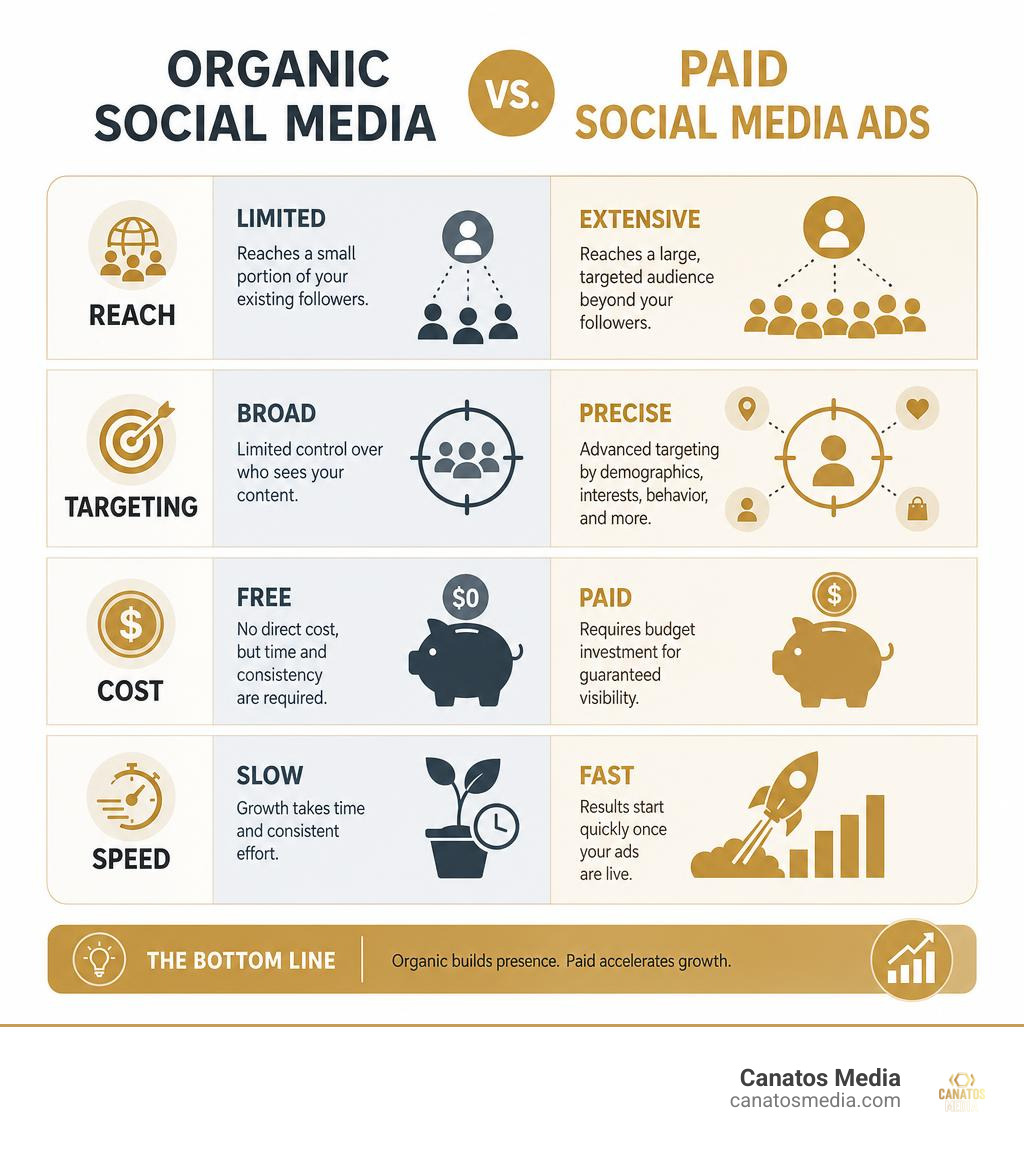
    Feature Organic Social Media Paid Social Media Advertising
    Reach Limited to followers & algorithm whims Guaranteed reach to new audiences
    Targeting Very broad Hyper-specific (interests, behaviors)
    Speed Slow, long-term growth Immediate visibility and results
    Goal Brand awareness & community Leads, sales, and measurable ROI
    Cost “Free” (but takes time/labor) Direct monetary investment

    By using paid social media advertising, we can bypass the “algorithm jail” that often keeps business posts hidden. Instead of shouting into the void, we use precision tools to ensure your message lands in the right hands. For a deeper dive into these fundamentals, check out this Beginner’s Guide to Social Media Advertising.

    The Core Benefits for Businesses in 2026

    In the 2026 digital landscape, the “pay-to-play” model isn’t just an option; it’s a necessity for growth. Here is why we prioritize it for our clients in the Tri-State area and Long Island:

    • Data-Driven ROI: Every dollar spent is tracked. We don’t guess if an ad worked; we see the exact Return on Ad Spend (ROAS).
    • Scalability: If an ad is working, we can simply increase the budget to reach more people. It’s like a volume knob for your revenue.
    • Speed to Market: Want to launch a sale for your Long Island boutique tomorrow? You can have ads running in hours, not weeks.
    • Full-Funnel Support: We can target people who have never heard of you (awareness), people who are comparing options (consideration), and people who left items in their cart (conversion).
    • Precision Control: You decide exactly who sees your ad, when they see it, and how much you’re willing to pay for that interaction.

    Choosing Your Battlefield: Platforms and Ad Formats

    Not all platforms are created equal. If you are a B2B consulting firm, you probably shouldn’t be pouring your entire budget into Snapchat. Conversely, a trendy fashion brand might find its home on TikTok or Instagram.

    At Canatos Media, we believe in an All-in-One Social Content and Management strategy where the content matches the platform’s “vibe.”

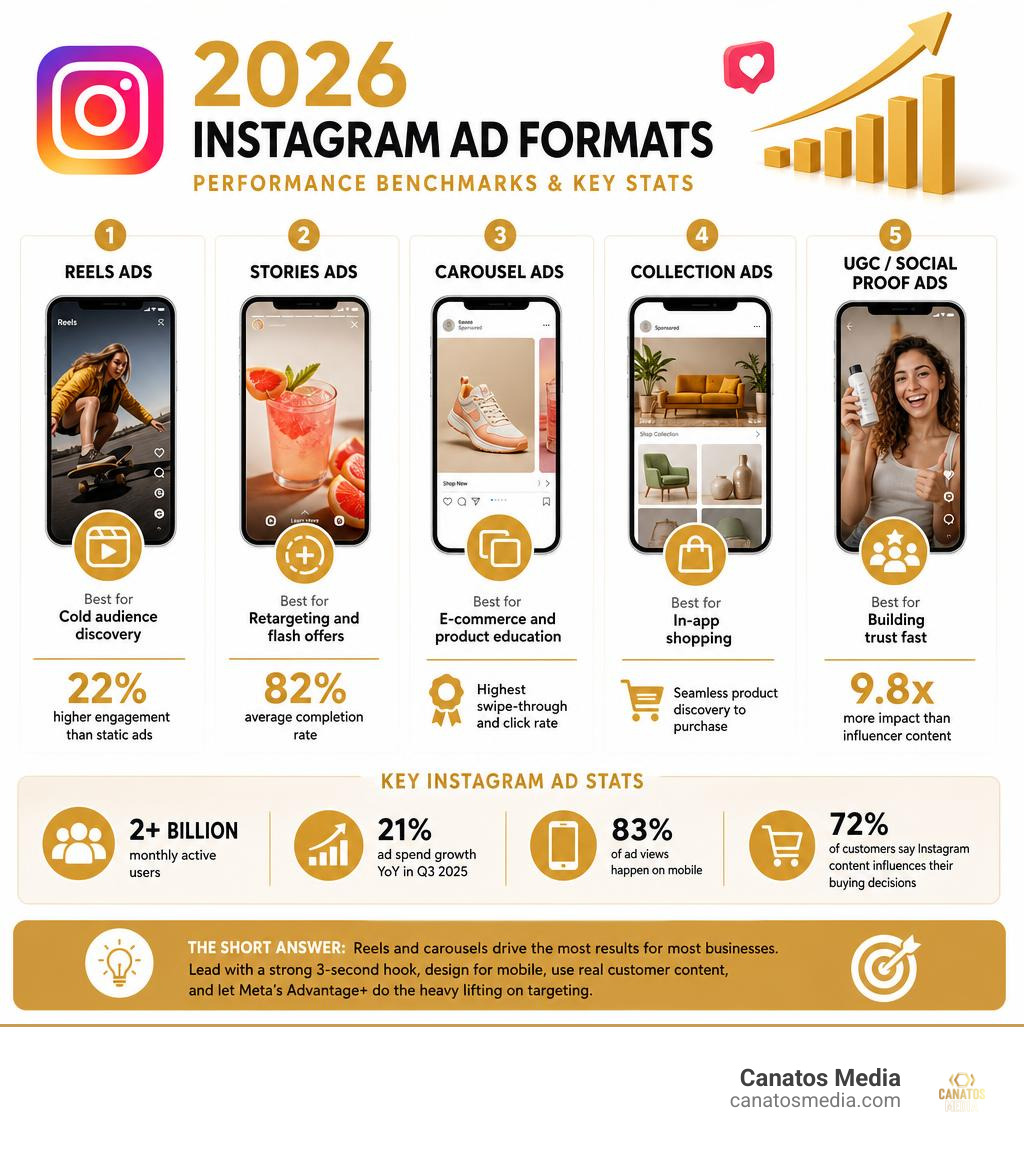
    Comparison of various ad formats including stories, reels, carousels, and static images - paid social media advertising

    Best Platforms for Paid Social Media Advertising

    • Meta (Facebook & Instagram): With over 3 billion active users, Meta remains the heavyweight champion. It offers the most robust targeting tools for both B2B and B2C. Instagram is particularly powerful for visual brands and younger demographics (18–34).
    • LinkedIn: The gold standard for B2B. With over 950 million professionals, we use LinkedIn to target by job title, industry, and even specific company names. It can be more expensive, but the lead quality is often higher.
    • TikTok: No longer just for dancing teenagers. With over 1 billion users, it’s a powerhouse for brand discovery. In fact, 1 in 3 TikTok users has bought a product after seeing it on the platform.
    • YouTube: Ideal for cinematic, long-form storytelling or quick “how-to” ads. Since it’s owned by Google, the search-intent data is incredibly powerful.
    • Pinterest: A “discovery engine” where 70% of the audience is female. It’s perfect for home decor, fashion, and DIY brands.

    For a breakdown of what you might expect to pay on these channels, refer to Facebook and Instagram ads: Budgets, costs and schedules.

    Available Ad Formats for Maximum Engagement

    To stop the scroll, you need the right “vessel” for your message:

    1. Image Ads: Simple, clean, and great for a singular, powerful message.
    2. Video Ads: Cinematic storytelling (our specialty!) that captures attention quickly.
    3. Carousel Ads: Allows users to swipe through multiple products or steps in a process.
    4. Stories & Reels: Full-screen, immersive vertical content that feels native to how people use their phones today.
    5. Boosted Posts: A simple way to give a high-performing organic post more “juice.”

    Building Your Hero Strategy: Goals, Budgets, and Creative

    You wouldn’t build a house without a blueprint, and you shouldn’t run paid social media advertising without a strategy. We help our clients build an All-in-One Marketing Funnel that guides a stranger from “Who are you?” to “Take my money!”

    Setting Effective Budgets and Bidding

    One of the biggest myths is that you need thousands of dollars to start. You don’t. You can start with as little as $5 to $10 a day to test the waters.

    • Daily Budgets: The platform spends a set amount each day. This is great for consistent lead generation.
    • Lifetime Budgets: You set a total amount for a specific date range. The platform’s AI will spend more on days when it sees better opportunities.
    • Advantage+ Optimization: Meta’s AI-driven tool that automatically distributes your budget to the best-performing audiences in real-time.

    Crafting High-Converting Paid Social Media Advertising Creative

    The “creative” (the image or video) is responsible for about 70% of an ad’s success. In 2026, people are blind to traditional commercials. They want content that feels real.
    • Thumb-Stopping Copy: Your first sentence needs to call out your audience’s pain point immediately.
    • User-Generated Content (UGC): Ads that look like a video a friend sent you often perform better than high-gloss studio productions.
    • Mobile-First Design: 83% of social ad spend will be on mobile by 2029. If your ad doesn’t look good on a phone, it doesn’t look good.
    • A/B Testing: We never just run one ad. We test two different headlines or two different videos to see which one the audience prefers.

    Measuring Success and Scaling Your ROI

    If you can’t measure it, you can’t improve it. We move beyond “vanity metrics” like likes or follows and focus on the numbers that actually impact your bank account.

    Key Metrics to Watch

    • ROAS (Return on Ad Spend): If you spend $1 and make $5, your ROAS is 5x. This is the ultimate health metric.
    • CPC (Cost Per Click): How much it costs to get someone to visit your site.
    • CPA (Cost Per Acquisition): How much it costs to actually get a lead or a sale.
    • CTR (Click-Through Rate): The percentage of people who saw your ad and clicked. A high CTR means your creative is engaging.

    Advanced Optimization and Integration

    Once we find a winning ad, we don’t just sit back. We optimize.

    • Retargeting: Have you ever visited a site and then seen their ads everywhere? That’s retargeting. It’s one of the highest-ROI tactics because you’re talking to people who already know you.
    • Lookalike Audiences: We can take your list of current customers and tell the platform, “Find me 2 million more people who look just like these ones.”
    • SEO Synergy: We use top-performing keywords from your SEO strategy in your ad copy to create a unified brand message.

    Frequently Asked Questions about Paid Social

    What is the difference between boosting a post and a full ad campaign?

    Boosting a post is like putting a small megaphone on an existing post. It’s easy, but it has limited targeting. A full ad campaign (via Ads Manager) gives you surgical precision, allowing you to choose specific objectives like “Sales” or “App Installs” and use advanced retargeting.

    How much should a small business spend on paid social in 2026?

    Most small businesses start with $500 to $2,000 per month. However, the “right” amount depends on your goals. We recommend starting small, proving the concept, and then reinvesting your profits to scale.

    Why is my paid social campaign not receiving impressions?

    This is usually due to one of three things: your budget is too low to compete in the auction, your audience targeting is too narrow (aim for at least 2 million for Meta), or your ad has been flagged for violating platform policies.

    Conclusion

    Paid social media advertising is no longer a luxury for big brands — it is the engine that drives growth for local businesses in the Tri-State area and beyond. By combining cinematic content with data-backed targeting, you can turn social media from a time-waster into a revenue-generator.

    At Canatos Media, we don’t just “run ads.” We build integrated strategies that connect your brand’s story to the people who need to hear it most. Whether you’re looking for cinematic video production or a full-funnel All-in-One Social Content and Management partner, we’re here to help you go from zero to hero.

    Ready to see what paid social can do for your business? Let’s build something great together.

    Infographic showing a 12x ROAS achievement for a solar company using paid social - paid social media advertising infographic