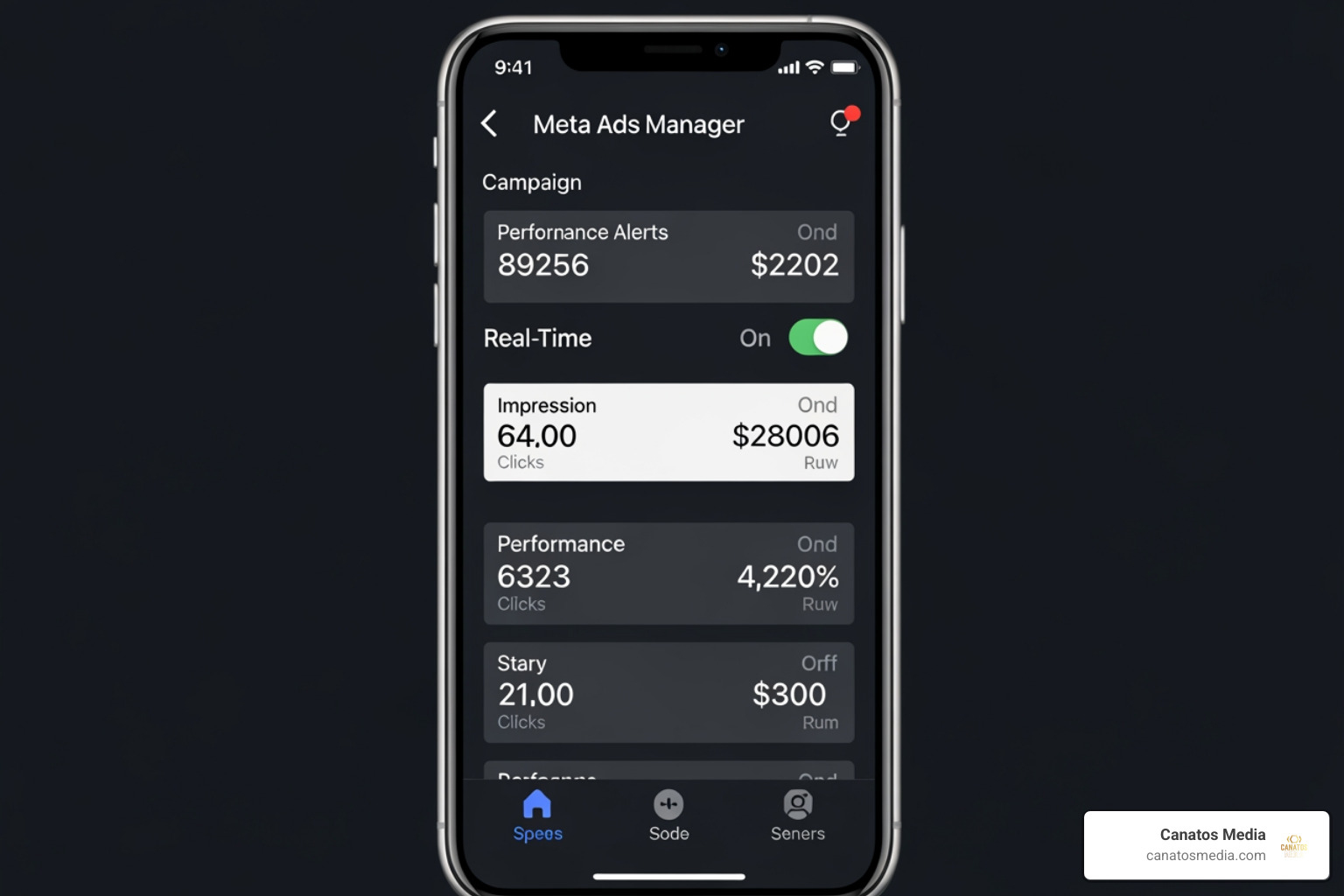
Why Generic Video Ads Underperform on Meta Platforms
The average scroll through Meta takes milliseconds. Users swipe past thousands of ads monthly, most without a second glance. Yet some videos stop them cold, command full attention, and drive measurable conversions. The difference isn’t random. It comes down to production quality, storytelling craft, and understanding how cinematic short-form content performs differently on paid platforms than organic posts.
We’ve seen brands spend thousands on ad spend while using low-grade creative that sabotages their results. Meanwhile, others invest in premium video production and watch their click-through rates and cost-per-acquisition improve dramatically. The gap between mediocre and cinematic video ads isn’t about budget alone. It’s about strategy, execution, and knowing exactly what moves the Meta algorithm and human psychology.
Generic video ads typically fail because they blend seamlessly into user feeds without friction or differentiation. Meta’s algorithm prioritizes content that generates engagement early, and passive or forgettable video creative loses that race immediately. When your ad looks indistinguishable from dozens of others in someone’s feed, they treat it like everything else: ignore it.
The underlying issue is that most businesses approach paid ads like traditional commercials. They create a 15-30 second pitch, add a logo at the end, and hope viewers stick around. This approach ignores how people actually consume content on social platforms. They’re in a passive, entertainment-seeking state. An ad that interrupts that experience without immediately compelling them will get skipped or scrolled past.
Generic ads also compete for attention in the noisiest, most competitive space imaginable. Your audience sees sponsored content constantly. Without distinctive visual language, pacing, or narrative hook, your message becomes background noise.
Actionable takeaway: Audit your current ad creative. Does it look dramatically different from the organic content on your competitor’s feed? If not, expect lower engagement and higher costs.
The Problem with Stock Footage and Basic B-Roll
Stock footage comes with a liability most brands overlook: viewers recognize it instantly. That generic shot of a smiling businessman at a laptop or a product spinning on a white background appears in countless ads. The familiarity signals inauthenticity, and audiences (consciously or not) discount messages built on stock imagery.
Basic B-roll—unstructured background footage edited together with minimal color grading, sound design, or intentional pacing—reads as low-effort and cheap. This perception transfers to brand perception. If you’re cutting corners on the creative, users wonder if you’re cutting corners on the product or service itself.
Stock footage also lacks the specificity needed for strong storytelling. You can’t communicate brand personality or real customer scenarios with generic clips. You lose the opportunity to show your world, your customers, and your unique value proposition.
Custom-shot footage, even on modest budgets, outperforms stock alternatives consistently. When you show real people using your product, real environments where your service operates, or production design intentionally built for your brand, the authenticity lands differently.
Actionable takeaway: If you’re relying on stock footage, start by filming one custom video featuring a real customer or your actual product in action. Measure the engagement lift against stock-based ads.
What Cinematic Quality Actually Means for Paid Ads
Cinematic quality in short-form ads doesn’t mean Hollywood budgets or six-month production timelines. It means intentional visual storytelling with four core elements: color grading that creates mood, shot composition that guides viewer attention, sound design that reinforces emotion, and pacing that respects the medium.
Color grading alone transforms footage. A muted, cool palette conveys professionalism and trust. Warm, saturated tones feel energetic and approachable. Strategic color choices throughout a video create visual coherence and help your brand feel distinctive.
Composition matters equally. Wide shots establish context. Close-ups create intimacy. Moving camera work (subtle dolly, push, or pan) conveys motion and energy. Intentional framing keeps viewers’ eyes exactly where you want them.
Sound design is underrated in short-form video, especially on muted feeds. When viewers turn sound on, quality audio (music selection, dialogue clarity, sound effects) elevates perceived quality dramatically. Poor sound signals poor production, regardless of how nice the visuals are.
Pacing determines whether viewers stay engaged. Shorter cuts (2-4 frames per shot), strategic transitions, and purposeful rhythm keep attention locked in short-form environments.
Actionable takeaway: Review three of your competitor’s top-performing ads (check their Meta ad library). Note the color palette, shot types, and cut timing. These patterns reveal what resonates in your category.
How Premium Production Values Drive Higher Click-Through Rates
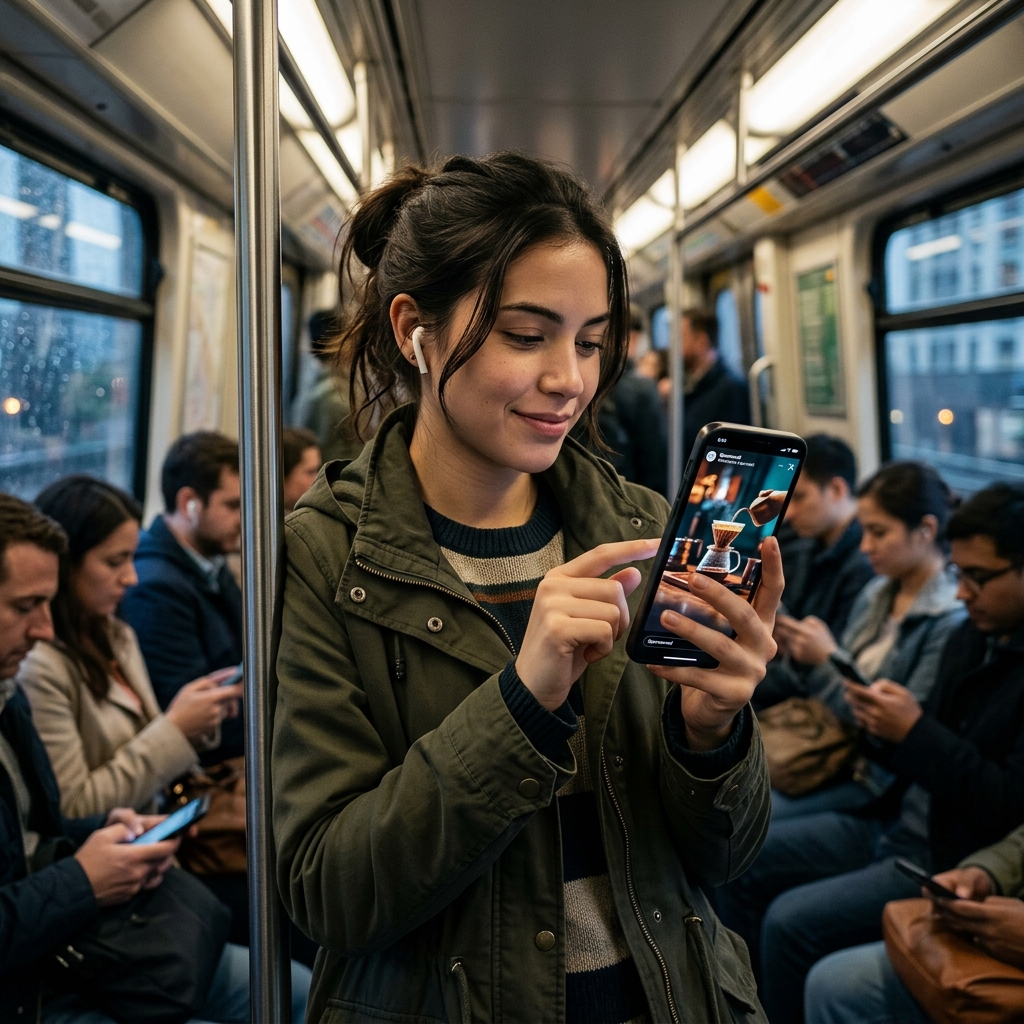
We consistently see click-through rates improve 40-80% when brands move from generic to cinematic video creative. The mechanism is straightforward: high production values signal legitimacy and quality, which lowers friction for clicks.
When someone sees polished, intentional creative, they infer that the behind-the-scenes experience will match. A well-produced ad suggests a well-run business. The inverse is equally true: sloppy creative signals a sloppy operation, and users hesitate before clicking or engaging.
Premium production values also allow better storytelling, which converts more effectively. A 15-second cinematic spot that tells a mini-narrative (problem recognition, solution reveal, benefit) engages multiple parts of the brain. Viewers feel something, understand your value, and are more likely to click.
Additionally, high-quality creative performs better across different audience segments and placements. It holds up on mobile, looks sharp on desktop, and maintains impact even on Instagram Stories or Reels. Generic, low-resolution footage degrades and looks worse on smaller screens.
The investment in quality creative compounds over time. A single well-produced asset can run for months across multiple campaigns, paid audiences, and placements. The cost per impression drops significantly when you’re running premium creative at scale.
Actionable takeaway: Calculate the cost of your last five ad campaigns. If you spent 80% on media buy and 20% on creative, reverse that ratio for your next campaign and track the ROI difference.
The Psychology Behind Stopping Scrolling for Quality Content
Humans are pattern-recognition engines. We scan feeds looking for anomalies, novelty, or content that disrupts the expected visual flow. Cinematic video ads stop scrolls because they break the pattern of generic content.
The first three seconds are critical. Your ad must either surprise, intrigue, or immediately reward attention. Cinematic production accomplishes this through visual contrast, unexpected camera movement, striking imagery, or a narrative hook that makes viewers curious about the payoff.
There’s also a trust factor at play. When viewers see professional, intentional production, they unconsciously trust the message more. This isn’t rational, but it’s consistent. The level of care invested in the creative signals the level of care invested in the product.
Color and sound play psychological roles too. Certain color combinations trigger emotional responses. Dynamic sound design keeps attention active rather than passive. These elements work together to create a complete sensory experience that’s harder to ignore than flat, basic video.
Finally, specificity creates connection. Generic messaging and generic visuals feel impersonal. Custom-shot content that reflects the viewer’s world, problems, or aspirations feels relevant and intentional, not mass-produced.
Actionable takeaway: The next time you scroll your own feed, pause on an ad that made you stop. Identify the single visual or narrative element that grabbed you. Build your next creative around that principle.
Our Approach to Cinematic Ad Production at Scale
We build cinematic short-form content as a systematic process, not a one-off production. We start by understanding your brand positioning, customer pain points, and conversion goals. From there, we develop a content strategy that threads through multiple ad variations, ensuring consistency while testing different hooks and narratives.
Our production approach prioritizes efficiency without sacrificing quality. We shoot custom footage, often combining multiple scenarios or customer stories in single production days. This allows us to create 5-10 distinct ad variations from one shoot, maximizing the production investment.
Color grading, sound design, and editing follow a cohesive brand template. Every frame reflects your visual identity. Every transition and cut serves the narrative. This consistency builds brand recognition, which compounds as viewers see multiple ads in the sequence.
We also build ads specifically for Meta’s algorithm and format requirements. Short-form vertical video performs differently than horizontal. Stories have different pacing needs than Reels. We optimize for each placement, which means different cuts and compositions for different contexts.
Our short-form video production process includes multiple rounds of testing and iteration. We build ads, run them, analyze performance, and refine based on real engagement data. This keeps creative fresh and continuously improving.
Actionable takeaway: If you’re planning your next campaign, allocate time for at least two rounds of creative testing before your main media spend.
Integrating Storytelling Into Paid Ad Sequences
A single great ad performs better than a generic one, but a sequence of strategically integrated ads compounds results. We design ad sequences that work together to move prospects through a journey.
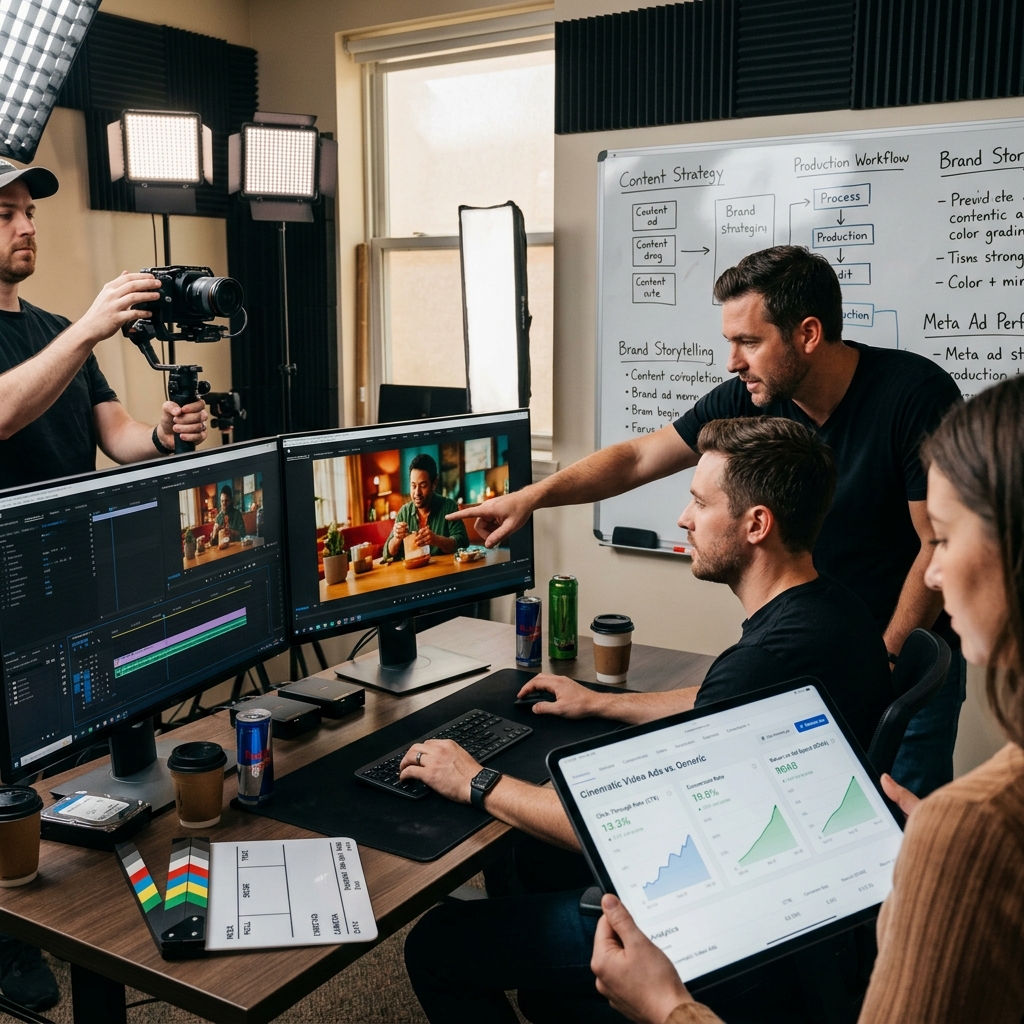
The first ad in a sequence typically focuses on problem recognition or pattern interruption. It stops the scroll and makes viewers aware that a solution exists. The second ad often demonstrates the solution or shows a customer success story. The third might address objections or highlight specific benefits. Each ad builds on context created by the previous one.
This sequencing reduces friction. Someone who sees the full sequence understands your value proposition more deeply than someone who sees a single ad. They’re more likely to click and convert because the message has been reinforced and contextualized.
Storytelling within individual ads also matters. A short narrative arc (even in 15 seconds) is more memorable and shareable than a feature dump. We focus on the emotional journey: what does the customer feel before engaging with you, and what do they feel after? That transformation is the story.
We also match ad creative to audience segments. New audiences need different messaging than warm audiences. Website visitors need different social proof than cold prospects. Cinematic storytelling allows us to create these nuanced variations while maintaining visual and narrative coherence.
Actionable takeaway: Map out your next three ads as a sequence. What does each ad communicate, and how does it build on the previous one? This creates a more cohesive customer journey.
Measuring ROI on Cinematic Video Content
Quality creative only matters if it converts. We measure ROI on cinematic video ads through multiple lenses: click-through rates, cost-per-click, cost-per-conversion, and long-term brand lift.
Click-through rate (CTR) is the first indicator of creative effectiveness. Cinematic ads typically generate 1.5-3x higher CTRs than generic equivalents. This reduces your cost-per-click significantly, improving efficiency across all downstream metrics.
Cost-per-conversion is the ultimate measure. We track whether visitors from cinematic ads convert at higher rates than those from basic ads. Often, they do, because the quality creative attracts higher-intent viewers and sets proper expectations about your brand.
We also monitor downstream metrics: quality of leads, customer lifetime value of those acquired through cinematic ads, and repeat purchase rates. Sometimes higher-quality creative attracts slightly fewer clicks but higher-quality prospects who convert better and stick longer.
Longer-term brand metrics matter too. Exposure to premium creative builds brand perception over time, even if individual conversions don’t spike immediately. Users who see cinematic ads develop different perceptions of your brand than those who only see generic ads.
Our approach integrates UTM tracking, pixel data, CRM integration, and custom dashboards so you see exactly how every dollar of ad spend translates to qualified leads and revenue.
Actionable takeaway: Set up conversion tracking for your next video ad campaign. Track not just clicks, but qualified leads and sales. Attribute them back to the ad creative and placements.
How We Structure Short-Form Content for Meta Algorithm Performance
Meta’s algorithm favors video content that generates early engagement and watch time. We structure cinematic short-form ads to maximize both, which requires understanding technical and creative elements.
Technically, we optimize for mobile-first viewing with vertical aspect ratios (9:16 or 4:5 for Stories and Reels). We ensure text overlays are large enough to read on small screens. We use captions (with sound off in mind) to communicate even if audio isn’t available.
Creatively, we front-load the hook. The first 1-2 seconds must justify continued watching. This might be a striking visual, unexpected movement, or immediate narrative intrigue. Meta’s algorithm measures watch time, so keeping viewers engaged throughout the full duration signals quality to the platform.
We also vary shot lengths strategically. Shorter cuts (under 1 second) early in the video maintain pace and energy. Longer shots (2-3 seconds) can appear when we want emotional weight or narrative clarity. This rhythm keeps attention active without feeling chaotic.
We intentionally design for shares and comments. Video that sparks conversation signals quality to Meta. Cinematic storytelling that touches viewers emotionally or surprises them is more likely to generate these interactions than generic product shots.
Finally, we optimize metadata. Strong headlines, descriptions, and captions improve click-through rates and help Meta understand and distribute your content to relevant audiences.
Actionable takeaway: If you’re launching a new ad, test it with different hooks in the first 2 seconds. Let data guide which opening works best with your audience.
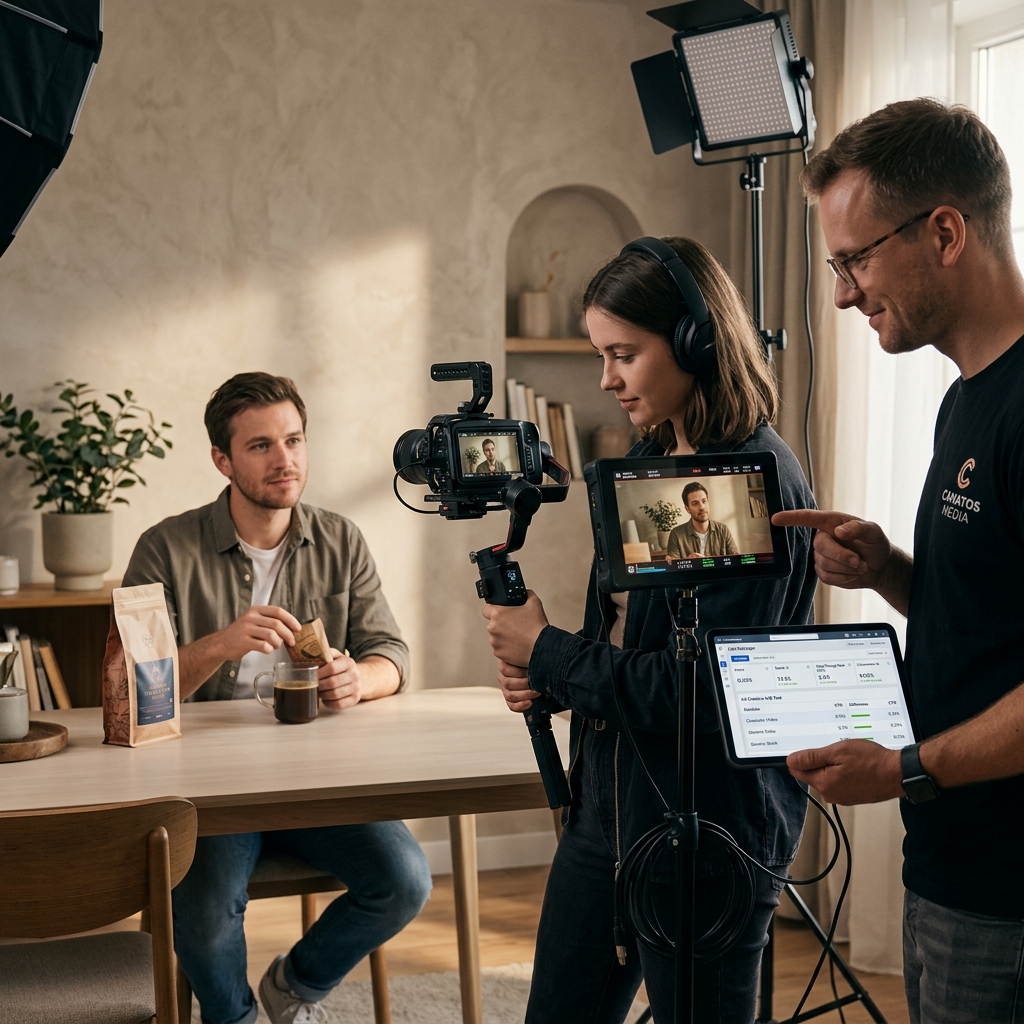
Case Study: Converting Attention Into Qualified Leads
We worked with a multi-location service-based brand struggling to convert ad traffic into qualified leads. They were running generic product videos with 0.8% CTR and a cost-per-lead of $45. Their media spend was high, but returns were thin.
We repositioned their ads around cinematic customer success stories. Instead of showing the service in isolation, we filmed real customers before and after, with color grading and pacing that emphasized the transformation. We kept each ad to 15 seconds and sequenced three different customer stories across their audience.
Results shifted within two weeks. CTR increased to 2.1%, reducing cost-per-click by 62%. More significantly, leads from the cinematic ads qualified at a higher rate: 34% vs. 18% from generic ads. Their cost-per-qualified-lead dropped to $28, a 38% improvement.
Over three months, the brand generated 180% more qualified leads with the same total media spend, simply by investing in premium creative. The quality of leads also improved, leading to higher conversion rates down the funnel.
You can explore more detailed results and approaches in our case studies.
Actionable takeaway: If you’re running ads with low conversion rates, audit your creative first before increasing spend. Better creative often fixes performance more effectively than higher volume.
Getting Started With Cinematic Ads for Your Business
Start small and systematic. Identify your single highest-value customer action (a product purchase, qualified lead, or free consultation request). Film one cinematic video showcasing a customer achieving that outcome.
The production doesn’t need to be expensive. Smartphone cameras can produce cinematic content with proper lighting, composition, and color grading. Alternatively, work with a video production partner who understands paid platform requirements.
Launch with a small audience and budget ($100-300). Measure click-through rate, cost-per-click, and cost-per-conversion. Compare directly against your current generic creative to see the lift.
If results improve (and they typically do), expand the approach. Build 2-3 variations of cinematic ads with different hooks or customer stories. Sequence them strategically. Increase your media spend based on demonstrated ROI.
The shift from generic to cinematic video ads isn’t a one-time expense. It’s a strategic evolution in how you communicate with prospects. Every dollar invested in quality creative compounds over time as you refine messaging, expand audience reach, and build a cohesive brand narrative.
We specialize in this exact process, combining cinematic short-form video production with Meta paid advertising expertise to turn attention into measurable growth. If you’re ready to improve your ad performance, we’re here to help you build creative that stops scrolls and converts.
Contact us today for a free consultation to see how we can help you grow your business.
Frequently Asked Questions (FAQ)
Why does cinematic quality matter more than just having any video ad?
We’ve found that generic videos blend into the infinite scroll, while cinematic production stops people mid-feed because it signals professionalism and investment. When we use intentional lighting, color grading, and strategic sound design, Meta’s algorithm recognizes higher engagement signals—longer watch time, fewer skips—which improves your ad’s distribution and lowers your cost per result. The production quality directly impacts whether your audience perceives your brand as premium or amateur, which influences both click-through rates and conversion likelihood.
How do we measure whether our cinematic video ads actually drive leads and sales?
We implement conversion tracking from day one and measure performance across multiple dimensions: view-through rates, click costs, landing page behavior, and most importantly, qualified lead generation and sales outcomes. Our team structures our reporting so you see exactly which ad sequences convert prospects into customers, not just vanity metrics like views. This allows us to continuously refine the creative storytelling elements that actually move your specific audience toward a purchase decision.
Can you produce high-quality video ads at a scale that makes sense for our budget?
We’ve built our production workflow to deliver cinematic short-form content efficiently without cutting corners on quality—we use streamlined filming techniques and post-production processes that maintain premium results across multiple ad variations. This means we can create the volume of fresh creative you need for Meta’s algorithm while keeping per-video costs reasonable for ongoing paid campaigns.