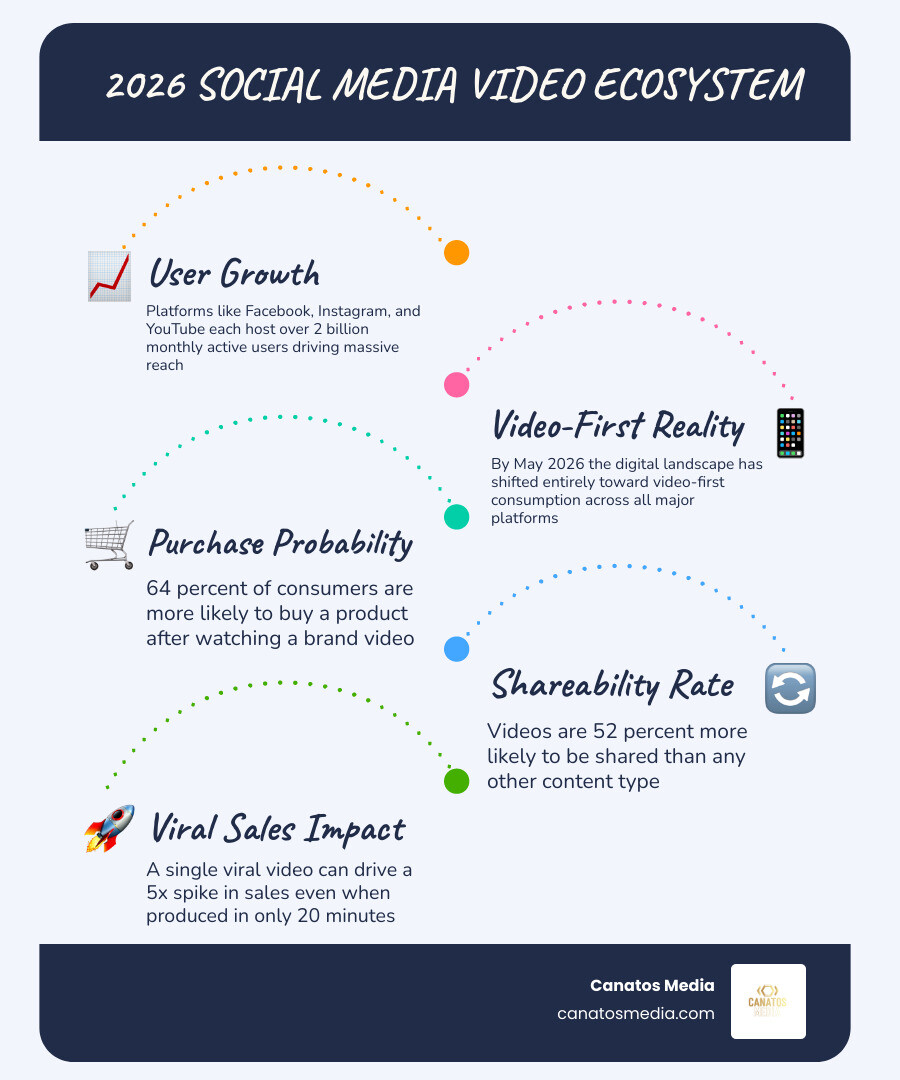
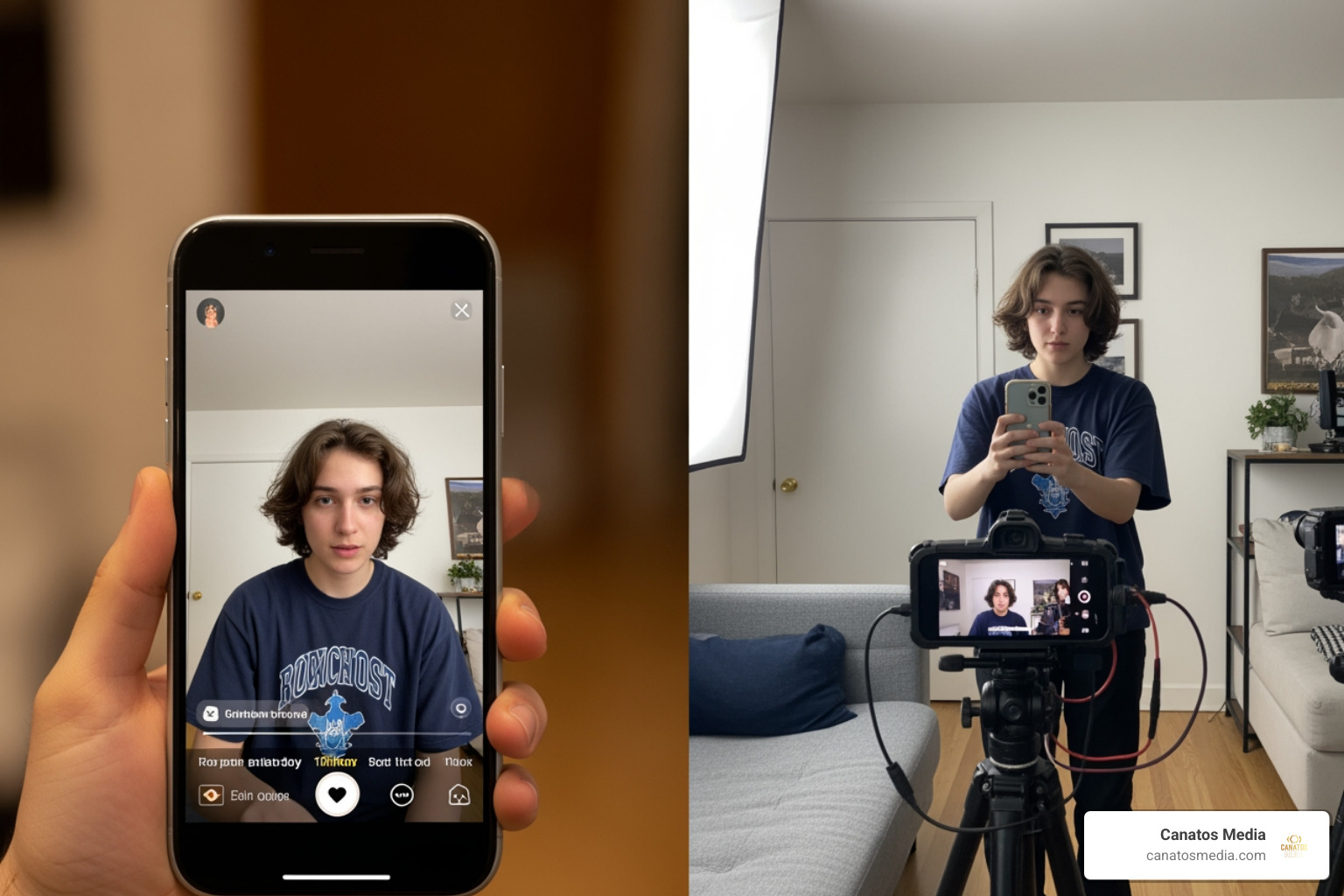
1. Hook Your Audience in the First 3 Seconds
Your opening frame determines everything. Viewers decide within the first second or two whether to keep watching or keep scrolling. The hook isn’t a tagline or voiceover. It’s a visual moment that creates curiosity or immediate value.
Strong hooks typically fall into a few patterns:
- A striking visual transition or movement that breaks the pattern of their feed
- A problem statement that resonates instantly (“Your team is wasting 5 hours weekly on this”)
- A result promise shown immediately (“We cut client onboarding time by 60%”)
- A pattern interrupt like unexpected text overlays, dynamic cuts, or motion that demands attention
Here’s the practical difference: a video that says “Learn how we help contractors” in voiceover will lose 70% of viewers before the message lands. A video that opens with before/after footage of a completed project, fast-paced and silent with bold text, stops the scroll.
Test your opening 10 seconds independently. If someone mutes the sound, does your hook still work? If the answer is no, you haven’t hooked yet.
Actionable takeaway: Shoot or edit at least three different opening sequences for your next video. Test each with a small paid audience segment. Track which one gets the highest watch-through rate, then apply that style to your next 5 videos.
2. Master the Visual Language of Your Brand
Consistency doesn’t mean repetition. It means recognizable patterns that train your audience to expect quality when they see your content in their feed.
Visual language includes:
- Your color palette and how it appears across cuts
- The pacing of your cuts (slow and deliberate vs. punchy and rhythmic)
- Specific camera movements you return to (slow push-in, parallax effects, top-down perspective)
- Typography: font choices, text animation speed, placement on screen
- How you treat transitions (hard cuts, fades, slide effects)
- Your lighting signature (warm and intimate, cool and energetic, high-contrast)
A roofing contractor’s brand might use aerial drone shots, warm golden hour lighting, and 1-2 second cuts to signal expertise and trust. A tech company might prefer quick-cut editing, blue and white palettes, and dynamic text overlays to signal innovation.
When your audience sees that first second, they should already know it’s you. This builds brand recall without requiring logos or voiceovers.
Document your visual language in a simple style guide: three reference videos that represent your look, the specific fonts you use, your key color hex codes, and the camera movements you prefer. This becomes your north star when creating new content or working with a production partner.
Actionable takeaway: Pull three of your best-performing videos. Identify 2-3 visual elements they share. Make those elements non-negotiable in your next 10 videos.
3. Build Lead-Capture Funnels Into Your Video Content

A beautiful video that drives engagement but not leads is a beautiful waste of production budget.
The conversion path should be designed into the video strategy, not bolted on afterward. This means understanding exactly where and how viewers will take the next step.
Common lead-capture approaches:
- End screens with a link to a lead form or landing page
- Call-to-action text overlays that direct to a specific URL or DM prompt
- Comments-based CTAs (“Reply with STRATEGY and we’ll send you our framework”)
- Link-in-bio landing pages that change based on which video is currently performing
- Direct messaging funnels where viewers DM a keyword or emoji
The strongest approach depends on your platform and your audience behavior. On Instagram Reels, top-performing CTAs often ask for a DM or comment rather than clicking a link. On LinkedIn or TikTok, direct links perform differently.
Here’s what makes the difference: your video should make the lead capture feel like the natural next step, not an interruption. If your video solves a specific problem, the CTA should be “Get the full framework we just showed you” or “See how this applies to your business.” Not “Click here for more info.”
We embed the lead journey into the video production and scripting phase. The CTA isn’t an afterthought. The entire video is structured to make that conversion point feel inevitable.
Actionable takeaway: Map your existing video CTAs. For the bottom 25% performers, change the CTA text, placement, or destination. Test each for two weeks before scaling.
4. Integrate Short-Form Video Across Your Social Media Strategy
Short-form video shouldn’t live in isolation on one platform. The best returns come from cross-platform distribution with platform-specific optimization.
A single video asset can be repurposed across:
- Instagram Reels (9:16 vertical, max 90 seconds)
- TikTok (9:16 vertical, captions in-video)
- LinkedIn (1:1 square works best, sound-on audience)
- YouTube Shorts (9:16, leverages your YouTube SEO)
- Facebook Reels (9:16, older demographic)
But repurposing doesn’t mean uploading the same file everywhere. Platform algorithms reward native uploads, and each audience has different expectations.
Instagram users expect polished, cinematic content. TikTok viewers accept a wider range of aesthetics but demand authenticity and trend participation. LinkedIn users want educational value and professional insights. Adjust your pacing, captions, and sometimes the intro based on platform.
A video optimized for LinkedIn might have a longer hook because that audience will watch 4-5 seconds before deciding. A TikTok video needs to earn attention in 0.8 seconds.
Coordinate your posting schedule so videos hit platforms during peak hours for your specific audience. Use consistent messaging and hashtag strategy, but vary the specific copy to match platform norms.
Actionable takeaway: Pick your three strongest-performing videos from the last month. Reformat each for two platforms where you haven’t posted video content yet. Track reach and engagement against your current best performers.

5. Use Data-Driven Creative to Maximize Conversions
Cinematic doesn’t mean indulgent. Every shot, transition, and word should serve either emotional engagement or conversion metrics.
We track metrics that most creators ignore:
- Watch-through rate at 3 seconds, 50%, and full completion
- Audience retention graph shape (are people leaving at specific moments?)
- Which text overlay or visual element correlates with higher engagement
- Conversion source tracking (which videos actually drive leads vs. which just get views)
- Cost per lead by video type and platform
Most businesses measure vanity metrics like total views or likes. We measure: did this video move someone closer to a sales conversation?
This data informs every creative decision going forward. If videos with problem statements outperform result promises, you emphasize problems. If fast cuts lose viewers at the 15-second mark, you slow your pacing. If a specific visual style gets shared more, you double down on that style.
This isn’t about data replacing creativity. It’s about using data to amplify what’s working and kill what isn’t.
Test elements systematically: same script with three different paces, same concept with different opening visuals, same CTA with different placements. After 5-10 tests, patterns emerge. Double down on the winners.
Actionable takeaway: Set up conversion tracking on your next five videos. Tag each video with its creative approach (problem-focused, result-focused, trend-based, educational). After they run for two weeks, compare cost per lead. Allocate next month’s budget toward the highest performers.
6. Align Video Storytelling With Your Paid Advertising
Short-form video content performs best when it’s part of a larger funnel, not a standalone tactic.
Your organic videos should align thematically with your paid video campaigns. If you’re running paid ads about reducing client acquisition costs, your organic content should touch on that same pain point. This creates message consistency that compounds conversions.
Here’s how alignment works in practice: A contractor creates organic videos showing the before/after of a renovation. Those videos build awareness and establish a cinematic brand. Simultaneously, paid video ads run that show the same project (or similar), but with a direct CTA to book a consultation. The viewer who sees the organic content first recognizes the paid ad as familiar and trustworthy. They’re more likely to click.
The paid and organic content don’t need to be identical. But they should speak to the same transformation or benefit. This consistency builds credibility faster than isolated organic posts.
Your production strategy should account for this. When you’re filming a project or shoot, capture content that will work both as organic storytelling and as paid ad creative. Some footage gets polished into a 2-minute narrative. Other clips become 15-second paid ads. One shoot becomes five to seven unique content assets.
Actionable takeaway: Audit your current paid video campaigns. List the core benefit or transformation each one promises. Then check if your organic content addresses those same benefits. Fill gaps with new organic videos that prime your audience before they see your paid ads.
7. Create Repeatable Systems for Consistent Content Production

Consistency beats perfection. Publishing one cinematic video every month won’t move your business. Publishing one solid video weekly will compound measurably.
The businesses that win with short-form video treat content production like a system, not a project. They develop workflows that turn one shoot into multiple videos, templates that speed up editing, and approval processes that don’t kill momentum.
This is where many growth-focused business owners hit a wall. They create great content, then burn out trying to maintain it. The solution is systematization.
We’ve built our short-form video production approach around this principle. We design shoots that yield 8-12 unique video assets. We develop branded editing templates. We create content calendars 6-8 weeks out. We assign roles: who shoots, who edits, who manages uploads and captions.
A repeatable system typically includes:
- A monthly or quarterly shoot day (vs. ad hoc filming)
- A standardized shot list that covers multiple video concepts
- A content calendar that ties videos to your sales cycles and audience needs
- Templated editing workflows that reduce production time per video
- A review and approval process that doesn’t bottleneck
- A posting schedule that matches platform algorithms and your audience
Without this system, you’ll produce content sporadically, miss posting deadlines, and eventually abandon the effort.
Actionable takeaway: Schedule your next three shoot days for the next 90 days. For each shoot, define a target of how many unique videos you’ll create. Build an editing calendar backward from your posting schedule. Assign one person ownership of that calendar.
For further reading: Short-form video production.
Contact us today for a free consultation to see how we can help you grow your business.
Frequently Asked Questions (FAQ)
How do we help businesses turn short-form video views into actual leads?
We build lead-capture systems directly into your video content by strategically placing calls-to-action, landing page links, and conversion points within each piece we create. Our approach combines compelling cinematic storytelling with proven funnel mechanics, so your audience doesn’t just watch and scroll past – they take the next step toward becoming a customer. We also integrate these videos across your paid advertising campaigns to maximize the number of qualified prospects who see your message.
What’s the difference between how we produce short-form video versus generic content?
We focus on cinematic quality and brand storytelling rather than quick, throwaway clips. Our team creates visually distinctive content that reflects your brand’s unique value, uses professional cinematography techniques, and tells a narrative that resonates with your specific audience. This elevated approach means your content stands out in crowded social feeds and builds genuine connection with potential customers, not just fleeting attention.
Do we handle everything from video production to lead follow-up?
We manage the full journey – from filming and editing your cinematic short-form videos to deploying them across social platforms, running paid campaigns, optimizing your website for conversions, and setting up systems to capture and nurture leads. Rather than juggling multiple vendors, you work with us as your single partner for video production, digital strategy, and lead generation execution.