Day: May 21, 2026

  • Stop Burning Cash on Bad Meta Ads

    Stop Burning Cash on Bad Meta Ads

    Why Most Businesses Waste Money Without a Meta Ads Agency

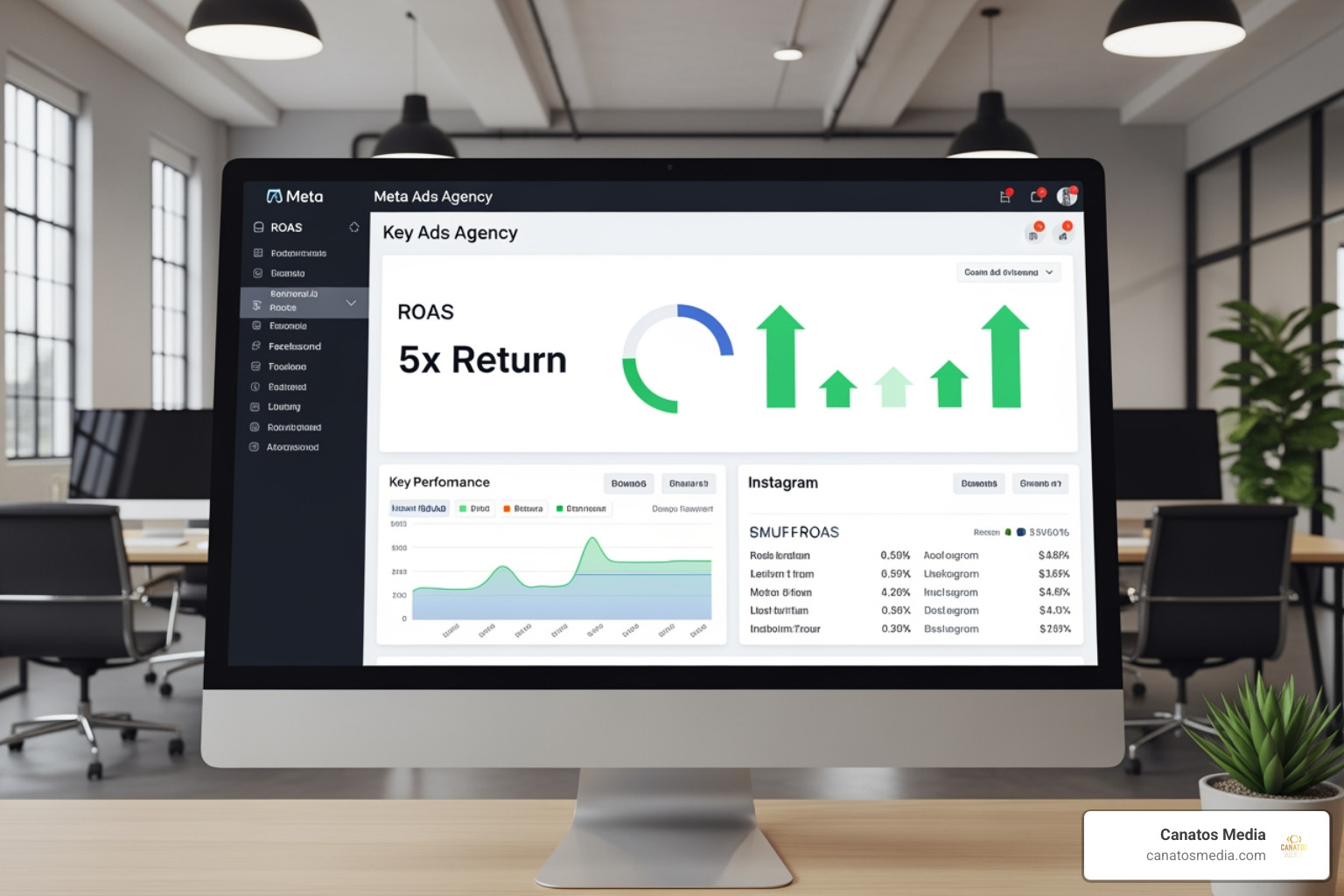
    Hiring a Meta ads agency is one of the fastest ways to stop burning your ad budget and start getting real, measurable returns on Facebook and Instagram.

    Quick answer — what a Meta ads agency does for you:

    Service What to Expect
    Campaign strategy Full-funnel setup across prospecting and retargeting
    Creative production Scroll-stopping video and image ads tested at scale
    Tracking & attribution Server-side data via Conversions API for accurate reporting
    Budget optimization Gradual scaling with guardrails to protect ROAS
    Reporting Real-time dashboards tied to revenue, not just clicks

    Meta’s ad platform reaches billions of people across Facebook, Instagram, Messenger, and WhatsApp. That reach sounds like an opportunity. But without the right strategy, it’s just an expensive way to get ignored.

    Most local business owners run ads, watch the budget disappear, and wonder what went wrong. The targeting was off. The creative didn’t stop the scroll. The tracking was broken. Or all three at once.

    The numbers tell the story. Top-performing agencies report results like a 3.27x ROAS within 90 days and cost-per-acquisition reductions of nearly 50%. Businesses that get those results aren’t lucky — they have a system.

    I’m Nic Canobbio, founder of Canatos Media, and my background in media production, live content, and AI-driven strategy gives me a unique lens on what actually works when evaluating a Meta ads agency for your business. In this guide, I’ll walk you through exactly what separates the agencies that scale brands from the ones that just spend your budget.
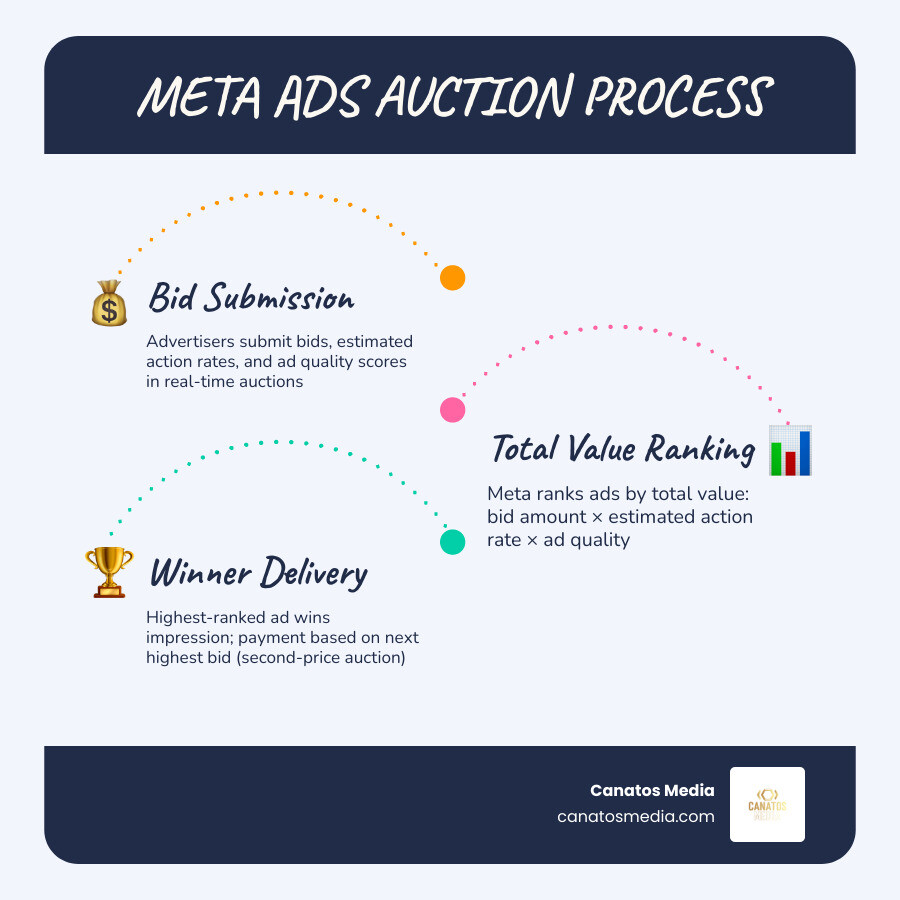
    Infographic showing Meta ads ecosystem: auction process, funnel stages, key metrics like ROAS and CAC infographic

    What Defines a Top-Tier Meta Ads Agency in 2026?

    Digital marketing strategy session with a team analyzing Meta campaign data

    As we move through 2026, the definition of a “good” agency has shifted. It’s no longer enough to just know how to “boost a post” or set up a basic interest-based audience. Today, a top-tier Meta ads agency acts as a technical and creative powerhouse. We’ve seen the landscape evolve where Meta’s AI now does much of the heavy lifting regarding targeting, which means the agency’s value has moved toward strategy, data integrity, and high-level creative direction.

    Leading agencies in the U.S. market are managing massive amounts of capital-some over $137 million in total spend-while maintaining impressive 91% yearly retention rates. Why do clients stay? Because these agencies focus on the metrics that actually pay the bills: revenue and pipeline growth, not just “likes” or “impressions.”

    For businesses in the tri-state area and Long Island, working with a partner that understands the local nuances of the Meta ads agency in the tri-state area landscape is vital. You need a team that doesn’t just treat your account as a “set it and forget it” project. Instead, you want an agency that views Ad Management as a continuous cycle of testing and refinement. It also helps to understand how Meta Platforms structures its advertising ecosystem, because platform changes often affect campaign performance, tracking, and creative best practices.

    How to Evaluate a Meta Ads Agency for Your Business

    When you’re vetting a potential partner, don’t just look at their website design. Look at the “war stories.” Have their clients raised significant capital? Some top agencies have helped clients secure over $700M in funding by proving their business model is scalable through paid social.

    Here are the non-negotiables you should look for:

    • Industry Certifications: Are they a Meta Business Partner? This ensures they have a direct line to support and are up-to-date on the latest API changes.
    • Niche Specialization: Do they understand your specific industry? A specialized Meta ads agency might focus on one area, while others focus on high-ticket lead gen or e-commerce.
    • Pipeline Growth: Ask for data on how they’ve grown client pipelines. Look for figures like $284.6M in generated pipeline-this shows they understand the long-game of sales, not just the initial click.
    • Technical Depth: Check their Tag: Paid Ads expertise. Can they explain how they handle the loss of third-party cookies? If they can’t talk about server-side tracking, keep walking.

    Scaling Your Meta Ads Agency Partnership

    Scaling is where most relationships break. You find a winning ad, you double the budget, and suddenly the ROAS (Return on Ad Spend) falls off a cliff. A sophisticated Meta ads agency prevents this by implementing budget guardrails and “learning phase” protections.

    We’ve seen brands achieve 309% DTC growth in as little as 90 days by following a Step-by-Step Guide to Paid Ads that prioritizes incremental scaling. This involves weekly optimizations where the agency analyzes which creatives are “fatiguing” and replaces them before performance dips. One standout case in the industry saw a brand hit 21K new orders in 60 days simply by refining their scaling strategy to match Meta’s 2026 algorithmic preferences.

    The Full-Funnel Blueprint for Maximum ROAS
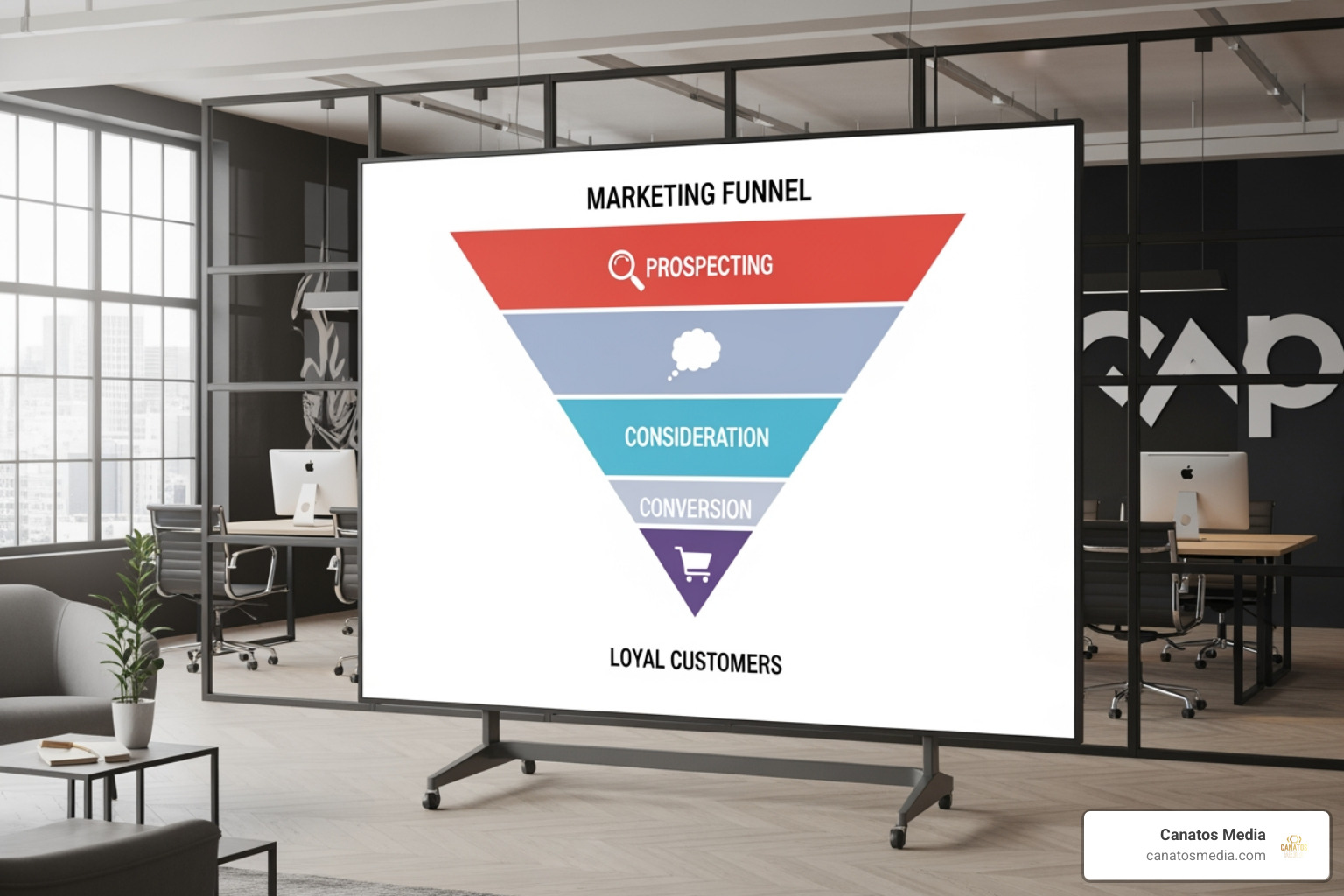
    Marketing funnel diagram showing the journey from cold prospect to loyal customer

    The “one-off ad” approach is dead. To win in 2026, you need a full-funnel blueprint. This means treating Meta as a complete ecosystem rather than just a billboard. A high-performing Meta ads agency structures campaigns to move a stranger to a customer in three distinct stages:

    1. Prospecting (Top of Funnel): Using Advantage+ campaigns to reach broad audiences. The goal here isn’t always an immediate sale; it’s about identifying intent and building an “audience of interest.”
    2. Consideration (Middle of Funnel): Retargeting people who engaged with your videos or visited your site but didn’t buy. This is where you overcome objections.
    3. Conversion (Bottom of Funnel): The “hard sell” or the “limited offer” that pushes the customer over the line.

    Agencies using this structured approach often see a 3.27x ROAS across the board. In fact, many e-commerce brands are now seeing a 4–5× average ROAS by properly segmenting their spend. If you want to dive deeper into how this works, check out our guide on Paid Social Media Advertising: From Zero to Hero in One Hour.

    Creative Velocity: The Secret to Scaling Without Performance Decay

    In 2026, creative is the new targeting. Because Meta’s AI is so good at finding people based on how they interact with content, the actual video or image you use tells the algorithm who to show the ad to. This is why “creative velocity”—the speed at which you produce and test new ads—is the number one factor in success.

    At Canatos Media, we specialize in cinematic short-form content because we know that “Reels-first” strategies are currently dominating the auction. You can’t just run one high-quality commercial for six months. You need a constant stream of:

    • UGC (User Generated Content): Authentic-feeling videos from real customers or creators.
    • Direct Response Video: Content designed to Stop the Scroll and Start the Toll with Meta Paid Ads.
    • High-Volume Iteration: Testing 10 different “hooks” (the first 3 seconds) for every one video.

    Top agencies now manage over 1,000+ creators to ensure they never run out of fresh assets. When you have high creative velocity, you prevent “ad fatigue,” which is when your target audience gets tired of seeing the same thing and stops clicking, causing your costs to skyrocket.

    Technical Precision: Tracking, Attribution, and the Conversions API
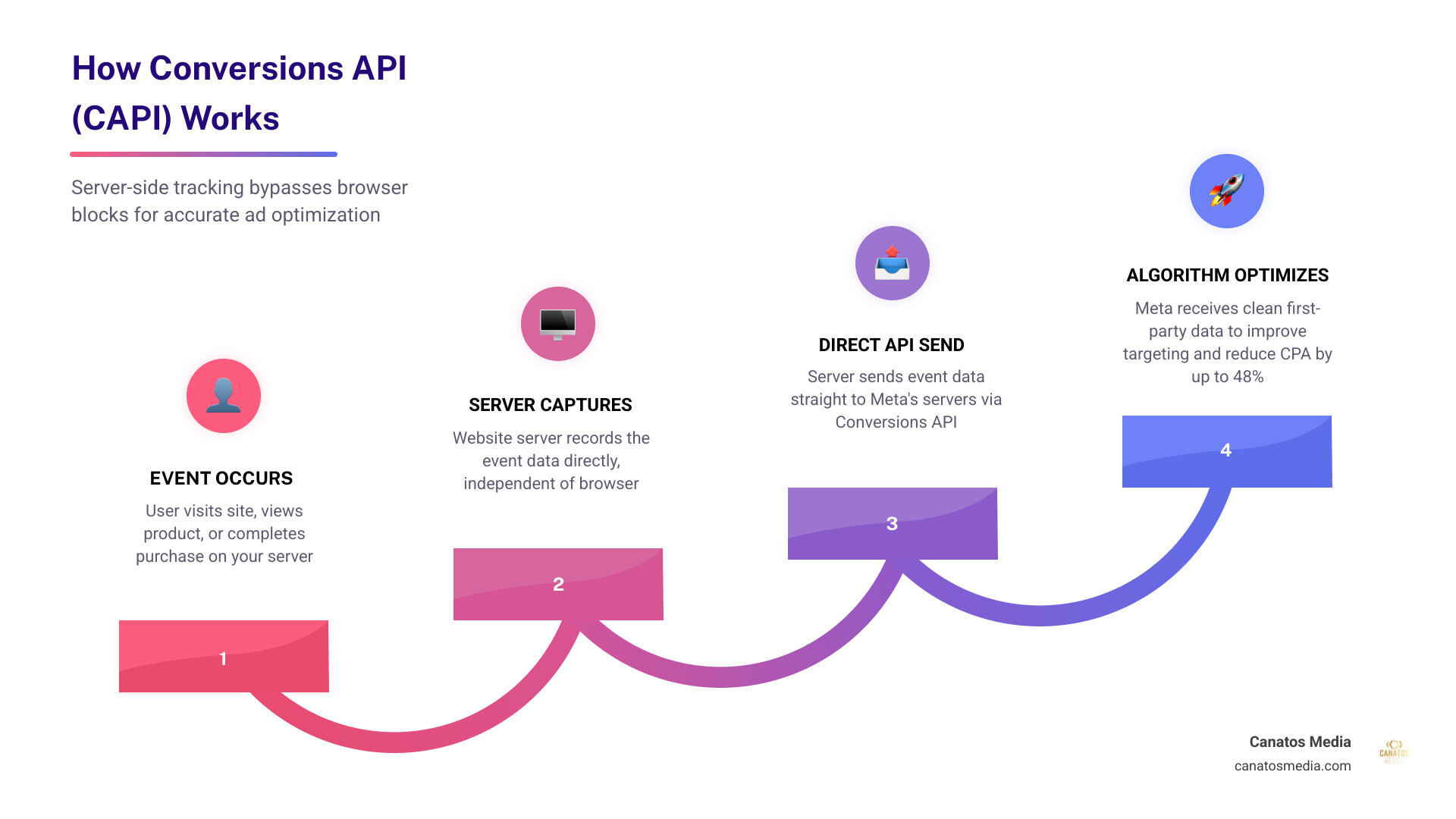
    Infographic showing how Conversions API (CAPI) sends data from the server to Meta, bypassing browser ad-blockers infographic

    If your tracking is broken, your ads are blind. Since the privacy updates of the last few years, the standard “Meta Pixel” isn’t enough. A professional Meta ads agency must implement the Conversions API (CAPI).

    CAPI allows your website’s server to talk directly to Meta’s server. This bypasses browser-based ad blockers and cookie restrictions, ensuring that when someone buys a product, Meta actually knows about it. This “clean data” allows the algorithm to optimize much faster.

    The results of technical precision are staggering:

    • -48% Cost per Acquisition: When the algorithm knows exactly who is converting, it stops wasting money on people who aren’t.
    • 186.4K Client Leads: Accurate attribution allows agencies to scale lead generation with confidence.
    • Better Event Match Quality: This is a technical score that tells you how well Meta can link a website action to a specific user.

    We emphasize this technical setup in our Meta & Google Advertising strategies because without it, you’re essentially guessing which ads are working.

    Choosing Your Partner: Performance-Based vs. Traditional Agencies

    Not all agencies are built the same. In the tri-state area and Long Island, you’ll find everything from “boutique” shops to massive traditional firms. Here is how they typically stack up:

    Feature Performance-Based Agency (The 2026 Model) Traditional Agency (The 2021 Model)
    Pricing Often flat fee + performance bonus Percentage of ad spend (incentivizes spending more)
    Creative High-velocity, UGC, and Reels-focused High-production, slow-turnaround commercials
    Focus ROAS, CAC, and Revenue Impressions, Reach, and “Awareness”
    Integration Includes CRO, SEO, and Lifecycle marketing Often siloed only in social media

    A performance-based Meta ads agency understands that Meta is just one part of the puzzle. They will often look at your Meta ads management strategy and suggest improvements to your landing page (CRO) or your email follow-up (lifecycle marketing). They know that if your website converts at 1% instead of 2%, no amount of great ad targeting will save you.

    Furthermore, these agencies often report a CAC (Cost Per Acquisition) of $40-100 per qualified call for their own services. They “eat their own dog food” by using Meta ads to find clients, proving the system works. Some even achieve intro call costs as low as $20 through hyper-optimized funnels.

    Frequently Asked Questions about Meta Advertising

    What results can I realistically expect in the first 90 days?

    Most businesses partnering with a competent Meta ads agency can expect to see a 3.27x ROAS and a significant reduction in CPA within the first 90 days. The first 30 days are typically the “Learning Phase” where data is gathered. By day 60, the winners are identified, and by day 90, the account is usually in a stable scaling phase. Some brands have even seen a 27x ROI in 28 days, though that usually requires a very high-demand product and perfect market timing.

    How do agencies handle audience overlap and ad fatigue?

    Top agencies use sophisticated exclusion logic. For example, they ensure that people who have already purchased are excluded from “prospecting” ads so you aren’t paying to show a “buy now” ad to someone who bought yesterday. To fight fatigue, they use creative rotation—constantly swapping out images and videos to keep the feed fresh. They also leverage Advantage+ audience targeting, which allows Meta’s AI to find new pockets of people outside of traditional interest groups.

    Do Meta agencies use their own ads to find clients?

    Yes, the best ones do! It’s a red flag if a professional Meta advertising agency doesn’t run their own ads. Successful agencies use Meta to promote lead magnets (like a free audit or a PDF guide) and VSLs (Video Sales Letters) to demonstrate their expertise. Reported CAC for agencies usually ranges from $60-100 per qualified call, proving that even in the competitive B2B space, Meta is a goldmine for those who know how to use it.

    Conclusion

    The era of “guessing” with Facebook and Instagram ads is over. Whether you are a local business in Long Island or a growing brand in the tri-state area, the difference between burning cash and printing money comes down to three things: Technical Precision, Creative Velocity, and a Full-Funnel Strategy.

    At Canatos Media, we don’t just “run ads.” We build integrated growth engines. By connecting cinematic content with advanced targeting and server-side tracking, we’ve helped clients generate over $126.3M in revenue and a staggering $284.6M in pipeline.

    Stop settling for mediocre results and “set it and forget it” management. It’s time to leverage an integrated strategy that connects your content directly to your conversions.

    Start your growth journey with Canatos Media and let’s build a Meta ads machine that actually moves the needle for your business.
  • Top 7 Best Practices for Scalable Short-Form Video Production Across Locations

    Top 7 Best Practices for Scalable Short-Form Video Production Across Locations

    1. Establishing Brand-Consistent Visual Guidelines Across All Locations

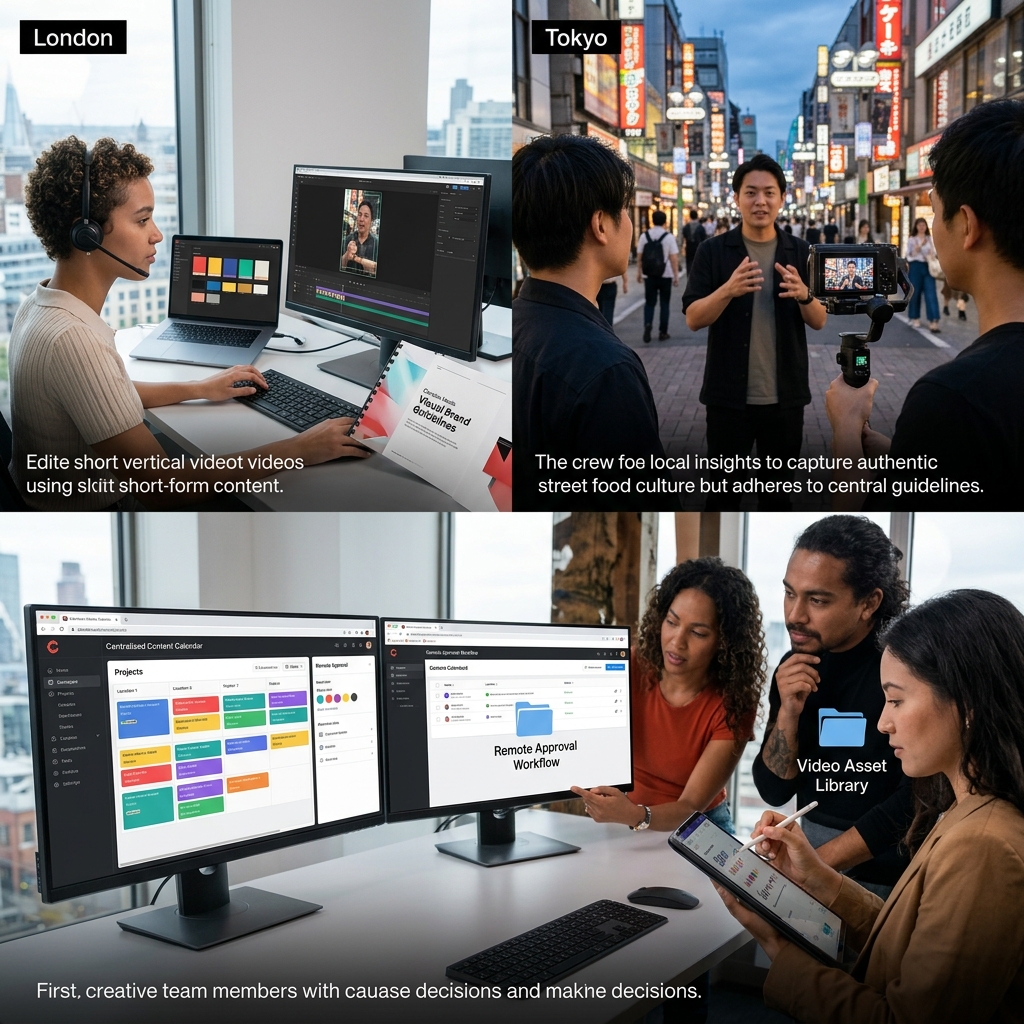
    Managing video production across multiple locations presents a unique challenge. You need consistency that reinforces your brand identity, but you also need flexibility to capture authentic local moments. When done poorly, you end up with fragmented content that dilutes your message. When done well, scalable short-form video production becomes your competitive edge, turning distributed teams into a unified content engine.

    We’ve helped multi-location service businesses and franchise owners solve this exact problem. Here’s what separates operations that scale smoothly from those that create bottlenecks, quality issues, and wasted resources.

    Brand consistency isn’t about rigid rules that stifle creativity. It’s about creating a framework that every location can work within confidently, knowing their output will feel authentically “your brand.”

    Start by documenting your visual language in one place. This means defining color palettes (specific hex codes, not just “blue”), approved fonts, logo usage, motion styles, and on-camera talent guidelines. If your brand uses quick cuts and energetic music, that’s a statement. If it uses longer shots and softer transitions, that’s equally important to lock down.

    The difference between a guideline that gets followed and one that gets ignored is specificity. Instead of saying “use our brand colors,” show examples of how those colors appear in different lighting conditions, on various backgrounds, and across different video formats. Include do’s and don’ts. If you have multiple locations with different aesthetics (a luxury salon in Manhattan versus a suburban wellness center), create location-specific sub-guidelines that honor both the local environment and the brand standard.

    Action step: Create a one-page visual brand sheet with five core rules and five actual video examples showing those rules in action. Share it with every location lead and make it part of your onboarding.

    2. Building a Centralized Content Calendar for Distributed Teams

    Without a shared content calendar, locations operate in silos. One team shoots product launches while another films customer testimonials, and nothing amplifies each other’s reach. A centralized calendar keeps everyone aligned on themes, posting days, and strategic objectives.

    Set up a calendar tool that shows what’s going out across all channels, on all dates. Include campaign themes for each month, key promotional periods, and seasonal angles. If you’re running a paid ad campaign in Q2, your locations need to know that their organic content should complement that message. If a new service launches, every location should be capturing related content within the same week.

    The calendar should include content type, location(s) involved, posting date, and the campaign it supports. Build in buffer time. A realistic timeline gives locations two to three weeks’ notice before a shoot date, which is enough time for crews to coordinate and enough lead time to adjust if something falls through.

    Assign one person (or a small team) to own the calendar. This person communicates deadline shifts, consolidates requests, and prevents scheduling conflicts. Without clear ownership, calendars become outdated and people stop trusting them.

    Action step: Audit your current posting schedule across locations. Identify one month where you’ll test a unified calendar theme (like “Team Spotlight Month”) and measure engagement lift.

    3. Implementing Efficient Remote Approval Workflows

    Long approval chains kill momentum. By the time a video gets signed off, the content feels stale and the team’s energy has moved to the next project.

    Build a tiered approval system. Draft content goes to a local lead for quality check. Approved drafts move to a brand manager or creative lead for consistency review. Only significant deviations or brand concerns trigger back-and-forth revision cycles. Most videos should clear in one or two rounds.

    Use a platform that keeps everything in one place. Dropbox, Frame.io, or similar tools let you embed approval directly into the video file, add timestamped comments, and track version history. This beats email chains and prevents confusion about which cut is the “final” one.

    Set clear approval timeframes. If local approval takes 48 hours and brand approval takes another 24 hours, the team knows the video will be ready to post on Thursday. Missing that window means waiting another cycle. Predictability removes friction.

    For routine content (weekly team updates, location features), consider pre-approval. The location submits a video that follows the established template and visual guidelines, and if it hits the checklist, it posts automatically. Save your critical review attention for campaign-critical content or new formats.

    Action step: Map out your current approval chain. Time how long each step actually takes. If it’s over five business days for standard content, you need to streamline.

    4. Leveraging Local Insights While Maintaining Brand Standards

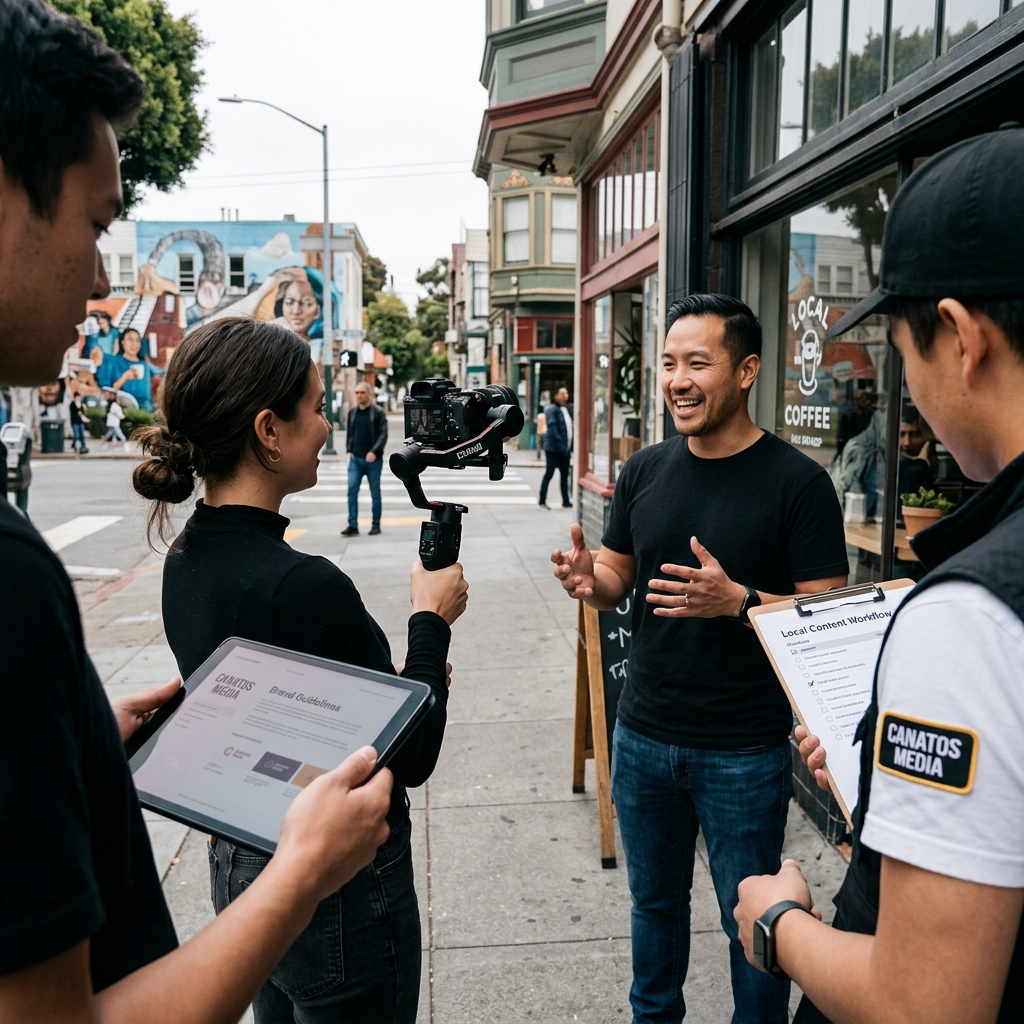
    Your locations see things headquarters doesn’t. A location team understands their community, their competitors, and what resonates with their local audience. Centralizing production doesn’t mean centralizing ideas.

    Create a formal channel for location teams to pitch content ideas. This might be a monthly “content ideas” form where managers submit local angles that fit the brand calendar. Maybe a particular location has a unique event coming up, or a team member has a story that could resonate. Good ideas bubble up and get resourced.

    The key distinction: local insights shape the stories you tell, not the visual language or brand voice. A fitness franchise’s New Jersey location might pitch content around a local sports team partnership. That’s valuable. But the video still needs the same color grade, music style, and on-camera talent approach as every other location’s content.

    Establish approval criteria that encourage local ownership while protecting brand integrity. Ask: Does this idea serve our target customer? Does it fit our current campaign theme? Does it work within our visual guidelines? If yes to all three, resource it. If it’s outside the theme but the idea is strong, consider how it might shift next month’s calendar.

    Action step: Send a one-question survey to all location leads: “What’s one story or moment unique to your area that you think our customers would care about?” You’ll be surprised at what comes back.

    5. Optimizing Asset Management and Video Library Systems

    When you’re producing dozens of videos a month across multiple locations, files get lost. The edit bay can’t find the project file. A new team member needs old footage for reference and spends an hour searching. Locations re-shoot content that already exists somewhere else.

    Implement a centralized asset library. This includes master footage, approved edits, graphics, music, and lower-third templates. Everything gets tagged by location, date, campaign, and content type. When a producer starts a new project, they can pull from existing approved assets instead of building from scratch.

    Use clear naming conventions. A file called “NYC-Jan2026-CustomerTestimonial-v2-FINAL.mp4” tells you exactly what you’re looking at. Ambiguous names like “Edit-2.mp4” create confusion. Standardize this across all locations.

    Back everything up redundantly. Cloud storage with version control prevents the scenario where someone accidentally overwrites a file and loses hours of work. Require all locations to export final assets to the central library within 24 hours of approval.

    Action step: Spend one afternoon auditing your current file system. If you can’t locate three random videos within five minutes, you need a better system.

    6. Creating Repeatable Video Formats That Scale

    Format is the secret weapon of scalable video production. When you define specific formats and templates, production becomes teachable and efficient.

    Identify the 4-6 core formats that drive results for your brand. This might be:

    • 30-second customer testimonials (specific framing, music, graphics)
    • 15-second product features (consistent b-roll approach, text overlay style)
    • 60-second team culture videos (interview setup, on-camera talent guidelines)
    • Behind-the-scenes location tours (camera movement style, pacing)

    For each format, create a production brief that covers shot list, music style, pacing, graphics approach, and typical length. When a location knows they’re producing a “Format A: Customer Testimonial,” they understand the constraints and can execute independently.

    Standardized formats also make editing faster. An editor working on the tenth testimonial can build off the ninth one’s template, making significant time savings. This is where scalable production truly becomes efficient.

    Formats don’t mean boring. Within the framework, local variation is encouraged. The testimonial format includes guidelines on framing and graphics, but the actual story and location stay unique.

    Action step: Document your three most-produced video types right now. Write a one-page production brief for each, including a reference video example.

    7. Measuring Performance and ROI Across Multi-Location Campaigns

    Production without measurement is just content creation. You need to know which formats, locations, and messages actually drive business results.

    Set up unified analytics tracking. Every video across every location should be tagged with campaign source, location, and format. This means your social media manager can pull a report answering: “Which location’s testimonial videos drive the most website visits?” or “Do team culture videos outperform product features?”

    Track both content metrics (views, shares, engagement rate) and business metrics (website traffic, lead form submissions, conversion rate). If a location consistently produces videos that drive leads at a better rate than others, reverse-engineer why and teach that playbook to underperforming locations.

    Monthly reporting keeps teams accountable and informed. Show each location how their content is performing, celebrate wins, and share learnings. If Location A’s videos generate leads 20 percent cheaper than the average, other locations want to know what they’re doing differently.

    Use these insights to refine your content calendar and formats. If short testimonials underperform but longer stories overperform, adjust next month’s production plan. If certain locations consistently miss targets, they might need different format guidance or additional training.

    When you connect video production to actual lead generation and sales, it stops being “the content team’s problem” and becomes everyone’s growth lever.

    Action step: Audit where your last 20 qualified leads came from. How many came through video content? Which videos drove those leads? Use this to set a baseline and build a measurement system around it.

    For further reading: Case studies.

    Contact us today for a free consultation to see how we can help you grow your business.

    Frequently Asked Questions (FAQ)

    How do we maintain video consistency when producing content across multiple locations?

    We establish detailed visual guidelines that cover everything from color grading and font usage to camera angles and pacing. Our teams at each location follow these standards while we use a centralized asset management system to store approved templates, brand assets, and reference videos. This approach lets local teams move quickly without sacrificing the cohesive look that makes your brand recognizable across all platforms.

    What’s the most efficient way to approve videos when we’re managing multiple locations?

    We implement a streamlined remote approval workflow where all video drafts get reviewed in a shared system with timestamped feedback. Rather than lengthy email chains, we consolidate revision requests and use version control so teams know exactly which changes were made and why. This typically cuts approval cycles in half compared to traditional methods.

    How do we measure whether our multi-location video strategy is actually generating leads and sales?

    We track performance metrics across each location separately and in aggregate, monitoring view-through rates, engagement, click-through rates on paid campaigns, and ultimately how many qualified leads each video asset drives. Our reporting connects video performance directly to lead generation systems, so we can show you exactly which content formats and locations are delivering the strongest ROI for your business.