Why Short-Form Video Dominates Social Platforms in 2026
Short-form video has become the primary way audiences discover, engage with, and remember brands. Whether you’re running a service-based business, managing multiple locations, or building a product brand, understanding how to create and optimize short-form content is no longer optional. At Canatos Media, we’ve spent years perfecting the short-form social content strategy that turns scrolling viewers into qualified leads. This guide shares the framework we use with our clients to maximize reach, engagement, and revenue from Reels, Shorts, and TikTok.
The average attention span on social media has compressed dramatically. Platform algorithms reward rapid viewer retention, and the most effective way to hold attention in the first three seconds is through visual storytelling that moves. Instagram, YouTube, and TikTok have collectively made short-form video their priority distribution channel, meaning content in these formats reaches significantly wider audiences than static posts or long-form feeds.
For business owners, this shift represents opportunity. Short-form video allows you to demonstrate your expertise, showcase customer results, highlight product features, and build brand personality faster than any other content format. A 15-second video showing a service in action communicates trust and capability more effectively than a written case study. Multi-location brands benefit especially because short-form allows rapid scaling: one shoot can produce dozens of variations for different locations, customer types, or seasonal angles.
The data backs this up. Platforms report that video content generates 3-5x higher engagement rates than image-based posts, and short-form specifically drives more follower growth than long-form alternatives. For service-based businesses, this translates to more qualified profile visits, website clicks, and inquiry form submissions.
The Challenge Most Brands Face with Short-Form Content
Most business owners recognize they need short-form video but struggle with consistent production. The obstacles are real: finding time to plan, coordinating shoots, managing editing workflows, and maintaining a publishing schedule while running the core business. The result is sporadic posting, inconsistent quality, and missed algorithm benefits from regular content velocity.
Another challenge emerges once content goes live. Many brands create entertaining videos that generate views but fail to connect those views to actual leads or sales. High view counts don’t automatically translate to revenue if there’s no system to capture interested viewers or guide them toward a purchase decision.
Finally, brands often treat each platform identically, uploading the same video to Instagram, YouTube, and TikTok with minimal adjustments. Each platform has distinct audience expectations, optimal video lengths, and algorithm behaviors. A one-size-fits-all approach leaves engagement and reach on the table.
How We Structure Our Short-Form Video Production Process
Our production process combines strategic planning with operational efficiency so you get consistent, high-quality content without the internal coordination headaches.
We start by mapping your brand narrative and identifying the specific customer journey moments where short-form video adds value. This isn’t brainstorming random trending sounds or copying competitor formats. Instead, we identify what stories your audience needs to hear to move closer to a purchase decision. For a pest control service, that might be educational content showing pest identification, before-and-after treatment transformations, or customer testimonials. For a multi-location fitness brand, it’s workout inspiration, member transformations, and community culture clips.
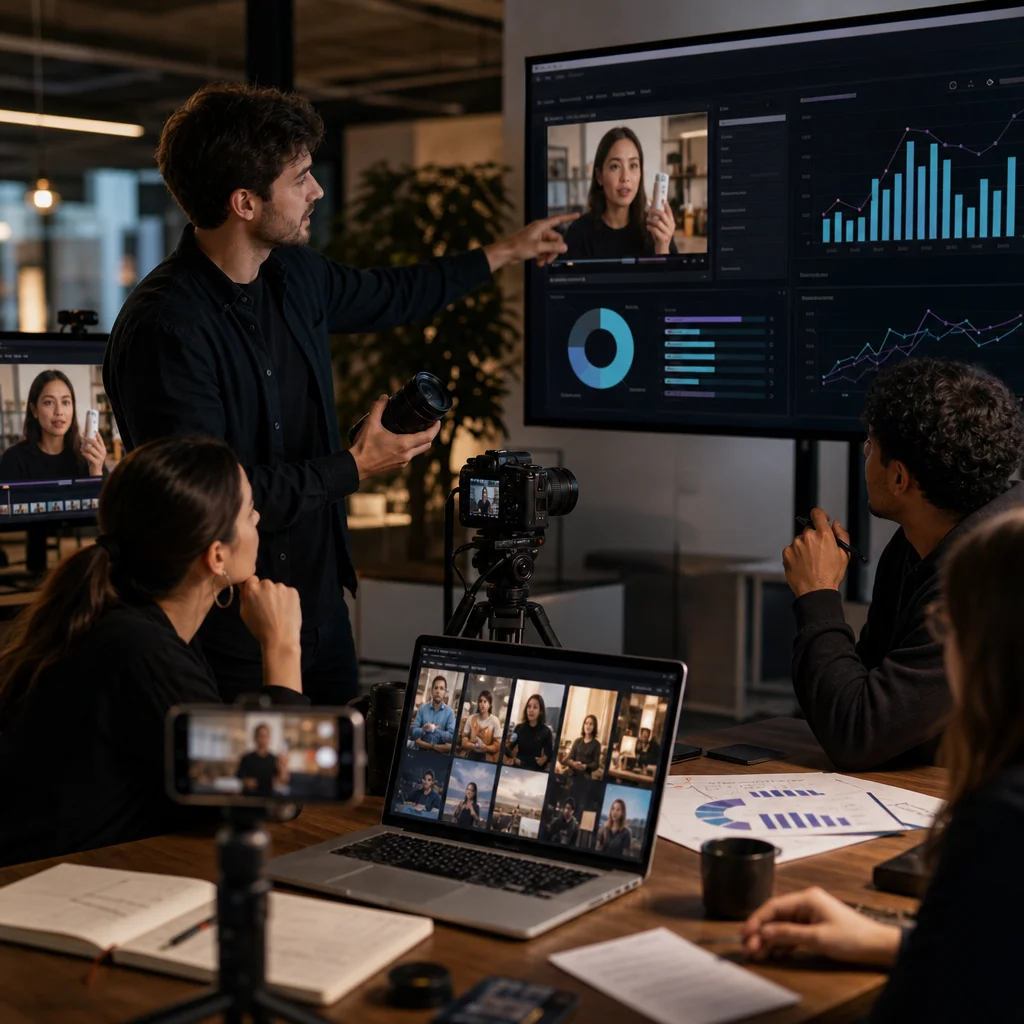
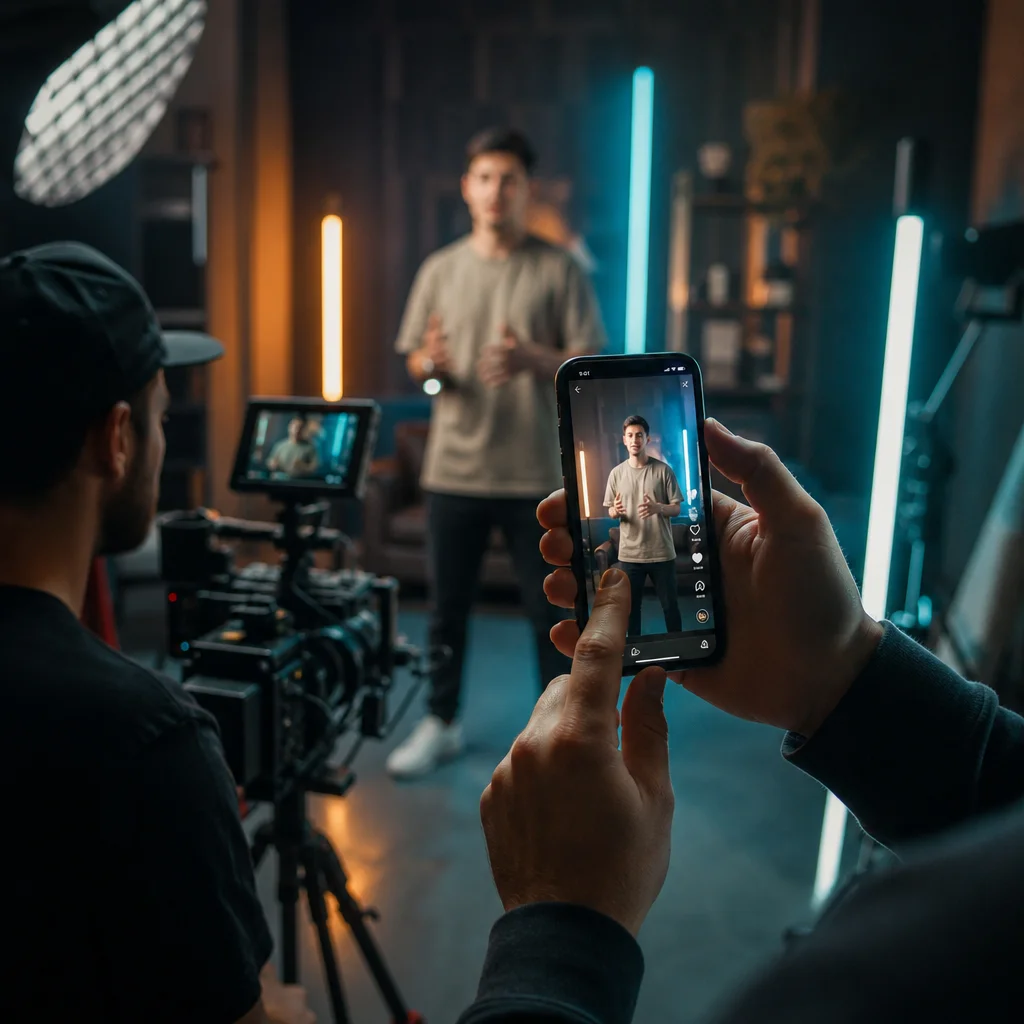
Next, we build a content calendar with themed shoot days. Rather than filming one video at a time, we batch-produce content. In a single shoot day with your team, we capture 20-30 pieces of raw footage that can be edited into 50+ finished short-form videos. This efficiency keeps production costs manageable and ensures you have weeks of content ready to publish.
The editing phase applies our cinematic principles to short-form. We add intentional music, pacing, color grading, and text overlays that make your content feel polished and intentional. The goal is to stand out in a crowded feed while maintaining your brand’s visual identity.
Finally, we schedule uploads strategically across platforms based on when your specific audience is most active. Consistency matters more than frequency, so we typically plan for 3-5 uploads per week per platform.

Action Step: Audit your current short-form content. How many videos did you post last month? What was the editing quality and consistency? Identifying gaps here clarifies whether production, strategy, or distribution is your limiting factor.
Optimizing for Each Platform: Reels, Shorts, and TikTok Differences
Instagram Reels, YouTube Shorts, and TikTok all use short-form video, but optimizing for each platform meaningfully improves performance.
Instagram Reels thrive with production quality and polish. The Reels audience expects cleaner editing, intentional color grading, and professional-feeling transitions. Reels perform well with captions, trending music, and a hook in the first frame that compels viewers to keep watching. For service-based businesses, Reels work especially well for customer testimonials, before-and-afters, and behind-the-scenes team culture content.
YouTube Shorts favor slightly longer videos (up to 60 seconds) and reward educational or entertaining value. The algorithm surfaces Shorts to your existing subscribers first, then to discovery audiences. This means Shorts work well for channel education, product demonstrations, and value-driven tips your audience actively searches for.
TikTok’s algorithm is the most aggressive and most likely to surface your content to cold audiences. The platform favors authenticity over production polish, so heavily edited content can underperform. TikTok audiences expect faster pacing, more frequent trending audio, and a willingness to participate in platform trends. For businesses, TikTok is the growth engine for reach, though Instagram and YouTube often convert viewers to customers more directly.
The practical approach: create base video content, then customize for each platform. The same customer testimonial might be 15 seconds for Instagram (with branded graphics), 45 seconds for YouTube (with intro and CTA), and remixed with trending audio for TikTok. This platform-specific optimization typically increases performance by 40-60% compared to uploading identical content everywhere.
Connecting Short-Form Views to Measurable Lead Generation
Views are vanity metrics without a system to convert them. We build intentional bridges from short-form content directly into your lead generation funnel.
Each short-form video includes a clear call-to-action, typically one of three types: visit the link in bio, comment for more information, or send a DM. For service businesses, we often direct traffic to a landing page offering a free consultation or assessment. For product brands, videos might direct to a discount code or product page.
The critical second step is retargeting. Viewers who watch your video but don’t convert on the first interaction see targeted ads showing social proof, customer results, or limited-time offers. This retargeting layer typically converts 3-5x more cold viewers than relying on organic engagement alone.
We also use platform-native lead capture features. Instagram’s lead forms allow viewers to submit contact information without leaving the app. YouTube’s link cards direct viewers directly to conversion pages. TikTok’s affiliate and shopping integrations connect content to products. Building these capture mechanisms directly into your content distribution strategy is what separates sustainable lead generation from simple content publishing.
For multi-location businesses, we often create location-specific short-form content paired with location-specific landing pages and ad campaigns. A video showing a particular location’s team or community drives more qualified leads than generic brand content.
Action Step: Identify one short-form video you’ve already published. Where does a viewer go after watching? Is there a clear next step, or does the engagement end with a like? Clarifying this gap is the first step toward meaningful lead generation.
Integrating Short-Form Content Into Your Broader Digital Strategy

Short-form video shouldn’t exist in isolation. The most effective approach integrates short-form into your full digital ecosystem.
Your short-form content supplies asset material for paid advertising. The highest-performing organic videos make the best ad creative. We repurpose top short-form videos as Facebook and Google ads, where they typically convert at 2-3x higher rates than static image ads. This means your production investment generates value across both organic and paid channels.
Short-form also feeds your SEO strategy. Video content on your website (embedded in blog posts and service pages) improves on-page engagement metrics that search engines track. Video also generates more backlinks and social shares, which indirectly signal authority to Google.
Finally, short-form snippets resurface across owned channels. Email campaigns featuring short-form video clips get higher click-through rates. Blog posts embedding relevant short-form videos get more shares. Your website homepage or service pages with embedded video testimonials convert visitors at meaningfully higher rates.
The integrated approach means every piece of short-form content you create serves multiple functions: organic discovery, paid advertising, SEO, email engagement, and website conversion. This multiplier effect makes your content production investment more efficient and your overall marketing impact more substantial.
Our Cinematic Approach to Short-Form Brand Storytelling
Short-form doesn’t mean sacrificing storytelling quality. We bring cinematic principles to every short-form video we produce, which is what differentiates our work from the thousands of amateur videos cluttering platforms.
Cinematic short-form starts with intentional color grading that matches your brand identity. A fitness brand’s videos might use vibrant, high-energy color palettes. A financial services brand might use sophisticated, cool tones. These consistent visual choices build recognition and professionalism.
We apply strategic pacing and music timing. The best short-form videos feel choreographed because they are. Cuts align with music beats. Transitions happen at specific moments for maximum emotional impact. Text appears with purpose, not as filler. This disciplined approach means viewers feel that your brand cares about their experience.
Cinematic storytelling also requires authentic human moments. The best short-form videos show real team members, real customers, and real environments. This doesn’t mean overly polished studio production. It means high-quality capture and intentional editing that makes authenticity feel premium. When we showcase a service in action, we film it with lighting and composition that makes your work look as impressive as it deserves.
Learn more about cinematic storytelling meets performance marketing in our complete guide, where we detail how narrative quality directly impacts customer conversion rates.
Measuring Success: Metrics That Matter for Your Bottom Line
Vanity metrics like total views and follower count feel good but don’t indicate business health. We track metrics directly connected to revenue.
View-through rate tells us how compelling your first frame and opening second are. We aim for 50%+ view-through (viewers completing 50% of the video). Lower rates signal that your hook needs refinement.
Engagement rate (likes, comments, shares per view) shows whether your content resonates emotionally. We typically aim for 3-5% on Reels, 2-4% on Shorts, and higher on TikTok where engagement norms are different. Declining engagement often signals that content topics or production style need adjustment.

Click-through rate to landing pages or conversion pages measures how effectively your call-to-action drives action. We typically see 2-8% of viewers click your CTA, depending on offer clarity and audience relevance.
Cost per lead from short-form campaigns is the final metric. This number tells you whether short-form video investment is generating leads more efficiently than other channels. We typically see short-form drive CPL 25-40% lower than static image ads, making video a smart allocation choice.
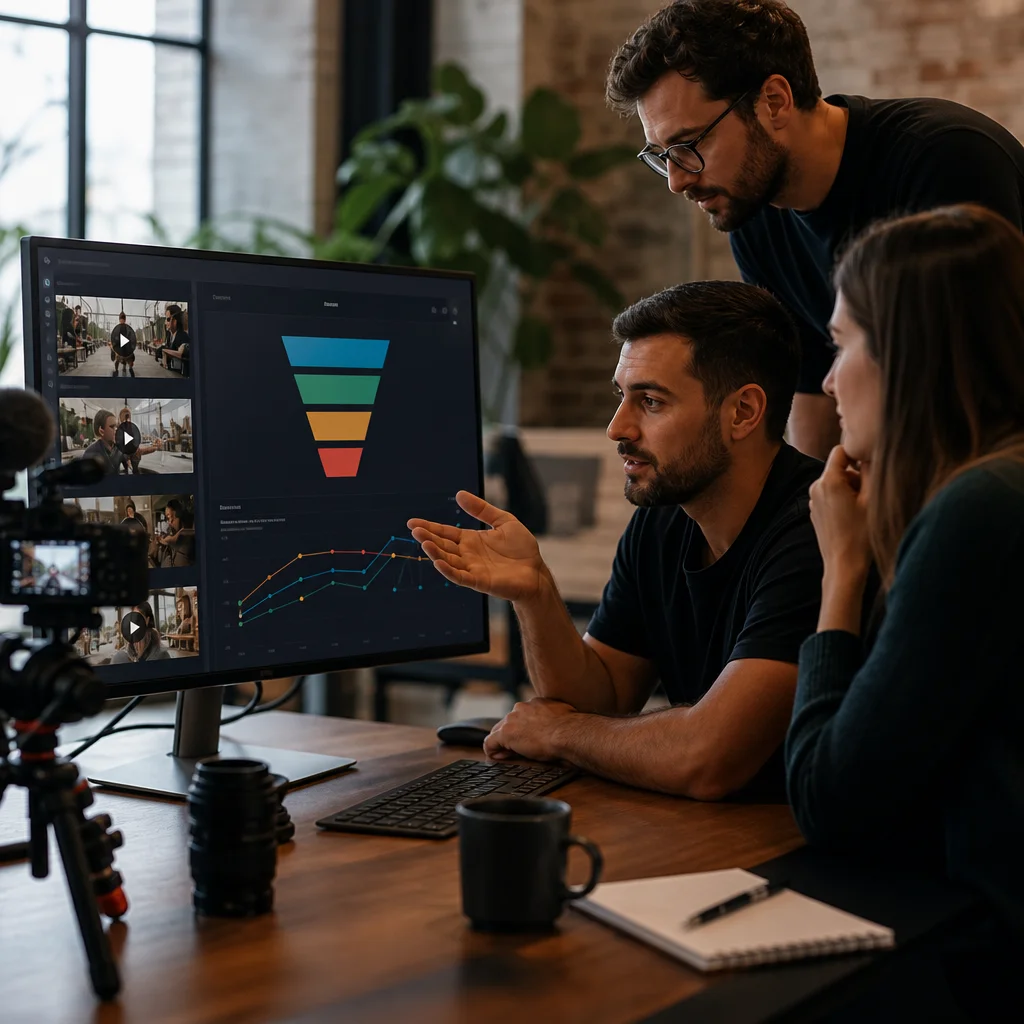
We build custom dashboards tracking these metrics weekly. This consistency allows us to refine strategy in real time rather than guessing based on gut feel.
Getting Started with Our Short-Form Video Services
If you’re a growth-focused business owner ready to scale through short-form video, we’d like to help. Our process starts with a conversation about your current marketing gaps, your customer journey, and the specific outcomes you’re pursuing.
From there, we conduct a brief content audit to see what’s working and what isn’t. This gives us concrete data to build our strategy recommendations and production roadmap.
Most clients start with a pilot program: one month of daily short-form content production with platform optimization and basic paid amplification. This pilot clarifies ROI and builds confidence before scaling. Many of our clients have expanded into full integrated lead generation systems that combine short-form video with retargeting, email sequences, and conversion optimization.
The first step is simple: reach out and tell us about your business. We’ll share what we see as your biggest content opportunities and how we’d approach them. No obligation, no high-pressure sales pitch. Just straightforward advice from people who’ve done this hundreds of times.
Contact us today for a free consultation to see how we can help you grow your business.
Frequently Asked Questions (FAQ)
How do we ensure our short-form videos actually drive leads, not just views?
We connect every video we produce to a conversion system built into your digital ecosystem. Our approach combines strategic call-to-action placement, landing page optimization, and retargeting campaigns so viewers who engage with your Reels, Shorts, or TikTok content are funneled into our lead capture workflows. We measure success by tracking which videos produce qualified leads and sales, then we refine our content strategy based on those performance signals rather than vanity metrics.
What makes our short-form video production different from typical content agencies?
We apply cinematic storytelling principles to short-form formats instead of treating them as quick throwaway content. Our production team shoots with high-end equipment, uses professional color grading, and crafts compelling narratives within 15-60 seconds. We also optimize the technical elements for each platform’s algorithm, meaning the same story performs differently on Instagram Reels versus YouTube Shorts because we understand how each platform distributes content.
Do we handle everything, or do we work alongside our existing marketing team?
We operate as your full-service digital marketing partner, but we’re flexible about integration. We manage social media posting schedules, paid advertising on Meta and Google, SEO optimization, and website design alongside video production. If you have an existing team, we can coordinate directly with them or take the lead on specific channels. Our goal is building a cohesive system that works together rather than treating video as an isolated service.