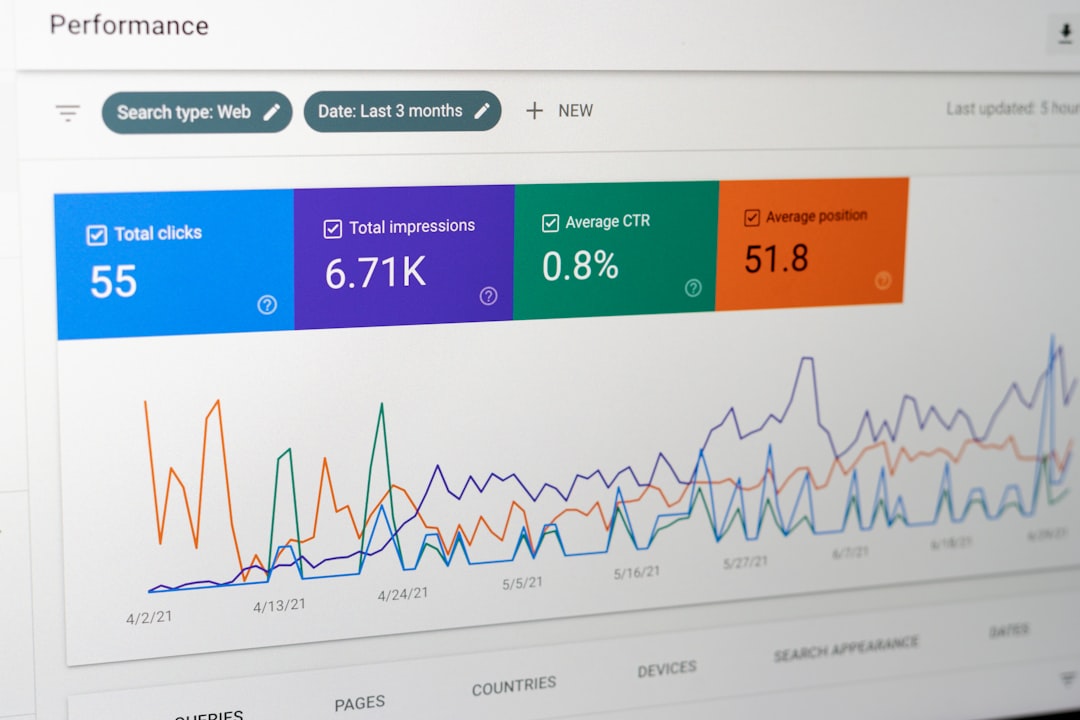
Are You Overpaying for Ecommerce SEO? Here’s What Packages Actually Cost in 2026
Ecommerce SEO packages range widely in price and quality — here’s a quick breakdown so you can compare at a glance:
| Tier | Monthly Cost | Best For |
|---|---|---|
| Starter / Basic | $400 – $1,500 | Small stores, 10-50 products |
| Growth / Standard | $1,500 – $3,000 | Mid-size stores, scaling traffic |
| Professional | $2,500 – $5,000 | Competitive niches, larger catalogs |
| Enterprise | $5,000 – $7,500+ | High-SKU stores, multi-market |
What’s typically included:
- Technical SEO audit and fixes
- Keyword research and on-page optimization
- Product and category page optimization
- Link building and content creation
- Monthly reporting and analytics
Most stores start seeing ranking improvements within 3 to 6 months, with meaningful revenue impact arriving closer to the 6 to 12 month mark.
Running an ecommerce store in 2026 means competing on two fronts at once: traditional Google search and a new wave of AI-powered discovery tools like ChatGPT, Perplexity, and Google’s AI Overviews. The rules are shifting fast. And the SEO agency landscape hasn’t always kept up.
Most “Top 10 package” lists look identical. Half the agencies on them are still using strategies built for a world before generative search existed. Meanwhile, you’re being quoted anywhere from $400 to $7,500 a month — with little clarity on what you’re actually getting for that spend.
That’s a real problem when your organic traffic is the one channel that compounds over time instead of draining your budget the moment you stop paying.
I’m Nic Canobbio, founder of Canatos Media, and I’ve spent over two decades building and scaling content and digital strategies across media, sports, and ecommerce — including leveraging AI-driven approaches to help businesses grow their organic presence through smart ecommerce SEO packages. In this guide, I’ll cut through the noise and show you exactly how to compare your options without overpaying.
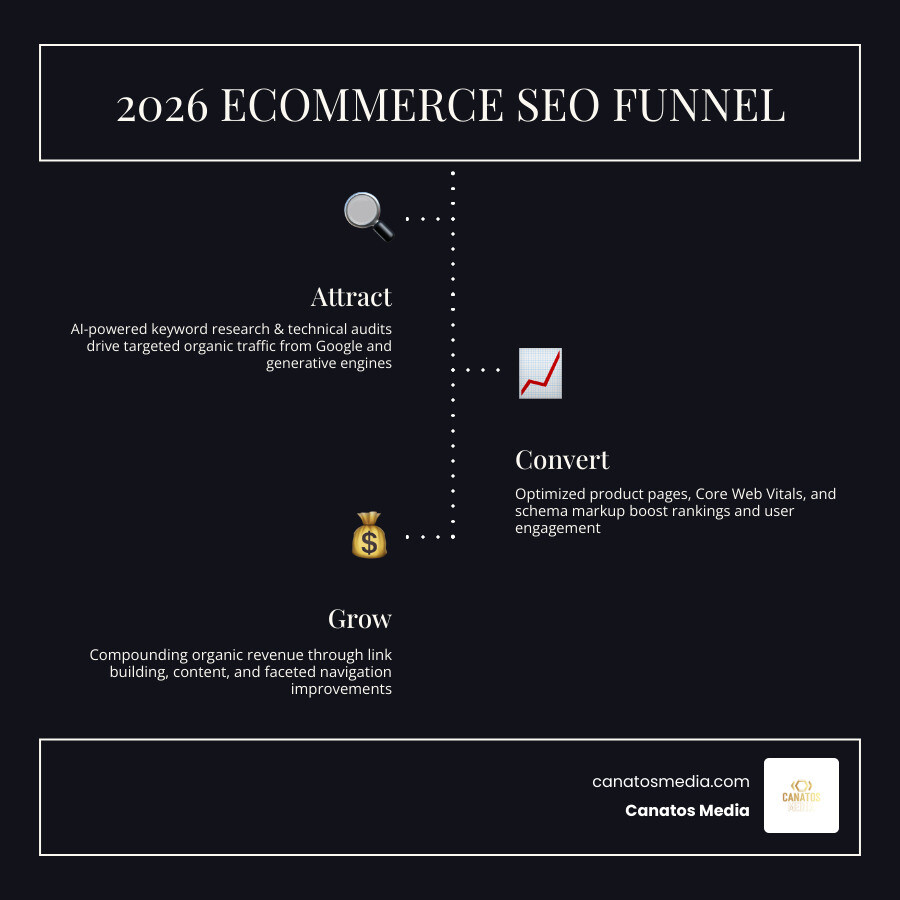
What Should Modern Ecommerce SEO Packages Include?
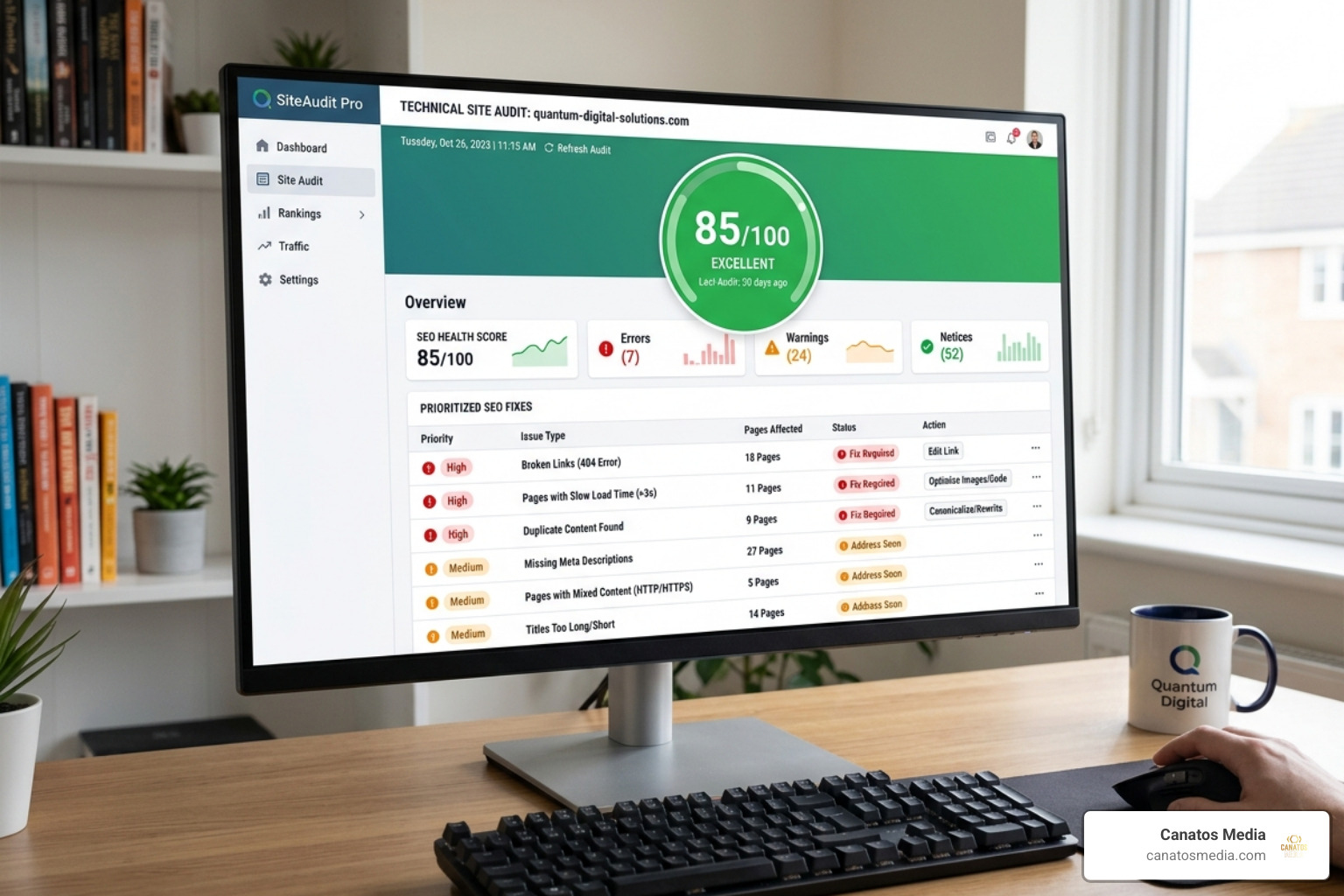
In 2026, a high-quality SEO plan isn’t just about stuffing keywords into a blog post. It’s about building a technical foundation that search engines—and AI agents—can actually understand. If your current package doesn’t address the “under the hood” elements of your site, you’re essentially building a house on sand.
We believe that the best ecommerce SEO packages must start with a rigorous technical audit. This includes fixing 404 errors, ensuring 301 redirects are handled correctly, and optimizing your XML sitemaps. Beyond the basics, modern packages must prioritize Core Web Vitals. Since nearly 40% of users will abandon a site if it takes more than three seconds to load, site speed isn’t just a ranking factor; it’s a conversion factor.
Another non-negotiable is Schema markup (structured data). This is the “language” that tells Google and AI platforms exactly what your product is, how much it costs, and whether it’s in stock. Without it, you’re missing out on rich snippets—those eye-catching star ratings and price tags that appear directly in search results.
Finally, your package needs to address faceted navigation. Ecommerce sites often suffer from “index bloat,” where filters for size, color, and price create thousands of duplicate URLs that confuse search engines. A pro-level plan will manage these through canonical tags and robots.txt configurations to ensure your crawl budget is spent on pages that actually drive sales.
View Our Ecommerce SEO Solutions | Canatos Media
Key Features of High-Performance ecommerce seo packages
When you’re comparing services, look for these specific deliverables that target the “shopping funnel”:
- Unique Product Descriptions: Say goodbye to manufacturer-provided text. High-performance packages include original, benefit-driven copy for your top-performing SKUs.
- Category Page Optimization: Most high-intent traffic actually lands on category pages, not the homepage. These pages need their own keyword strategy and internal linking structure.
- Image SEO: Search engines can’t “see” your photos. Your agency should be optimizing filenames and alt text so your products show up in Google Images.
- Internal Linking: A smart strategy uses breadcrumbs and related product links to distribute “link juice” across your site, making it easier for Google to find every product.
The Rise of Generative Engine Optimization (GEO)
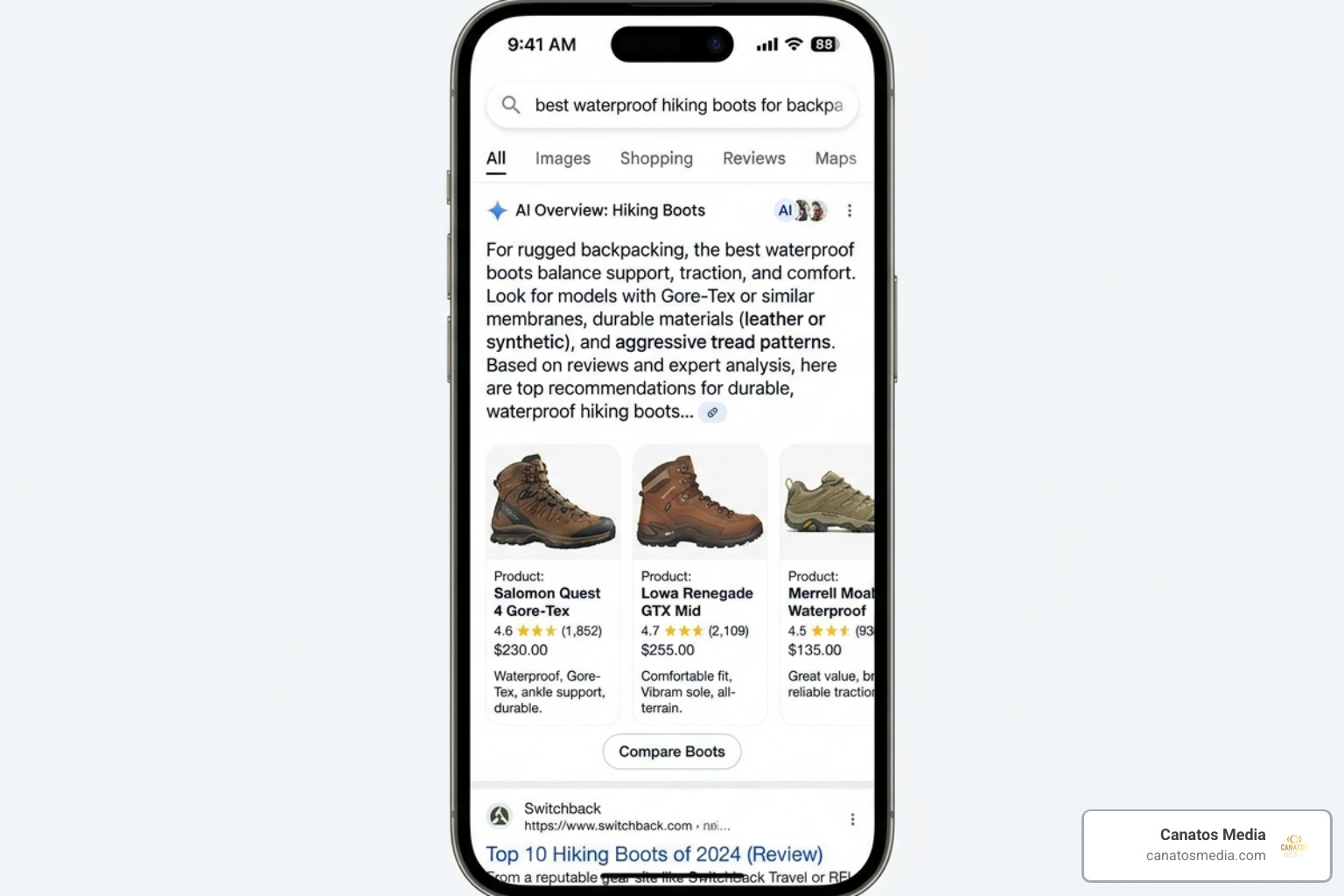
The biggest shift in 2026 is the move from “blue links” to conversational answers. We are now in the era of Generative Engine Optimization (GEO). Modern ecommerce SEO packages must optimize your content so it gets cited by AI platforms like ChatGPT, Gemini, and Perplexity.
This involves Answer Engine Optimization (AEO)—creating content that directly answers the “how,” “why,” and “which one” questions shoppers ask their AI assistants. If a user asks, “What is the best waterproof hiking boot for wide feet?”, your product should be the one the AI recommends. This is achieved by creating authoritative content clusters and using specific structured data that AI models prioritize when generating responses.
Decoding the Cost of ecommerce seo packages in 2026
Pricing for ecommerce seo packages can feel like the Wild West, but it generally follows the complexity of your catalog. A small boutique store in Long Island with 20 products has very different needs than a national retailer with 20,000 SKUs.
| Tier | Typical Deliverables | Ideal Revenue Bracket |
|---|---|---|
| Starter | Tech audit, 10-15 pages optimized, basic reporting | $100k – $500k / year |
| Growth | 50+ pages, content creation, safe link building | $500k – $2M / year |
| Enterprise | Programmatic SEO, AI optimization, international support | $2M – $10M+ / year |
Request a Custom SEO Audit & Pricing | Canatos Media
Factors Influencing Your Monthly Investment
Why the big price gap? It usually comes down to four main factors:
- Platform Complexity: Optimizing a custom Magento or Adobe Commerce build is significantly more labor-intensive than a standard Shopify store.
- Content Frequency: High-tier packages often include multiple blog posts, buying guides, and even short-form video scripts each month.
- Backlink Quality: Building high-authority, “white-hat” links through PR outreach is expensive and time-consuming but essential for ranking in competitive niches.
- Technical Debt: If your site hasn’t been updated since 2018, the first few months of your package will likely cost more as the agency works to fix years of accumulated errors.
Measuring ROI and Success Metrics
The most important thing to remember is that SEO is an investment, not an expense. Unlike paid ads, where the traffic stops the second you stop paying, SEO compounds.
We focus on revenue-driven metrics rather than “vanity” metrics like impressions. Success should be measured by:
- Organic Revenue: How much money did people who found you through search actually spend?
- Conversion Rate: Is the traffic we’re bringing in actually buying, or just browsing?
- Average Order Value (AOV): Are we attracting customers who buy more?
- Customer Acquisition Cost (CAC): Over 6-12 months, your SEO-driven CAC should be significantly lower than your PPC costs.
Ecommerce SEO vs. General SEO: Why Specialized Plans Matter
General SEO is often about information; ecommerce SEO is about transactions. If an agency tries to sell you a “standard” SEO package for your online store, run the other way.
Specialized ecommerce seo packages understand the nuance of transactional intent. For example, a general SEO might target “how to clean leather boots,” but an ecommerce expert will target “best leather boot cleaner for salt stains.” One attracts a reader; the other attracts a buyer.
Furthermore, ecommerce sites face unique technical challenges like handling out-of-stock products without losing ranking power and managing complex product feeds for Google Merchant Center.
Why Your Store Needs eCommerce Website SEO to Survive
Platform-Specific Optimization Requirements
Your choice of platform dictates your SEO strategy:
- Shopify: Great for speed and ease, but requires specific apps or custom coding to fix URL structure issues.
- Magento: Powerful and scalable, but prone to technical bloat and slow load times if not managed by an expert.
- WooCommerce: Highly customizable but requires careful plugin management to maintain security and speed.
A good agency will have specialists who understand the “quirks” of each platform.
The Compounding Value of Organic Traffic
Think of paid ads like a “tap”—you turn it on, and traffic flows. You turn it off, and it dries up. SEO is more like a “river.” It takes time to carve the path, but once it’s flowing, it keeps moving on its own.
By investing in ecommerce seo packages, you are building a sustainable asset. Over time, this reduces your dependence on expensive Meta and Google ads, increasing your overall profit margins. It also builds brand authority; shoppers tend to trust organic results more than the “Sponsored” labels at the top of the page.
Explore more in our SEO category
How to Choose the Best Plan for Your Store
Choosing an agency in the Tri-state area or Long Island can be overwhelming. To find the right partner, prioritize transparency. You should receive a clear roadmap of what will be done in the first 30, 60, and 90 days.
Ask about their reporting frequency. We believe in regular strategy calls to align our SEO efforts with your current inventory and sales goals. If you’re running a big sale on “blue widgets” next month, your SEO team should be optimizing for that today.
Avoiding Common Pitfalls in ecommerce seo packages
Be wary of these red flags:
- Guaranteed Rankings: No one can guarantee the #1 spot on Google. If they say they can, they’re likely using “black-hat” techniques that will eventually get your site penalized.
- Cookie-Cutter Strategies: Your store is unique. A “one-size-fits-all” checklist won’t help you beat established competitors.
- Neglecting Mobile UX: With the majority of ecommerce transactions now happening on mobile, any package that doesn’t prioritize the mobile shopping experience is obsolete.
Integrating SEO with Your Broader Marketing Mix
At Canatos Media, our USP is an integrated strategy. SEO shouldn’t live in a silo. Your organic search data should inform your paid ads (PPC), and your cinematic short-form videos should be optimized to appear in both social feeds and Google’s video search.
When your content, targeting, and technical SEO work together, you create a “flywheel effect” where every marketing dollar works harder. For instance, using SEO data to identify high-converting keywords can help you lower your CPC in Google Ads.
Frequently Asked Questions about Ecommerce SEO
How long does it take to see results from ecommerce SEO?
While every store is different, you will generally see “early wins” (improvements in rankings for long-tail keywords) within 3 to 4 months. Significant increases in organic traffic and revenue typically take 6 to 12 months of consistent effort.
Do these packages include Conversion Rate Optimization (CRO)?
While SEO brings people to the store, CRO makes sure they buy. Many high-end ecommerce seo packages include CRO audits or consulting hours to improve your checkout flow and product page layouts.
How does AI search impact my store’s visibility in 2026?
AI search (GEO) means your content needs to be more authoritative and better structured than ever. If your site is optimized for AI agents, you’ll appear in conversational recommendations, which often have a higher click-through rate than traditional search results.
Conclusion
The ecommerce landscape in 2026 is faster and more competitive than ever, but the opportunity for organic growth has never been higher for those who play by the new rules. Don’t settle for “cookie-cutter” ecommerce seo packages that ignore the shift toward AI and generative search.
At Canatos Media, we don’t just “do SEO.” We provide an integrated growth engine. From cinematic short-form video that stops the scroll to technical SEO that satisfies both Google and AI agents, we connect the dots between content and conversions. Whether you are a growing brand in Long Island or a national retailer, we are here to help you scale sustainably.
Talk With Our eCommerce SEO Experts and let’s build a strategy that drives measurable growth for your store.
https://canatosmedia.com/services/