Tag: SEO

  • The Ultimate Roundup of WordPress Site Management Services

    The Ultimate Roundup of WordPress Site Management Services

    Introduction

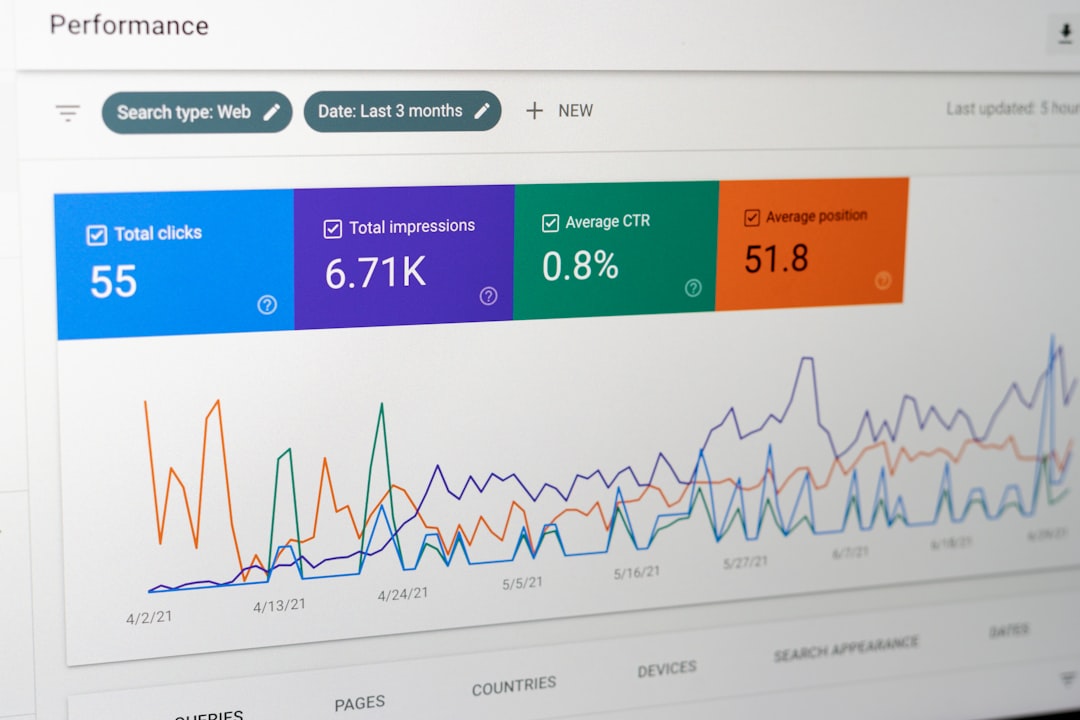
    [IMAGE] of a digital dashboard monitoring multiple website metrics; WordPress ecosystem; proactive maintenance; technical debt; site longevity; [INFOGRAPHIC] explaining the WordPress management lifecycle; Services

    wordpress management services

    Why WordPress Management Services Are Worth Every Penny

    WordPress management services are professional plans that handle the ongoing technical upkeep of your WordPress site — so you don’t have to.

    Here’s a quick look at what they typically include:

    What’s Covered Why It Matters
    Security scans & malware removal Keeps hackers out and your reputation intact
    Plugin, theme & core updates Prevents compatibility issues and vulnerabilities
    Daily cloud backups Lets you restore your site in minutes if something breaks
    Uptime monitoring Catch downtime before your customers do
    Performance optimization Faster sites rank higher and convert better
    Expert support Real help when things go wrong — fast

    Plans typically start around $49–$99/month for essentials, and go up from there based on the level of hands-on support, hosting, and add-ons included.

    Running a WordPress site sounds simple — until it isn’t. A single plugin update can break your checkout. A missed security patch can let malware in. And if your site goes down on a Friday night, you’re losing customers in real time.

    For local business owners trying to grow online, every hour spent wrestling with website problems is an hour not spent on customers, content, or sales.

    That’s exactly why more businesses are handing off their WordPress sites to professional management teams.

    I’m Nic Canobbio, and through my work at Canatos Media overseeing digital content strategies and web-driven growth for brands, I’ve seen how the right WordPress management services can free up a business owner’s time and directly impact their bottom line. In this roundup, I’ll break down the best options available in 2026 so you can find the right fit for your needs.

    WordPress management lifecycle infographic showing security, updates, backups, monitoring, and support cycle - wordpress

    What are WordPress Management Services and Why Do You Need Them?

    At its heart, a wordpress management services plan acts as a specialized insurance policy and a dedicated IT department rolled into one. While WordPress is the world’s most popular CMS, its open-source nature means it requires constant vigilance.

    Website owners need these services because technical debt accumulates quickly. Every time a new version of WordPress Core is released, or a plugin developer pushes a security patch, your site needs attention. If you ignore these, you aren’t just missing out on features; you’re leaving the door unlocked for hackers. Statistics show that updated websites rank significantly better in search engines and are far more resilient against automated bot attacks.

    Our Services focus on the heavy lifting: managing plugin compatibility, ensuring your theme doesn’t “break” after an update, and providing disaster recovery. If your site is compromised, a management service doesn’t just tell you there is a problem; they fix it, often before you even realize it happened. For businesses in the tri-state area and Long Island, where competition is fierce, having a site that stays online 24/7 is non-negotiable.

    Secure server lock representing WordPress security and maintenance - wordpress management services

    Canatos Media Website Maintenance & Security

    The Difference Between Hosting and WordPress Management Services

    A common misconception is that “Managed Hosting” is the same as wordpress management services. It isn’t. Think of hosting like the land your house is built on. Managed hosting provides a high-quality “plot” with good utilities (server-side speed, uptime, and basic security).

    Management services, however, are like the property manager who lives in the house. While the host looks at the server, management services look at the application. This includes:

    • Database Optimization: Cleaning up “overhead” in your database to keep things snappy.
    • Theme Troubleshooting: Fixing layout shifts or CSS bugs.
    • Plugin Management: Vetting which plugins are safe to use and which are slowing you down.

    While some of our Pricing tiers include high-performance hosting, the core value lies in the human expertise applied to your specific site configuration.

    Why Proactive Management Beats Reactive Maintenance

    Maintenance is waiting for something to break and then scrambling to fix it. Management is preventing the break in the first place. Proactive management involves 24/7 uptime monitoring (sometimes checking every 45 seconds) and 404 error monitoring to ensure customers never hit a dead end.

    By identifying performance bottlenecks—like a bloated image or a slow-loading script—before they impact your Core Web Vitals, we keep your SEO healthy. Reactive maintenance often leads to “3 AM panic calls.” Proactive management lets you sleep. If you’re tired of being a “slave to the computer,” a Consultation Booking can help you transition to a hands-off model.

    Essential Features of Premium WordPress Management Services

    When evaluating wordpress management services, you should look for features that go beyond the basics. A premium provider doesn’t just “click update.” They test updates in a staging environment (a clone of your site) first. This ensures that a buggy plugin won’t take down your live store.

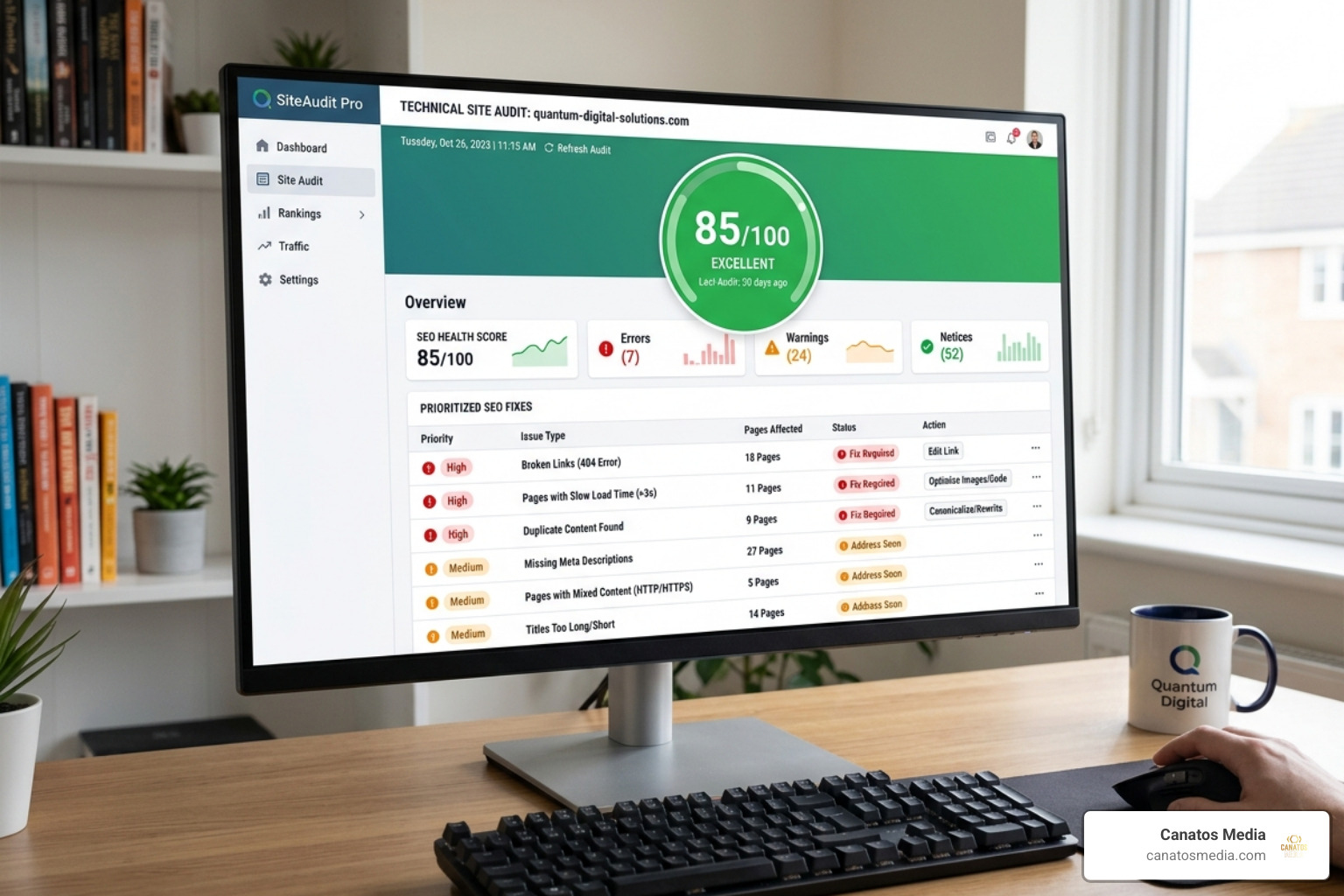
    Website speed test result showing high performance and optimization - wordpress management services

    Key premium features include:

    • Cloud Backups: Storing your data off-site (e.g., on Amazon S3 or Google Cloud) so that even if the server fails, your data is safe.
    • Malware Removal: If a site is hacked, premium services offer “hack-clean” guarantees.
    • Performance Optimization: This isn’t just a one-time thing. It involves ongoing image compression, database cleanup, and script minification.

    At Canatos Media, we view 24/7 WordPress website management as a partnership. Our Case Studies show that businesses focusing on these technical details see a measurable reduction in churn and an increase in user retention.

    Advanced Security and Emergency Support

    Security in 2026 requires more than a simple plugin. It requires a “defense-in-depth” strategy. This includes:

    • Intelligent Firewalls (WAF): These analyze traffic patterns to block sophisticated SQL injection and cross-site scripting attacks.
    • Brute Force Protection: Stopping bots from guessing your passwords.
    • Isolated Applications: Ensuring that if one part of your server is compromised, your site remains an island of safety.

    If an emergency does occur, response time is the only metric that matters. Many top-tier providers resolve 50% of requests within an hour and 90% within two hours. If you need that level of certainty, Contact Us to discuss our emergency protocols.

    The landscape of search is changing. In 2026, we aren’t just optimizing for Google; we are optimizing for AI discovery. This is known as GEO (Generative Engine Optimization).

    To stay visible in AI-driven search results (like ChatGPT or Claude), your WordPress site needs:

    1. llms.txt Integration: An emerging standard that helps AI crawlers understand your site’s content hierarchy.
    2. Schema.org Structured Data: Giving machines clear signals about your products and services.
    3. Content Citability: Rewriting passages to be statistically dense and “quotable” by AI models.

    Research shows that sites using these GEO techniques can see an increase in AI-driven visibility of 30% to 115%. Our WordPress Management, Maintenance & GEO Optimization plans are designed to future-proof your brand against these shifts.

    Comparing Management Tiers: From Basic to Enterprise

    Choosing the right plan depends on your business size and the complexity of your site.

    Feature Essentials Plan Managed Plan Fully-Managed/Enterprise
    Price Range $49 – $99/mo $199 – $349/mo $500+/mo
    Best For Blogs, Small Portfolios Growing Businesses E-commerce, High-Traffic
    Updates Weekly Weekly (tested) Real-time / Staging-first
    Backups Daily Daily + Offsite Hourly
    Support Email (24h) Priority Email/Chat 24/7 Phone & Dedicated Manager
    Hosting Use your own Included Scalable Cloud Hosting

    Specialized Support for E-commerce and High-Traffic Sites

    E-commerce sites, particularly those running WooCommerce, have specialized needs. A broken checkout for even ten minutes can result in thousands of dollars in lost revenue. These sites require:

    • Checkout Stability Monitoring: Ensuring the payment gateway is always functional.
    • Scalable Infrastructure: Handling traffic spikes during sales or holiday seasons.
    • API Integrations: Managing the connections between your site and your CRM, shipping providers, or inventory tools.

    Our Monthly WordPress Maintenance Services for e-commerce prioritize “zero-downtime” migrations and constant performance tuning to keep conversion rates high.

    White-Label Solutions for Agencies and Freelancers

    If you are a creative agency in New York or New Jersey, you might want to offer maintenance to your clients without hiring a full-time developer. This is where white-label services come in.

    Through All in One Social Content and Management, agencies can resell our technical expertise under their own brand. We handle the updates, security, and reporting, while you maintain the client relationship. This has been shown to increase agency profit margins by over 20% by eliminating the overhead of a dedicated technical team.

    Calculating the ROI of WordPress Management Services

    Is it worth the investment? If your time is worth more than $50/hour, doing your own maintenance is actually costing you money.

    Growth chart showing increased revenue from optimized website management - wordpress management services infographic

    The ROI of wordpress management services comes from three areas:

    1. Time Savings: Saving 10+ hours a month on manual tinkering.
    2. Risk Mitigation: Avoiding the massive costs of malware removal or rebuilding a crashed site.
    3. Improved Performance: Faster sites lead to better user experiences. Case studies show that even a one-second improvement in load time can boost conversions significantly.

    By partnering with a team that offers 24/7 WordPress website management, you’re investing in your business’s ability to scale without technical friction.

    Avoiding Common Pitfalls in Service Selection

    When shopping for a provider, watch out for these “red flags”:

    • Hidden Hourly Fees: Some “cheap” plans charge extra for every small fix. Look for plans that include “Fast Tasks” or unlimited small edits.
    • Slow Response Times: If they don’t guarantee a response within a few hours, your site could be down for a whole weekend.
    • No Staging Environment: Never let a provider update your live site without testing it elsewhere first.

    A quick Consultation Booking can help clarify what’s included in a plan before you sign a contract.

    How Professional Management Impacts SEO Rankings

    Google’s algorithm prioritizes speed, security, and uptime.

    • Uptime: If Google’s crawler hits your site and it’s down, your rankings can slip.
    • Mobile Responsiveness: Ongoing management ensures that new content or plugins don’t break your mobile layout.
    • Core Web Vitals: Professional optimization focuses on “Largest Contentful Paint” and “Cumulative Layout Shift”—metrics that directly influence where you sit on the search results page.

    Our Services ensure that your technical SEO is always “green,” allowing your content strategy to shine.

    Frequently Asked Questions about WordPress Management

    How much do WordPress management services typically cost in 2026?

    In 2026, basic maintenance typically costs between $49 and $99 per month. For comprehensive management that includes hosting, security, and proactive support, prices range from $199 to $599 per month. Enterprise-level support for high-traffic or multisite networks can range into the thousands.

    What is the difference between a “Fast Task” and custom development?

    A “Fast Task” is generally any update or fix that can be completed in 30 minutes or less—such as changing a phone number, swapping an image, or adjusting a CSS color. Custom development involves building new features, creating custom plugins, or major site redesigns, which are usually billed hourly or by project.

    Do these services include managed hosting or just software updates?

    It depends on the plan. “Essentials” plans often allow you to keep your current host while the provider manages the software. “Managed” and “Premium” plans almost always include high-performance cloud hosting as part of the package for better synergy between the server and the site.

    Conclusion

    Your website is the digital storefront of your business. In a market like the tri-state area, you can’t afford a slow, insecure, or outdated site. WordPress management services provide the peace of mind you need to focus on what you do best: running your business.
    At Canatos Media, we don’t just “maintain” websites; we integrate them into a total digital strategy. From cinematic short-form video and social media management to advanced GEO optimization and SEO, we connect your content to measurable growth.

    Ready to stop worrying about your website and start growing? Explore our Services today and let us handle the technical details while you handle the success.

  • Why Every Store Needs an Ecommerce SEO Specialist

    Why Every Store Needs an Ecommerce SEO Specialist

    Why Every Store Needs an Ecommerce SEO Specialist

    Why Your Store Is Invisible Without an Ecommerce SEO Consultant

    An ecommerce seo consultant is a specialist who helps online stores rank higher on Google, drive more organic traffic, and turn that traffic into real sales.

    What an ecommerce SEO consultant does for your store:

    Service What It Means for You
    Technical SEO audit Finds hidden issues blocking your rankings
    Keyword strategy Targets buyers, not just browsers
    On-page optimization Makes every product and category page work harder
    Site architecture Helps Google crawl and index your store efficiently
    Content strategy Builds authority that compounds over time
    CRO integration Turns more visitors into paying customers

    The goal is simple: more organic revenue, less dependence on paid ads.

    Here is what is at stake. Over 3.5 billion searches happen on Google every single day. If your store is not showing up, your competitors are taking those sales. And with AI-powered search tools like ChatGPT and Perplexity now influencing how shoppers discover products, the rules are changing fast in 2026.

    The good news? The right consultant can flip that around — fast.

    I’m Nic Canobbio, a media and content strategist with over two decades of experience building growth strategies across sports, digital media, and content production. My work at the intersection of data, content, and audience growth gives me a clear lens on what it takes to hire the right ecommerce seo consultant and get measurable results.

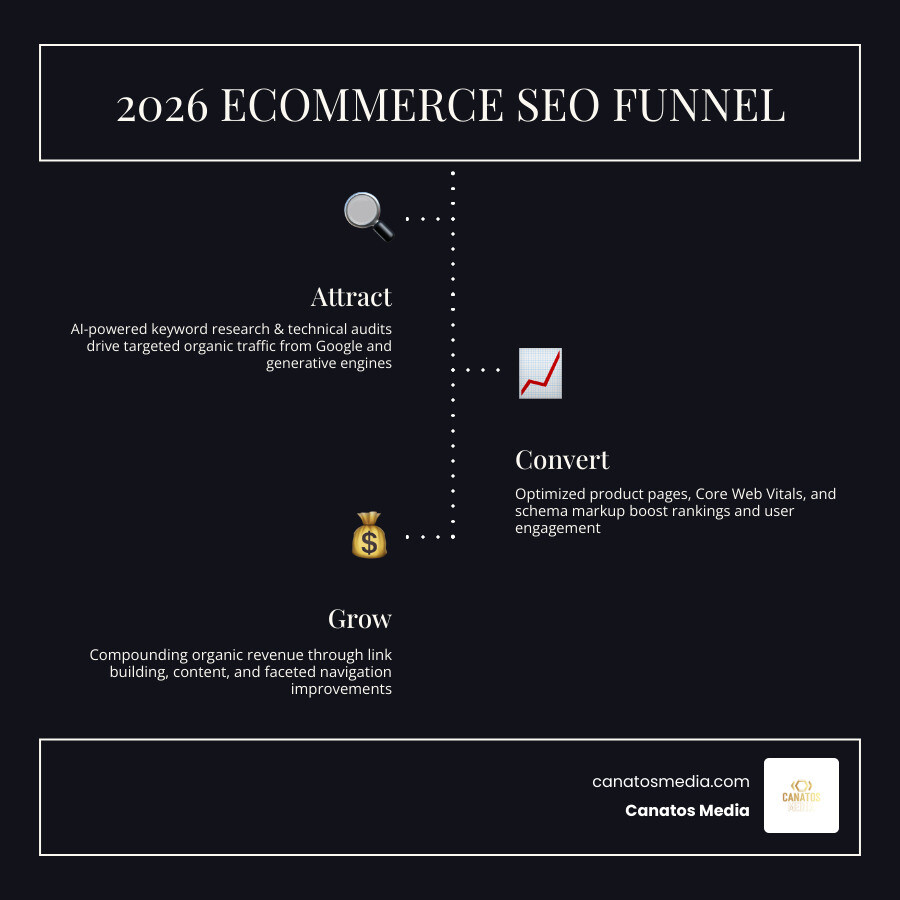
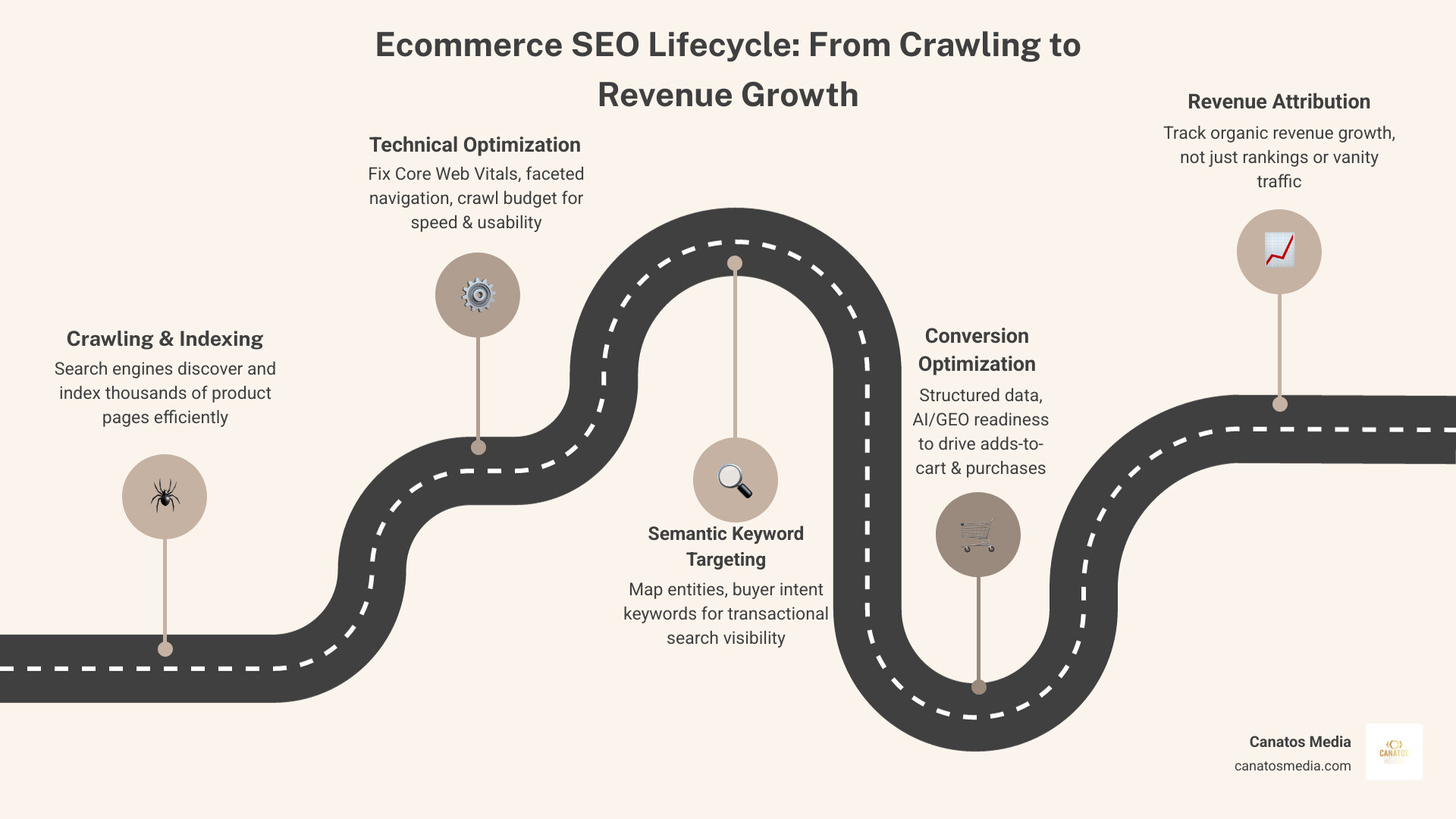
    Ecommerce SEO lifecycle from audit to organic revenue conversion infographic - ecommerce seo consultant infographic

    What Does an Ecommerce SEO Consultant Actually Do?

    In the digital world of May 2026, an ecommerce seo consultant is no longer just someone who sprinkles keywords on a page. They are the architects of your digital storefront. Their job is to ensure that when a customer in the tri-state area or Long Island searches for a product you sell, your store doesn’t just appear—it dominates.

    Technical Audits and Site Architecture

    A consultant starts by looking under the hood. Technical SEO for ecommerce is notoriously complex. Think about it: a standard blog might have 50 pages, but a mid-sized online store can easily have 5,000 SKUs. We look for “crawl bloat,” where Google wastes its energy on useless pages, and ensure your site architecture is logical. A clean, “flat” hierarchy ensures that both users and search bots can find any product within three clicks.

    Faceted Navigation and SKU Optimization

    Have you ever used a sidebar to filter by “Size: XL” or “Color: Blue”? That’s faceted navigation. If handled poorly, it creates thousands of duplicate URLs that confuse Google. An expert consultant knows how to manage these filters so they help customers without hurting your rankings. They also focus on SKU optimization, ensuring that even individual product variants are indexed correctly to capture high-intent buyers.

    Internal Linking and Schema Markup

    We use internal linking to pass “ranking juice” from your high-authority pages (like your homepage) down to your product categories. Coupled with advanced Schema markup—the code that tells Google your price, availability, and star ratings—we make your search results look more attractive than the competition.

    Conversion Rate Optimization (CRO)

    Traffic is a vanity metric; revenue is a sanity metric. A top-tier ecommerce seo consultant integrates CRO into their strategy. There is no point in ranking #1 for “organic dog treats” if your “Add to Cart” button is broken or hidden. By analyzing user behavior, we help ensure that the traffic you win actually converts into sales. You can explore our specialized SEO services to see how we bridge the gap between visibility and conversions.

    How an ecommerce seo consultant Navigates Platform Migrations

    Moving your store from Magento to Shopify, or BigCommerce to WooCommerce, is like performing heart surgery on your business. One wrong move and your organic traffic can flatline.
    A consultant acts as the lead surgeon during these migrations. We handle:

    • 301 Redirects: Mapping every old URL to a new one so you don’t lose the “SEO equity” you’ve built over years.
    • DNS Management: Ensuring the technical switch-over happens without significant downtime.
    • Code Reviews: Checking that your new theme isn’t bloated with slow scripts that will tank your Core Web Vitals.
    • Post-Launch QA: Running immediate crawls to catch 404 errors before Google does.

    We have seen stores lose 80% of their traffic overnight because they didn’t have a specialist overseeing a migration. Don’t let that be you. You can read some of our case studies on successful migrations to see how we preserve revenue during big shifts.

    Choosing the Best ecommerce seo consultant for Your Brand

    When you are looking to hire, don’t just look for the cheapest price. Look for:

    1. Industry Experience: Have they worked with stores that have thousands of SKUs?
    2. Transparent Reporting: Do they talk about “rankings” or “organic revenue”? You want the latter.
    3. Technical Proficiency: Do they understand the nuances of your specific platform (Shopify, Magento, etc.)?
    4. ROI Focus: They should be able to explain how their work will pay for itself.

    Check out our pricing models and retainers to understand how professional SEO services are structured to drive long-term growth.

    Why Ecommerce SEO is Different from Standard Search Strategies

    Comparing standard blog SEO vs product-led ecommerce SEO - ecommerce seo consultant

    Standard SEO is often about information—answering questions like “How do I fix a leaky faucet?” Ecommerce SEO is about transactional intent. The person searching is ready to buy.

    The Challenge of Large Inventories

    While a local service business in Long Island might focus on 10 key pages, an ecommerce store deals with thousands. This creates unique challenges like duplicate content (where similar products have nearly identical descriptions) and crawl budget issues. An ecommerce seo consultant knows how to prioritize your “money pages”—the categories and products that drive the most profit.

    Buyer Intent and Long-Tail Keywords

    Generalists might try to rank you for broad terms like “shoes.” An ecommerce expert knows that is a waste of money. Instead, we target long-tail keywords like “waterproof trail running shoes for men size 11.” These terms have lower volume but much higher conversion rates.

    Feature Freelance Consultant SEO Agency
    Cost Usually lower overhead Higher, but includes more resources
    Communication Direct access to the expert Account managers (can be a middleman)
    Expertise Often highly specialized Broad range of specialists
    Scalability Limited by one person’s time Can handle massive, enterprise-level stores
    Best For Growth-stage brands & SMEs Large retailers & global brands

    The Role of AI and GEO in Modern Store Optimization

    By May 2026, the search landscape has shifted. It’s no longer just about blue links on a page; it’s about appearing in AI-generated answers. This is called Generative Engine Optimization (GEO).

    Generative Engine Optimization (GEO)

    When a shopper asks ChatGPT, “What is the best ergonomic office chair for a home office in New York?”, you want your product to be the answer. An ecommerce seo consultant now works on “LLM readiness”—ensuring your brand mentions, reviews, and product data are structured in a way that AI models can digest and recommend.

    People are searching more like they talk. “Find me a red dress for a wedding that ships to Long Island by Friday.” Modern SEO requires optimizing for these conversational, high-intent queries. We focus on building brand authority so that these AI engines trust your store enough to recommend it. Learn more about our AI Search Optimization strategies to stay ahead of the curve.

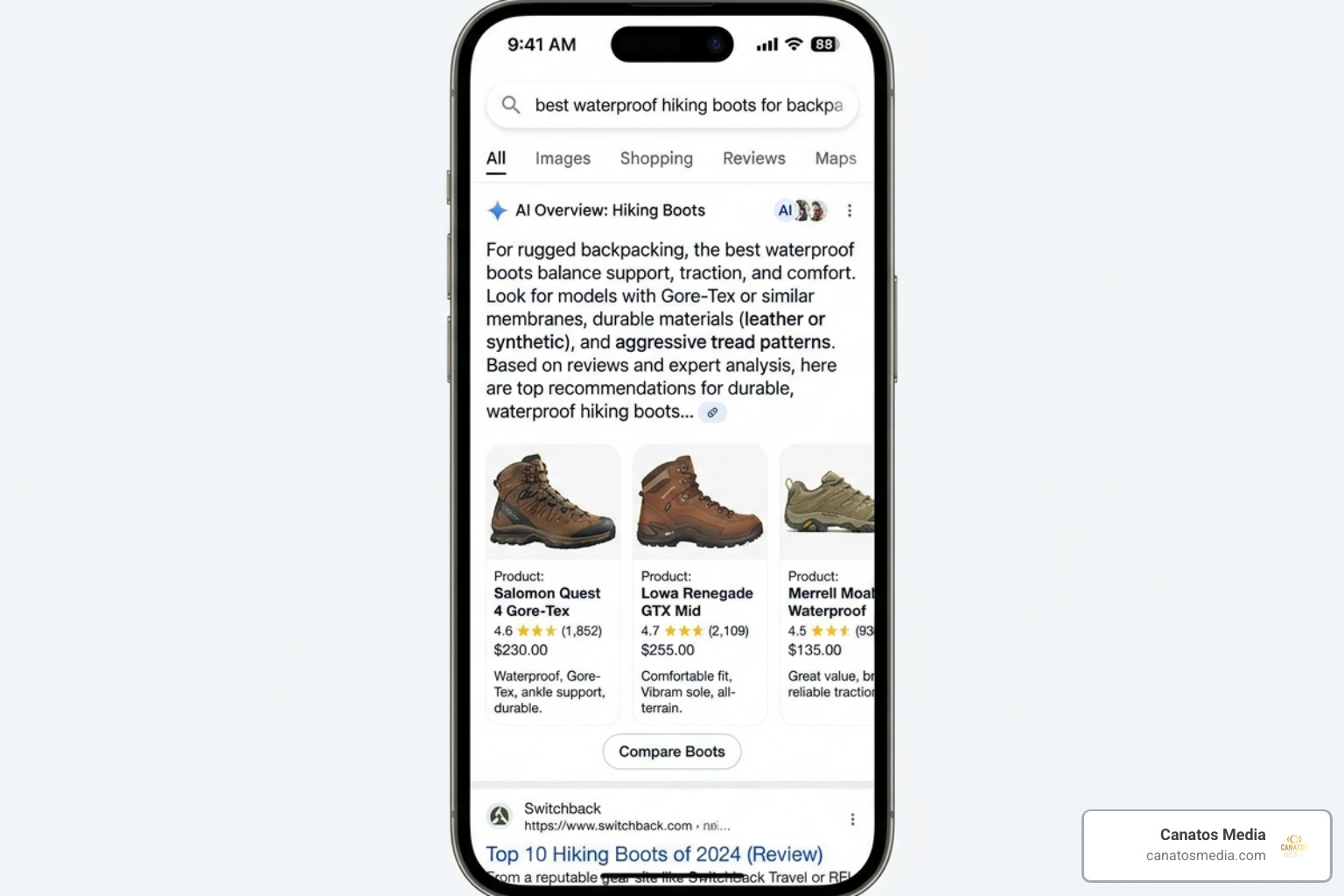
    AI-generated search results for products - ecommerce seo consultant

    Measuring the ROI: What Results Should You Expect?

    Investing in an ecommerce seo consultant isn’t an expense; it’s a revenue generator. But how do you know if it’s working?

    In 2026, we look at several key benchmarks based on real-world data:

    • Organic Revenue Growth: This is the gold standard. We’ve seen clients achieve a 150% growth in revenue within 12 months by focusing on high-intent categories.
    • Transaction Growth: One client saw a 364% year-on-year increase in transactions after a technical overhaul.
    • Acquisition Costs: SEO helps you scale without your customer acquisition cost (CAC) skyrocketing. We’ve seen brands achieve 10x organic acquisitions in a single year.
    • Profitability Timeline: Typically, you should see a break-even point around month 9, with significant profitability by month 12.

    SEO is a compounding asset. Unlike paid ads, which stop the moment you stop paying, the work a consultant does today will continue to drive sales for years. For more on how we measure these wins, check out our latest ecommerce SEO insights.

    Frequently Asked Questions about Hiring an ecommerce seo consultant

    How much does it cost to hire an ecommerce SEO expert in 2026?

    Pricing varies based on the size of your store and your goals. Common models include:

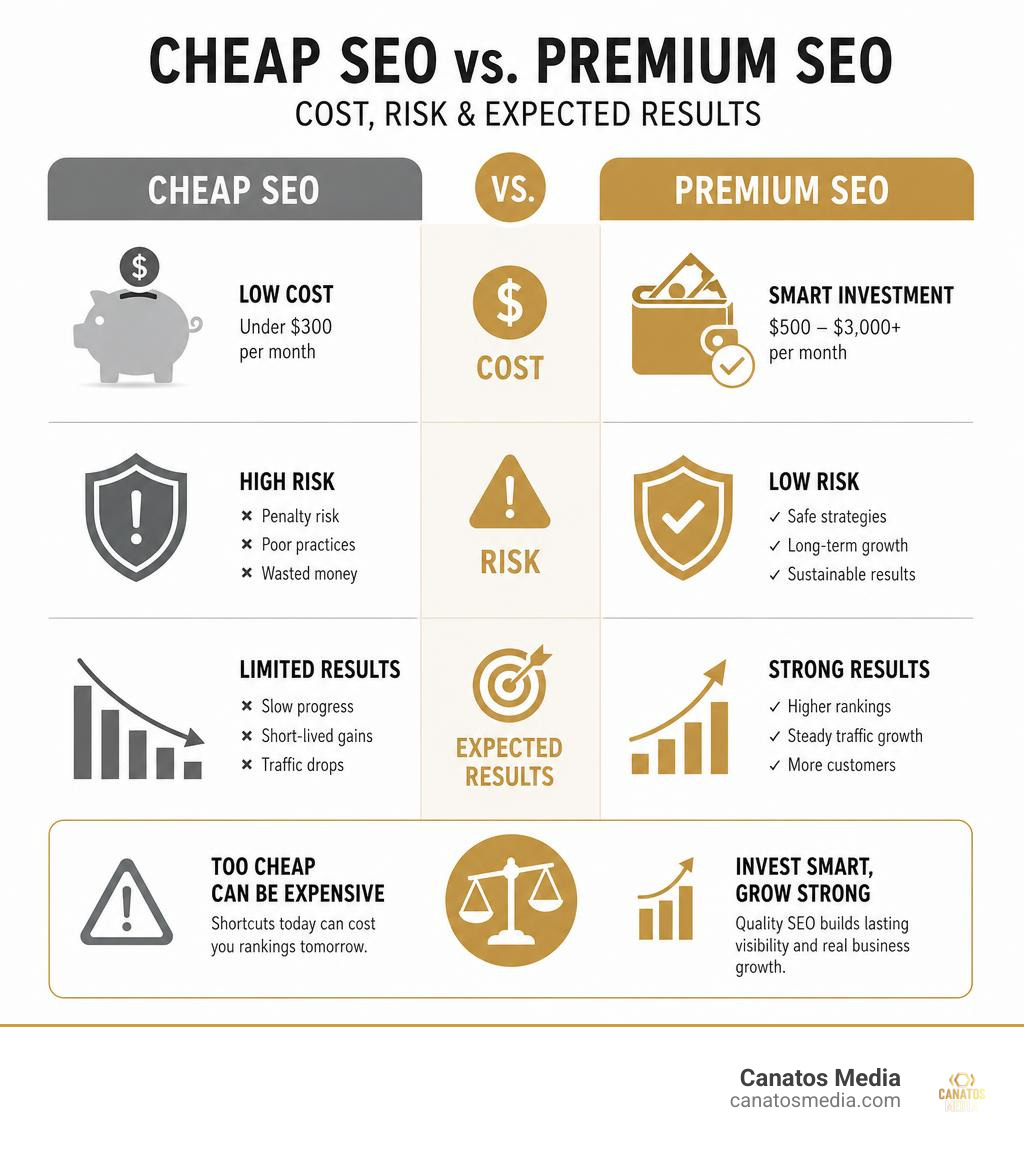
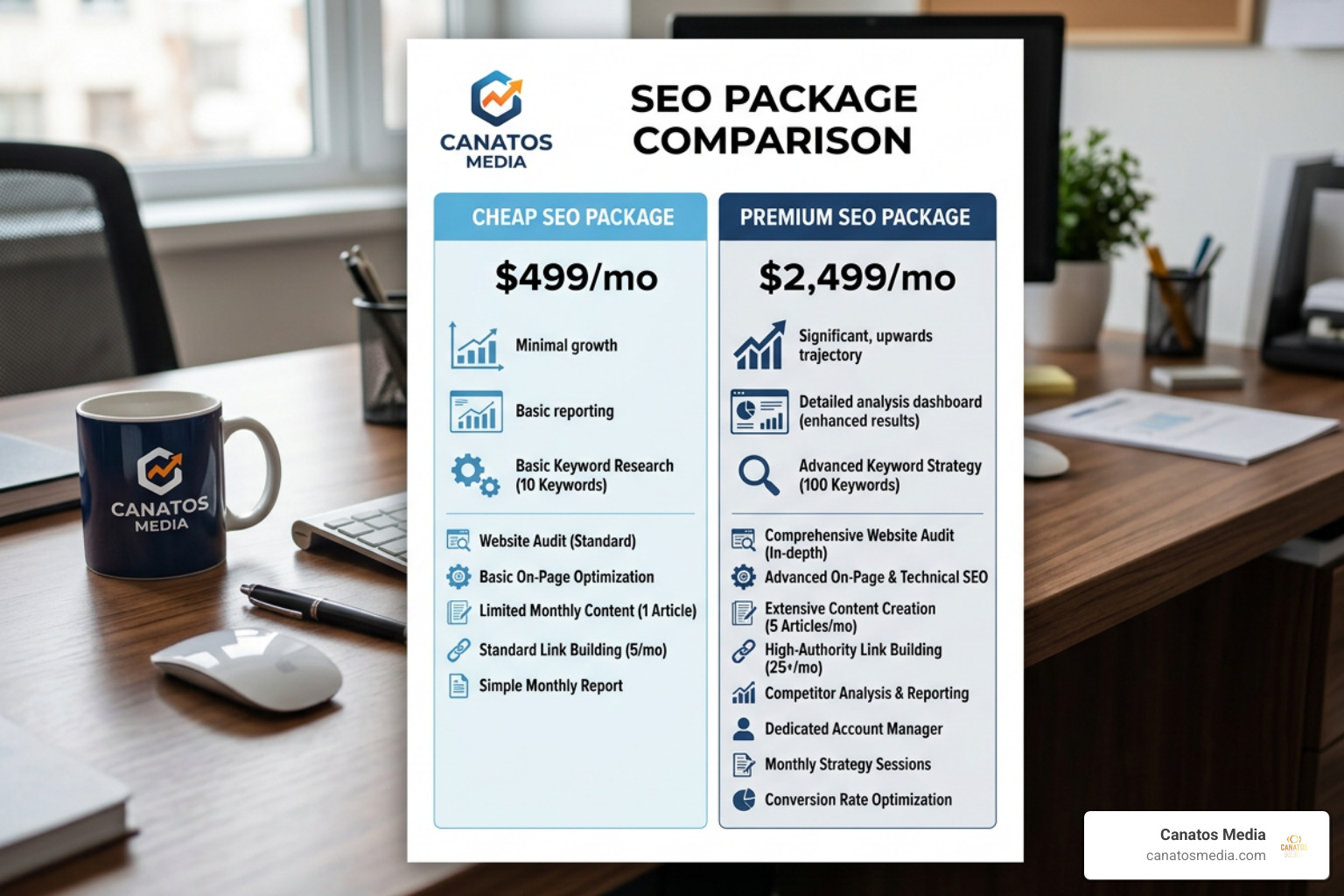
    • Monthly Retainers: Usually $2,500 to $10,000+ per month for ongoing strategy and implementation.
    • Project-Based: One-off technical audits or migration oversight can range from $5,000 to $25,000.
    • Hourly Rates: Some specialists charge $150–$300 per hour for consulting calls. The key is to look at your revenue goals. If a consultant can add $100k to your monthly bottom line, a $5k retainer is a steal.

    How long does it typically take to see organic sales growth?

    SEO is a marathon, not a sprint. You will likely see technical improvements and “impressions” rise within the first 3 months. However, significant sales growth usually takes 3 to 6 months. By the 12-month mark, most stores are seeing a clear ROI, and by 24 months, you are often hitting peak rankings for your most competitive terms.

    Can a consultant help my store compete with retail giants?

    Yes! You don’t need to outspend Amazon or Walmart; you just need to be smarter. We find “niche gaps” that the giants ignore. By dominating long-tail keywords and providing a better, more specialized user experience, smaller brands can outrank major retailers for specific, high-profit products. We also use Local SEO to capture buyers in the tri-state area who prefer to support regional businesses.

    Conclusion

    The ecommerce landscape in 2026 is more competitive than ever, but the opportunities are also greater. With 92% of Americans using search engines as their primary gateway to the internet, your visibility is your lifeblood.

    An ecommerce seo consultant provides the strategic edge you need to stop guessing and start growing. From technical audits to AI-ready content, these specialists ensure your store is built for both search engines and humans. At Canatos Media, we specialize in this integrated approach—connecting your content, your technical foundation, and your conversion strategy to drive measurable growth.

    Don’t let your store stay invisible. Contact Us for a Strategy Review and start growing your store today. We are ready to help you turn your organic search channel into your most profitable asset.

  • Stop Playing Webmaster and Start Running Your Business

    Stop Playing Webmaster and Start Running Your Business

    Why Small Business Owners Are Burned Out by Their Own Websites

    Web management services for small businesses are professional solutions that handle the technical upkeep, security, performance, and content updates of your website — so you can focus on running your business instead.

    Here’s a quick look at what these services typically cover:

    What’s Included Why It Matters
    Software & plugin updates Prevents crashes and security gaps
    Daily backups Protects against data loss and hacks
    24/7 uptime monitoring Catches problems before customers do
    Security scanning Blocks malware and unauthorized access
    Performance optimization Faster load times = better rankings
    Content updates Keeps your site accurate and fresh
    SEO hygiene Helps you get found on Google

    Think about this: the average small business owner spends 17 hours every month just maintaining their website. That’s more than two full workdays — spent on plugin conflicts, security patches, and broken forms instead of serving customers.

    And the stakes are high. Website downtime alone costs businesses an average of $300,000 per hour. Yet most small business owners are either ignoring their site, fumbling through fixes themselves, or waiting days for a freelancer to respond.

    Meanwhile, 88% of buyers research a company online before they ever pick up the phone.

    Your website isn’t a brochure. It’s your hardest-working salesperson — and right now, it might be calling in sick.

    I’m Nic Canobbio, founder of Canatos Media, with over two decades of experience in media production, business strategy, and building content systems that drive measurable results — including social content that has reached over 60 million views. My work across media and business development gives me a front-row seat to how web management services for small businesses can either unlock growth or become an invisible bottleneck holding you back. Let’s break down exactly how to fix that.

    infographic showing components of a web management ecosystem for small businesses - web management services for small

    What Are Web Management Services for Small Businesses?

    In the digital landscape of May 2026, a website is no longer a “set it and forget it” asset. It is a complex ecosystem of software, databases, and third-party integrations. Web management services for small businesses act as your outsourced technical department. Instead of you logging into a dashboard and wondering why a plugin update just turned your homepage into a wall of white text, a professional team handles the heavy lifting behind the scenes.

    Professional web management encompasses several critical layers:

    1. Hosting Management: We ensure your site lives on a fast, reliable server optimized for your specific traffic needs.
    2. Security Protocols: This involves more than just an SSL certificate. It includes real-time malware scanning, firewall management, and immediate vulnerability patching.
    3. Performance Optimization: We monitor Core Web Vitals—the metrics Google uses to judge how fast and stable your site is.
    4. Content Updates: Whether it’s changing a price, adding a new team member, or posting a blog, management services handle these edits so your site never looks “stale.”
    5. Technical Support: When something breaks (and in code, something eventually does), you have a direct line to experts who fix it in minutes, not days.

    At Canatos Media, we view this as part of a larger Web Management Approach where your website serves as the foundation for your entire digital presence. You can explore our full range of digital services to see how technical support integrates with creative growth.

    professional web development team monitoring site health and security - web management services for small businesses

    5 Key Benefits of Professional Website Oversight

    Why should a local business in Long Island or the tri-state area invest in professional oversight? It comes down to the difference between a website that simply exists and one that actually performs.

    • 24/7 Monitoring and Uptime: Most owners only realize their site is down when a frustrated customer calls. Professional services use automated tools to ping your site every minute. If it goes down, we’re already fixing it before you even finish your morning coffee.
    • Malware Prevention and Security: Skipping a single WordPress update is like leaving your front door wide open while posting your vacation plans on social media. We apply security patches the moment they are released.
    • Improved Search Rankings: Google favors sites that are fast, mobile-responsive, and error-free. By maintaining high “SEO hygiene,” we ensure your business remains visible to the 88% of buyers researching online.
    • Customer Trust: A broken link or a “Not Secure” warning in the browser bar is the fastest way to lose a lead. Professional management keeps your digital storefront looking polished and trustworthy.
    • Time Freedom: Reclaiming those 17 hours a month allows you to focus on high-level strategy rather than technical troubleshooting.

    By offloading these tasks, you can focus on building an All In One Marketing Funnel that actually converts those visitors into long-term clients.

    Strategic Growth and Scalability

    As your business expands, your website must grow with it. Maybe you’re moving from a simple service site to an eCommerce platform, or perhaps you’re launching a membership area. Web management services for small businesses provide the technical infrastructure to scale without the growing pains. We handle the lead generation architecture and conversion rate optimization (CRO) so your site doesn’t just look pretty—it makes money.

    Cost-Efficiency vs. In-House Hiring

    Hiring a qualified web professional in-house is a massive financial commitment. In 2026, a mid-level web manager commands a salary of $30,000 to $40,000 annually before benefits, taxes, and office overhead. For most small businesses, that’s simply not feasible. Outsourcing to an agency gives you access to a whole team of specialists—designers, developers, and SEO experts—for a fraction of the cost of one full-time employee. You get agency-grade tools and expertise without the enterprise-level price tag.

    Comparing DIY, Freelancers, and Managed Agencies

    Many business owners start with a DIY approach or hire a cheap freelancer. While these might seem like budget-friendly options initially, they often lead to “technical debt”—issues that pile up and cost more to fix later.

    Feature DIY Builders (Wix/Squarespace) Freelancers Managed Agencies
    Initial Cost Low Moderate Moderate/Monthly
    Reliability High (Platform-dependent) Variable (The “Ghosting” Risk) High (SLA Guaranteed)
    Customization Limited/Templates High High & Strategic
    Security Basic Manual/Inconsistent Proactive/24/7
    SEO Depth Surface Level Technical Only Integrated Strategy
    Support Chatbots/Wait Times Whenever they’re awake Dedicated/Fast Response

    DIY platforms are great for hobbies, but they can become a “straightjacket” when you need custom functionality. Freelancers can be talented, but if they get sick or take a vacation, your site is left vulnerable. Managed services win because they offer Service Level Agreements (SLAs). This means you have a contractually guaranteed response time and a team that never “disappears.”

    How Web Management Services for Small Businesses Drive ROI

    Investing in your website isn’t an expense; it’s a revenue driver. Statistics show that businesses using professional website management achieve up to a 128% increase in productivity. Why? Because the team isn’t bogged down by tech issues, and the website is actually doing its job of capturing leads.

    Furthermore, professional teams complete projects 300% faster than internal teams or solo owners. Whether it’s launching a new landing page or fixing a checkout bug, speed equals money.

    infographic showing 128 percent productivity increase and 300 percent faster project completion with professional web

    Maximizing Performance with Web Management Services for Small Businesses

    Page speed is a major ranking factor in 2026. A one-second delay in load time can significantly lower your ad ROI and search engine position. We utilize advanced techniques like:

    • Image Compression: Making sure your high-res photos don’t bog down the site.
    • Browser Caching: Storing parts of your site on the visitor’s computer so it loads instantly on their next visit.
    • Mobile Responsiveness: Ensuring the experience is flawless on smartphones, where the majority of browsing now happens.

    You can view our transparent Pricing to see how these performance tiers fit your budget.

    Enhancing Security with Web Management Services for Small Businesses

    Cybersecurity is no longer optional. With WordPress powering 40% to 60% of all websites, it is a constant target for hackers. Our management services include:

    • Daily Off-site Backups: If the worst happens, we can restore your site to a clean version in minutes.
    • Ransomware Protection: Keeping your data—and your customers’ data—safe from encryption attacks.
    • Vulnerability Patching: We don’t wait for “Update Tuesday.” We patch high-risk bugs the moment they are discovered.

    If you’re concerned about your current site’s security, don’t hesitate to Contact Us for an audit. You can also check out our Case Studies to see how we’ve secured and grown other local businesses.

    Frequently Asked Questions about Website Management

    What do professional web management services typically cost?

    Pricing for web management services for small businesses typically follows a subscription or retainer model. This provides predictability for your budget. Most small business plans range from $50 to $800 per month, depending on the complexity of the site. A basic blog or “brochure” site might be on the lower end, while a high-traffic eCommerce store or a site with a membership area requires more “hands-on” hours and advanced security.

    How do these services handle security and backups?

    We believe in the “Belt and Suspenders” approach. We perform daily backups that are stored in encrypted, off-site locations. This ensures that even if a data center is hit by a literal meteor, your business data is safe. We also implement real-time scanning to catch malware before it can take root, and we provide disaster recovery services as part of our core plans.

    Can I still make my own content updates?

    Absolutely! We don’t hold your website “hostage.” You will always have full CMS access. Most of our clients prefer to send us a quick message to handle updates, but we also provide training if you or your staff want to handle day-to-day blogging or minor text changes. Think of us as your “web department on call”—we’re here to do as much or as little as you need.

    Conclusion

    The days of being your own IT person are over. To compete in the tri-state area and Long Island markets, your business needs a digital presence that is fast, secure, and strategically aligned with your goals.

    At Canatos Media, we offer more than just technical support. We provide an integrated strategy that connects cinematic short-form video, expert social media management, and precision-targeted paid advertising (Meta and Google) with a rock-solid website foundation. Our goal isn’t just to keep your site “online”—it’s to drive measurable growth.

    Stop losing hours to plugin updates and start spending them on your customers. Ready to level up? Book a Consultation today and let’s turn your website back into your most valuable asset.

  • Why Your Store Needs Ecommerce Website SEO to Survive

    Why Your Store Needs Ecommerce Website SEO to Survive

    Why Your Store Needs Ecommerce Website SEO to Survive

    Why Most Online Stores Struggle to Survive Without SEO

    Ecommerce website SEO is the practice of optimizing your online store so that product pages, category pages, and content appear in Google search results — without paying for ads.

    Here’s a quick breakdown of what it involves:

    What It Is What It Does
    Keyword optimization Connects your products to what buyers are searching for
    Technical SEO Helps Google crawl and index your store efficiently
    On-page content Convinces both search engines and shoppers to choose you
    Schema markup Displays prices, ratings, and stock info directly in results
    Link building Builds authority so Google ranks you over competitors

    The stakes are high. 75% of people never scroll past page one of search results. If your store isn’t there, you’re essentially invisible.

    And visibility matters more than most store owners realize. Organic search drives an average of 43% of ecommerce revenue — yet most small stores invest nothing in it. Every day without SEO is a day your competitors are capturing customers you could have had.

    The good news? SEO compounds. Traffic earned today keeps paying off for months and years — unlike paid ads, which stop the moment your budget runs out.

    I’m Nic Canobbio, founder of Canatos Media, and with over two decades of experience in media strategy and content production — including building digital-first brands with millions of views — I’ve seen how ecommerce website SEO separates stores that scale from ones that stall. Let’s walk through exactly how to build that foundation.

    Ecommerce SEO lifecycle infographic showing stages from keyword research to organic revenue growth - ecommerce website seo

    Defining Ecommerce Website SEO and Its Strategic Value

    When we talk about ecommerce website seo, we are describing a specialized branch of search engine optimization. Unlike a blog or a standard business site, an online store has “transactional intent.” This means the people searching aren’t just looking for information; they are looking to pull out their credit cards and buy something.

    In 2026, the search engine results pages (SERPs) have evolved. Google doesn’t just show blue links anymore. For ecommerce queries, you’ll see product carousels, rich images, and price comparisons. If you aren’t optimized, you won’t appear in these high-converting visual sections.

    The strategic value of SEO lies in its ability to drive organic revenue. While paid ads are great for a quick spike, they are a variable cost that eats into your margins. SEO, on the other hand, is an investment in an asset you own. According to research, organic traffic for ecommerce can have a 15x ROI compared to paid ads over a 24-month period.

    Beyond just sales, ecommerce website seo builds brand authority. When you consistently rank for “best dog halloween costumes” (a keyword that gets 1.3K searches monthly) or specific product names, shoppers begin to trust you as a leader in your niche. This trust makes customer acquisition significantly cheaper over time.

    For those looking to stay ahead of the curve, we also focus on AI Search Optimization, ensuring your products are the ones recommended by AI assistants and LLMs. For a deeper dive into the mechanics of ranking, check out this Ecommerce SEO Guide: Boost Rankings & Sales in 2026.

    Building a Scalable Site Architecture and Category Framework

    One of the biggest mistakes we see in Long Island ecommerce shops is a messy site structure. If Google’s “crawlers” get lost in your site, they won’t index your products. We advocate for a “flat” site architecture.

    flat site architecture diagram showing homepage to categories to products - ecommerce website seo

    The 3-Click Rule

    A golden rule for ecommerce website seo is that a user (and a search engine) should be able to reach any product on your site within three clicks from the homepage. The structure usually looks like this:

    • Homepage -> Category Page -> Subcategory Page -> Product Page

    Category Hierarchy and Faceted Navigation

    Your category pages are your “landing pages” for broad search terms. If you sell shoes, your “Men’s Running Shoes” category page is a vital SEO asset. However, large stores often use “faceted navigation” (filters for size, color, price). If not managed correctly, these filters can create thousands of duplicate URLs, wasting your “crawl budget.” We use canonical tags to tell Google which version of the page is the “master” copy.

    URL Structure and Breadcrumbs

    Clean URLs are essential. Instead of a URL like mystore.com/p?id=12345, we want mystore.com/shoes/mens/nike-air-max. This tells both the user and Google exactly what is on the page. We also implement breadcrumb navigation, which provides a clear path back to the homepage and helps Google understand the relationship between pages.

    At Canatos Media, our services include auditing these structural elements to ensure your site is built for growth. Proper internal linking—connecting your blog posts to your products—further distributes “link equity” across your site, boosting the rankings of your most important pages.

    On-Page Excellence: Product Pages and Content Strategy

    Your product pages are where the “magic” happens—it’s where browsers become buyers. To rank well, you cannot simply copy and paste the manufacturer’s description. Google views that as “duplicate content” and will often hide your page in favor of the original source.

    The 300-Word Rule

    We recommend at least 300 words of unique content for every product page. This content should cover:

    1. Features and Benefits: What does it do, and why does the customer need it?
    2. Specifications: Size, weight, material, etc.
    3. Use Cases: How and where should the product be used?

    Product Page Essentials

    To maximize ecommerce website seo, every product page must include:

    • Unique Title Tags: Include the Brand + Product Name + Key Attribute (e.g., “Sony WH-1000XM5 Wireless Headphones – Black”). Keep these under 60 characters.
    • Compelling Meta Descriptions: These are your “ad copy” in the search results. Include perks like “Free Shipping” or “30-Day Returns” to boost your click-through rate.
    • Image Alt Text: Google can’t “see” images, so we use alt text to describe them (e.g., alt="mens-black-nike-running-shoe-side-view").
    • User Reviews: Reviews provide fresh, unique content that Google loves. They also act as social proof for Conversion Rate Optimization (CRO).

    For small businesses in the Tri-State area, understanding SEO for Small Businesses UK: What Actually Works (2026) provides great parallel insights into how localized competition works, even if the geography is different.

    Buying Guides and Content Marketing

    Don’t just sell; educate. Creating buying guides (e.g., “The Ultimate Guide to Choosing a Hiking Tent”) allows you to rank for “informational” keywords. You can then link these guides directly to your product pages, moving customers through the sales funnel.

    The Role of Structured Data in Ecommerce Website SEO

    Structured data, or “Schema markup,” is a piece of code you add to your site to help search engines understand your content. For ecommerce, this is non-negotiable.

    When you implement Product Schema, Google can display “Rich Snippets” in the search results. This means a shopper can see your product’s price, whether it’s in stock, and its star rating without even clicking on your site.

    • AggregateRating: Shows the average star rating and number of reviews.
    • Offer Schema: Displays the price and currency.
    • Availability: Shows “In Stock” or “Out of Stock” status.

    Rich snippets can increase your organic click-through rate by up to 30%. It provides price transparency and availability signals that build immediate trust with the shopper.

    Technical Foundations and Performance Benchmarks

    Technical SEO is the “engine” of your website. If the engine is broken, the car won’t move, no matter how pretty the paint job (content) is.

    Core Web Vitals dashboard showing LCP, CLS, and INP metrics - ecommerce website seo

    Page Speed and Core Web Vitals

    In 2026, page speed is a confirmed ranking factor. Google uses “Core Web Vitals” to measure user experience:

    • LCP (Largest Contentful Paint): How fast the main content loads. Target: Under 2.5 seconds.
    • CLS (Cumulative Layout Shift): Does the page jump around as it loads? Target: Under 0.1.
    • INP (Interaction to Next Paint): How responsive is the site when a user clicks something? Target: Under 200ms.

    Slow sites lose money. Every 1-second delay in page load can result in a 7% drop in conversions. We help clients optimize these metrics through image compression, minifying code, and using Content Delivery Networks (CDNs). You can learn more about how we package these technical fixes in our pricing section.

    Mobile-First Indexing

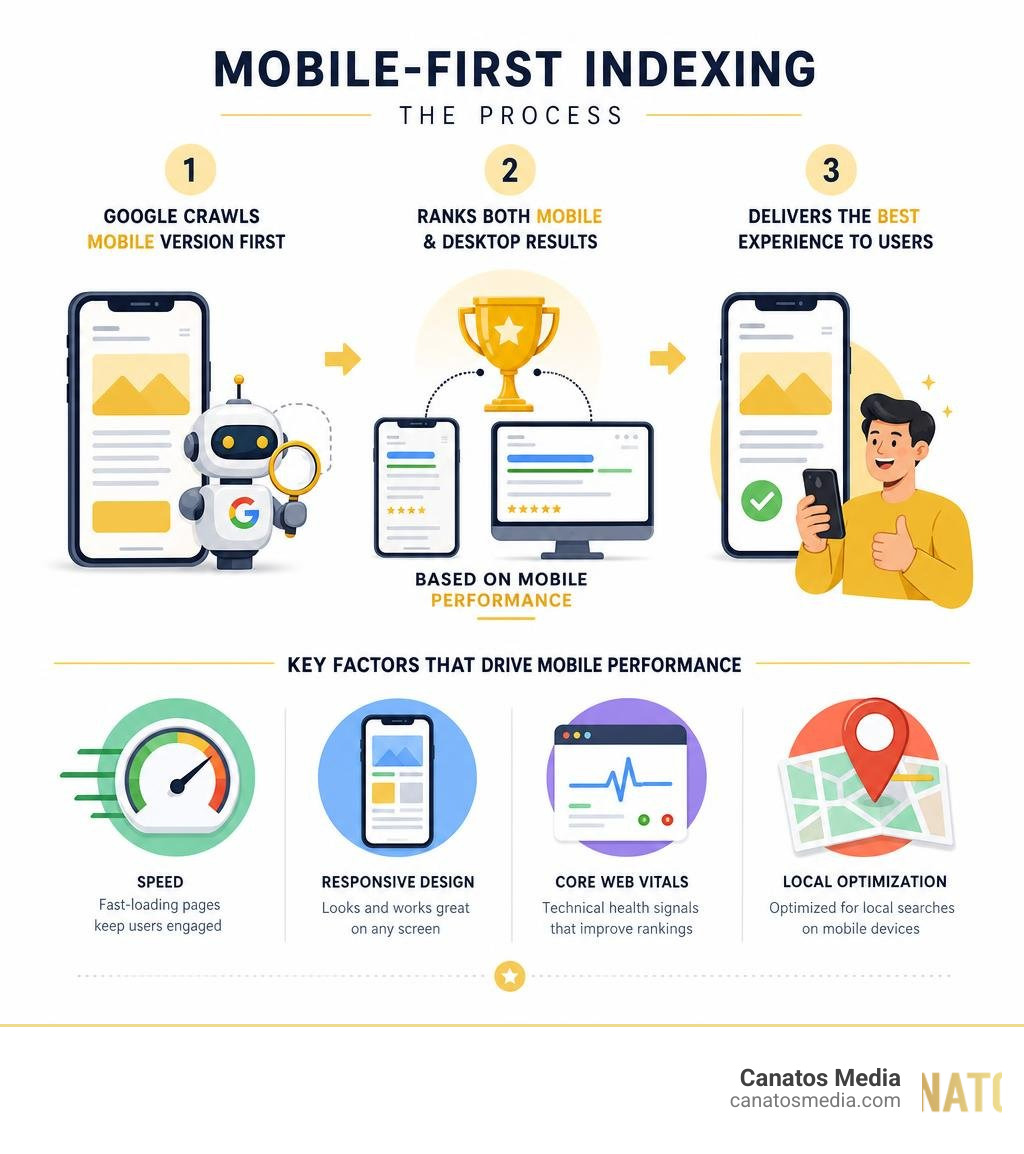
    Google primarily uses the mobile version of your site for ranking and indexing. If your store looks great on a desktop but is hard to use on a phone, your rankings will suffer. Ensure your buttons are easy to click and your text is readable on small screens.

    Essential Technical Files

    • HTTPS: An SSL certificate is mandatory for security and ranking.
    • XML Sitemaps: A map of your site that you submit to Google Search Console to ensure every product is found.
    • Robots.txt: A file that tells Google which pages not to crawl (like your checkout page or admin login).
    • Canonical Tags: These prevent duplicate content issues by pointing Google to the “main” version of a page.

    Prioritizing Keywords for Ecommerce Website SEO Success

    Keyword research for ecommerce is different from blogging. We aren’t just looking for high volume; we are looking for commercial intent.

    We categorize keywords into two main buckets:

    1. Informational: “How to clean leather boots” (Good for blogs).
    2. Transactional: “Buy men’s timberland leather boots size 10” (Good for product pages).

    Using Transactional Modifiers

    To capture buyers, we target keywords with “modifiers” like:

    • Buy
    • Price
    • Sale
    • Best
    • Discount
    • Free Shipping

    The Power of Long-Tail Keywords

    While “shoes” is a high-volume keyword, it is nearly impossible to rank for. However, “waterproof trail running shoes for wide feet” is a long-tail keyword. It has lower search volume but much higher conversion rates because the user knows exactly what they want.

    Query Type Example Query Intent Difficulty
    Informational “What are the best running shoes?” Researching High
    Commercial “Nike vs Adidas running shoes” Comparing Medium
    Transactional “Buy Nike Air Max 270 size 11” Ready to Buy Low/Specific

    We often use Amazon’s autocomplete and Google’s “People Also Ask” sections to find these specific phrases that shoppers are actually typing.

    Frequently Asked Questions about Ecommerce SEO

    How long does it take to see results from ecommerce SEO?

    SEO is a marathon, not a sprint. Typically, you will start to see initial ranking movements within 3 to 6 months. However, the real “compounding growth” usually kicks in around the 12-month mark. This is when the ROI becomes significantly more attractive than paid advertising.

    Can I build a successful store using only SEO?

    While it is possible—especially in “restricted industries” (like vape or CBD) where you can’t run traditional ads—we generally recommend a multi-channel approach. SEO provides the sustainable, long-term foundation, while paid ads (SEM) can provide immediate traction while you wait for your organic rankings to climb.

    How do I handle out-of-stock products for SEO?

    Never just delete a page! If a product is temporarily out of stock, keep the page live, update the schema to “OutOfStock,” and add a “Notify me when back” button. If a product is permanently discontinued, use a 301 redirect to send users (and search equity) to the most relevant current product or the parent category page.

    Conclusion

    In the competitive landscape of 2026, ecommerce website seo is no longer an optional “extra”—it is a survival requirement. Without a clear strategy for site architecture, technical health, and high-intent keyword targeting, your store is leaving money on the table for competitors to grab.

    At Canatos Media, we specialize in an integrated strategy that connects cinematic content, precise targeting, and technical SEO to drive measurable growth for businesses in the Tri-State area and Long Island. We don’t just want you to rank; we want you to sell.

    Ready to stop being invisible and start scaling your organic revenue? Contact Us to scale your ecommerce store and let’s build a storefront that works as hard as you do.