Tag: Paid Ads

  • The Best Creative Digital Agency Shortlist for 2026

    The Best Creative Digital Agency Shortlist for 2026

    Why Choosing the Right Creative Digital Agency in 2026 Can Make or Break Your Brand

    The best creative digital agencies in 2026 blend social-first strategy, AI-powered production, and immersive experiences to drive real business growth. To succeed, your brand needs a partner that excels in these critical areas:

    • Social-first integrated marketing: Focusing on live commerce and the creator economy.
    • Cultural brand storytelling: Creating iconic campaigns that resonate with modern audiences.
    • Immersive web experiences: Utilizing WebGL and interactive design to engage users.
    • Human-centered digital products: Prioritizing award-winning UX and technical development.
    • AI-augmented production: Leveraging AI for speed, flexibility, and measurable growth.

    Picking a creative digital agency is one of the most important decisions a growing brand can make right now. The gap between brands that stand out online and those that disappear into the noise has never been wider.

    In 2026, attention is the scarce resource. Audiences are fragmented across platforms. Gen Z is already buying through live social shopping. And AI is reshaping how content gets made, distributed, and measured.

    The agencies that win aren’t just making pretty visuals. They’re building systems — connecting creative, media, data, and technology into one engine that compounds over time.

    I’m Nic Canobbio, founder of Canatos Media, and with over two decades in media production and content strategy — including producing social content that has reached over 60 million views — I’ve seen what separates a forgettable creative digital agency from one that actually moves the needle for your business.
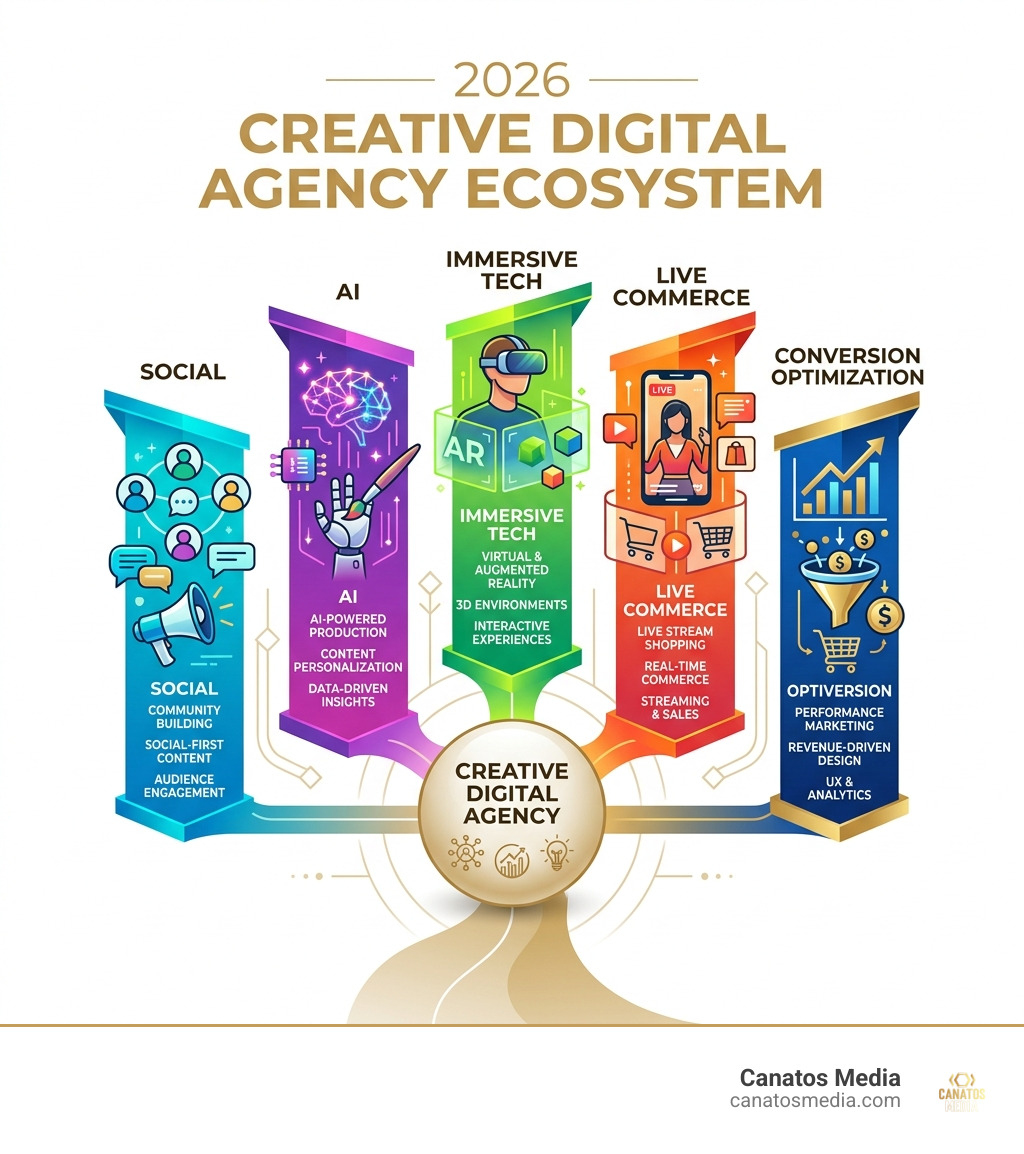
    2026 creative digital agency ecosystem showing pillars: social, AI, immersive tech, live commerce, and conversion

    What Defines a Top-Tier Creative Digital Agency in 2026?

    As we navigate through May 2026, the definition of a creative digital agency has evolved far beyond the traditional “ad agency” model. Today, a top-tier partner is defined by its ability to marry high-level artistry with technical precision and cultural speed.

    The leading agencies of 2026 don’t just guess what will work; they use audience listening to decode culture in real-time. This means moving away from mass messaging and toward individual relevance. Industry trend reports highlight that brands must now act as community participants rather than just broadcasters. A modern brand has to understand what people care about this week, this day, and sometimes this hour, then translate that insight into content, offers, and experiences that feel native to the platform.

    Technologically, the bar has been raised. A modern agency integrates WebGL and immersive brand experiences to make the digital world feel “alive.” We are seeing a shift toward Answer Engine Optimization (AEO), where content is structured specifically to be the definitive answer provided by AI search agents. At Canatos Media, we believe this full-funnel impact-connecting the first social touchpoint to the final conversion-is the only way to ensure long-term viability. Explore our More info about digital services to see how these elements come together.

    Just as important, the best agencies no longer separate brand, performance, and web experience into isolated departments that barely talk to each other. They connect messaging, media buying, SEO, website behavior, and creative testing into one operating system. That means your short-form video is not just designed to look good on social; it is built to attract the right audience, reinforce your positioning, move people to a landing page, and support conversion once they arrive.

    This shift also reflects broader changes in how people discover brands online. Search behavior is becoming more conversational, recommendation-driven, and platform-dependent. Users may discover a company through Instagram, validate it through reviews, explore it on a website, and then return through retargeting before converting. A top-tier creative digital agency understands that nonlinear path and designs for it. For a broader look at how digital marketing continues to evolve, even foundational resources like digital marketing help illustrate how much the field has expanded beyond traditional campaign thinking.

    5 Essential Pillars of a 2026 Creative Digital Agency

    To survive in the current market, an agency must excel in five core areas. These aren’t just “add-ons”; they are the foundational pillars of growth.

    cinematic video production set with high-end cameras and lighting - creative digital agency

    Service Pillar Traditional Agency Approach 2026 Agency Approach
    Strategy Broad demographic targeting Culture-decoding & social signals
    Creative TV-first, adapted for social Social-first storytelling & AI-augmented
    Technology Static websites Immersive WebGL & AI-integrated systems
    Commerce Basic e-commerce links Live commerce & social shopping
    Media Focus on reach/impressions Focus on attention & business outcomes

    1. Social-First Storytelling

    In 2026, social media is the center of the marketing universe. It is where discovery happens. A creative digital agency must understand community behaviors and the creator economy. It’s no longer about making a “commercial”; it’s about creating “talkability.” Whether it’s through All-in-one social content or high-stakes Paid social media advertising, the goal is to turn micro-trends into lasting connections.

    2. AI-Augmented Production

    Efficiency is the new competitive advantage. Modern agencies use AI-driven marketing workflows to accelerate content production without losing the “human” touch. From AI-augmented copywriting to automated creative scaling, these tools allow us to test thousands of creative variations to see what truly resonates with your audience. This predictive analytics approach ensures that we aren’t just creating content; we are building a machine that optimizes itself.

    3. Immersive WebGL Experiences

    The digital experience should be cinematic. By using WebGL, agencies can create 3D motion design and immersive websites that empower the user to interact with the brand. Pairing these high-end visuals with Cinematic website videos transforms a standard landing page into a memorable journey.

    4. Live Commerce Integration

    The stats don’t lie: 70% of Gen Z has already purchased through live shopping. Live commerce is a multi-billion-dollar market growing 30% every year. A top agency in 2026 must be able to execute real-time engagement strategies that turn a livestream into a high-converting storefront.

    5. Data-Driven Conversion Optimization

    Creativity without conversion is just art. Top agencies focus on the “moments of wonder” that drive action. We’ve seen that a UX overhaul can reduce bounce rates by 22% and increase average basket sizes by 19% in the very first month. It’s about delivering implemented changes, not just a list of recommendations.

    Driving Measurable Business Outcomes

    At the end of the day, your creative digital agency should be a revenue generator, not an expense. In the tri-state area and Long Island, businesses are looking for multimedia solutions that provide a clear ROI.
    data analytics dashboard showing growth curves and conversion metrics - creative digital agency

    We look at real-world results to define success. For instance, redesigning a digital journey can lead to a 12x increase in online donations or generate £300k in additional e-commerce revenue just by fixing friction in the mobile experience. For B2B brands, high-performance web design and strategy have been shown to increase session duration by 42%, proving that when you engage the user correctly, they stay longer and buy more.

    Whether it’s generating 600+ qualified leads in a single week at a major event or achieving a #1 placement in AI search results within six months, the focus is always on the bottom line. You can view our Case studies of success to see how we apply these principles to real businesses, or check our Pricing and value page to see how we structure our partnerships for maximum impact.

    Frequently Asked Questions about Creative Digital Agencies

    What is the role of AI in a creative digital agency?

    AI is the “engine” behind the creativity. In 2026, we use AI for everything from deep market research and AI search optimization to personalizing user experiences in real-time. By embedding AI into the digital infrastructure, agencies can provide a significant conversion lift and accelerate the speed at which content is delivered to the market. It’s about being “AI-accelerated” to get better results, faster.

    How does a creative digital agency impact social media ROI?

    An agency impacts ROI by moving beyond vanity metrics like “likes” and focusing on “social signals” that indicate intent. By using All-in-one social management, we ensure that every post is tied to a business outcome. We listen to what the audience is saying right now—not what they said last month—to ensure your brand remains relevant and top-of-mind.

    Why is live commerce essential for 2026 retail brands?

    Live commerce is where the modern consumer lives. With the market growing at 30% annually, it has become a multi-billion-dollar ecosystem. It combines the entertainment of social media with the instant gratification of e-commerce. For brands, it offers a way to build community-led shopping experiences that feel interactive and authentic, rather than forced.

    Conclusion

    The landscape of 2026 demands more from a creative digital agency than ever before. It requires a partner who understands that “more traffic” isn’t the answer—better conversion is. It requires an integrated strategy that connects cinematic content with precision targeting and a seamless user experience.

    At Canatos Media, we pride ourselves on being that partner for businesses in the tri-state area and Long Island. We don’t just make videos or manage social accounts; we build the digital systems that drive measurable growth. From Commercial Production to Live Production, we are here to ensure your brand doesn’t just exist in 2026—it leads.

    Ready to close the gap between what’s possible and what’s actually happening for your brand? Contact Us today or explore our full suite of Services to get started.
  • The Complete Guide to Meta Ads Management

    The Complete Guide to Meta Ads Management

    What Meta Ads Management Actually Is (And Why It Matters for Your Business)

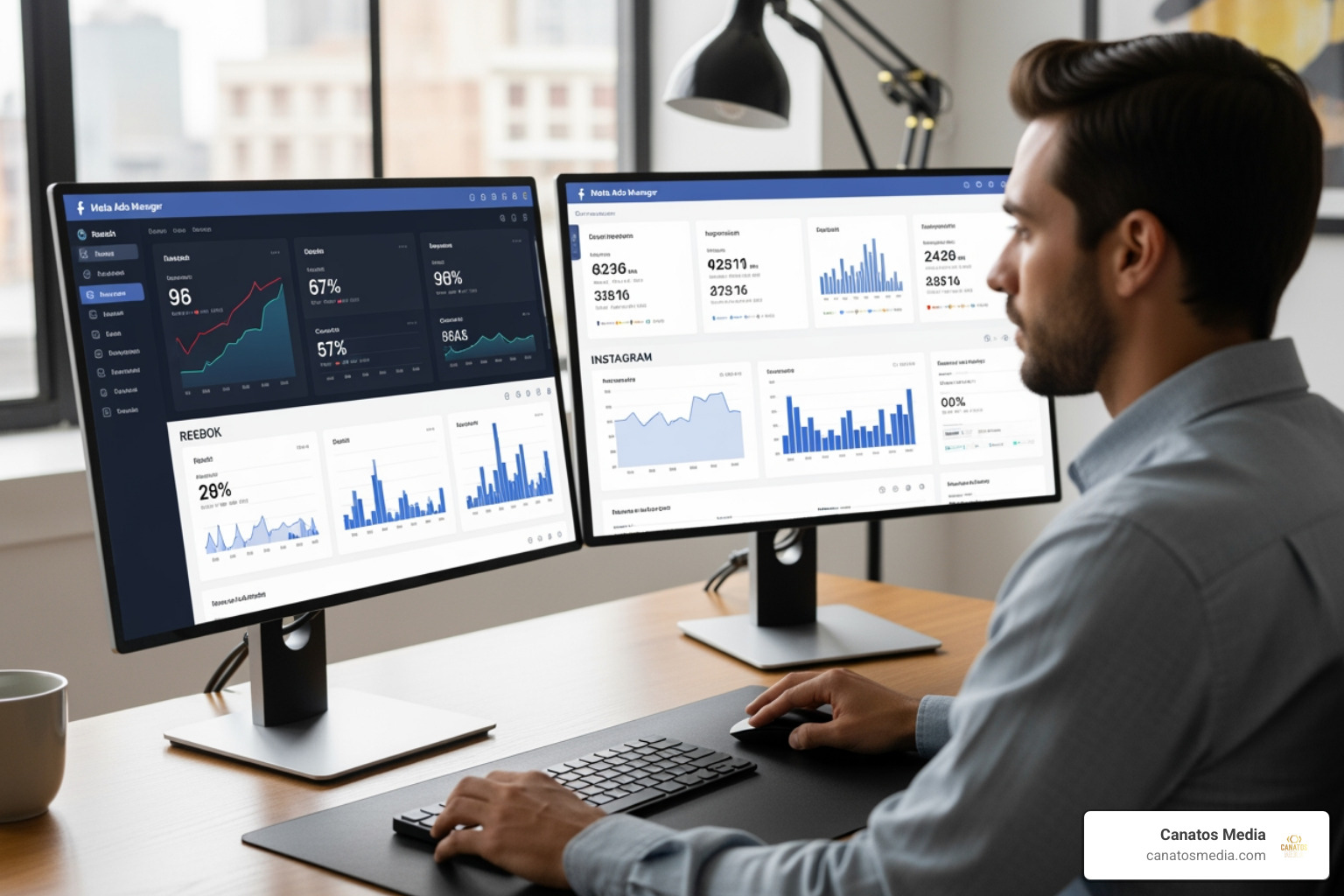
    Meta ads management is the process of creating, running, optimizing, and tracking paid advertisements across Facebook, Instagram, Messenger, and WhatsApp — all from one centralized platform called Meta Ads Manager.

    If you’re looking for a quick overview of what it involves, here’s what you need to know:

    What You Can Do How It Works
    Create ads Choose an objective, build your audience, pick a format
    Manage campaigns Set budgets, schedules, and placements in one place
    Target the right people Use demographics, interests, behaviors, or custom data
    Track performance View real-time results and generate detailed reports
    Optimize over time Use AI tools, opportunity scores, and creative testing

    Meta Ads Manager runs on desktop and mobile, giving you control over your campaigns wherever you are. It supports ad formats ranging from single images to video, carousel, and collection ads — each designed to match specific business goals.

    For local business owners, this matters more than ever. Meta’s platforms reach billions of people daily, and its targeting tools let you zero in on exactly the audience most likely to walk through your door or fill out your contact form. As one business owner put it after running Facebook ads, advertising on the platform “almost doubled my business.”

    But getting real results takes more than just boosting a post. It requires a clear strategy, the right structure, and ongoing optimization.

    I’m Nic Canobbio, founder of Canatos Media, and my background in live production, content strategy, and AI-driven media has given me a front-row seat to what separates winning meta ads management campaigns from wasted ad spend. In this guide, I’ll walk you through everything — from account setup to advanced optimization.

    Meta advertising ecosystem showing cross-platform reach across Facebook, Instagram, Messenger, and WhatsApp infographic

    The Core Framework of Meta Ads Manager

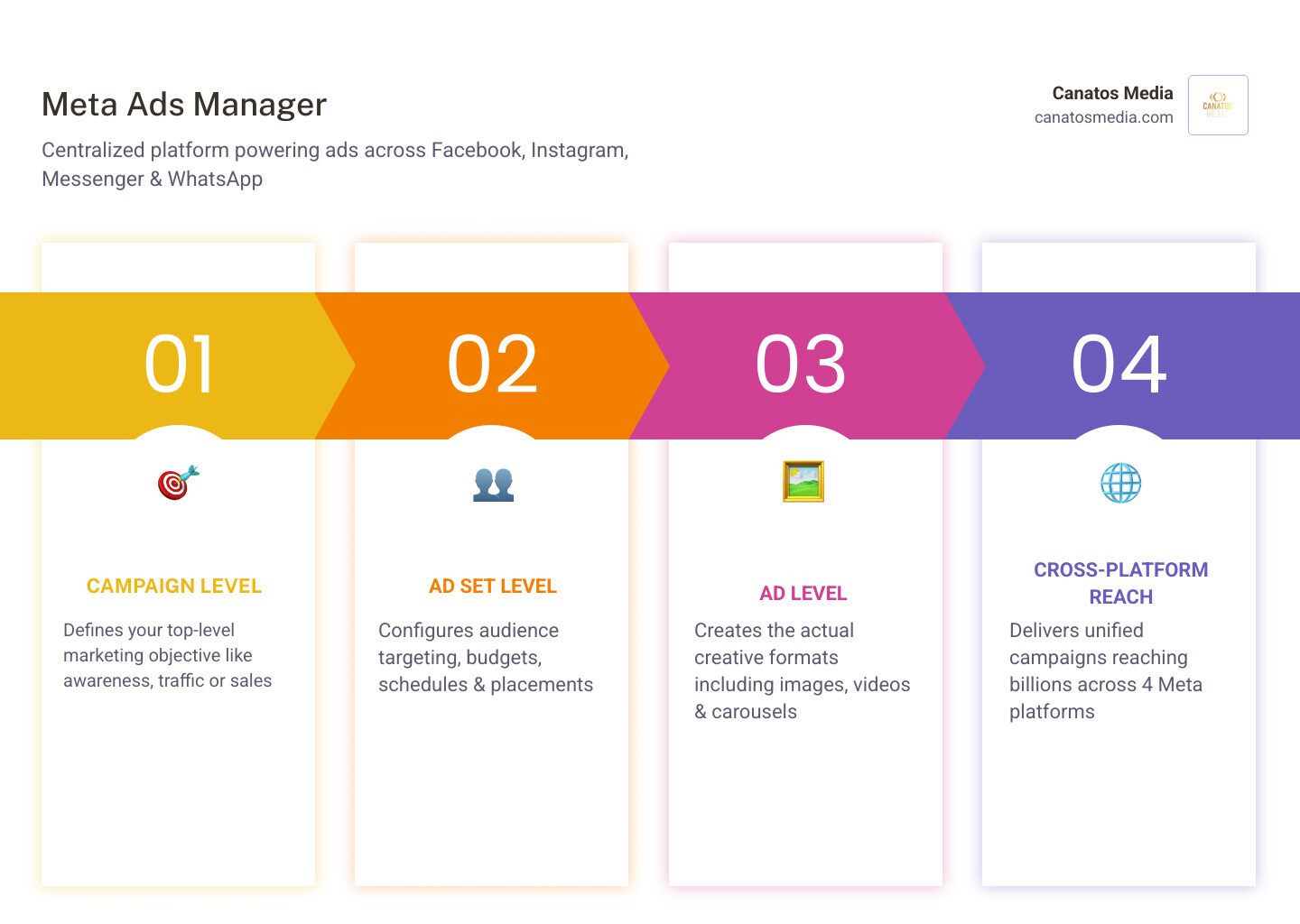
    To master Meta Ads Manager, we first need to understand its “DNA.” Meta uses a three-tiered structure that organizes every single ad you see on your feed. Think of it like a Russian nesting doll: each level sits inside the other, and they must all work together to be successful.

    1. The Campaign Level: Your Goal

    Everything starts with the campaign. This is where you decide your primary objective. Are you looking for brand awareness? More traffic to your website? Or perhaps direct sales? Choosing the right objective is critical because Meta’s algorithm will optimize your delivery based on this choice. If you tell Meta you want “Traffic,” it will find people likely to click a link. If you choose “Sales,” it will hunt for people with a history of buying.

    2. The Ad Set Level: Your Strategy

    The ad set is the “brain” of your meta ads management strategy. This is where you define:

    • Audience: Who should see the ad?
    • Placements: Where should it appear (Instagram Reels, Facebook Feed, etc.)?
    • Budget: How much do you want to spend?
    • Schedule: When should the ads run?

    3. The Ad Level: Your Creative

    This is the “face” of your campaign—the part the customer actually sees. It includes your images, videos, headlines, and “Call to Action” buttons. Even the best targeting won’t work if your creative doesn’t “stop the scroll.”

    When you first log in, you’ll land on the Account Overview. This page is incredibly helpful for beginners as it guides you through the necessary steps to set up your account and ensures you are following Meta Advertising Standards. For a deeper dive into the foundations of digital advertising, check out our Step-by-Step Guide to Paid Ads.

    Mastering Meta Ads Management: From Setup to Launch

    Starting a campaign in May 2026 is a much more streamlined experience than it was just a few years ago. Meta has heavily invested in AI to make the process more intuitive for business owners in the Tri-State area and Long Island.

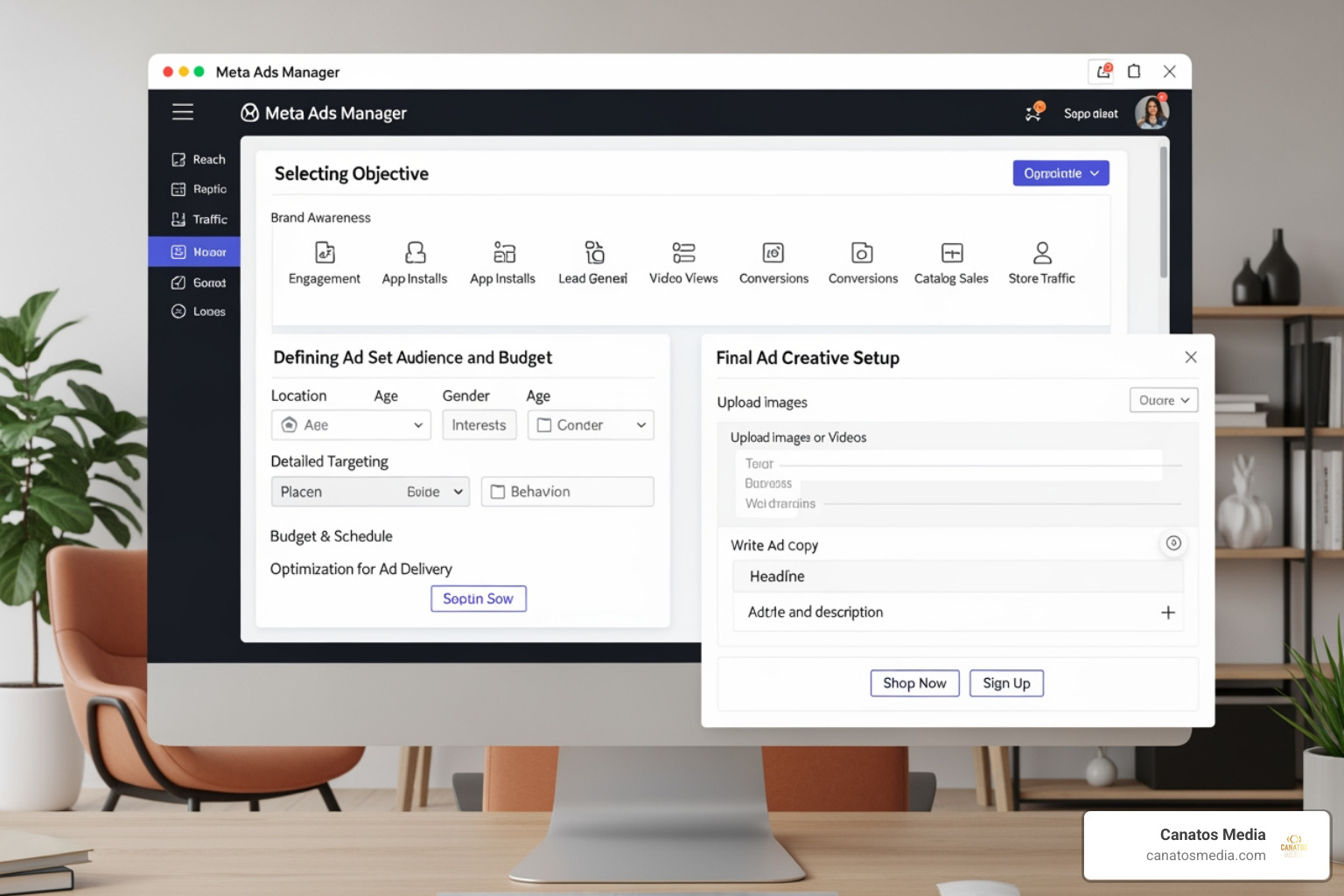
    Campaign creation workflow in Meta Ads Manager showing the step-by-step setup process

    Account Setup and Payments

    Before you can launch, you need a solid foundation. You must link a Facebook Page (and ideally an Instagram account) to your Business Manager. One of the most common hurdles we see is payment failures. You’ll be prompted to add a payment method before publishing your first ad. We recommend using a reliable credit card or PayPal account, as payment issues can lead to account restrictions that take hours to resolve.

    Advantage+ vs. Manual Setup

    When you create ad campaigns in Meta Ads Manager, you’ll often see an option for Advantage+. This is Meta’s AI-powered “easy mode.” It automates many of the technical decisions, such as where your ads are placed and which creative combinations are shown to which users.

    While Advantage+ is fantastic for efficiency, manual setup still has its place for businesses that need granular control over their targeting. Whether you choose the AI-driven path or the manual one, your budget strategy is the next big decision. You can choose between:

    • Campaign Budget (Advantage Budget Distribution): Meta moves your money between different ad sets to find the best results.
    • Ad Set Budget: You dictate exactly how much each specific audience segment receives.

    For a broader look at how this fits into your overall marketing, see our page on Meta & Google Advertising.

    Strategic Meta Ads Management for Audience Targeting

    Targeting is where the magic happens. In meta ads management, we move beyond just “men aged 25-45.” We use Custom Audiences to reach people who have already interacted with your brand—perhaps they visited your website or watched one of your videos.

    We also leverage Advantage+ Audience, which uses Meta’s advanced algorithms to find people most likely to be interested in your products based on their behaviors and purchasing patterns. By combining your first-party data (like email lists) with Meta’s interest-based reach, you create a powerful funnel that moves people from “who are you?” to “take my money!” If you’re new to this, we recommend reading Paid Social Media Advertising: From Zero to Hero in One Hour.

    Optimizing Performance with Meta Ads Management Tools

    Once your ads are live, the work isn’t over—it’s just beginning. We use the Opportunity Score, a 0-100 scale, to see how well-optimized our campaigns are. Meta provides specific recommendations to improve this score, which can often lead to better performance.

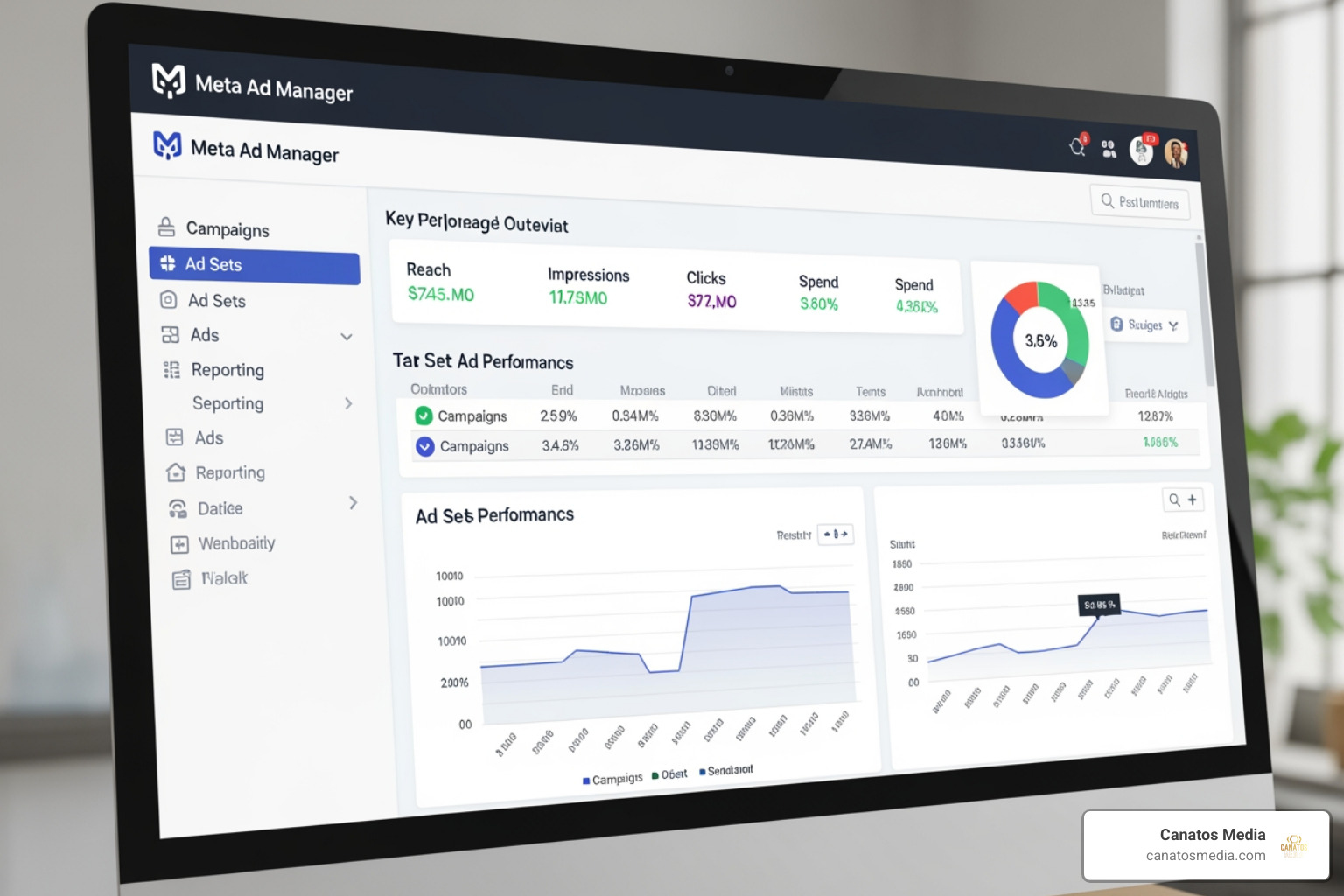
    Real-time insights allow us to see exactly what’s working. By using Breakdown Analysis, we can see if our ads are performing better on Instagram than Facebook, or if certain age groups are clicking more often. We also set up Automated Rules to pause underperforming ads or increase the budget on winners, ensuring we never waste a dollar of your budget. For more on these techniques, visit our Category: Ad Management.

    Budgeting, Scheduling, and Creative Formats

    Understanding how to allocate your funds is the difference between a profitable campaign and an expensive hobby.

    Daily vs. Lifetime Budgets

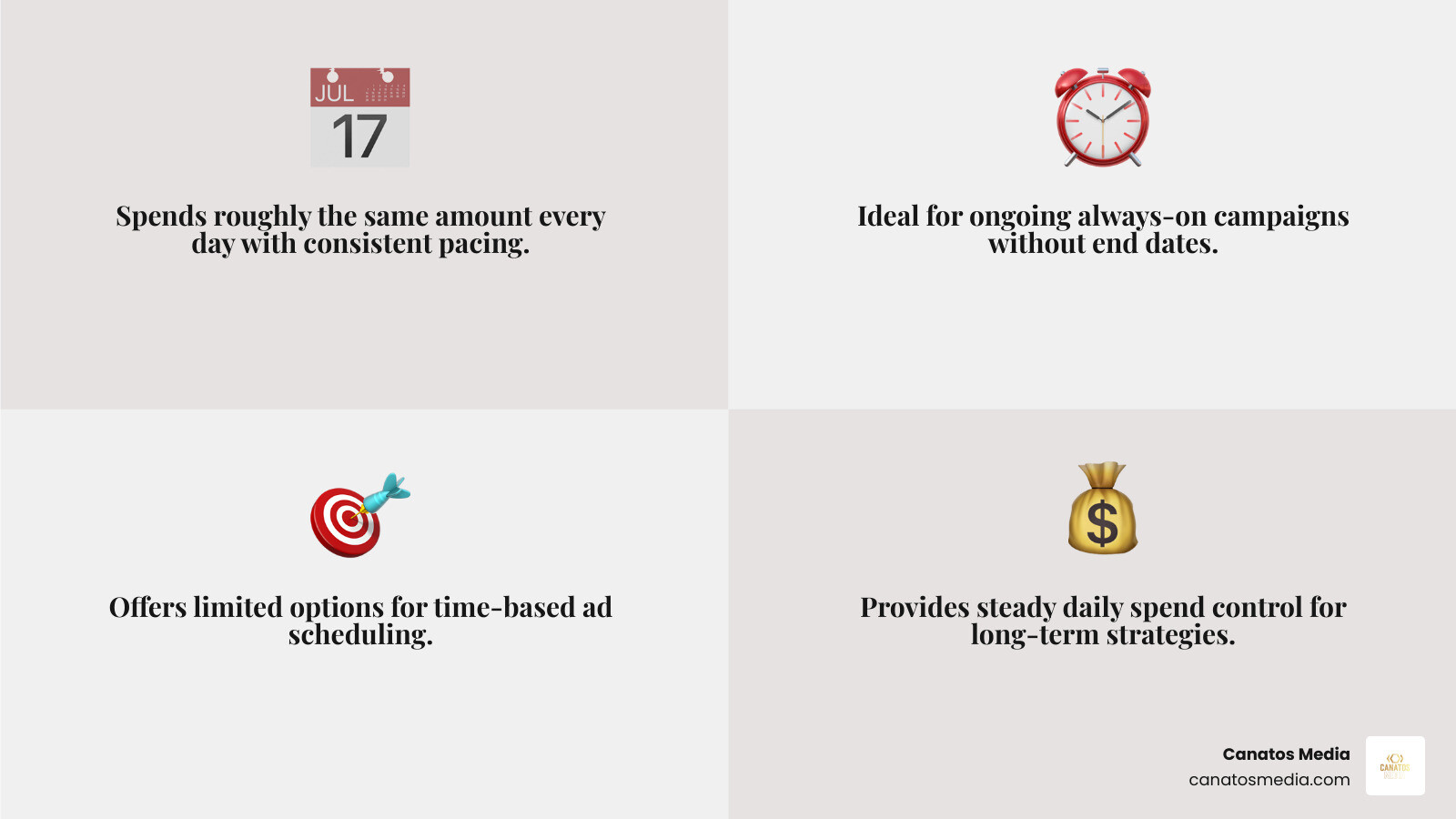
    Comparison table of Daily vs. Lifetime budgets in Meta Ads Manager infographic

    Feature Daily Budget Lifetime Budget
    Pacing Spends roughly the same amount every day. Spends the total amount over the duration of the campaign.
    Flexibility Good for ongoing “always-on” campaigns. Better for short-term promotions or events.
    Scheduling Limited scheduling options. Required if you want to schedule an ad set for specific times.

    Ad Scheduling

    If you know your audience is most active on Sunday mornings, why waste money at 3:00 AM on a Tuesday? With a lifetime budget, you can use Delivery Scheduling to pick specific time blocks. For example, a breakfast cafe in Long Island might only run ads from 6:00 AM to 11:00 AM. Scheduled ad sets must run for at least one hour.

    Creative Formats: Choosing Your Weapon

    The “look and feel” of your ad should match your goal.

    • Single Image/Video: Great for a simple, punchy message.
    • Carousel Ads: Perfect for showing a range of products or telling a story in chapters.
    • Collection Formats: A mobile-only experience that allows users to browse your catalog without leaving the app.

    At Canatos Media, we emphasize high-quality video because it’s the most effective way to stop the scroll and start the toll with Meta paid ads.

    Troubleshooting and Professional Resources

    Even the best meta ads management can hit a snag. Common issues include:

    • Disabled Accounts: Often caused by policy violations or unusual login activity. Always ensure you have two-factor authentication enabled to prevent hacked accounts.
    • Payment Failures: Keep your billing info up to date to avoid campaign pauses.
    • Review Process: Every ad is reviewed against Meta’s standards. If your ad is rejected, you can usually appeal or edit the creative to comply.

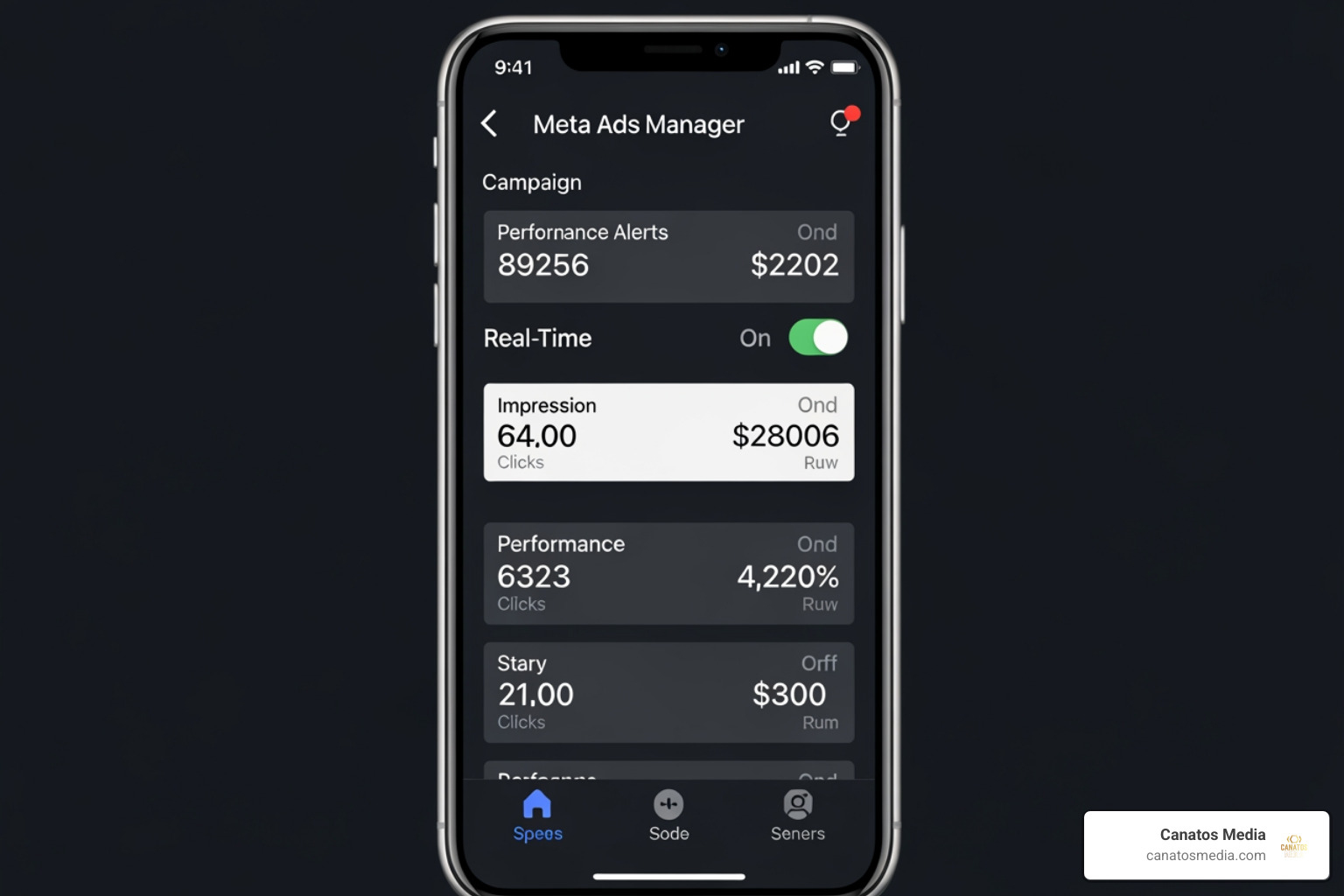
    For those who want to manage things on the go, the Meta Ads Manager App is a powerful tool. It has over 10 million downloads and solid ratings (4.3 on Google Play; 4.5 on the App Store). It’s perfect for checking real-time insights or toggling a campaign off while you’re away from your desk.

    Meta Ads Manager mobile app interface showing campaign toggles and performance alerts

    If you want to dive deeper into the technical side, Meta Blueprint offers free online courses and certifications. It’s the official way to stay updated on the latest platform changes. For a broader view of how ads fit into your brand’s digital presence, check out The Complete Guide to Social Media Management.

    Frequently Asked Questions about Meta Ads

    Why is my Meta ad account disabled or restricted?

    Account restrictions usually happen for three reasons: policy violations (like using prohibited content), payment failures (leading to a “bad debt” flag), or unusual activity (which triggers a security lock). If this happens, don’t panic. Check your “Account Quality” page to see the specific reason and request a review. Identity verification is often required to get back into Meta’s good graces.

    What is the difference between Advantage+ and manual setup?

    Think of Advantage+ as an AI co-pilot. It uses machine learning to handle targeting, placements, and even creative enhancements (like adjusting brightness or adding music). Manual setup gives you the keys to the car. You decide exactly who sees the ad and where. We often use a hybrid approach—letting AI handle the broad reach while using manual controls for specific retargeting.

    How do I schedule ads for specific times of the day?

    To do this, you must select a Lifetime Budget at the ad set level. Once selected, you can go to the “Delivery Scheduling” section and highlight the specific hours and days you want your ads to appear. That ads run based on the audience’s time zone, so if you’re targeting people across the country, your 9:00 AM start will happen at different times for different users.

    Conclusion

    Effective meta ads management isn’t just about clicking “Publish” and hoping for the best. It’s a science that combines cinematic content, data-driven targeting, and constant optimization. Whether you are a business in the Tri-State area looking to double your leads or a Long Island shop wanting to build a local following, the tools within Meta Ads Manager are incredibly powerful when used correctly.

    At Canatos Media, we specialize in an integrated strategy that connects high-end video production with precision ad targeting. We don’t just want your ads to be seen; we want them to convert. If you’re ready to stop guessing and start growing, explore our Meta & Google Advertising services to see how we can help you achieve measurable results.

  • How to Navigate Meta Ad Manager Like a Pro

    How to Navigate Meta Ad Manager Like a Pro

    What Is Meta Ad Manager and Why It Matters for Your Business

    Meta Ad Manager is the central platform for creating, running, and tracking paid ads across Facebook, Instagram, Messenger, and WhatsApp — all from one place.

    Here’s a quick snapshot of what it does:

    Feature What It Means for You
    Cross-platform ads Run one campaign across Facebook, Instagram, Messenger, and WhatsApp
    Audience targeting Define who sees your ads based on demographics, interests, and behavior
    Budget management Set daily or lifetime budgets and control your spend
    Real-time insights Track performance and adjust campaigns as they run
    AI tools (Advantage+) Automate targeting and creative optimization
    Mobile app Manage campaigns from your phone, anywhere

    It’s the most widely used paid social tool in the world — with the mobile app alone pulling 10M+ downloads on Google Play and a 4.3-star rating from over 508,000 reviews.

    But here’s the truth: it’s not always easy to use. Between confusing UI updates, AI features that don’t always deliver, and real risks like budget overruns and account issues, many business owners struggle to get results from it.

    This guide cuts through the noise and shows you exactly how to use it effectively.

    I’m Nic Canobbio, founder of Canatos Media, and I’ve spent years managing paid social strategies — including meta ad manager campaigns — for brands across multiple markets and locations. The insights in this guide come directly from real-world campaign experience, not just theory.

    Meta advertising ecosystem infographic showing campaign levels, platforms, and key features infographic

    Understanding the Meta Ad Manager Ecosystem

    Navigating digital advertising can feel like trying to fold a fitted sheet—frustrating and seemingly impossible until someone shows you the trick. The meta ad manager ecosystem is a massive, interconnected web that allows us to broadcast our brand’s message across some of the most frequented digital real estate on the planet.

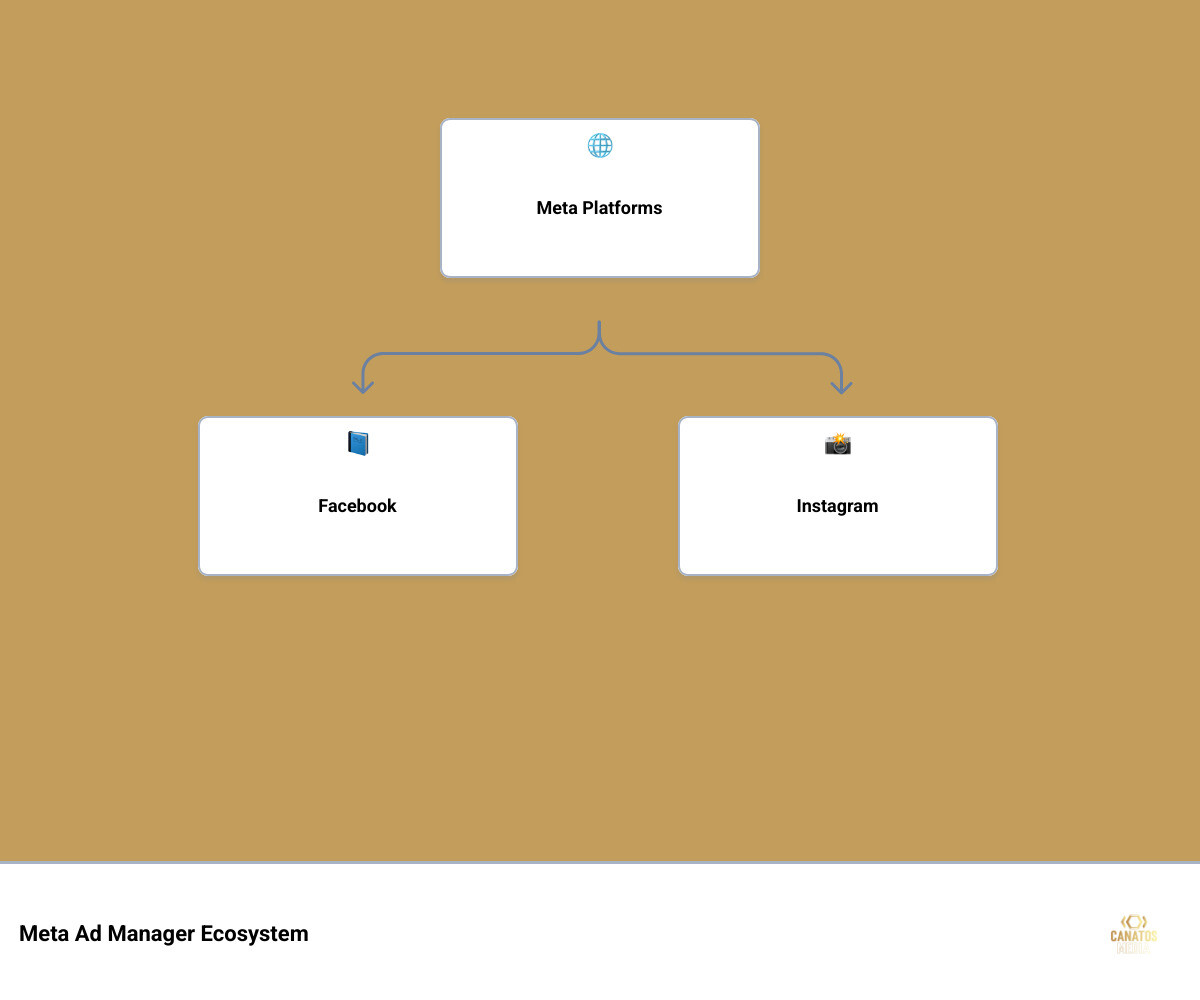
    When we talk about About Meta Ads Manager, we aren’t just talking about Facebook. We are talking about a unified command center that pushes content to:

    • Facebook: The classic feed, Stories, and Reels.
    • Instagram: Where visual storytelling thrives in feeds, Stories, Explore, and Reels.
    • Messenger: Direct sponsored messages and inbox ads.
    • WhatsApp: Increasingly integrated for business-to-customer communication.
    • Audience Network: A collection of third-party mobile apps and websites where your ads can appear outside of Meta’s own platforms.

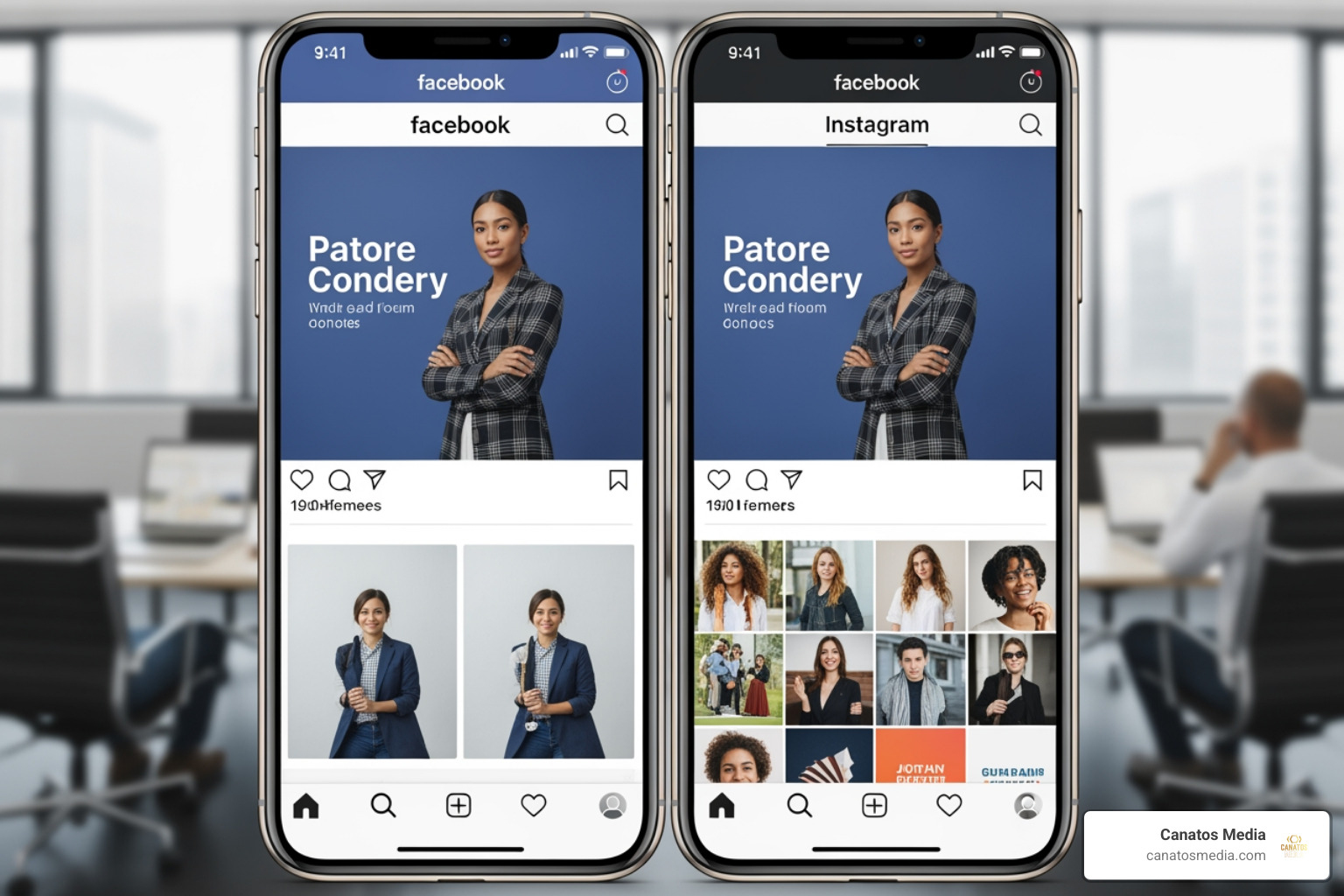
    cross-platform ad delivery across Facebook and Instagram

    The power of this ecosystem lies in its integration. You don’t have to build four different campaigns for four different apps. You build one, and Meta’s delivery system optimizes where those ads appear based on where your customers are actually hanging out.

    The Three Levels of Meta Ad Manager Structure

    To master meta ad manager, you have to understand the “Russian Nesting Doll” structure of a campaign. If you get one level wrong, the whole thing can fall apart.

    1. The Campaign Level (The “What”): This is where you choose your objective. Are you looking for brand awareness, traffic, engagement, leads, app promotion, or sales? This choice tells Meta’s algorithm what success looks like for you.
    2. The Ad Set Level (The “Who,” “Where,” and “How Much”): This is the engine room. Here, we define our audience targeting (demographics, interests, behaviors), choose our placements (automatic vs. manual), and set our budget and schedule. Create ad campaigns in Meta Ads Manager effectively by ensuring your ad set parameters are tight enough to be relevant but broad enough for the AI to learn.
    3. The Ad Level (The “Look”): This is what the user actually sees. It involves selecting your creative (single image, video, carousel, or collection), writing your copy, and adding your call-to-action (CTA) buttons.

    Setting Up Your Account for Success in 2026

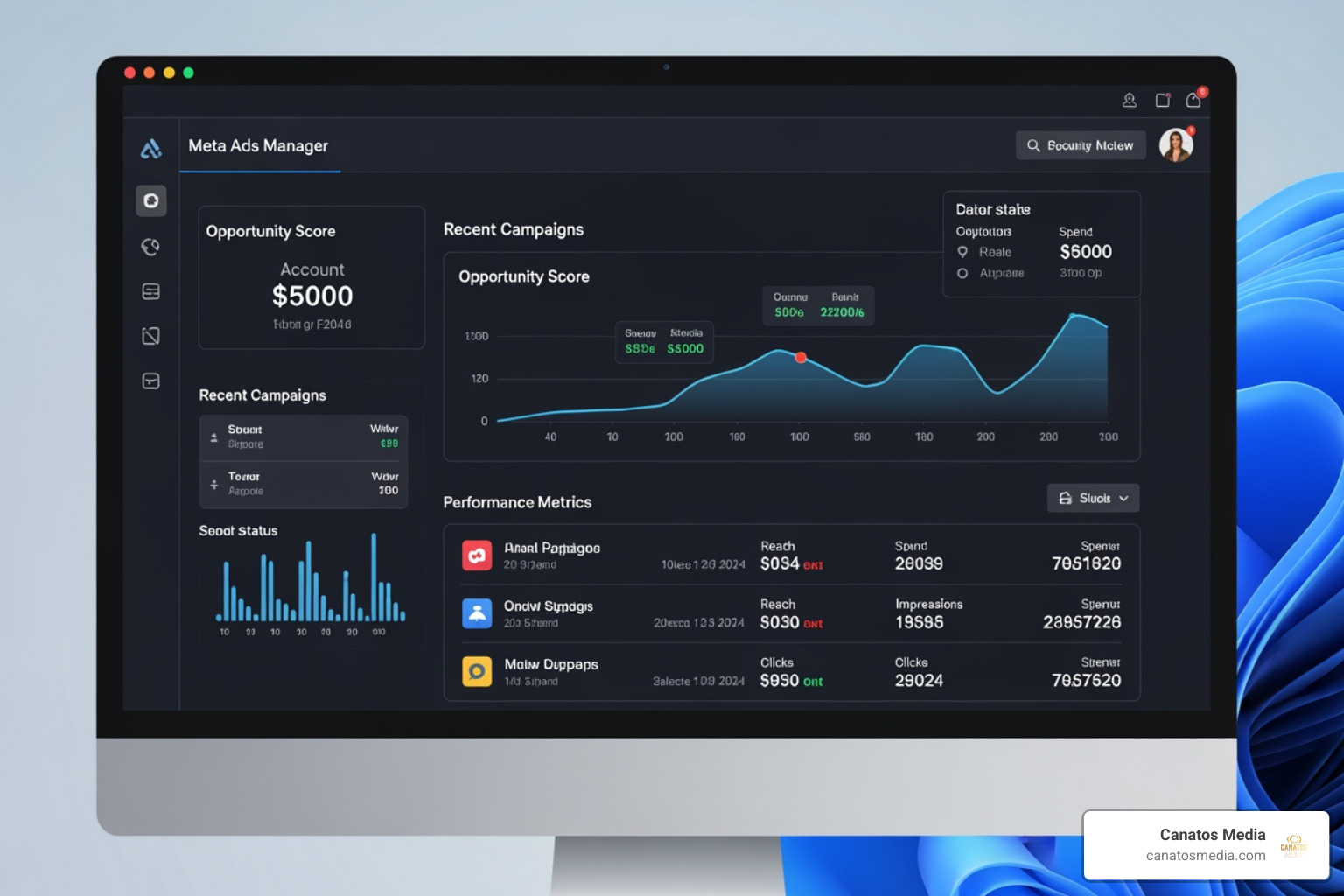
    By mid-2026, the setup process has become more streamlined, yet more reliant on “Opportunity Scores.” When you first dive in, the Account Overview page is your best friend. It acts as a diagnostic dashboard, guiding you through the essential prerequisites like adding a valid payment method and verifying your business domain.

    meta ad manager account overview page

    One of the most critical steps in 2026 is monitoring your Opportunity Score. This is a 0-100 point scale that Meta uses to tell you how “optimized” your account is. While it’s a helpful guide, don’t let it bully you into making changes that don’t align with your specific business goals. If you’re looking for a deeper dive into the technicalities of getting started, our Step-by-Step Guide to Paid Ads is a great resource to have open in another tab.

    Managing Campaigns on the Meta Ad Manager Mobile App

    For business owners in the Tri-State area or Long Island who are constantly on the move, the mobile app is a lifesaver—with caveats. The Meta Ads Manager app (available on iOS and Android) allows for real-time insights and quick pivots.

    • The Stats: The app is roughly 104.1 MB and, as of May 2026, requires iOS 15.1 or later.
    • The Pros: You can turn campaigns on or off with a swipe, receive instant alerts if an ad is rejected, and perform side-by-side comparisons of ad performance while waiting for your coffee.
    • The Cons: It doesn’t have the full functionality of the desktop version. Complex audience building and deep-dive reporting are still best handled on a big screen.

    The biggest shift in meta ad manager over the last few years is the aggressive push toward AI-driven automation, specifically Advantage+. These tools are designed to take the guesswork out of creative and targeting by letting Meta’s AI decide who sees what.

    However, “automated” doesn’t always mean “better.” While Advantage+ Shopping campaigns can be incredibly efficient for e-commerce, we’ve seen manual campaigns often provide more control and better long-term stability.

    Campaign Type Best For ROAS Potential (User Tests)
    Manual Campaigns Precise targeting, niche audiences, testing specific variables 30-40% higher in specific user-tested scenarios
    Advantage+ Scaling quickly, broad reach, hands-off optimization High efficiency for broad-market retail

    At Canatos Media, we often find that a hybrid approach—using Advantage+ for broad reach while maintaining manual “control” groups—yields the best results. You can learn more about how we balance these technologies on our Meta & Google Advertising page.

    Troubleshooting Hacks, Payment Failures, and Overspending

    Let’s address the elephant in the room: meta ad manager can be glitchy. We’ve seen horror stories in the industry where budgets spiral out of control due to “glitches” or simple setting errors.

    The Overspend Danger:

    • In one documented case, a campaign with a $50/day budget spiked to $127 in 24 hours (154% over budget).
    • Even worse, a $125/day budget once ballooned to $1000 in a single day—an 800% overspend.

    To prevent this, we recommend setting Account Spending Limits. This is a hard cap that stops all ads once a certain dollar amount is reached, acting as a “kill switch” for runaway spending.

    Hacks and Security: Account security is a major pain point. Many users report “hacked” accounts that are subsequently disabled by Meta, often with little to no human support to resolve the issue. Always enable Two-Factor Authentication (2FA) and regularly audit who has “Admin” access to your Business Manager. If you find yourself in a pinch, our guide on Paid Social Media Advertising: From Zero to Hero covers some of the foundational safety checks you should have in place.

    Best Practices for Privacy and Performance

    In 2026, privacy isn’t just a legal requirement; it’s a performance factor. With evolving data collection rules, Meta uses encryption in transit and allows users to request data deletion. As advertisers, we must respect these boundaries while still gathering enough data to optimize.

    To “Stop the Scroll,” as we like to say, your creative needs to be high-impact. But to “Start the Toll” (the conversion), your data backend needs to be solid. This means properly installing the Meta Pixel and using the Conversions API (CAPI) to ensure your tracking is accurate even when browser cookies fail. For more on this philosophy, check out our article Stop the Scroll and Start the Toll.

    Maximizing ROI with Meta Ad Manager

    Return on Ad Spend (ROAS) is the metric that keeps us up at night. To maximize it, you need to look beyond the surface-level “Likes” and “Comments.”

    • Analyze Audience Behavior: Use the “Breakdowns” feature in meta ad manager to see which age groups, genders, and regions are actually converting.
    • Creative Refresh: Don’t let your ads go stale. If your frequency (how many times a single person sees your ad) gets too high, your ROAS will likely drop.
    • Performance Tracking: Schedule weekly reports to be emailed to your team so you never miss a dip in performance.

    For more tips on refining your strategy, browse our Category: Ad Management for the latest industry updates.

    Frequently Asked Questions about Meta Ad Manager

    Why is my Meta ad account disabled?

    Accounts are usually disabled for one of three reasons: violating Advertising Standards (e.g., misleading claims, prohibited content), payment failures that look like fraud, or suspicious login activity (hacking). If this happens, use the “Account Quality” page to appeal the decision. Be prepared—human support can be notoriously slow, so detailed appeals are your best bet.

    How do I prevent budget overspending?

    Always double-check if you have selected “Daily Budget” or “Lifetime Budget.” Additionally, set an Account Spending Limit in the Billing section. This ensures that even if a specific campaign glitches, your total credit card charge won’t exceed your comfort zone.

    Is the mobile app as effective as the desktop version?

    It is effective for monitoring, but not for building. Think of the mobile app as your “emergency kit” and the desktop version as your “construction site.” Use the app to pause underperforming ads or check stats on the go, but use the desktop for initial campaign setup and detailed audience research.

    Conclusion

    Mastering the meta ad manager is a journey, not a destination. The platform is constantly evolving, with new AI tools and UI changes rolling out every few months. For small businesses in Long Island and the Tri-State area, the complexity can be overwhelming, but the potential for growth is too large to ignore.

    At Canatos Media, we specialize in an integrated strategy that connects cinematic content with precision targeting. We don’t just “run ads”—we build systems that drive measurable growth. If you’re tired of fighting with the dashboard and want a team that knows how to navigate the technical hurdles of 2026, we’re here to help.

    More info about Meta advertising services

  • Stop Burning Cash on Bad Meta Ads

    Stop Burning Cash on Bad Meta Ads

    Why Most Businesses Waste Money Without a Meta Ads Agency

    Hiring a Meta ads agency is one of the fastest ways to stop burning your ad budget and start getting real, measurable returns on Facebook and Instagram.

    Quick answer — what a Meta ads agency does for you:

    Service What to Expect
    Campaign strategy Full-funnel setup across prospecting and retargeting
    Creative production Scroll-stopping video and image ads tested at scale
    Tracking & attribution Server-side data via Conversions API for accurate reporting
    Budget optimization Gradual scaling with guardrails to protect ROAS
    Reporting Real-time dashboards tied to revenue, not just clicks

    Meta’s ad platform reaches billions of people across Facebook, Instagram, Messenger, and WhatsApp. That reach sounds like an opportunity. But without the right strategy, it’s just an expensive way to get ignored.

    Most local business owners run ads, watch the budget disappear, and wonder what went wrong. The targeting was off. The creative didn’t stop the scroll. The tracking was broken. Or all three at once.

    The numbers tell the story. Top-performing agencies report results like a 3.27x ROAS within 90 days and cost-per-acquisition reductions of nearly 50%. Businesses that get those results aren’t lucky — they have a system.

    I’m Nic Canobbio, founder of Canatos Media, and my background in media production, live content, and AI-driven strategy gives me a unique lens on what actually works when evaluating a Meta ads agency for your business. In this guide, I’ll walk you through exactly what separates the agencies that scale brands from the ones that just spend your budget.

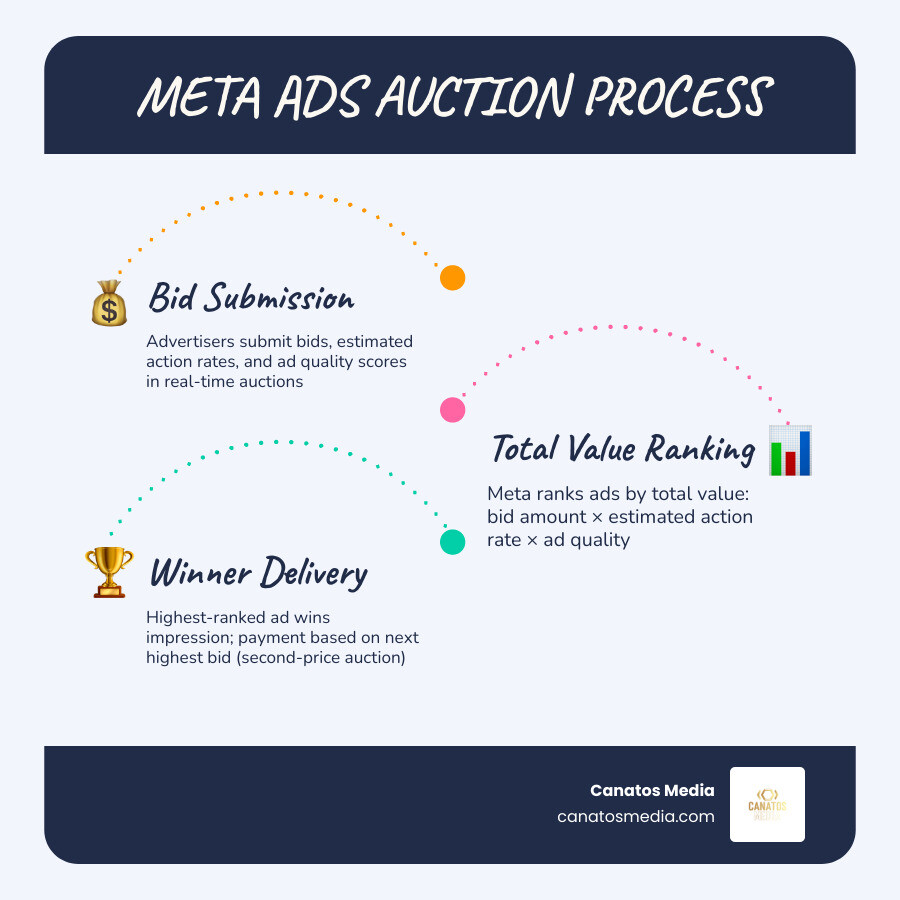
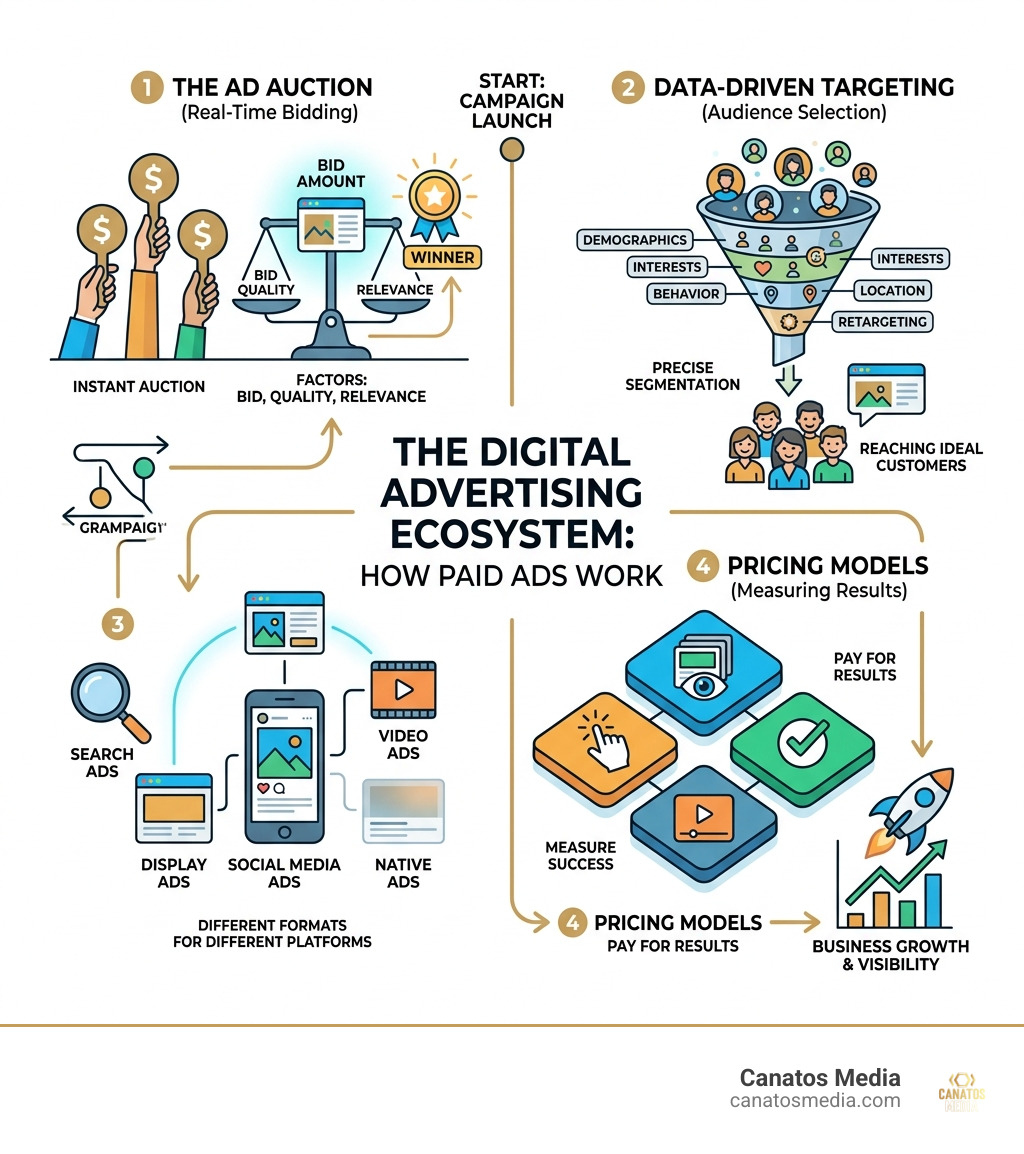
    Infographic showing Meta ads ecosystem: auction process, funnel stages, key metrics like ROAS and CAC infographic

    What Defines a Top-Tier Meta Ads Agency in 2026?

    Digital marketing strategy session with a team analyzing Meta campaign data

    As we move through 2026, the definition of a “good” agency has shifted. It’s no longer enough to just know how to “boost a post” or set up a basic interest-based audience. Today, a top-tier Meta ads agency acts as a technical and creative powerhouse. We’ve seen the landscape evolve where Meta’s AI now does much of the heavy lifting regarding targeting, which means the agency’s value has moved toward strategy, data integrity, and high-level creative direction.

    Leading agencies in the U.S. market are managing massive amounts of capital-some over $137 million in total spend-while maintaining impressive 91% yearly retention rates. Why do clients stay? Because these agencies focus on the metrics that actually pay the bills: revenue and pipeline growth, not just “likes” or “impressions.”

    For businesses in the tri-state area and Long Island, working with a partner that understands the local nuances of the Meta ads agency in the tri-state area landscape is vital. You need a team that doesn’t just treat your account as a “set it and forget it” project. Instead, you want an agency that views Ad Management as a continuous cycle of testing and refinement. It also helps to understand how Meta Platforms structures its advertising ecosystem, because platform changes often affect campaign performance, tracking, and creative best practices.

    How to Evaluate a Meta Ads Agency for Your Business

    When you’re vetting a potential partner, don’t just look at their website design. Look at the “war stories.” Have their clients raised significant capital? Some top agencies have helped clients secure over $700M in funding by proving their business model is scalable through paid social.

    Here are the non-negotiables you should look for:

    • Industry Certifications: Are they a Meta Business Partner? This ensures they have a direct line to support and are up-to-date on the latest API changes.
    • Niche Specialization: Do they understand your specific industry? A specialized Meta ads agency might focus on one area, while others focus on high-ticket lead gen or e-commerce.
    • Pipeline Growth: Ask for data on how they’ve grown client pipelines. Look for figures like $284.6M in generated pipeline-this shows they understand the long-game of sales, not just the initial click.
    • Technical Depth: Check their Tag: Paid Ads expertise. Can they explain how they handle the loss of third-party cookies? If they can’t talk about server-side tracking, keep walking.

    Scaling Your Meta Ads Agency Partnership

    Scaling is where most relationships break. You find a winning ad, you double the budget, and suddenly the ROAS (Return on Ad Spend) falls off a cliff. A sophisticated Meta ads agency prevents this by implementing budget guardrails and “learning phase” protections.

    We’ve seen brands achieve 309% DTC growth in as little as 90 days by following a Step-by-Step Guide to Paid Ads that prioritizes incremental scaling. This involves weekly optimizations where the agency analyzes which creatives are “fatiguing” and replaces them before performance dips. One standout case in the industry saw a brand hit 21K new orders in 60 days simply by refining their scaling strategy to match Meta’s 2026 algorithmic preferences.

    The Full-Funnel Blueprint for Maximum ROAS

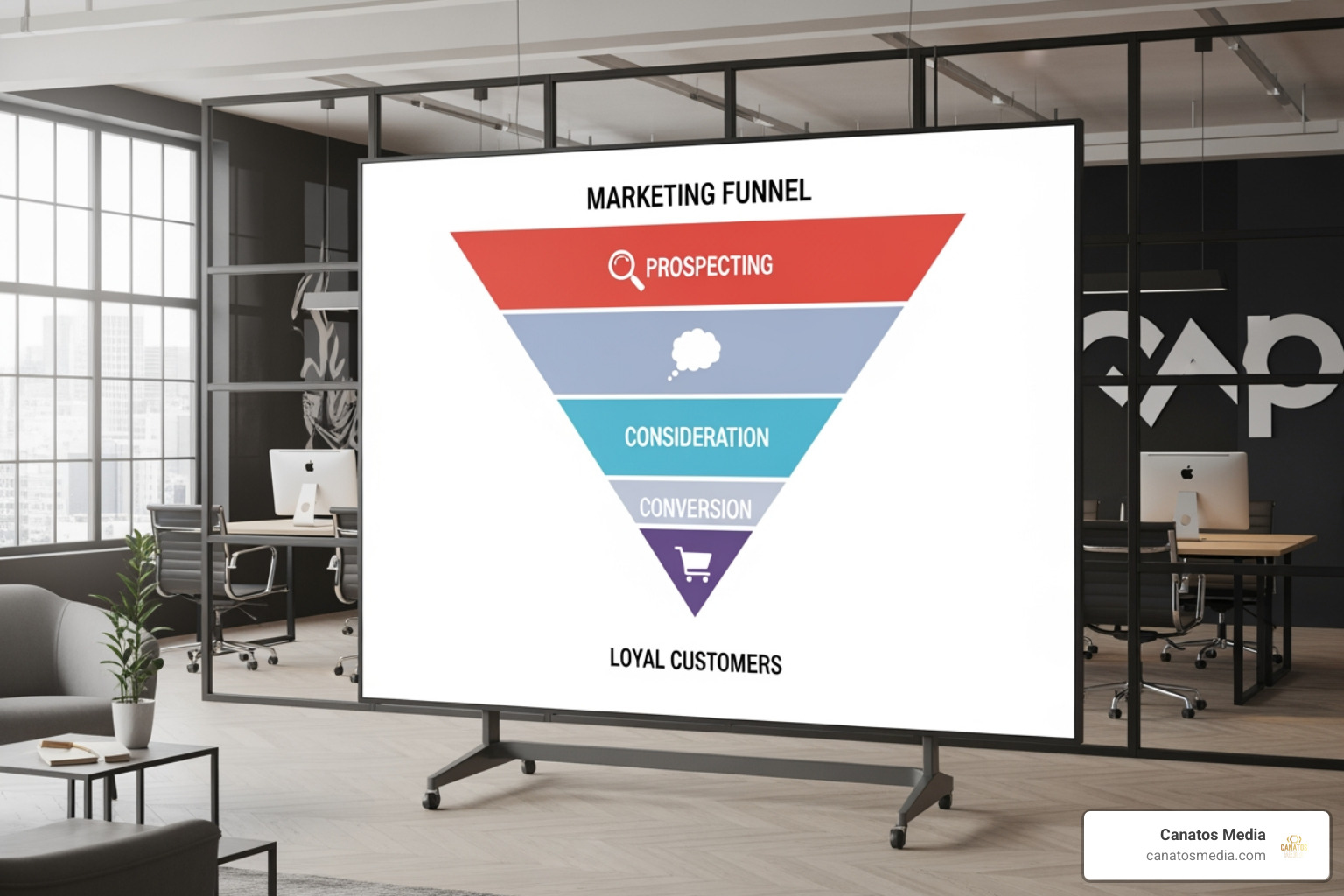
    Marketing funnel diagram showing the journey from cold prospect to loyal customer

    The “one-off ad” approach is dead. To win in 2026, you need a full-funnel blueprint. This means treating Meta as a complete ecosystem rather than just a billboard. A high-performing Meta ads agency structures campaigns to move a stranger to a customer in three distinct stages:

    1. Prospecting (Top of Funnel): Using Advantage+ campaigns to reach broad audiences. The goal here isn’t always an immediate sale; it’s about identifying intent and building an “audience of interest.”
    2. Consideration (Middle of Funnel): Retargeting people who engaged with your videos or visited your site but didn’t buy. This is where you overcome objections.
    3. Conversion (Bottom of Funnel): The “hard sell” or the “limited offer” that pushes the customer over the line.

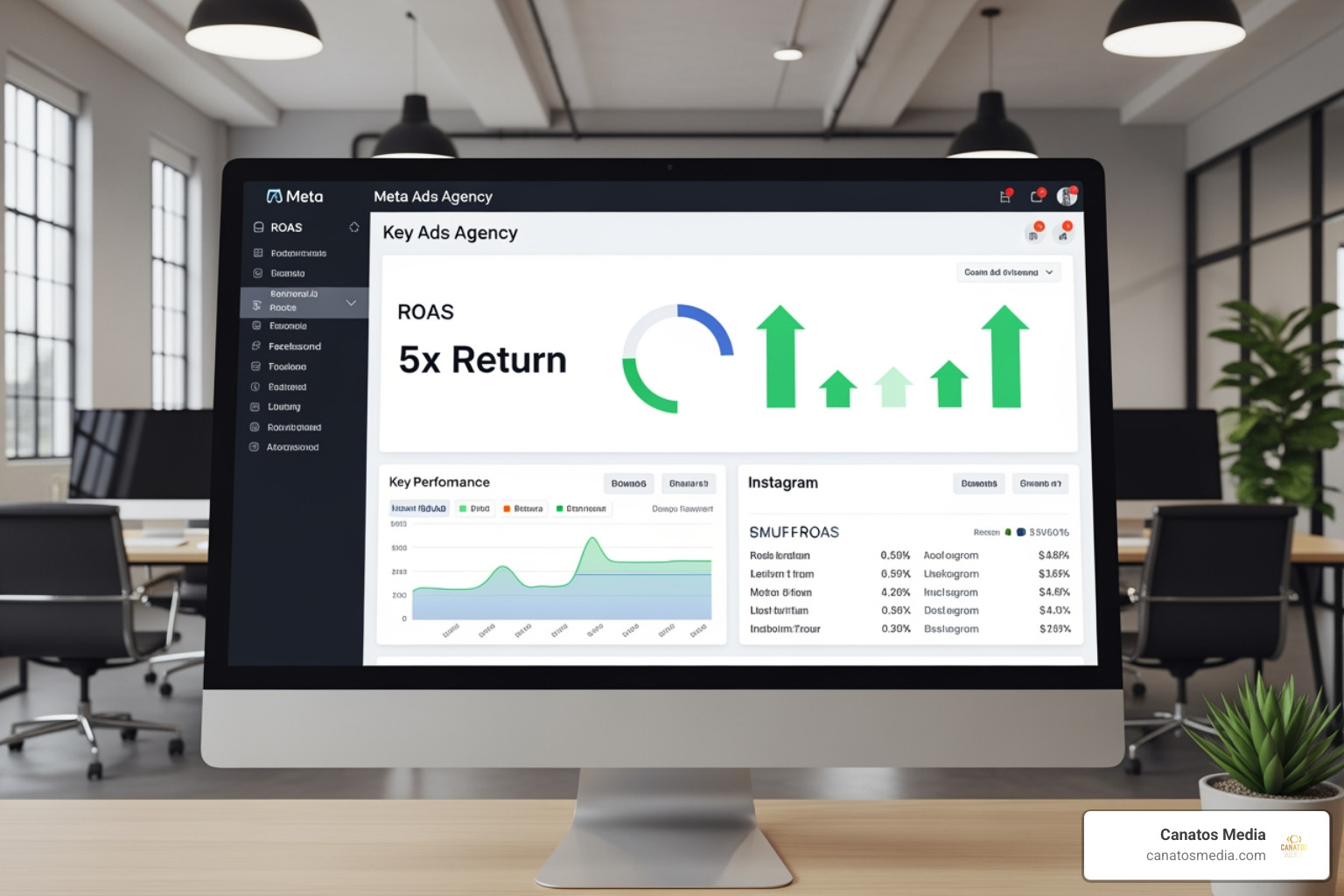
    Agencies using this structured approach often see a 3.27x ROAS across the board. In fact, many e-commerce brands are now seeing a 4–5× average ROAS by properly segmenting their spend. If you want to dive deeper into how this works, check out our guide on Paid Social Media Advertising: From Zero to Hero in One Hour.

    Creative Velocity: The Secret to Scaling Without Performance Decay

    In 2026, creative is the new targeting. Because Meta’s AI is so good at finding people based on how they interact with content, the actual video or image you use tells the algorithm who to show the ad to. This is why “creative velocity”—the speed at which you produce and test new ads—is the number one factor in success.

    At Canatos Media, we specialize in cinematic short-form content because we know that “Reels-first” strategies are currently dominating the auction. You can’t just run one high-quality commercial for six months. You need a constant stream of:

    • UGC (User Generated Content): Authentic-feeling videos from real customers or creators.
    • Direct Response Video: Content designed to Stop the Scroll and Start the Toll with Meta Paid Ads.
    • High-Volume Iteration: Testing 10 different “hooks” (the first 3 seconds) for every one video.

    Top agencies now manage over 1,000+ creators to ensure they never run out of fresh assets. When you have high creative velocity, you prevent “ad fatigue,” which is when your target audience gets tired of seeing the same thing and stops clicking, causing your costs to skyrocket.

    Technical Precision: Tracking, Attribution, and the Conversions API

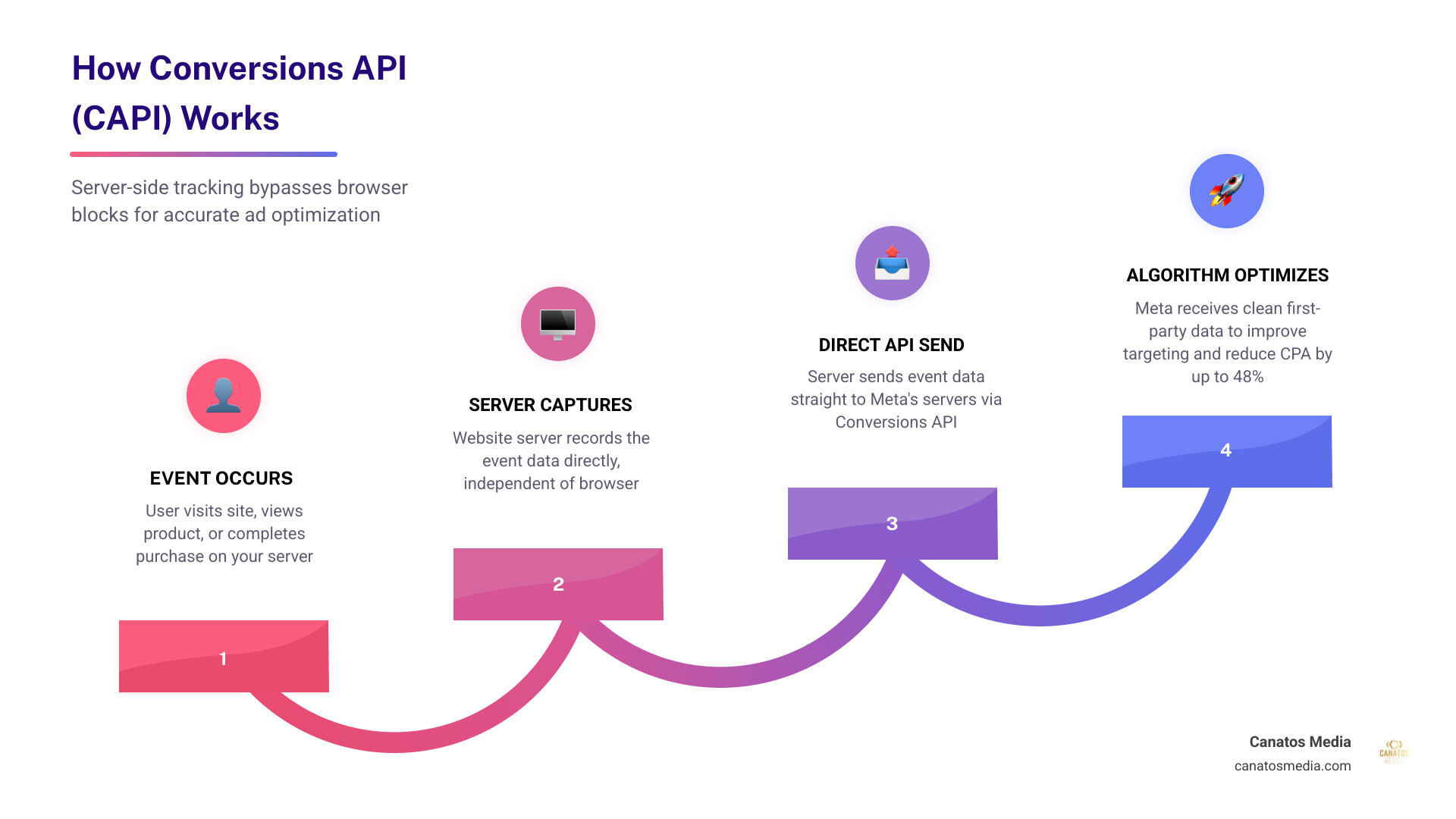
    Infographic showing how Conversions API (CAPI) sends data from the server to Meta, bypassing browser ad-blockers infographic

    If your tracking is broken, your ads are blind. Since the privacy updates of the last few years, the standard “Meta Pixel” isn’t enough. A professional Meta ads agency must implement the Conversions API (CAPI).

    CAPI allows your website’s server to talk directly to Meta’s server. This bypasses browser-based ad blockers and cookie restrictions, ensuring that when someone buys a product, Meta actually knows about it. This “clean data” allows the algorithm to optimize much faster.

    The results of technical precision are staggering:

    • -48% Cost per Acquisition: When the algorithm knows exactly who is converting, it stops wasting money on people who aren’t.
    • 186.4K Client Leads: Accurate attribution allows agencies to scale lead generation with confidence.
    • Better Event Match Quality: This is a technical score that tells you how well Meta can link a website action to a specific user.

    We emphasize this technical setup in our Meta & Google Advertising strategies because without it, you’re essentially guessing which ads are working.

    Choosing Your Partner: Performance-Based vs. Traditional Agencies

    Not all agencies are built the same. In the tri-state area and Long Island, you’ll find everything from “boutique” shops to massive traditional firms. Here is how they typically stack up:

    Feature Performance-Based Agency (The 2026 Model) Traditional Agency (The 2021 Model)
    Pricing Often flat fee + performance bonus Percentage of ad spend (incentivizes spending more)
    Creative High-velocity, UGC, and Reels-focused High-production, slow-turnaround commercials
    Focus ROAS, CAC, and Revenue Impressions, Reach, and “Awareness”
    Integration Includes CRO, SEO, and Lifecycle marketing Often siloed only in social media

    A performance-based Meta ads agency understands that Meta is just one part of the puzzle. They will often look at your Meta ads management strategy and suggest improvements to your landing page (CRO) or your email follow-up (lifecycle marketing). They know that if your website converts at 1% instead of 2%, no amount of great ad targeting will save you.

    Furthermore, these agencies often report a CAC (Cost Per Acquisition) of $40-100 per qualified call for their own services. They “eat their own dog food” by using Meta ads to find clients, proving the system works. Some even achieve intro call costs as low as $20 through hyper-optimized funnels.

    Frequently Asked Questions about Meta Advertising

    What results can I realistically expect in the first 90 days?

    Most businesses partnering with a competent Meta ads agency can expect to see a 3.27x ROAS and a significant reduction in CPA within the first 90 days. The first 30 days are typically the “Learning Phase” where data is gathered. By day 60, the winners are identified, and by day 90, the account is usually in a stable scaling phase. Some brands have even seen a 27x ROI in 28 days, though that usually requires a very high-demand product and perfect market timing.

    How do agencies handle audience overlap and ad fatigue?

    Top agencies use sophisticated exclusion logic. For example, they ensure that people who have already purchased are excluded from “prospecting” ads so you aren’t paying to show a “buy now” ad to someone who bought yesterday. To fight fatigue, they use creative rotation—constantly swapping out images and videos to keep the feed fresh. They also leverage Advantage+ audience targeting, which allows Meta’s AI to find new pockets of people outside of traditional interest groups.

    Do Meta agencies use their own ads to find clients?

    Yes, the best ones do! It’s a red flag if a professional Meta advertising agency doesn’t run their own ads. Successful agencies use Meta to promote lead magnets (like a free audit or a PDF guide) and VSLs (Video Sales Letters) to demonstrate their expertise. Reported CAC for agencies usually ranges from $60-100 per qualified call, proving that even in the competitive B2B space, Meta is a goldmine for those who know how to use it.

    Conclusion

    The era of “guessing” with Facebook and Instagram ads is over. Whether you are a local business in Long Island or a growing brand in the tri-state area, the difference between burning cash and printing money comes down to three things: Technical Precision, Creative Velocity, and a Full-Funnel Strategy.

    At Canatos Media, we don’t just “run ads.” We build integrated growth engines. By connecting cinematic content with advanced targeting and server-side tracking, we’ve helped clients generate over $126.3M in revenue and a staggering $284.6M in pipeline.

    Stop settling for mediocre results and “set it and forget it” management. It’s time to leverage an integrated strategy that connects your content directly to your conversions.

    Start your growth journey with Canatos Media and let’s build a Meta ads machine that actually moves the needle for your business.

  • How to Not Go Broke Using LinkedIn Paid Advertising

    How to Not Go Broke Using LinkedIn Paid Advertising

    Why LinkedIn Paid Advertising Cost Catches So Many Businesses Off Guard

    LinkedIn paid advertising cost is one of the most Googled questions by B2B marketers — and for good reason. The numbers can feel steep at first glance.

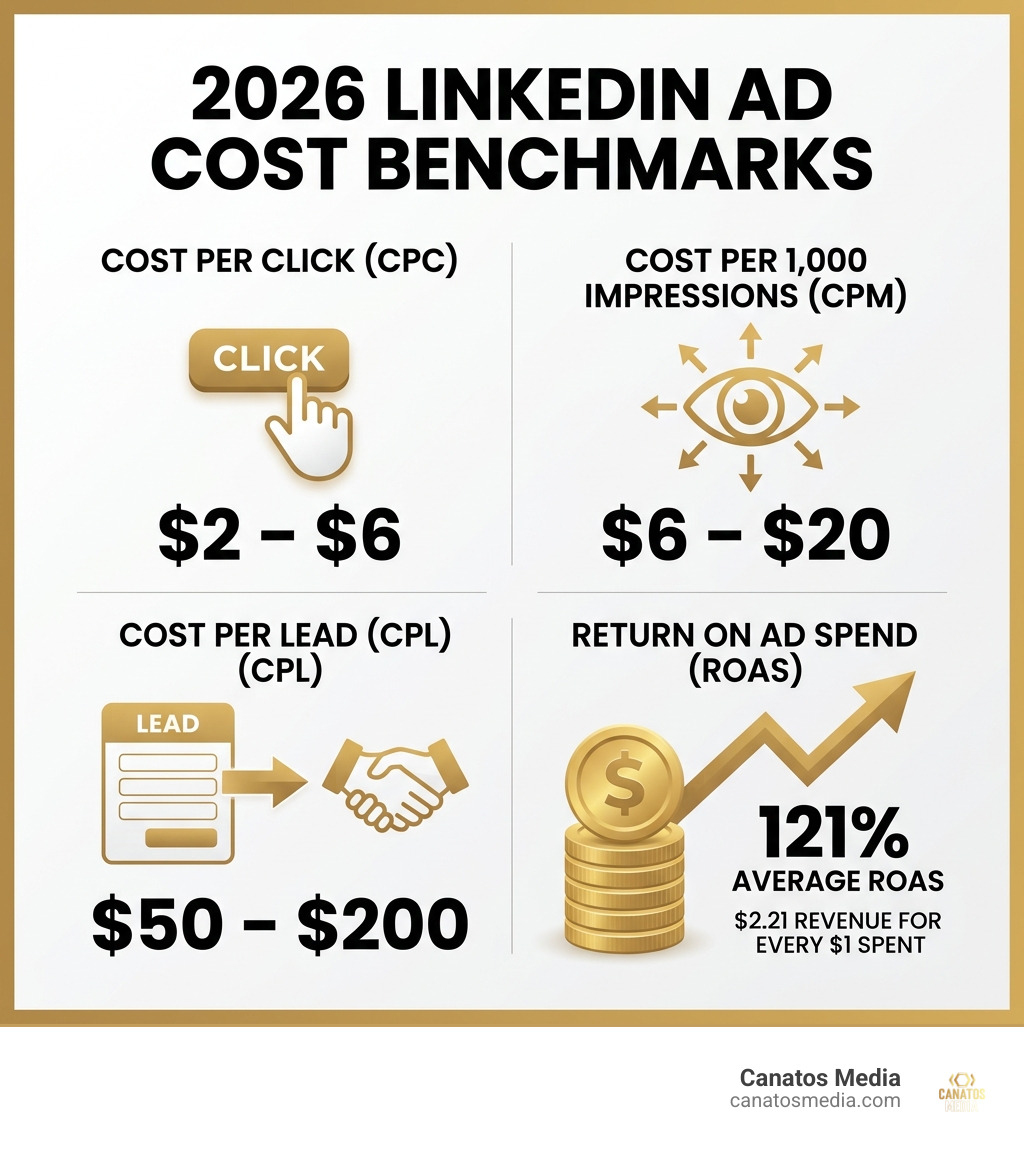
    Here’s a quick snapshot of what you can expect to pay in 2026:

    Metric Typical Range
    Cost Per Click (CPC) $2 – $6
    Cost Per 1,000 Impressions (CPM) $6 – $20
    Cost Per Send (Sponsored Messaging) $0.26 – $0.50
    Cost Per Lead (CPL) $50 – $200
    Minimum Daily Budget $10
    Minimum Lifetime Budget $100
    Average Monthly Spend (most businesses) $0 – $500

    LinkedIn is significantly more expensive than Facebook or Google Ads on a per-click basis. But that higher price tag comes with something those platforms can’t fully match — access to verified professional audiences: decision-makers, executives, and buyers defined by job title, seniority, and industry.

    The result? B2B advertisers are seeing a 121% return on ad spend (ROAS) on LinkedIn in 2026, meaning every $1 spent returns an average of $2.21 in attributed revenue.

    Still, without a clear understanding of how LinkedIn’s pricing works, it’s easy to burn through your budget fast and have little to show for it.

    I’m Nic Canobbio, founder of Canatos Media, and my experience negotiating high-stakes media deals and managing paid ad strategies across multiple platforms has given me a front-row seat to the real-world impact of LinkedIn paid advertising cost on business growth. This guide breaks down exactly what drives those costs — and how to make every dollar work harder.

    2026 LinkedIn ad cost benchmarks infographic with CPC, CPM, CPL, and ROAS data - linkedin paid advertising cost infographic

    Understanding the LinkedIn Paid Advertising Cost in 2026

    When we talk about linkedin paid advertising cost, the first thing we have to address is the “sticker shock.” If you’re used to paying $0.50 for a click on Meta, seeing a $6.00 CPC on LinkedIn can feel like someone just tried to sell you a $20 cup of coffee. But on LinkedIn, you aren’t just buying a click; you’re buying a seat at the table with a professional identity.

    How the Auction and Pricing Models Work

    LinkedIn operates on an online auction system. You aren’t just paying a flat fee; you are competing against other advertisers who want to reach the same “New York-based CTO” or “Long Island marketing director.”

    Your actual cost is determined by three main things:

    1. Your Bid: What you are willing to pay.
    2. Target Audience Desirability: How many other people are trying to reach that same person?
    3. Ad Relevance Score: LinkedIn rewards ads that people actually like. If your ad has high engagement, LinkedIn might actually charge you less than a competitor with a boring ad.

    LinkedIn uses objective-based pricing, which means you only pay for “billable events” tied to your goal. If your objective is “Website Visits,” you only pay when someone clicks. If it’s “Brand Awareness,” you pay for impressions (CPM).

    LinkedIn vs. The World

    To put things in perspective, let’s look at how LinkedIn stacks up against other platforms in May 2026:

    Platform Average CPC Average CPM
    LinkedIn $2.00 – $6.00 $6.00 – $20.00
    Meta (Facebook/IG) $0.40 – $1.30 $3.00 – $6.00
    Google Ads (Search) $1.00 – $4.00 $10.00 – $15.00

    While LinkedIn is the “premium” option, it is currently the only major platform delivering a consistent 121% aggregate ROAS for B2B. For every $1.00 we see our clients invest, they are averaging $2.21 in attributed revenue. That’s because the lead quality is often much higher—you’re getting fewer “tire kickers” and more genuine decision-makers.

    Minimum Budgets and Bidding Strategies

    One of the most common questions we get at Canatos Media is: “What’s the bare minimum I need to spend?”

    LinkedIn has some hard floors you need to know about:

    • Minimum Daily Budget: $10.00 per campaign.
    • Minimum Lifetime Budget: $100.00 (for new campaigns).
    • Minimum Bid: Generally $2.00 for CPC or CPM.

    However, just because you can spend $10 a day doesn’t mean you should. We usually recommend a daily spend of at least $25 to $50 to actually give the algorithm enough data to learn. If you’re serious about seeing results, check out our guide on Paid Social Media Advertising from Zero to Hero in One Hour to see how to structure these budgets effectively.

    Choosing Your Bidding Strategy

    How you bid significantly impacts your linkedin paid advertising cost. You have three main choices:

    1. Maximum Delivery (Automated): This is the “set it and forget it” option. LinkedIn’s AI tries to get you the most results for your full budget. It’s great for beginners, but it can sometimes be the most expensive way to buy.
    2. Cost Cap: You tell LinkedIn, “I don’t want to pay more than $50 per lead.” The system will try to keep your average cost below that. It’s great for controlling costs, but if your cap is too low, your ads might stop showing entirely.
    3. Manual Bidding: This gives you total control. You specify exactly what a click or 1,000 impressions are worth to you. We generally recommend this only for experienced advertisers who are monitoring their campaigns daily.

    Benchmarking Costs by Industry and Seniority

    Not all LinkedIn users are priced equally. Targeting a junior graphic designer in the Midwest is going to be significantly cheaper than targeting a C-suite executive at a Fortune 500 company in the Tri-state area.

    According to 2026 benchmarks, your linkedin paid advertising cost is heavily influenced by “professional identity.” You are paying for the privilege of skipping the gatekeeper and landing directly in the feed of a decision-maker.

    Average LinkedIn Paid Advertising Cost by Sector

    Different industries face different levels of competition. Here is what the Cost Per Lead (CPL) looks like across various sectors in 2026:

    • Technology/SaaS: $75 – $200 (High competition, high reward).
    • Financial Services: $80 – $180 (Strict regulations and high-value clients).
    • Professional Services: $50 – $130 (Consulting, legal, accounting).
    • Manufacturing/Industrial: $60 – $150 (Niche audiences, often lower CPC).
    • Healthcare/Pharma B2B: $70 – $160.

    How Seniority and Region Impact Your LinkedIn Paid Advertising Cost

    If you are targeting “C-Suite” titles, expect to pay 2x to 3x more than you would for mid-level managers. These individuals have the most “desirable” profiles, meaning more advertisers are bidding for their attention.

    Geography also plays a massive role. In the Americas (especially the Tri-state area and Long Island), CPCs average around $1.70 to $6.00. In contrast, the EMEA region can see CPCs as high as $5.00 to $8.00 depending on the specific country.

    Seasonality Tip: We’ve noticed a unique trend in late Q4. While many B2C advertisers go crazy on Meta for Black Friday, some B2B players pause their LinkedIn ads in December. This can lead to lower CPCs for those who stay in the game, as executives are often using that downtime to research tools for the upcoming year.

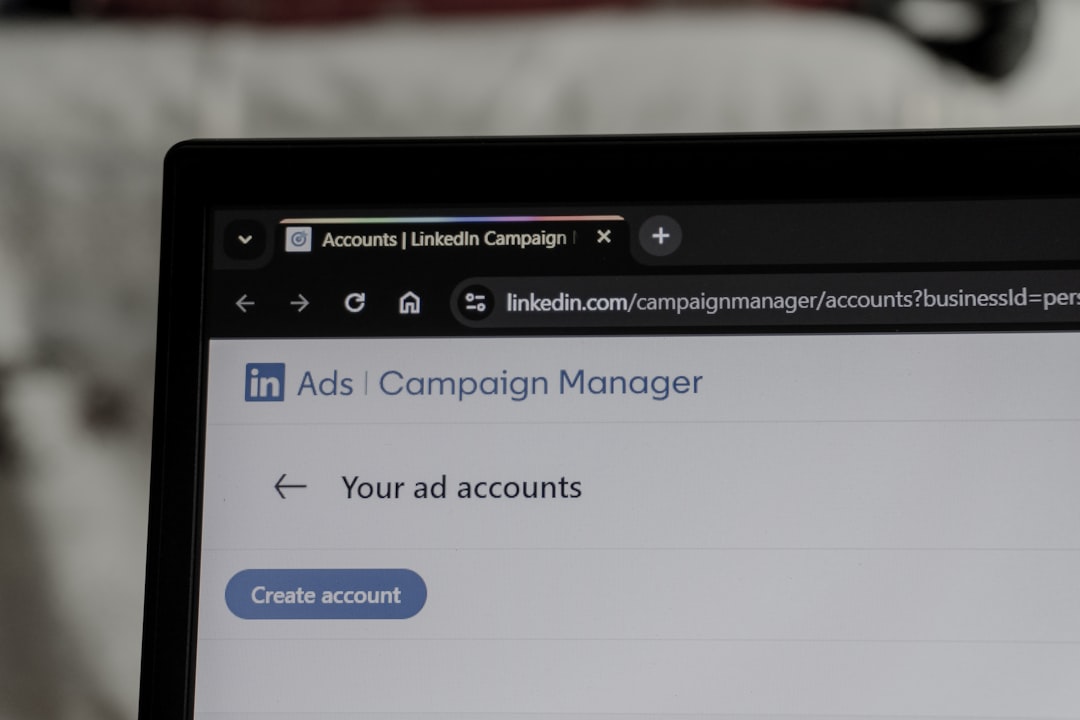
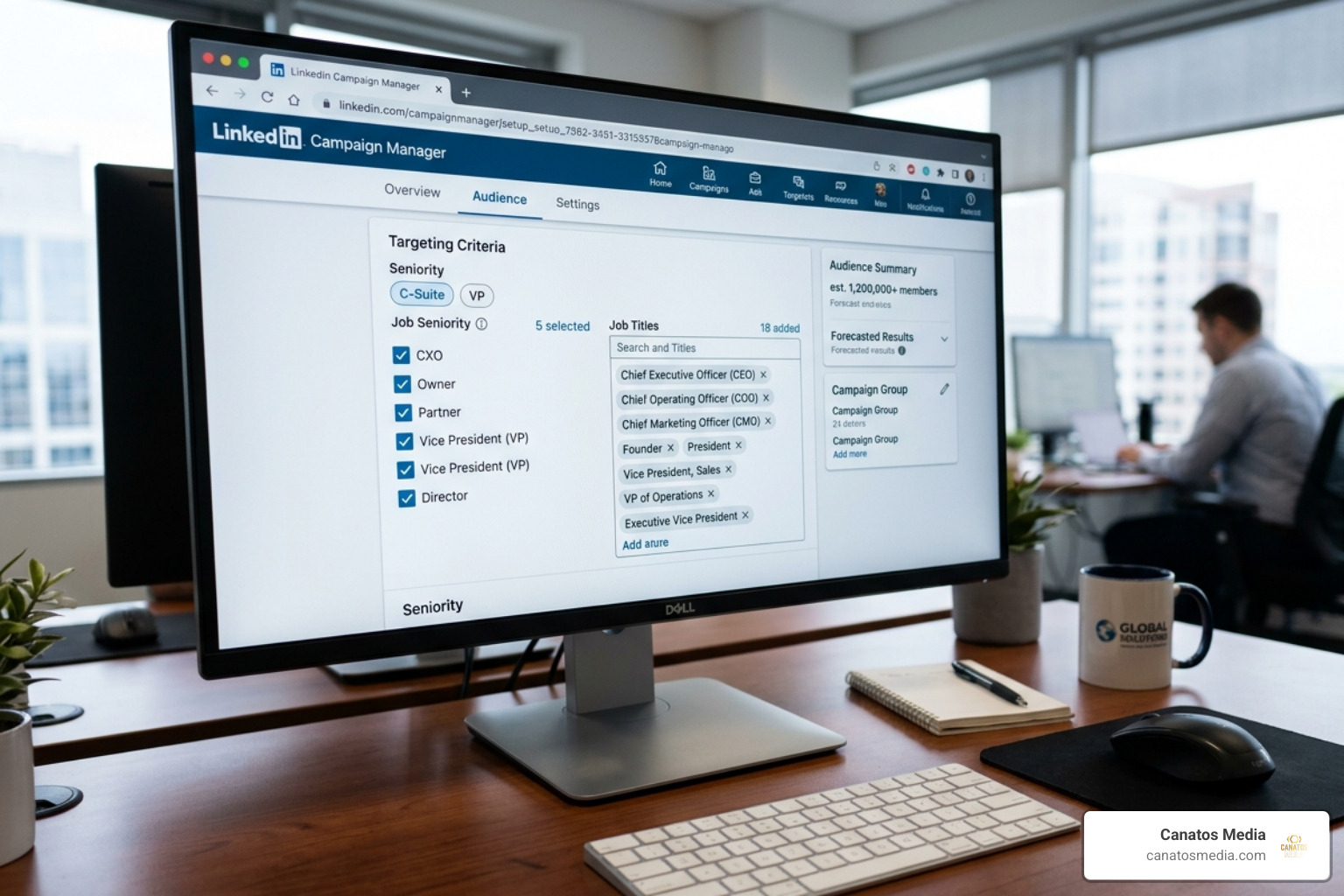
    High-level executive targeting settings in LinkedIn Campaign Manager - linkedin paid advertising cost

    Strategies to Lower Costs and Improve ROAS

    You don’t always need a bigger budget; sometimes you just need a better strategy. At Canatos Media, we focus on an Integrated strategy that connects content to conversions to ensure you aren’t wasting money.

    1. Boost Your Ad Relevance Score

    This is the single biggest lever you have. LinkedIn assigns every ad a score from 1 to 10 based on click-through rate (CTR), comments, likes, and shares. A high score (7–10) tells LinkedIn your ad is valuable, and they will reward you with lower costs and better placement.

    2. Use Lead Gen Forms

    Instead of sending people to a slow-loading landing page on your website, use LinkedIn’s native Lead Gen Forms. These forms auto-fill with the user’s profile data. Because they reduce friction, they often result in a 2x to 5x higher completion rate than standard website forms, significantly lowering your CPL.

    3. Combat Ad Fatigue

    If your audience sees the same ad eight times in three weeks, they’ll stop seeing it—literally. This is called ad fatigue, and it causes your CTR to plumment and your costs to skyrocket. We recommend refreshing your creatives every 2 to 3 weeks and using frequency caps to ensure you aren’t over-saturating a small audience.

    4. Leverage Thought Leader Ads

    In 2026, people trust people more than they trust brands. Thought Leader Ads—where you “boost” a post from a real person’s profile (like a CEO or founder)—consistently outperform company page ads. They feel more authentic and often see much higher engagement for a lower linkedin paid advertising cost.

    5. Try Predictive Audiences

    Think of these as LinkedIn’s version of “lookalike” audiences. By using machine learning, LinkedIn can find users who share similar professional traits with your existing customers. This allows you to expand your reach without having to manually guess every single job title or skill.

    Frequently Asked Questions about LinkedIn Ad Pricing

    How long does it take to see results from LinkedIn campaigns?

    LinkedIn is a demand generation channel, not a “quick fix” like Google Search. B2B buyer journeys are long and complex—often requiring 80+ touchpoints before a deal closes. You should commit to a 3-month testing phase. The first month is for the algorithm to learn; the second is for optimization; and the third is where you start to see the real pipeline impact.

    What are the typical cost per applicant and cost per hire benchmarks?

    If you’re using LinkedIn for recruiting, the costs are slightly different. Promoted job posts generally see a cost of $1 to $8 per applicant, with the U.S. average sitting around $2.83. However, for high-demand roles like cybersecurity or data science, the total “cost per hire” (including all advertising and software) can range from $4,700 to $12,000.

    What is a realistic monthly budget for a small business?

    While 48% of businesses spend under $500 a month, we find that this often leads to “data starvation.” To give the LinkedIn algorithm enough information to actually optimize your ads, we recommend a minimum of $3,000 to $5,000 per month. If you are a larger enterprise, you might spend $10,000+ to truly dominate a specific niche.

    Conclusion

    The linkedin paid advertising cost in 2026 is undeniably a premium, but it’s a premium that pays off when handled with precision. By understanding the auction system, leveraging Lead Gen Forms, and focusing on ad relevance, you can reach the exact decision-makers who move the needle for your business without going broke in the process.

    At Canatos Media, we specialize in an integrated strategy that connects cinematic short-form video with high-intent targeting. We don’t just want you to get clicks; we want you to see measurable growth in your revenue. Whether you are in the Tri-state area or Long Island, we can help you navigate the complexities of paid social to ensure your brand stands out in a crowded professional feed.

    Ready to stop guessing and start growing? Explore our Services today and let’s build a strategy that actually converts.

  • The Ultimate Breakdown of What a Creative Digital Marketing Agency Actually Does

    The Ultimate Breakdown of What a Creative Digital Marketing Agency Actually Does

    The Ultimate Breakdown of What a Creative Digital Marketing Agency Actually Does

    Defining the Creative Digital Marketing Agency in 2026

    As we move through May 2026, the definition of a creative digital marketing agency has shifted from simply “making things look pretty” to designing intelligent brand systems. In the tri-state area and Long Island, the competition for attention is fiercer than ever. To thrive, an agency must now act as a bridge between human intuition and advanced technology.

    Intelligent Brand Systems and AI Integration

    In 2026, a top-tier agency doesn’t just build a website; it builds an ecosystem. This involves integrating AI-powered tools that analyze customer sentiment in real-time, allowing us to pivot messaging before a trend even peaks. We focus on “intelligent brand systems” that bring together craft and technology to ensure your business stays ahead of the curve.

    Professional using AI-integrated marketing tools to analyze campaign data - creative digital marketing agency

    AI Search Optimization (GEO) and the New Search Landscape

    Traditional SEO is no longer enough. We are now in the age of Generative Engine Optimization (GEO). With the rise of Search Generative Experiences (SGE) and Large Language Models (LLMs), people are asking complex questions and getting direct answers from AI.

    Our approach to AI Search Optimization involves ensuring your brand is the “cited source” for these AI answers. This requires a mix of technical SEO, high-authority digital solutions, and content that speaks the language of both humans and machines.

    Traditional vs. Digital-First

    Traditional agencies often lead with print, TV, or billboard concepts and “adapt” them for the web. A digital-first creative digital marketing agency does the opposite. We start with behavioral insights—how a person on Long Island scrolls through TikTok or how a business owner in the tri-state area searches for services—and build the strategy from the phone screen outward.

    Why Your Business Needs a Creative Digital Marketing Agency Now

    The market has reached a tipping point. By May 2026, live commerce has become a multi-billion-dollar market, growing at 30% annually.

    • Gen Z Shopping Habits: Over 70% of Gen Z consumers have now purchased products directly through live shopping events.
    • Live Commerce: It’s no longer a niche; it’s a primary revenue driver.
    • Brand Obsession: In a world of infinite choices, consumers don’t just want a product; they want a “cult-like” brand they can be obsessed with.

    To capture this, you need cinematic storytelling that makes your brand feel visceral. If your content doesn’t evoke an emotional response within the first three seconds, you’ve already lost the sale.

    How a Creative Digital Marketing Agency Integrates AI and SEO

    The “secret sauce” in 2026 is prompt engineering. Generic AI outputs are easy to spot and even easier to ignore. We use custom prompt libraries to generate high-quality, scalable content that maintains your unique brand voice.

    By interrogating data, we identify patterns in LLM results to see how your brand is being “perceived” by AI. We then implement real-time optimization to ensure your technical SEO and content systems are perfectly aligned with the latest algorithm shifts. This isn’t just about keywords; it’s about building “digital gravity” that pulls customers toward your brand.

    Core Services: From Cinematic Storytelling to Performance Media

    To drive measurable growth, we believe in a full-funnel approach. You can’t just run ads; you need a story. You can’t just have a story; you need a way to measure its impact on your bottom line.

    High-end cinematic video production set for a brand commercial - creative digital marketing agency

    Our Core Agency Services Include:

    • Cinematic Short-Form Video: High-impact content for TikTok, Reels, and YouTube Shorts.
    • Cinematic Website Videos: Professional website videos that reduce bounce rates and increase trust.
    • Social-First Storytelling: Content designed specifically for the platforms where your customers spend their time.
    • Influencer Audits & Affiliate Strategy: Finding the right creators who actually move the needle for your specific industry.
    • Paid Media: Expertly managed Meta and Google Ads.
    • Website Support & SEO: Keeping your digital storefront fast, secure, and visible.

    Brand vs. Performance: The 2026 Comparison

    In the past, companies would hire one agency for “branding” and another for “performance.” In 2026, that’s a recipe for wasted budget. We unite “love” (the brand) and “money” (the performance).

    Feature Brand Marketing (The “Love”) Performance Marketing (The “Money”)
    Goal Awareness & Sentiment Conversions & ROI
    Metric Reach, Engagement, Recall CPA, CPL, ROAS
    Content Cinematic Storytelling Direct Response & Offers
    Timeline Long-term Equity Immediate Results
    The 2026 Way Integrated Strategy: Content that builds a brand while it sells.

    Mastering Social Media and Paid Advertising

    Social media is no longer just a “top of funnel” tool. It is the center of the modern marketing ecosystem. We provide all-in-one social content and management that handles everything from community engagement to real-time culture decoding.

    When it comes to paid social media advertising, we don’t just set it and forget it. We use conversion-optimized content and neuromarketing principles to ensure every dollar spent on Meta or Google is tracked back to revenue.

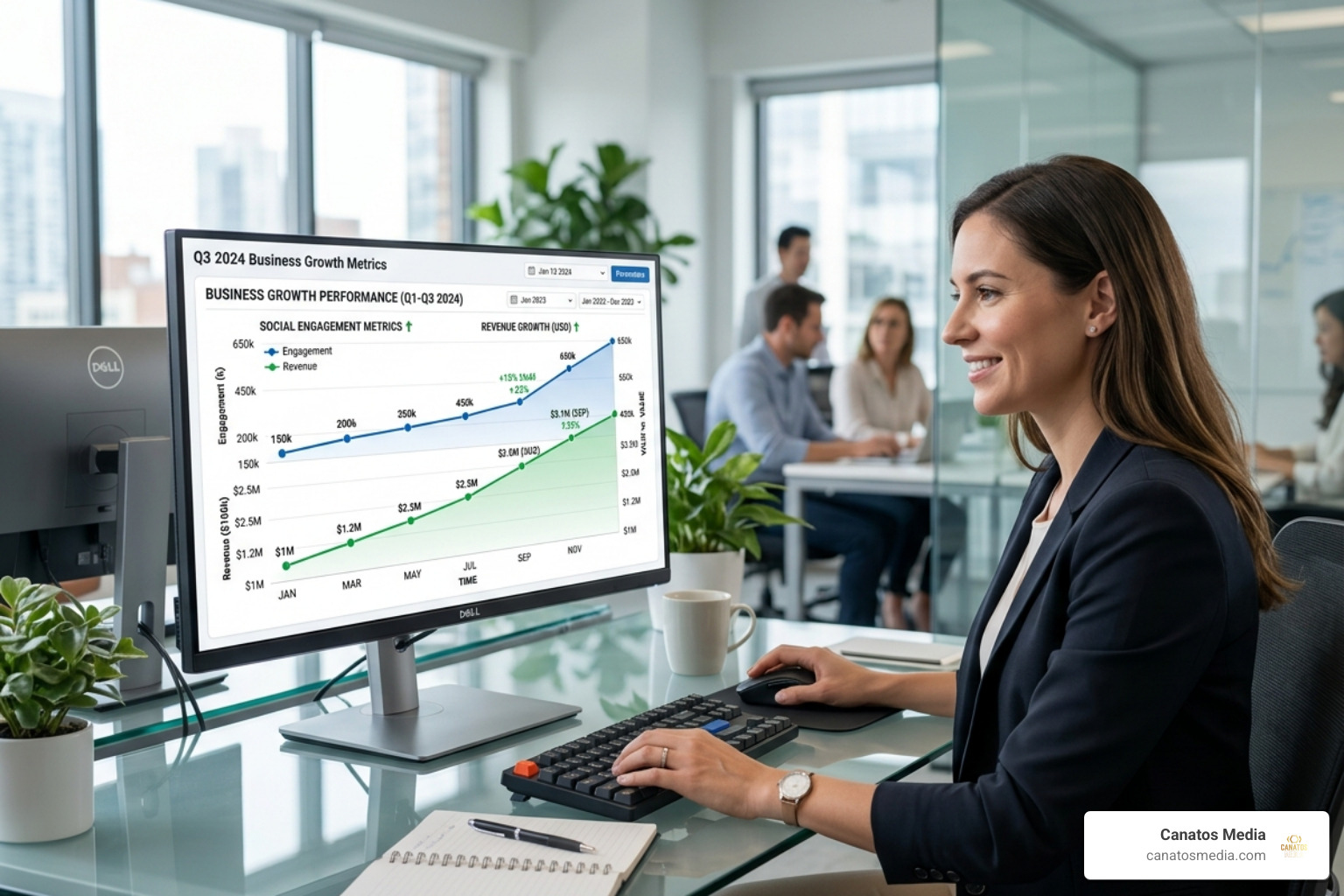
    Social media analytics dashboard showing high engagement and conversion rates - creative digital marketing agency

    The Strategic Advantage of Blending Creativity and Performance

    Why do some brands in the tri-state area explode while others stall? The answer lies in the 4-I Framework. This is how a creative digital marketing agency uses data-driven creative analysis to navigate high-consideration markets.

    1. Interrogate: We dig into your existing data, customer behavior, and competitor weaknesses.
    2. Ideate: We blend human creativity with AI evaluation to generate high-impact concepts.
    3. Implement: We launch campaigns across the full funnel, using integrated strategy to connect content to conversions.
    4. Iterate: We use real-time monitoring to refine the creative, lowering your cost per acquisition.

    By understanding audience psychology and neuromarketing, we speak to the human brain, not just an algorithm. This is especially vital for industries with long sales cycles, like financial services or home services, where trust is the primary currency.

    Choosing Your Partner: Red Flags and Pricing Models

    Selecting a creative digital marketing agency is a major investment. In our experience working across Long Island and the tri-state region, there are several red flags you should watch out for:

    • Vague Performance Tracking: If they can’t show you exactly where your leads are coming from, they aren’t managing your money well.
    • Rigid, Long-Term Contracts: In 2026, the digital landscape moves too fast for 12-month “lock-in” agreements without performance milestones.
    • Lack of Industry Experience: While creativity is universal, understanding the nuances of your specific sector (e.g., B2B tech vs. CPG) is crucial.
    • No Optimization Plan: If their plan is to “post and pray,” run the other way.

    Understanding Agency Pricing

    Agency pricing varies based on the scope of work and the level of expertise required. Most professional agencies use one of three models:

    1. Retainers: A monthly fee for ongoing services like social media management and SEO.
    2. Project-Based: A flat fee for a specific deliverable, like a cinematic brand video or a website redesign.
    3. Performance-Based: Fees tied to specific growth metrics (common in high-spend paid media accounts).

    Industry Impact and Real-World Success Metrics

    The proof of a creative digital marketing agency is in the numbers. When creativity is backed by data, the results are often exponential. Across various industries, the impact of a strategy-led approach is clear:

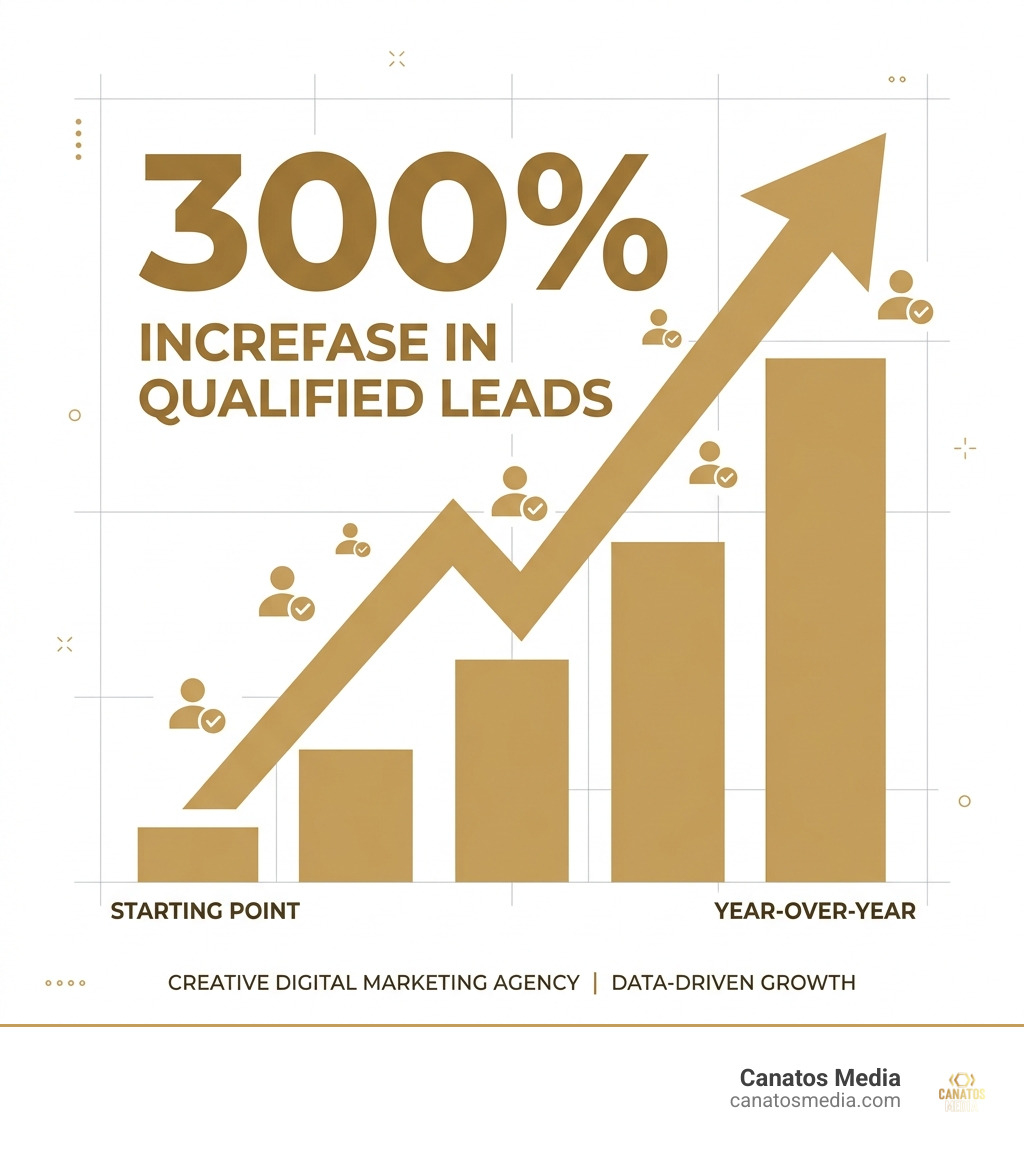
    • Home Services: One company saw a 300% increase in qualified leads year-over-year by overhauling their website for better user experience.
    • Automotive: Implementing a specialized digital strategy has been shown to increase revenue by an average of 2.6X.
    • Financial Services: A national lender achieved 950% more qualified leads and a 90% lower Cost Per Lead (CPL) through data-driven lead scoring.
    • Education: Institutions have seen up to 40% enrollment growth and 58% Click-Through Rate (CTR) improvements by using smarter creative sequencing.

    Key Performance Indicators (KPIs) to Track:

    • Customer Lifetime Value (CLV): The total profit a customer brings over their entire relationship with you.
    • Cost Per Acquisition (CPA): How much it costs to get a new paying customer.
    • Conversion Rate: The percentage of visitors who take a desired action.
    • Return on Ad Spend (ROAS): The revenue generated for every dollar spent on advertising.

    Growth chart showing a 300% increase in qualified leads - creative digital marketing agency infographic

    Frequently Asked Questions about Creative Digital Marketing

    What is the difference between a creative agency and a digital agency?

    A traditional digital agency often focuses on the “plumbing”—the coding, the technical SEO, and the ad settings. A creative agency focuses on the “poetry”—the brand story, the visuals, and the emotional hook. A creative digital marketing agency does both. We ensure the plumbing works perfectly and the poetry is beautiful enough to make people stop scrolling.

    How do creative agencies measure ROI in 2026?

    We move beyond “vanity metrics” like likes and follows. We use advanced attribution models to track the customer journey from the first time they see a cinematic video to the moment they click “buy.” By centralizing data into custom dashboards, we can prove the exact dollar value of our creative efforts.

    The biggest trends for 2026 include AI-powered “hyper-personalization,” where ads change in real-time based on who is viewing them, and the dominance of GEO (Generative Engine Optimization). Additionally, “cinematic realism” in social content—moving away from overly polished ads toward high-quality, authentic storytelling—is key to winning over modern audiences.

    Conclusion

    The role of a creative digital marketing agency in 2026 is to be your growth partner. By blending cinematic content with technical precision and AI-powered strategy, we help businesses in the tri-state area and Long Island turn digital noise into measurable revenue.

    At Canatos Media, we don’t just “do marketing.” We build integrated strategies that connect your content to your conversions. Whether you need a cinematic brand story or a high-performance paid ads campaign, we are here to help you navigate the complex digital journey.

    Ready to see what a creative-first strategy can do for your business? Explore our blog for more insights or check out our full range of services to get started.
  • Social media marketing agency small business matches made in heaven

    Social media marketing agency small business matches made in heaven

    Social media marketing agency small business matches made in heaven

    The Rise of the Social Media Marketing Agency for Small Business

    A social media marketing agency small business partnership might be the single most impactful decision you make for your brand this year. Here’s a quick look at common pricing tiers and what they offer:

    Service Level Starting Price Best For
    Basic Maintenance $99/month Ultra-budget, basic posting
    Starter Package $199/month Small business essentials
    Growth Plan $500/month Organic growth and strategy
    Full Service $2,000/month Lead generation, data-driven growth

    The bottom line: Most small businesses will find a solid fit somewhere between $500 and $2,000/month, depending on how many platforms, posts, and paid ad services they need.

    Running a small business is already a full-time job. Now add consistent posting, video editing, algorithm changes, and community management on top of that — and it’s easy to see why so many owners fall behind on social media.

    The stakes are real. The creator economy was valued at $250 billion in 2025 according to Statista and is projected to double before 2027. Social media isn’t a nice-to-have anymore. It’s where your customers are deciding whether to trust you — or your competitor.

    Yet most small business owners don’t have the time, team, or tools to show up consistently. That’s exactly where a social media agency comes in.

    I’m Nic Canobbio, founder of Canatos Media, and with over two decades in media production and content strategy — including social content that has reached over 60 million views — I’ve seen how the right social media marketing agency small business partnership can transform a brand’s visibility and growth. In this roundup, I’ll break down the agencies, pricing models, and services worth your attention in 2026.

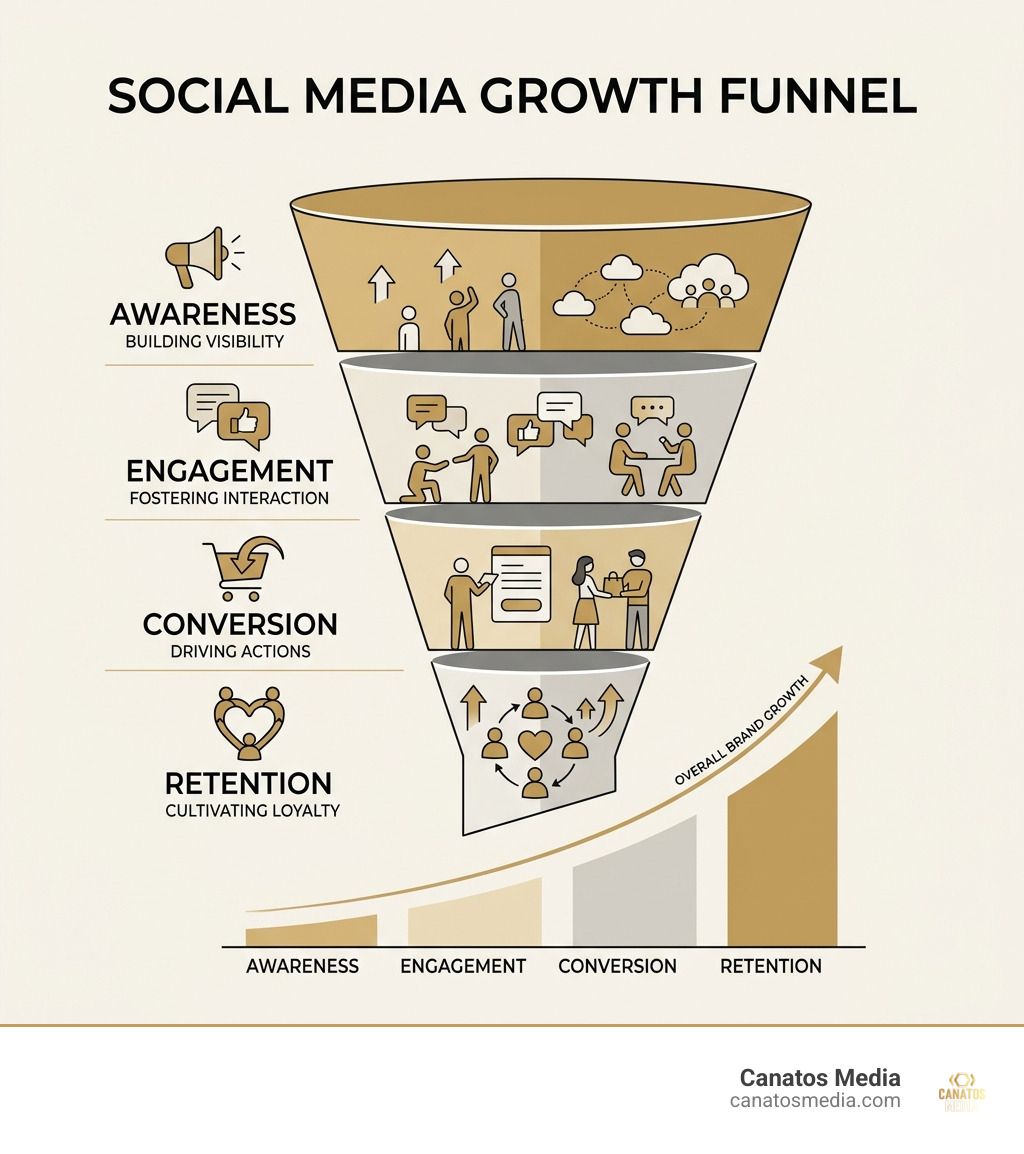
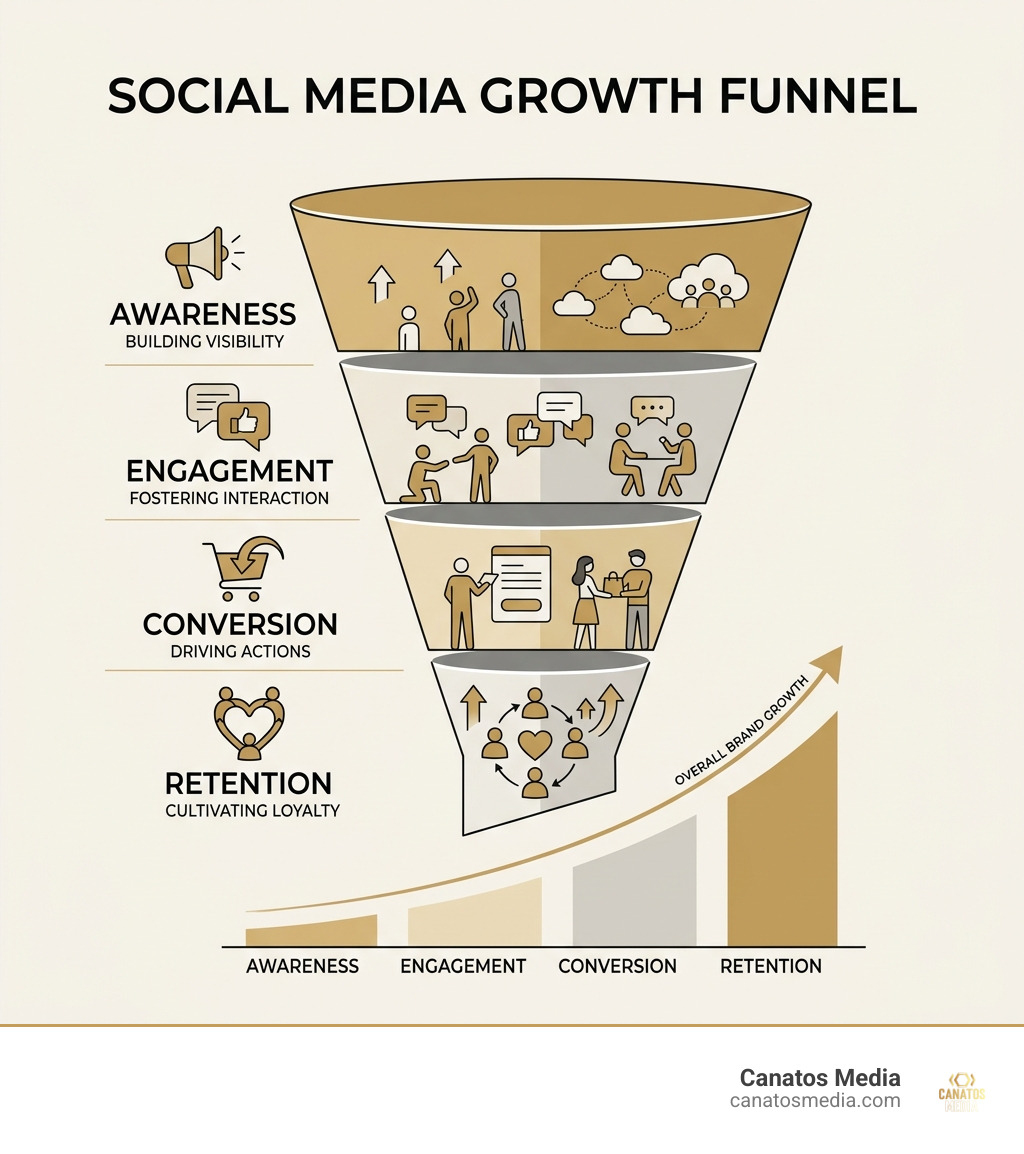
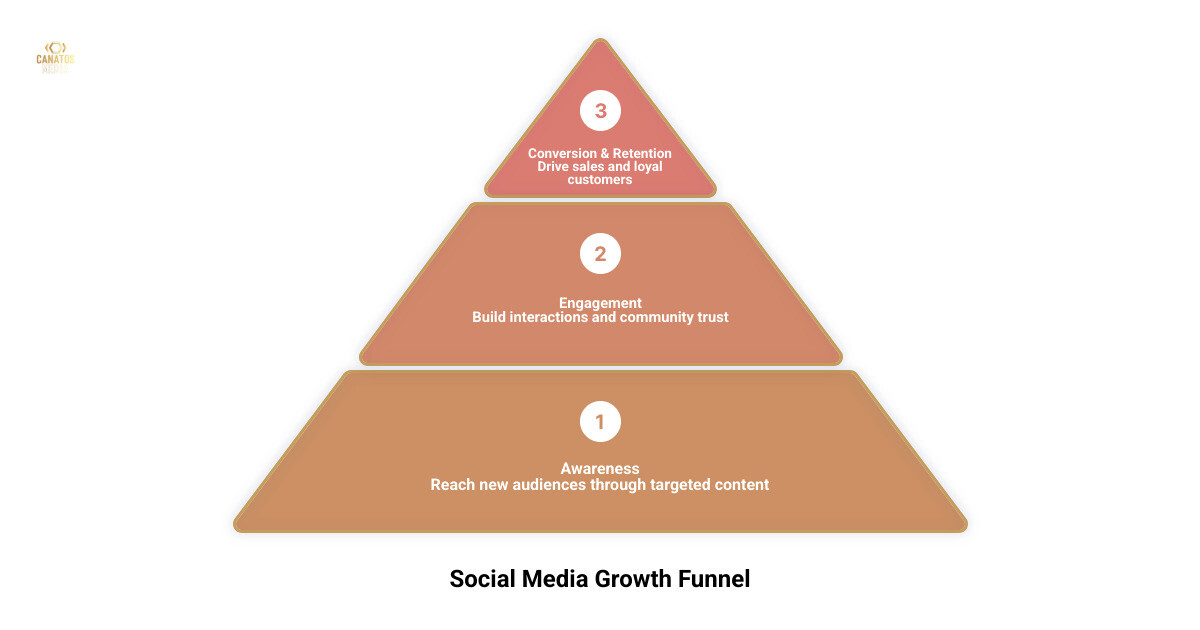
    Social media growth funnel showing awareness, engagement, conversion, and retention stages - social media marketing agency

    Why Your Brand Needs a Social Media Marketing Agency for Small Business

    If you’ve ever sat staring at a blank screen wondering what to post, you aren’t alone. For many family-owned businesses in the tri-state area or local shops on Long Island, social media feels like a “huge mental load.” You know you need to be there, but the day-to-day operations of your business—whether it’s running a restaurant or managing a construction crew—always take priority.

    Professional content calendar showing scheduled posts and platform icons - social media marketing agency small business

    Beating the Algorithm

    Social media trends change faster than you can say “TikTok.” What worked six months ago might be getting zero reach today. A dedicated social media marketing agency small business focuses solely on these shifts so you don’t have to. They understand that Instagram is shifting toward its own SEO processes and that vertical video is the king of 2026. By staying ahead of algorithm changes, an agency ensures your content actually gets seen instead of vanishing into the digital void.

    Reclaiming Your Time

    Think about the hours you spend filming, editing, writing captions, and researching hashtags. Research suggests the average small business owner can save over 11 hours per month by outsourcing these tasks, a trend highlighted in recent marketing productivity studies. That is time you could spend on product development or customer service. When you partner with experts for All-in-One Social Content and Management, you’re buying back your freedom.

    Building Trust and Authority

    In 2026, your social media profile is your digital storefront. If a potential customer on Long Island looks you up and sees your last post was from 2023, they might wonder if you’re still in business. Consistent, high-quality posting builds brand awareness and trust. It shows you are active, professional, and ready to serve. Beyond just “looking good,” professional management fosters community engagement, turning casual followers into loyal brand advocates.

    The Competitive Edge

    Let’s be honest: your competitors are likely already using a social media marketing agency small business. If they are appearing in your target audience’s feed every day with polished, cinematic content and you aren’t, you’re leaving money on the table. An integrated strategy that connects your social presence to your website and sales funnel is no longer optional—it’s the standard for growth.

    Comparing Service Tiers: Budget vs. Premium Agency Models

    Choosing the right partner depends heavily on your goals and your bank account. Not every business needs a $10,000-a-month retainer, but “cheap” can sometimes be expensive if it doesn’t produce results.

    Infographic comparing budget social media plans vs premium full-service agencies - social media marketing agency small

    The Budget Tier ($75 – $300/Month)

    Budget-focused agencies focus on “keeping the lights on.”

    • What you get: Typically 10 to 20 posts per month on one or two platforms.
    • The Pros: It’s incredibly affordable and ensures your accounts stay active. Most offer month-to-month contracts, meaning you aren’t locked in long-term.
    • The Cons: The content is often more generic. You likely won’t get custom-filmed video or deep strategic consulting. It’s great for visibility, but don’t expect a massive surge in leads.

    The Growth Tier ($500 – $1,500/Month)

    This is the “sweet spot” for many successful small businesses in the tri-state area.

    • What you get: Custom content creation, strategy audits, and often a mix of organic and paid social strategies.
    • The Pros: You get a dedicated account manager and content that feels much more like your brand’s unique voice. Agencies in this tier often start around $650/month and provide much better reporting transparency.
    • The Cons: While more robust, you may still need to provide some of your own raw footage or images unless the agency is local.

    The Premium & Boutique Tier ($2,000 – $10,000+/Month)

    For businesses ready to scale aggressively, premium agencies or boutique firms offer hyper-specialization.

    • What you get: High-end cinematic video production, influencer partnerships, and full-funnel integration.
    • The Pros: This is where you see the “big agency” ROI. You’re not just getting posts; you’re getting a comprehensive digital strategy that links social ads to SEO and website conversions.
    • The Cons: The higher price point and often longer contract lengths (3-6 months minimum) require a significant commitment.

    What to Look for in a Contract

    When evaluating a social media marketing agency small business, pay close attention to the fine print.

    1. Ownership: Ensure you own the content and the accounts.
    2. Approval Process: Do you get to see posts before they go live? (You should!)
    3. Cancellation: Look for agencies that offer flexibility. Many modern firms offer 30-day notice periods rather than year-long lock-ins.

    Essential Services Included in Modern Social Media Packages

    A modern social media marketing agency small business does much more than just “post to Facebook.” To stand out in 2026, your package should be comprehensive.

    Behind the scenes of a cinematic short-form video shoot for a local business - social media marketing agency small business

    Cinematic Content Production

    Static images are no longer enough. The most successful brands use short-form video (Reels, TikToks, Shorts) to stop the scroll. High-quality agencies now include scriptwriting and professional editing as part of their core offering. If an agency doesn’t mention video, they are living in 2015.

    Bio Optimization and Brand Identity

    Your “link in bio” is a vital piece of real estate. Agencies will optimize your profiles with clear calls-to-action (CTAs), branded highlights, and SEO-friendly keywords so you show up in social search results.

    Organic reach is great, but Paid Social Media Advertising is how you scale. A good agency will manage your Meta or Google ad spend, using retargeting to bring back people who visited your website but didn’t buy. This “full-funnel” approach ensures that for every dollar you spend, you’re moving closer to a measurable ROI.

    Community Management and Social Listening

    Social media is a two-way street. Agencies often handle the daily monitoring of comments and messages, a practice known as social listening. This not only improves your customer service but also signals to the algorithm that your page is active and engaging.

    Reporting and Analytics

    You can’t manage what you can’t measure. You should receive monthly reports that break down:

    • Reach and Impressions: How many people saw your content.
    • Engagement Rate: How many people actually interacted with it.
    • Conversion Tracking: How many social clicks turned into actual leads or sales.

    Frequently Asked Questions about Small Business Social Media

    How much does a social media marketing agency for small business cost?

    As we’ve seen, the range is wide. For basic “maintenance” posting, expect to pay $99 to $300 per month. For a more strategic, growth-oriented approach that includes original content and strategy, most small businesses spend between $600 and $2,500 per month. That “ad spend” (the money you pay directly to Facebook or Google) is usually a separate cost from the agency’s management fee. You can view various pricing structures here to see what fits your budget.

    How long does it take to see results from a social media marketing agency for small business?

    Social media is an endurance race, not a sprint. While you might see a spike in engagement and “likes” within the first 30 days, real business growth—like increased sales and brand authority—typically takes 3 to 6 months. This time allows the agency to test different content styles, “train” the algorithm to find your audience, and build the trust necessary for followers to become customers.

    Which platforms are best for my specific industry?

    It depends on where your customers hang out:

    • Restaurants & E-commerce: Instagram and TikTok are essential for visual storytelling.
    • B2B & Professional Services: LinkedIn is the gold standard for lead generation and networking, as noted in LinkedIn’s own business guides.
    • Local Home Services (Plumbers, Landscapers): Facebook and Google Business Profiles remain the most effective for local tri-state area searches.
    • Creatives & Lifestyle Brands: Pinterest can drive massive traffic to key website pages.

    Conclusion: Finding Your Perfect Marketing Partner

    Finding the right social media marketing agency small business match is about finding a partner that understands your specific goals and your local market. Whether you’re a boutique on Long Island or a tech startup in the tri-state area, your social media should be a growth engine, not a headache.

    At Canatos Media, we believe in an integrated approach. We don’t just “post content”; we create cinematic short-form videos that capture your brand’s soul and back them up with targeted ads and SEO to ensure they drive measurable growth. We bridge the gap between “looking good” and “doing good business.”

    Stop struggling with the algorithm and start telling your story. If you’re ready to see what a professional, integrated strategy can do for your brand, we’re here to help.

    Ready to elevate your brand? Contact Us today for a consultation, or explore our All-in-One Marketing Services to find the perfect fit for your business.

    Business growth chart showing a steady upward trend in social engagement and revenue - social media marketing agency small

  • Step-by-Step Guide to Paid Ads

    Step-by-Step Guide to Paid Ads

    What Are Paid Ads (and Why They Matter for Your Business in 2026)

    Paid ads are a form of digital marketing where you pay a platform — like Google, Meta, or YouTube — to show your message to a specific audience. Unlike organic content, paid ads deliver immediate visibility the moment your campaign goes live.

    Here’s a quick breakdown:

    • What they are: Ads you pay to place in front of targeted users on search engines, social platforms, and websites
    • How they work: You bid in a real-time auction; the platform shows your ad based on your bid, ad quality, and relevance
    • Common formats: Search ads, display ads, social media ads, video ads, and native ads
    • Pricing models: Pay-per-click (PPC), cost-per-thousand impressions (CPM), cost-per-action (CPA), cost-per-view (CPV)
    • Who uses them: Businesses of any size looking to drive traffic, generate leads, or boost sales — fast

    Organic marketing like SEO takes months to gain traction. Paid ads can put your business in front of ready-to-buy customers today.

    For local businesses especially, that speed matters. Every day without visibility is a day a competitor is capturing your potential customers.

    I’m Nic Canobbio, founder of Canatos Media, and with over two decades in media production and business strategy, I’ve helped brands scale through smart paid ads that combine data-driven targeting with compelling creative. This guide walks you through everything I’ve learned — step by step.

    How paid ads fit into the digital advertising ecosystem: auction, targeting, formats, and pricing models - paid ads

    Understanding the Mechanics of Paid Advertising

    To master paid ads, you first need to understand the “engine” under the hood. It isn’t just about throwing money at a screen; it’s a sophisticated, automated marketplace that operates in milliseconds.

    A digital marketing dashboard showing a real-time auction process and ad performance metrics - paid ads

    At its core, most modern advertising platforms use an auction system. Every time a user opens a webpage or performs a search, an auction happens behind the scenes. Algorithms determine which ads appear based on several factors: your bid amount, the quality of your ad, and how relevant that ad is to the user’s current intent.

    For businesses in the tri-state area and Long Island, this means you aren’t just competing on price. You are competing on how well you understand your local customer. If your ad is highly relevant and provides a great landing page experience, you can often “win” the auction even if a competitor bids more than you.

    If you are ready to stop guessing and start growing, you can Start your growth journey with our professional services.

    Feature Paid Media Organic Media Earned Media
    Speed Immediate Slow/Long-term Variable
    Control High (Budget/Targeting) Medium (Content) Low (Third-party)
    Cost Direct payment per result Time and resource heavy Indirect (PR/Relations)
    Longevity Stops when budget ends Lasts indefinitely Lasts as long as the buzz

    We often get asked: “If I’m doing SEO, do I really need paid ads?” The answer is almost always yes. Organic media (SEO and organic social) is your long-term foundation. It builds trust and authority. However, search engine results pages (SERPs) are increasingly crowded with sponsored content.

    Even if you rank #1 organically for “custom suits in Long Island,” there might be three or four ads appearing above you. Paid ads allow you to “jump the line” and gain immediate reach. By combining the two, you create a All-in-One Marketing Funnel where paid traffic fuels immediate sales while organic traffic lowers your average customer acquisition cost over time.

    How the Ad Auction Works

    When you set up a campaign, you don’t just “buy” a spot like a traditional billboard. You participate in real-time bidding. The platform’s algorithm looks at your:

    1. Bid: The maximum you’re willing to pay for a click or impression.
    2. Ad Quality: How engaging your ad is (measured by click-through rate).
    3. Relevance: How well your ad matches what the user is looking for.
    4. Landing Page Experience: Does the link lead to a helpful, fast-loading site?

    This system ensures that users see ads they actually care about, which keeps them using the platform. To learn how to navigate these settings for social platforms, check out our guide on Paid Social Media Advertising From Zero to Hero in One Hour.

    Major Platforms and Types of Paid Ads

    Choosing where to run your paid ads depends entirely on where your customers hang out. In May 2026, the digital landscape is more fragmented than ever, but several giants still dominate the reach.

    Various ad formats displayed across mobile devices and desktop screens, showing search and social placements - paid ads

    Search and Display Advertising

    Google Ads remains the heavyweight champion of “intent-based” marketing. When someone searches for a service, they are actively looking for a solution. The Google Display Network is equally massive, covering over 2 million sites and reaching over 90% of people on the internet. In fact, it includes over 35 million websites and apps where your visual ads can appear.

    Microsoft Advertising (formerly Bing) is also a significant player, often offering a lower cost-per-click for B2B industries. Whether you want to Drive sales, Stand out, Be found, Show up, with Google Ads, the goal is to be there the moment the customer needs you.

    Social Media and Video Placements

    Social media ads allow for incredible “persona-based” targeting. You can target people based on their interests, job titles, or even life events.

    • X (formerly Twitter): With 535 million global monetizable monthly active users (mMAU), X has become a primary platform for discovery. Users spend an average of 30.9 minutes daily on the platform, and it ranks as the #1 platform for discovery compared to competitors.
    • YouTube: Reaching over 2.7 billion monthly active users, YouTube is the king of video ads. It’s perfect for the cinematic storytelling we specialize in at Canatos Media.
    • Pinterest: This is a sleeper hit for e-commerce. 85% of weekly Pinterest users have made a purchase based on Pins they saw from brands.
    • Meta (Facebook/Instagram): Despite being the “older” platforms, they remain essential for reach. The average Facebook CPM (cost per 1,000 impressions) in late 2024 was around $13.75, making it a cost-effective way to build awareness.

    To see how we’ve applied these platforms for local success, take a look at our Karako Suits Campaign case study. Our Services are designed to help you navigate these choices effortlessly.

    Building a High-ROI Advertising Strategy

    A successful paid ads strategy isn’t built on a whim; it’s built on data and clear objectives. We always recommend starting with the SMART framework: Specific, Measurable, Actionable, Relevant, and Time-bound goals.

    Selecting Pricing Models

    Understanding how you are charged is vital for budget management. The most common models include:

    • PPC (Pay-Per-Click): You only pay when someone actually clicks your ad. This is the gold standard for search advertising.
    • CPM (Cost-Per-Mille): You pay for every 1,000 times your ad is shown. This is best for brand awareness and “top of funnel” visibility.
    • CPA (Cost-Per-Action): You pay only when a specific action is completed, such as a sale or a sign-up.
    • CPV (Cost-Per-View): Common for video platforms like YouTube, where you pay when someone watches a certain amount of your video.

    Leveraging AI and Automation

    By May 2026, AI has completely transformed how we run paid ads. Tools like Google’s Performance Max and Meta’s Advantage+ use machine learning to automatically find the best-performing ad formats and audiences for your goals.

    AI can help with:

    • Smart Bidding: Adjusting your bids in real-time to maximize conversions.
    • Automated Creative: Testing different combinations of headlines and images to see what resonates.
    • Audience Expansion: Finding “lookalike” audiences who behave just like your best customers.

    We integrate these advanced tools into our All-in-One Marketing Funnel to ensure your budget is never wasted on low-performing segments. For a deeper dive into these tactics, check out Paid Social Media Advertising From Zero to Hero in One Hour.

    Optimization and Performance Measurement

    The “set it and forget it” approach is the fastest way to lose money in advertising. Continuous optimization is the secret to high Return on Ad Spend (ROAS).

    Key Metrics to Track

    To know if your paid ads are working, you must look beyond “vanity metrics” like likes or impressions. Focus on:

    • ROAS (Return on Ad Spend): If you spend $1 and make $5, your ROAS is 5:1. For example, some brands using Shopify Audiences have reported a ROAS as high as 3x using targeted lists.
    • CTR (Click-Through Rate): The percentage of people who saw your ad and clicked it. A low CTR usually means your creative or targeting is off.
    • CPA (Cost Per Acquisition): How much it costs you to get one new customer.
    • Conversion Rate: The percentage of visitors who complete the desired action on your landing page.

    We track these metrics religiously for our clients, as seen in the Karako Suits Campaign.

    Common Mistakes to Avoid

    In our experience working across the tri-state area, we see the same mistakes repeated:

    1. Broad Targeting: Trying to reach “everyone” usually means reaching no one. Be specific.
    2. Poor Landing Pages: If your ad is great but your website is slow or confusing, people will leave immediately.
    3. Ignoring Negative Keywords: In search ads, you should tell the platform what you don’t want to show up for (e.g., if you sell luxury cars, you might add “used” or “cheap” as negative keywords).
    4. Ad Fatigue: Showing the same image to the same audience for too long leads to them tuning it out.

    Avoid these pitfalls and Start your growth journey with our professional services.

    Conclusion and Frequently Asked Questions

    Paid ads are the most powerful tool in your marketing arsenal for generating immediate results. However, they work best when integrated into a larger strategy. At Canatos Media, we don’t just “run ads.” We create the cinematic video content that stops the scroll, manage the social presence that builds trust, and use data-driven targeting to ensure your message hits the right eyes in Long Island and the tri-state area.

    Stat showing that 85% of weekly Pinterest users have made a purchase based on Pins from brands - paid ads infographic

    If you’re ready to see measurable growth, let’s talk about how we can build your All-in-One Marketing Funnel.

    How much do paid ads typically cost?

    The beauty of paid ads is that you are in total control. You can start with as little as $5 or $10 a day. However, costs vary by industry and competition. For instance, the average Facebook CPM is roughly $13.75, but a highly competitive keyword in Google Ads (like “lawyer” or “insurance”) can cost much more per click. We help you set a budget that aligns with your profit margins so your advertising remains a profitable investment, not an expense.

    What are the key benefits of paid ads for businesses?

    The primary benefits are speed and precision. You get instant traffic the moment you launch. You can target users with surgical precision based on their location, interests, search history, and even the device they are using. Most importantly, everything is measurable. You know exactly which dollar produced which lead, allowing you to scale what works and cut what doesn’t.

    How can AI improve my advertising performance?

    AI acts as a 24/7 data analyst for your campaigns. It uses predictive analytics to determine which users are most likely to convert and adjusts your bids accordingly. It can also help with creative optimization by automatically serving the best combination of images and text to each individual user. By using AI-powered tools like Performance Max, businesses can reach customers across Search, YouTube, and Display from a single campaign, ensuring no opportunity is missed.

    Ready to take the next step? Start your growth journey with our professional services today.

  • The Complete Guide to Social Media Management

    The Complete Guide to Social Media Management

    The Complete Guide to Social Media Management

    Introduction

    (The intro provided in the prompt is already included at the start of this guide.)

    The 5 Pillars of Social Media Management

    content calendar for social media management - social media management

    Effective social media management isn’t just about posting when you feel inspired; it’s a disciplined practice built on five core pillars. Without these, your social presence is just noise. At Canatos Media, we focus on an integrated strategy that connects these pillars to your overall business goals.

    1. Content Creation: This is the engine of your social presence. In 2026, content must be “thumb-stopping.” This includes high-quality photography, graphic design, and, most importantly, cinematic short-form video.
    2. Scheduling & Publishing: Consistency is the heartbeat of growth. Using tools to plan your content weeks in advance ensures you never have a “dark” profile. It also allows you to post at optimal times when your specific audience in the tri-state area is most active.
    3. Community Management: Social media is a two-way street. This pillar involves replying to DMs, answering comments, and engaging with your followers’ content. 73% of users say that if a brand doesn’t respond, they’ll buy from a competitor.
    4. Social Listening: This is the “research” phase. It involves monitoring untagged mentions of your brand, tracking competitor moves, and keeping a pulse on industry trends to see what people are actually saying behind your back (in a good way!).
    5. Analytics & Reporting: You cannot manage what you do not measure. By reviewing data, you can see which posts drove the most website visits or leads, allowing you to double down on what works and cut what doesn’t.

    Social Media Management vs. Social Media Marketing

    While often used interchangeably, these are two distinct functions that must work in harmony. Think of social media marketing as the “Big Picture” and social media management as the “Daily Execution.”

    Social media marketing focuses on the strategy, high-level objectives, and often the paid advertising side of things. It asks, “What are our goals for this quarter?” and “How much should we spend on Meta ads?” For those looking to dive deeper into the marketing side, a Social Media Marketing Short-Term Certificate can provide a solid foundation in these strategic concepts.

    On the flip side, social media management is about the day-to-day. It’s the manager who ensures the posts go live, the comments get answered, and the brand voice remains consistent. One sets the destination; the other drives the car.

    How AI Is Transforming Social Media Management

    By May 2026, AI has moved from a “cool toy” to an essential “creative intern.” Today, 97% of marketing leaders say it’s crucial for their teams to know how to use AI in their daily workflows.

    We use AI not to replace the human touch, but to augment it. AI excels at:

    • Sentiment Analysis: Quickly scanning thousands of comments to see if the overall “vibe” is positive or negative.
    • Automated Replies: Handling basic customer service FAQs so human managers can focus on complex, high-emotion interactions.
    • Trendspotting: Identifying a rising trend in the Long Island area before it goes mainstream, giving our clients a first-mover advantage.
    • Content Brainstorming: Helping to rewrite a single caption into five different versions tailored for LinkedIn, TikTok, and Instagram.

    Essential Skills and Tools for 2026

    digital marketing team collaborating on social media strategy - social media management

    To succeed today, a social media manager needs more than just a smartphone and a “good eye.” They need a blend of creative flair and technical proficiency. About 94% of social pros now feel they need to be “chronically online” to effectively trendspot and keep a pulse on audience shifts.

    Core Competencies for Managers

    • Content Curation & Creation: The ability to spot what’s relevant and create high-quality assets.
    • Audience Research: Knowing exactly who the “Long Island customer” is and what they care about.
    • Crisis Management: Knowing how to handle a PR fire before it spreads.
    • Data Analysis: Moving beyond “likes” to understand conversion rates and ROI.

    Managing all of this manually is impossible for a growing business. That’s why we utilize All-in-One Social Content and Management systems. These unified dashboards allow us to see every notification, schedule every post, and pull every report from a single screen. Tools like Sprout Social and Buffer are industry leaders for a reason—they bring order to the chaos of managing 10+ platforms simultaneously.

    Strategies for Growth and Engagement

    viral video metrics showing high engagement and reach - social media management

    If you want to grow in 2026, you have to play by the algorithms’ rules. Currently, short-form video (Reels and TikTok) is king, driving 2 to 8 times more engagement than static images.

    But engagement isn’t just about numbers; it’s about community. When a brand responds to a customer, it builds a bond. In fact, nearly three-quarters of consumers expect a response within 24 hours. If you want to see how social fits into the bigger picture of sales, check out our guide on the All-in-One Marketing Funnel.

    • Centralized Command Centers: Brands are moving away from scattered tools and toward “all-in-one” platforms to reduce reporting time and increase efficiency.
    • Social Commerce: The “Shop” button is no longer a luxury; it’s a necessity. Platforms are now full-funnel experiences where users discover, research, and buy without ever leaving the app.
    • The Creator Economy: Authentic storytelling via influencers and creators is replacing traditional “polished” brand ads.
    • Private Messaging: Much of the “social” part of social media has moved to DMs and private groups. Brands that master “conversational commerce” will win.

    Measuring Success and Proving ROI

    infographic comparing organic vs paid social media metrics - social media management infographic

    At the end of the day, your business needs to see a return. Whether you are a local shop on Long Island or a tri-state enterprise, you need to know: Is this making us money?

    Leading brands using advanced social media management platforms have reported a 327% ROI according to Forrester Consulting. This isn’t magic; it’s the result of tracking the right Key Performance Indicators (KPIs).

    Key Performance Indicators

    • Engagement Rate: Are people actually interacting, or just scrolling past?
    • Click-Through Rate (CTR): How many people are clicking from your post to your website?
    • Customer Acquisition Cost (CAC): How much does it cost us in content and management to get one new customer?
    • Response Time: How fast are we helping our customers?
    • Share of Voice: How much of the “online conversation” in your industry do you own compared to your competitors?

    For those looking to accelerate these results, combining organic management with Paid Social Media Advertising from Zero to Hero in One Hour is the fastest way to scale.

    Frequently Asked Questions

    How much time does social media management typically take?

    If you’re doing it right, it’s a full-time job. Between content creation, community management, and daily monitoring, it can easily take 20-40 hours a week. However, with “batch scheduling” and automation tools, a business owner might spend 1-2 hours a day on basic maintenance—but they will likely miss out on the deeper growth that comes from professional oversight.

    Should businesses hire a manager or handle it in-house?

    It depends on your scale. Small, local businesses often start in-house to save costs. However, as you grow, the “opportunity cost” of a business owner spending 10 hours a week on Instagram becomes too high. Hiring an agency provides you with a team of experts (videographers, copywriters, and analysts) for often less than the cost of one full-time senior employee. This allows for better scalability and a more professional brand image.

    What are common mistakes to avoid?

    1. Blind Trend-Jumping: Don’t do a “dance” just because it’s trending if it doesn’t fit your brand voice. It looks forced and confuses your audience.
    2. Ignoring Comments: This is the fastest way to kill your reach. The algorithm loves conversation; if you don’t talk back, it stops showing your content.
    3. Generic AI Copy: We’ve all seen it—the “In the ever-evolving landscape of…” captions. AI should be your draft, not your final post. Always add human personality.
    4. Inconsistent Posting: Posting five times in one week and then disappearing for a month tells the algorithm (and your customers) that you aren’t reliable.

    Conclusion

    Social media management in 2026 is no longer a “side task” for an intern; it is a business-critical function. It requires a blend of cinematic storytelling, rapid customer service, and deep data analysis.

    At Canatos Media, we specialize in this integrated approach. We don’t just post; we create cinematic short-form videos that capture attention, manage your community to build trust, and run paid ads to ensure your content reaches the right people in the tri-state area.

    Ready to turn your social media into a growth engine? Explore our All-in-One Social Content and Management services and let’s start building your brand’s future today.

  • Stop the Scroll and Start the Toll with Meta Paid Ads

    Stop the Scroll and Start the Toll with Meta Paid Ads

    Stop the Scroll and Start the Toll with Meta Paid Ads

    Why Meta Pay Ads Can Make or Break Your Ad Budget

    Meta pay ads is the billing system Meta uses to charge you for advertising across Facebook, Instagram, Messenger, and WhatsApp — all managed through a single unified payment platform.

    Here is what you need to know at a glance:

    Topic Quick Answer
    What is Meta Pay? Meta’s unified payment platform for ad billing across its apps
    How does billing work? Automatic charges at a payment threshold or on your monthly bill date
    What payment methods are accepted? Credit/debit cards, PayPal, direct debit, and local methods depending on your country
    Where do you manage payments? Meta Ads Manager or Accounts Center
    What if you see an unknown charge? Contact your bank, verify with Meta, and dispute if fraudulent

    Every dollar you spend on Meta ads flows through this system. And if you don’t understand how it works, you can end up with surprise charges, disabled accounts, or worse — money wasted on ads that never even ran.

    With over 3.58 billion daily active users across Meta’s apps as of December 2025, the platform is one of the most powerful advertising tools on the planet. But that power comes with a billing setup that confuses a lot of business owners.

    This guide breaks it all down — simply and clearly.

    I’m Nic Canobbio, and through my work leading Canatos Media and overseeing large-scale media and content strategies, I’ve navigated meta pay ads billing — from managing ad spend across multiple campaigns to negotiating deals that depend on clean, uninterrupted ad delivery. That hands-on experience is exactly what shapes the practical guidance you’ll find here.

    Infographic showing Meta Pay ads billing flow across Facebook, Instagram, Messenger, and WhatsApp with payment method types

    Decoding Your Bank Statement: What are Meta Pay Ads Charges?

    We’ve all been there. You’re sipping your morning coffee in Long Island, scrolling through your business bank statement, and you see it: a charge that looks like a cat walked across a keyboard. Something like METAPAY*ADS or FACEBOOK*ADS followed by a string of numbers.

    Before you call the fraud department, let’s decode that jargon. These descriptors are how Meta identifies the money it pulls for your campaigns. Because Meta Platforms, Inc. owns everything from Instagram to WhatsApp, they use a unified billing system. Meta Pay is the platform that handles these transactions.

    Usually, the charge includes a “tag” or a phone number. This is meant to help you trace the transaction back to a specific ad account. If you see “METAPAY,” it means the transaction was processed through the unified wallet system. Given that Meta had about 3.58 billion average daily users in late 2025, the sheer volume of transactions they process is staggering. In fact, third-party payment processors like Slash now power about 1% of all Meta ad spend globally.

    If you are running a local business in the tri-state area, keeping your statement clean is vital for tax season. If you see a charge you don’t recognize, don’t panic. Sometimes it’s just a pre-authorization “ping” to make sure your card is active, or a delayed charge from a campaign that ended a few days ago. However, if you’re serious about scaling, you need to move from “accidental spender” to “strategic investor.” You can learn more about paid social strategy to ensure every charge on that statement is actually driving ROI.

    A business owner looking at a credit card statement with "METAPAY*ADS" highlighted - meta pay ads

    Step-by-Step: Adding a Payment Method for Meta Pay Ads

    Setting up your meta pay ads wallet is the first step toward going live. Meta is quite picky about how you pay, and they’ve been moving toward more secure, verified methods recently.

    Here is how we recommend adding your payment method to ensure your ads don’t get paused at the worst possible moment:

    1. Access the Accounts Centre: On your computer, click your profile picture > Settings & privacy > Settings. From there, navigate to the Accounts Centre.
    2. Navigate to Meta Pay: Look for the “Meta Pay” or “Payments” section. This is your central hub for everything money-related.

    3. Add Your Card: Click “Add debit or credit card.” Meta accepts most major players: Amex, Discover, Mastercard, and Visa.
    4. Set a Default: If you have multiple cards (maybe a backup for when your primary hits its limit), select your preferred card and toggle “Set as default.”
    5. Verification: Meta might send a small temporary charge to verify the card. Don’t worry, it disappears faster than a viral trend.

    If you ever need to swap cards or remove an old one, the process is the same. Just click next to the card and select “Remove card.” For a full list of what’s accepted based on your specific setup, you can check the Accepted payment options for Meta ads page.

    Managing Your Unified Wallet

    One of the coolest (and sometimes most confusing) things about meta pay ads is that it’s a “unified wallet.” This means the payment method you save for Facebook can also be used for your Instagram ads and even Horizon apps.

    This centralized management is great for security. Instead of entering your credit card info into five different apps, you do it once. Meta Pay uses anti-fraud technology and encrypted card storage to keep your data safe. We always suggest our clients in the tri-state area set up a personalized PIN or use biometrics (like FaceID) for their Meta Pay transactions. It adds an extra layer of “no one is spending my money but me.”

    Meta doesn’t usually bill you the second your ad starts running. Instead, they use a system of “thresholds” and “bill dates.” Think of it like a utility bill, but for attention.

    There are two main ways meta pay ads are billed:

    1. Automatic Payments: This is the most common. Meta gives you a “payment threshold” (e.g., $500). Every time your ad spend reaches $500, Meta charges your card. If you don’t hit that $500 by the end of the month, they charge you on your “monthly bill date” for whatever balance is left.
    2. Available Funds (Manual): This is like a prepaid phone. You add $1,000 to your account, and Meta slowly chips away at it as your ads run. Once the balance hits zero, your ads stop.

    Infographic comparing automatic billing thresholds vs. manual available funds - meta pay ads infographic

    Understanding How Meta Charges for Ads is essential for cash flow management. If you’re a growing business on Long Island, you don’t want five $500 charges hitting your account on the same day if you aren’t prepared for it.

    Troubleshooting Failed Meta Pay Ads Payments

    Nothing kills a campaign faster than a “Payment Failed” notification. When your meta pay ads payment fails, Meta pauses all your ads immediately. If this happens too often, they might even disable your ad account entirely.

    Common reasons for failure include:

    • Insufficient Funds: The most obvious one.
    • Credit Limit Reached: Your bank might have a daily spending limit.
    • Expired Card: You forgot about that new card that came in the mail last month.
    • Bank Block: Sometimes banks see a series of charges from “METAPAY” and flag it as suspicious.

    If your payment fails, go to your Billing settings in Ads Manager. You can usually click “Pay Now” to retry the charge manually. If that doesn’t work, you might need to contact your bank or report an unauthorized Meta Pay charge if you suspect something is fishy.

    Avoiding the 30% Apple Service Fee

    This is a big one that many people miss. If you are boosting a post or setting up ads through the Instagram iOS app, Apple takes a 30% service fee on top of your ad spend.

    Yes, you read that right. If you want to spend $100 on ads, Apple might charge you an extra $30 just for the privilege of using their app to buy them.

    The Pro Tip: Never buy ads through the iOS app. Instead, use a desktop computer and go to adsmanager.facebook.com or instagram.com. By using the web version, you bypass the Apple App Store entirely and keep that 30% in your own pocket. For more details on this, check out the official guide on how to pay for Instagram ads.

    Global Payment Options and Policy Changes

    The world of meta pay ads is constantly shifting. As of April 2026, Meta has implemented some significant policy changes aimed at reducing fraud. Meta projected that in 2024 alone, about 10% of its revenues ($16 billion!) came from ads for fraudulent or banned goods. To combat this, they are getting much stricter.

    For larger advertisers, Meta is moving away from credit cards and mandating monthly invoicing or direct bank debits. This shift requires bank verification, which makes it much harder for scammers to operate. While this might be a headache for those who love their credit card points, it’s a necessary step for platform integrity.

    If you are running campaigns internationally from the tri-state area, you’ll also notice that payment methods vary by country. In Brazil, they use Boleto Bancário; in China, it’s Alipay. But for our local partners, the focus remains on secure, verified US-based banking. Staying ahead of these policy shifts is part of how we build an all-in-one marketing funnel that doesn’t get interrupted by technicalities.

    World map showing various payment methods like PIX, Alipay, and credit cards - meta pay ads

    Advanced Spending Controls and Receipt Management

    We always tell our clients: “Don’t set it and forget it.” Meta gives you several tools to make sure you don’t wake up to a $10,000 bill you didn’t expect.

    • Campaign Spending Limits: You can set a cap on a specific campaign. Once it hits that number, it shuts off.
    • Account Spending Limits: This is your ultimate safety net. You can tell Meta, “Never charge this account more than $5,000 total.” It’s a great way to sleep better at night.
    • Bid Strategies: Instead of just letting Meta spend whatever it wants, you can set “Cost Caps” to ensure you’re only paying what a lead is actually worth to you.

    When it comes to the “boring” stuff like taxes, Meta makes it fairly easy to download your receipts. In the Billing & Payments section of Ads Manager, you can see every single charge, the specific ad it was for, and download a PDF for your accountant. This is also where you ensure you are VAT/GST compliant if you’re doing business across borders.

    Frequently Asked Questions about Meta Billing

    Why do I see a Meta Pay charge I don’t recognize?

    Most of the time, this is either a billing threshold being hit or a delayed charge from a previous campaign. However, since Meta projected $16 billion in fraudulent ad revenue recently, it’s worth being cautious. Check your Ads Manager “Billing” section first. If the charge isn’t there, contact your bank and Meta support immediately.

    How do I switch from automatic to manual payments?

    This is tricky. Usually, the “type” of billing is determined when you first set up the account based on your first payment method. If you start with a credit card, you’re likely on automatic. If you want to switch, you often have to create a new ad account or contact Meta support, though some accounts now allow both.

    What happens if my primary payment method fails?

    Meta will immediately pause all active ads. They will then attempt to charge your secondary (backup) payment method if you have one. If that fails too, your account will stay paused until the balance is settled. Pro tip: Always have a backup card on file to avoid losing your “algorithm momentum.”
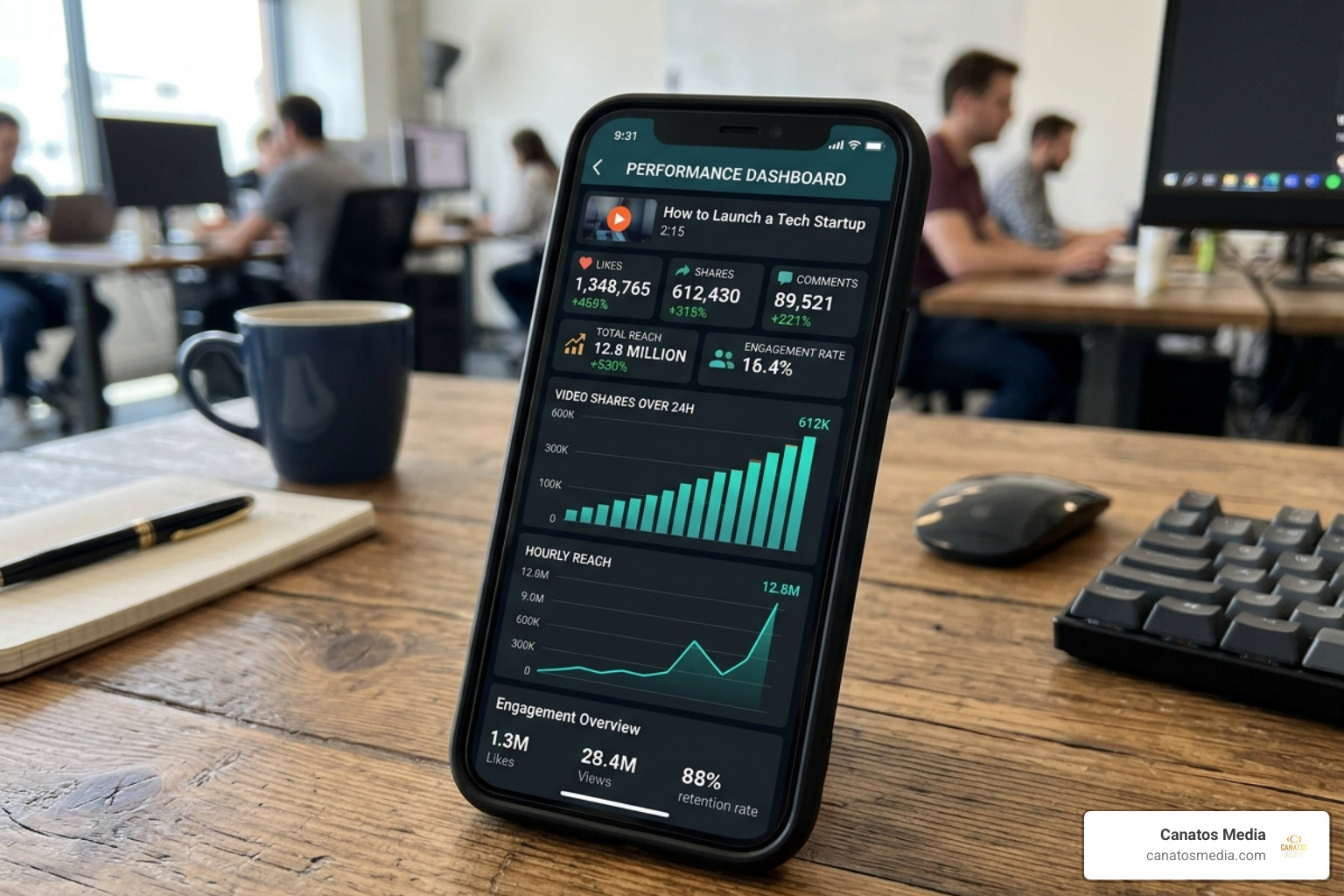
    Conclusion

    Navigating meta pay ads doesn’t have to be a headache. Whether you’re decoding a confusing bank statement or trying to avoid that pesky 30% Apple fee, the key is staying informed and staying in control.
    At Canatos Media, we believe that your ad spend should be an investment, not an expense. We specialize in an integrated strategy that connects cinematic short-form content with high-precision targeting and robust conversion tracking. From the tri-state area to Long Island, we help businesses turn “scrolling” into “sales.”

    Ready to stop worrying about billing thresholds and start focusing on growth? Start your professional ad management journey with us today. We’ll handle the “tolls” so you can enjoy the ride.