Video Marketing Strategy 2026: Why Video Is Now the Default — Not the Differentiator
A strong video marketing strategy in 2026 starts with one uncomfortable truth: 91% of businesses now use video as a marketing tool. Video is no longer a way to stand out. It is the baseline.
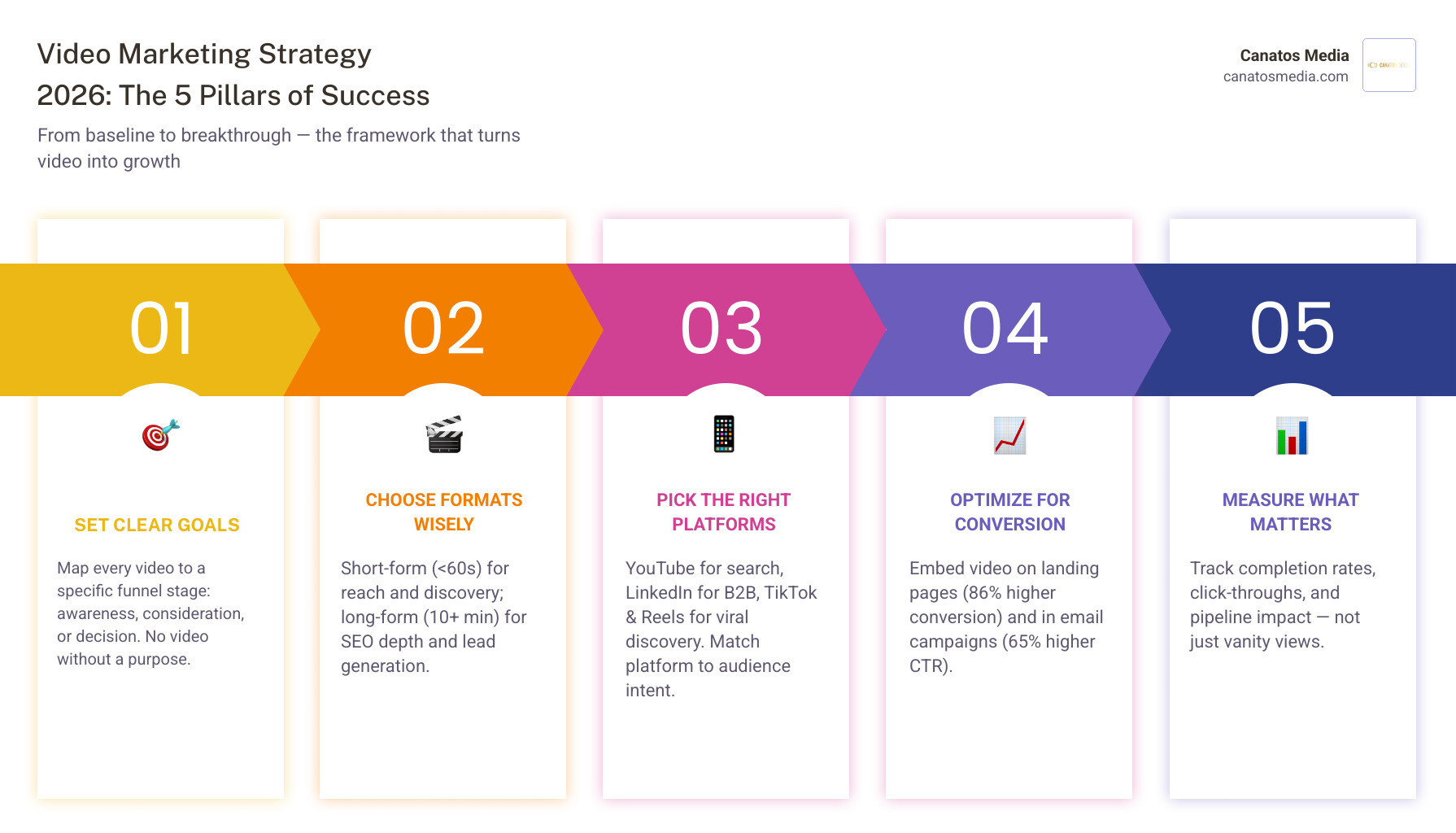
Here is what an effective 2026 video marketing strategy looks like at a glance:
- Set clear goals — map every video to a specific funnel stage (awareness, consideration, or decision)
- Choose your formats — short-form (under 60 seconds) for reach; long-form (10+ minutes) for SEO and leads
- Pick the right platforms — YouTube for search, LinkedIn for B2B, TikTok and Instagram Reels for discovery
- Optimize for conversion — embed video on landing pages (up to 86% higher conversion rates) and in email campaigns (65% higher click-through rates)
- Use AI wisely — reduce production costs without losing the human touch that drives emotional engagement
- Measure what matters — track completion rates, click-throughs, and pipeline impact — not just views
The question is no longer whether to use video. It is how to use it more effectively than the 90% of competitors who are already doing the same thing.
With over two decades of experience in media production and content strategy — including building social content that has earned over 60 million views — I’m Nic Canobbio, founder of Canatos Media, and I have spent years developing and refining video marketing strategy across industries where 2026’s AI-driven landscape is reshaping what works. In this guide, I’ll walk you through exactly how to build a strategy that turns video into measurable growth.
Video marketing strategy 2026 terms made easy:
The Economics of Video: AI Cost Compression and the Volume Paradox
If you produced professional video content two years ago, you likely remember the eye-watering invoices. But as we navigate July 2026, the financial landscape of video production has shifted dramatically. Generative AI tools have officially rewritten the rulebook on production economics.
According to the Wistia 2026 State of Video Report, AI has cut average video production costs by 40%, reducing the median cost per finished minute of video from $4,200 down to a much more accessible $2,500. This massive drop is driven by the rapid adoption of AI video generation and editing tools. In fact, 34% of marketing teams are actively using AI video tools in 2026—an 89% year-over-year increase from just 18% in 2025.
But this cost compression has introduced a fascinating economic anomaly: the volume paradox.
Because making video is now 40% cheaper, you might assume marketing budgets are shrinking. Instead, the opposite is happening. Budget savings are being reinvested to produce three to four times the volume of content. This has flooded the digital landscape with average, AI-generated videos.
To win the screen in the Tri-State area or on Long Island, your brand cannot rely solely on automated tools. Why? Because while AI-generated video achieves roughly 87% of the engagement of human-created video for basic social clips, that number drops to 61% for brand storytelling content that requires genuine emotional nuance.
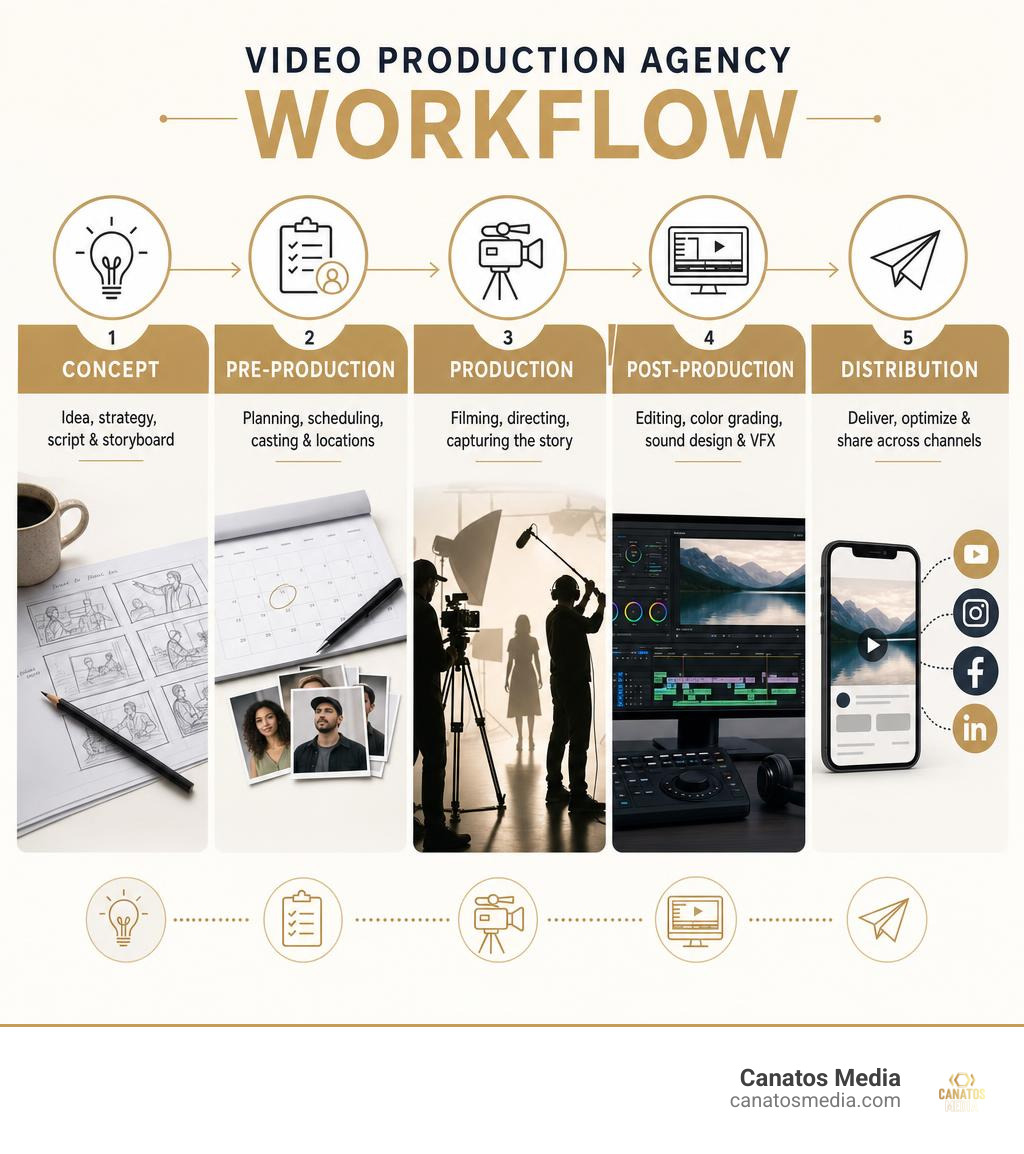
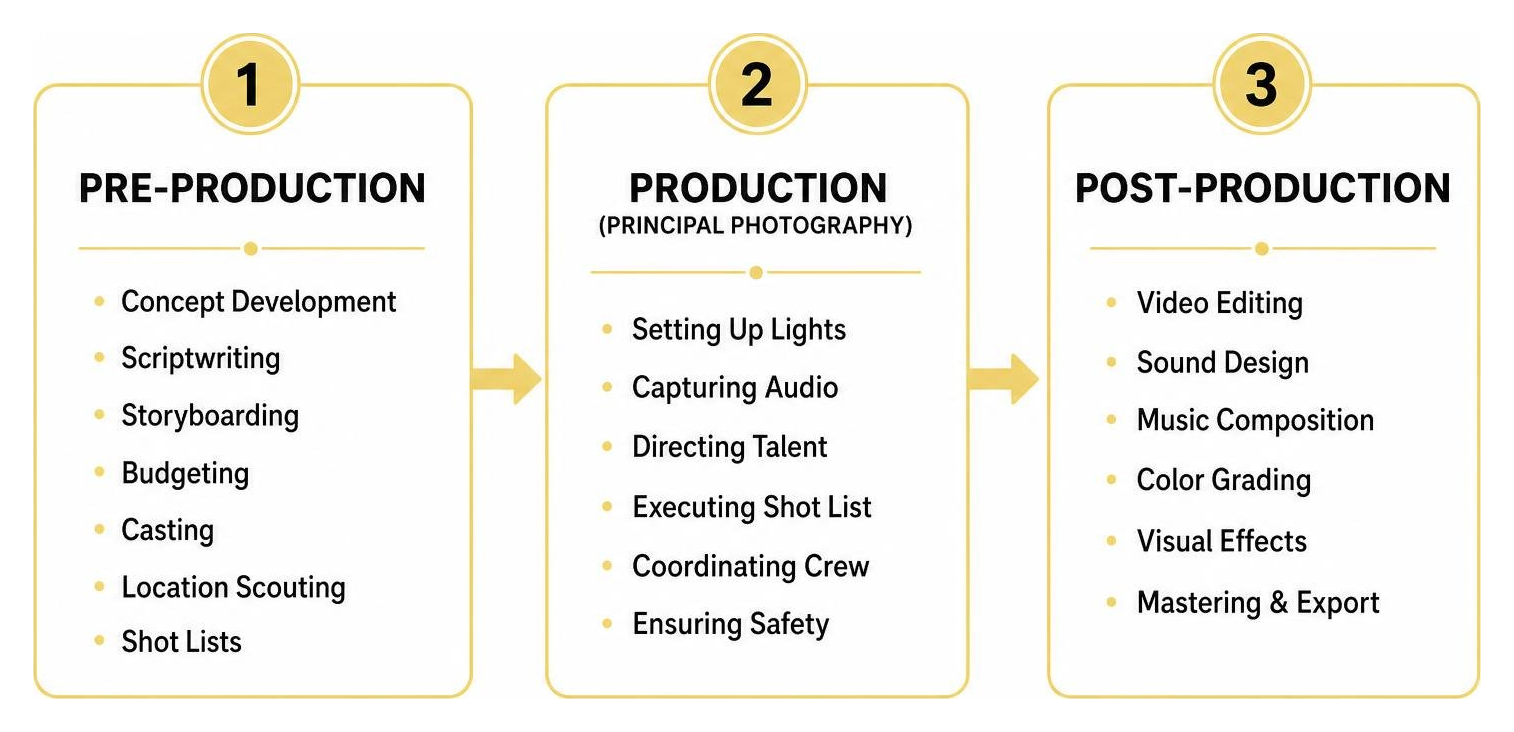
AI is fantastic for pre-production (ideation, scripting, and mapping) and post-production (adding captions, color correction, and audio cleanup). However, human oversight remains non-negotiable. To stand out in a crowded market, you must combine AI efficiency with human storytelling. For a deeper look at how we balance these elements, check out The Complete Guide to Video Marketing.
Designing a High-Converting Video Marketing Strategy 2026
A successful video marketing strategy in 2026 treats video not as a creative art project, but as a conversion-focused decision-making engine. Too many brands make the mistake of creating video in a vacuum, posting it to social media, and hoping it magically generates revenue.
To drive actual business growth, your strategy must map directly to the customer journey.
The Golden Rule: Separate Hosting from Distribution
One of the most critical structural shifts in 2026 is separating your video hosting from your video distribution:
- Distribution channels (YouTube, TikTok, Instagram, LinkedIn) are designed for top-of-funnel discovery. Their algorithms want to keep users on their platforms.
- Hosting platforms (branded, ad-free players embedded on your website) are designed for conversions.
If you embed a public YouTube link on your high-intent landing page, you are essentially giving viewers an off-ramp to go watch cat videos or, worse, a competitor’s ad. Keep social video on social media to build awareness, but host your business-critical videos (like product demos and customer testimonials) on your own website.
Designing for the 2026 Viewer
To ensure your videos actually get watched, you must design them for modern consumption habits:
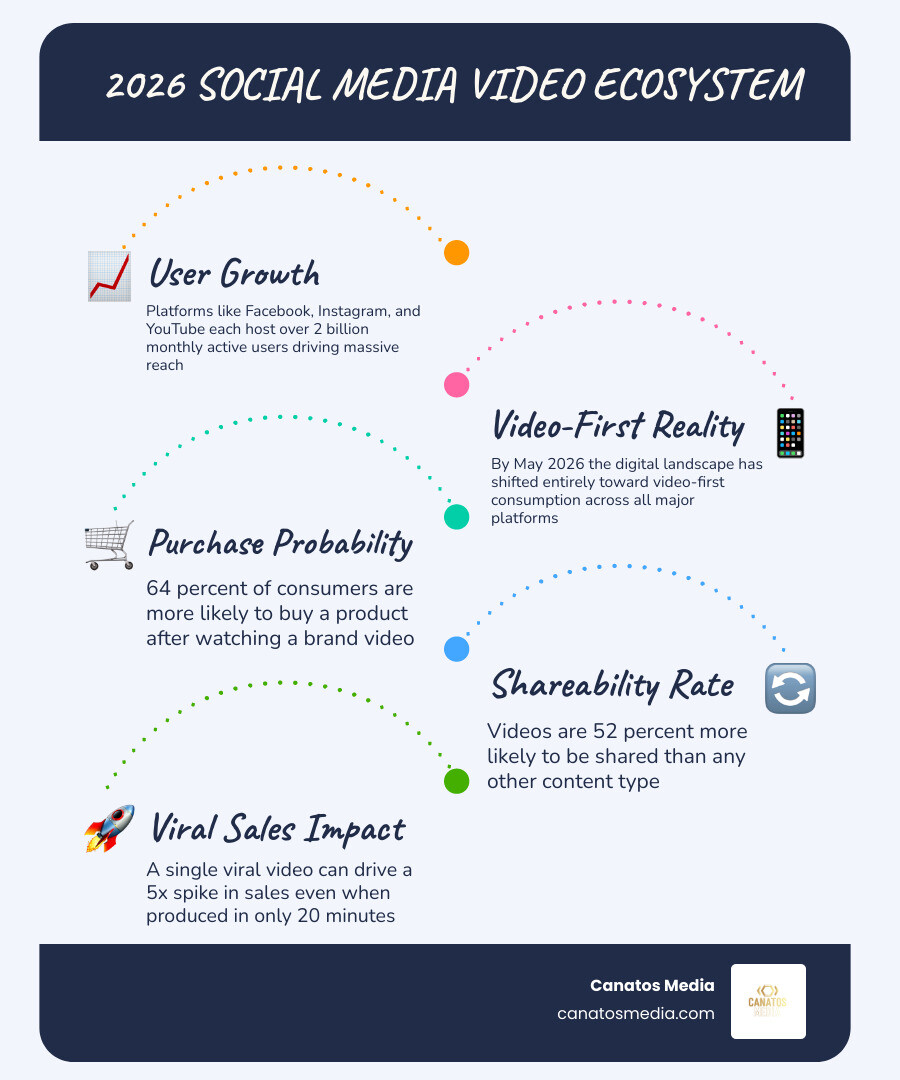
- Mobile-First is Mandatory: Over 78% of video content is consumed vertically on mobile devices. Shoot vertically by default rather than cropping horizontal footage as an afterthought.
- The Silent Majority: Half of all video viewers watch without sound. If your video’s visual elements do not communicate the message when muted, your video is not ready to publish.
- Captions and Accessibility: Always use highly readable, on-screen captions. AI tools make this incredibly easy, and it is vital for both user engagement and search engine indexing.
For local service providers looking to scale, you can find a tailored blueprint in The Ultimate Guide to Video Marketing for Service Businesses in 2026.
Mapping Content to the Funnel in Your Video Marketing Strategy 2026
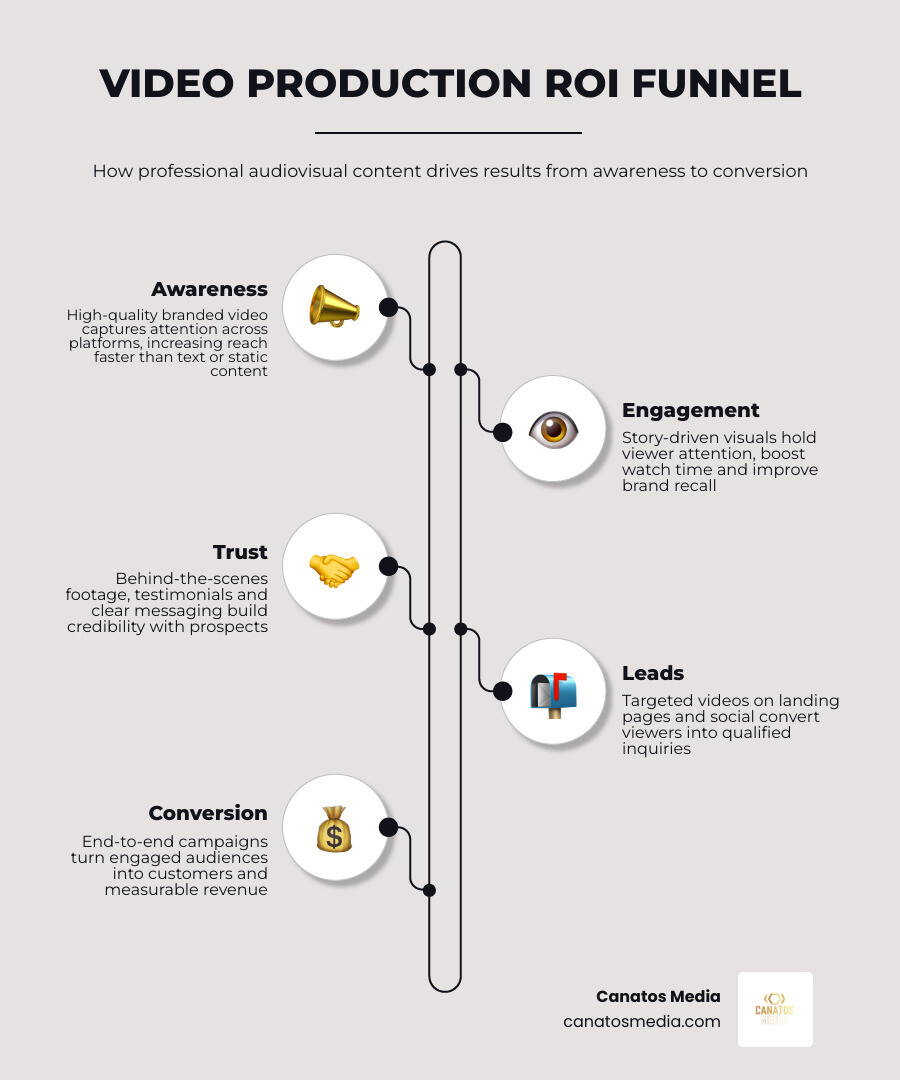
To guide a prospect from a casual scroller to a paying customer, your video content must align with their specific stage in the buying journey.
- Top of Funnel (Awareness): At this stage, your audience doesn’t care about your product’s specific features—they care about their own problems. Use short-form vertical videos (under 60 seconds) to address common pain points, share quick industry insights, or introduce your brand’s personality. Keep these light, engaging, and highly visual.
- Middle of Funnel (Consideration): Once prospects know who you are, they need to understand how you solve their problems. This is where longer educational videos, product demos, and webinars shine. A B2B company might host an on-demand webinar addressing industry shifts, while a local home services business on Long Island might showcase a step-by-step video of their process.
- Bottom of Funnel (Decision): This is where most brands drop the ball. The prospect is on your pricing or contact page, ready to buy, but they have lingering hesitations. Use short, high-impact objection-handling videos. Address their concerns head-on—whether it is about contract lengths, implementation time, or pricing. Showing a real human explaining these details builds massive trust right at the finish line.
Platform-Specific Execution for Your Video Marketing Strategy 2026
Every platform has its own unique “language” and user expectations. Reposting the exact same video file across every channel without adjusting the formatting or tone is a recipe for low engagement.
- YouTube (The Search Giant): YouTube remains the most widely used video platform, leveraged by 82% of marketers. It functions as the world’s second-largest search engine. Focus your YouTube strategy on search intent. Create high-quality, long-form educational content (10 to 15 minutes) with descriptive, keyword-rich titles and custom thumbnails.
- TikTok & Instagram Reels (The Discovery Engines): These platforms are highly algorithmic and mobile-first. To succeed here, you must hook the viewer in the first 3 seconds. Use high-energy visuals, lead with tension or a major payoff, and keep the total runtime under 30 seconds.
- LinkedIn Video (The B2B Powerhouse): LinkedIn has quietly become an absolute goldmine for B2B video marketing, with video posts earning 3x the engagement of text-only posts. B2B decision-makers in the Tri-State area respond incredibly well to raw, founder-led insights, quick industry opinion clips, and video case studies. Keep these professional, clear, and focused on business value.
To dive deeper into the latest social media trends driving early-stage growth, read Short-Form Video Marketing Trends | July, 2026.
Short-Form vs. Long-Form Video: Balancing Reach and Deep Conversions
One of the most common questions we hear is: “Should we focus on short-form or long-form video?” The answer is both, but for completely different reasons. They serve entirely different functions in your marketing funnel.
Short-form video (under 60 seconds) is the undisputed king of reach and engagement, generating 2.5x more engagement per impression than any other content type. It is ranked as the highest ROI-driving content format by 49% of marketers. However, while short-form is incredible for getting your foot in the door, it rarely closes complex sales on its own.
Long-form video (such as 30-to-60-minute webinars or in-depth product walkthroughs) is where actual business conversions happen. While fewer people will watch a 45-minute video, those who do represent highly qualified, high-intent leads.
The “Content Atoms” Workflow
To balance both formats without burning out your creative team, adopt a batch-and-slice workflow:
- Record one high-quality, 20-minute long-form video (like a podcast episode, a webinar, or a detailed product walkthrough).
- Host that long-form video on your website or YouTube channel to capture high-intent search traffic and deep-funnel leads.
- Slice that single long-form recording into 10 to 15 “content atoms”—short, punchy vertical clips (15 to 45 seconds) highlighting a single insight, stat, or objection.
- Distribute those short clips across TikTok, Instagram Reels, and LinkedIn to drive top-of-funnel awareness back to your website.
| Metric | Short-Form Video (<60s) | Long-Form Video (10-60 mins) |
|---|---|---|
| Primary Goal | Awareness & Discovery | Conversion & Education |
| Engagement Rate | Exceptionally High (2.5x average) | Moderate (High Dwell Time) |
| B2B Lead Gen Rate | Low | High (41% higher lead quality) |
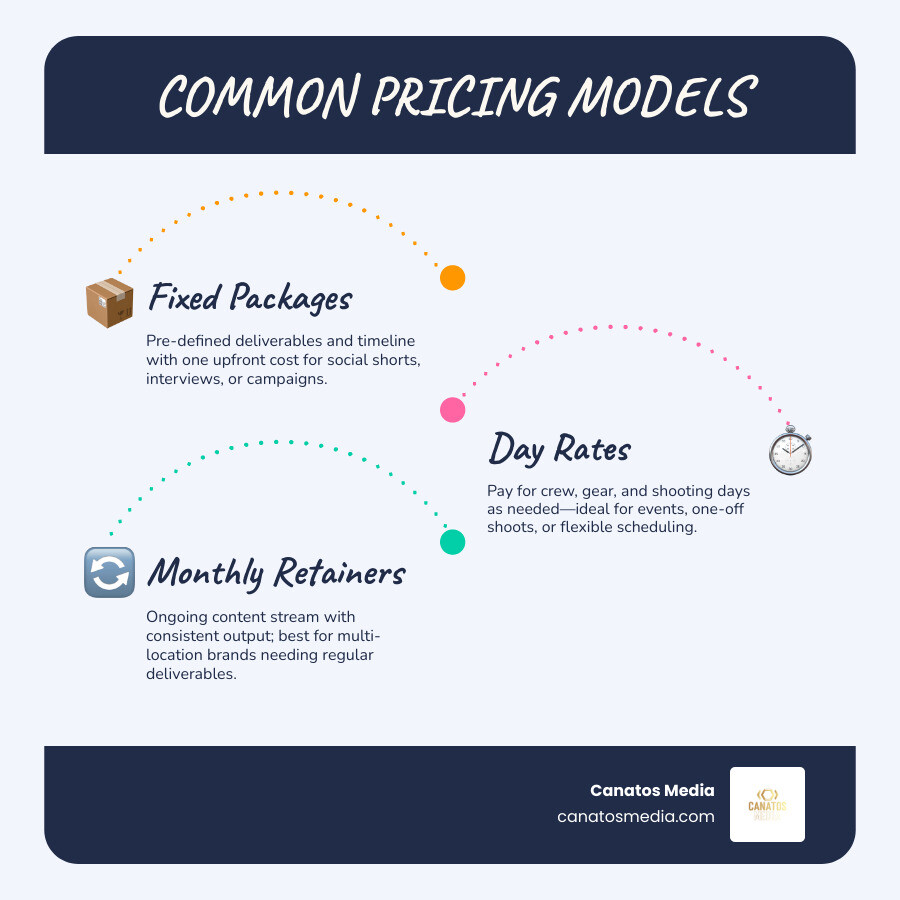
| Production Cost | Low to Moderate | Moderate to High |
| Best Channels | TikTok, Reels, YouTube Shorts, LinkedIn | Website, YouTube, Email, Webinar Hubs |
To learn how to track these metrics and prove the real-world value of your campaigns, explore How to Measure Short-Form Video ROI and Prove Content Value.
Maximizing ROI: Video SEO, Landing Pages, and Email Integration
Once you have produced your video assets, the next step is maximizing their reach and conversion power across your entire digital marketing ecosystem.
Video SEO: Ranking on the First Page of Google
Search engines love video. In 2026, websites featuring embedded video are 53 times more likely to appear on the first page of Google search results. To unlock this search visibility:
- Embed Above the Fold: Place your video near the top of your web pages to capture attention immediately.
- Add Video Schema Markup: Use technical schema code to tell search engine crawlers exactly what your video is about, including its title, description, and thumbnail URL.
- Include Transcripts: Paste a full text transcript below your video. This makes your page highly accessible and gives search engines rich text to index for long-tail keywords.
Landing Page Conversions: The 86% Lift
If you want to instantly boost your website’s performance, add a video. Landing pages with embedded video convert at 86% higher rates than text-only pages. Keep these landing page videos short (60 to 90 seconds), focus on the core benefit of your offering, and end with a single, crystal-clear Call to Action (CTA).
Email Marketing: Cutting Through the Noise
Email inbox competition is fierce. Simply adding the word “[VIDEO]” to your email subject line increases open rates by 19%. Furthermore, including a video link or a play-button GIF that links to a video on your website increases email click-through rates by a massive 65%. It is one of the easiest ways to re-engage cold leads and speed up your sales cycle.
For a deeper dive into optimizing your content for modern search habits, check out How Video Content Drives Success in AI Search Results and AEO Optimization.
Frequently Asked Questions about Video Marketing in 2026
How do we balance authenticity with production value in 2026?
In 2026, raw authenticity consistently outperforms high production polish. Audiences have developed a strong filter for overly produced, corporate-style videos that feel like traditional commercials.
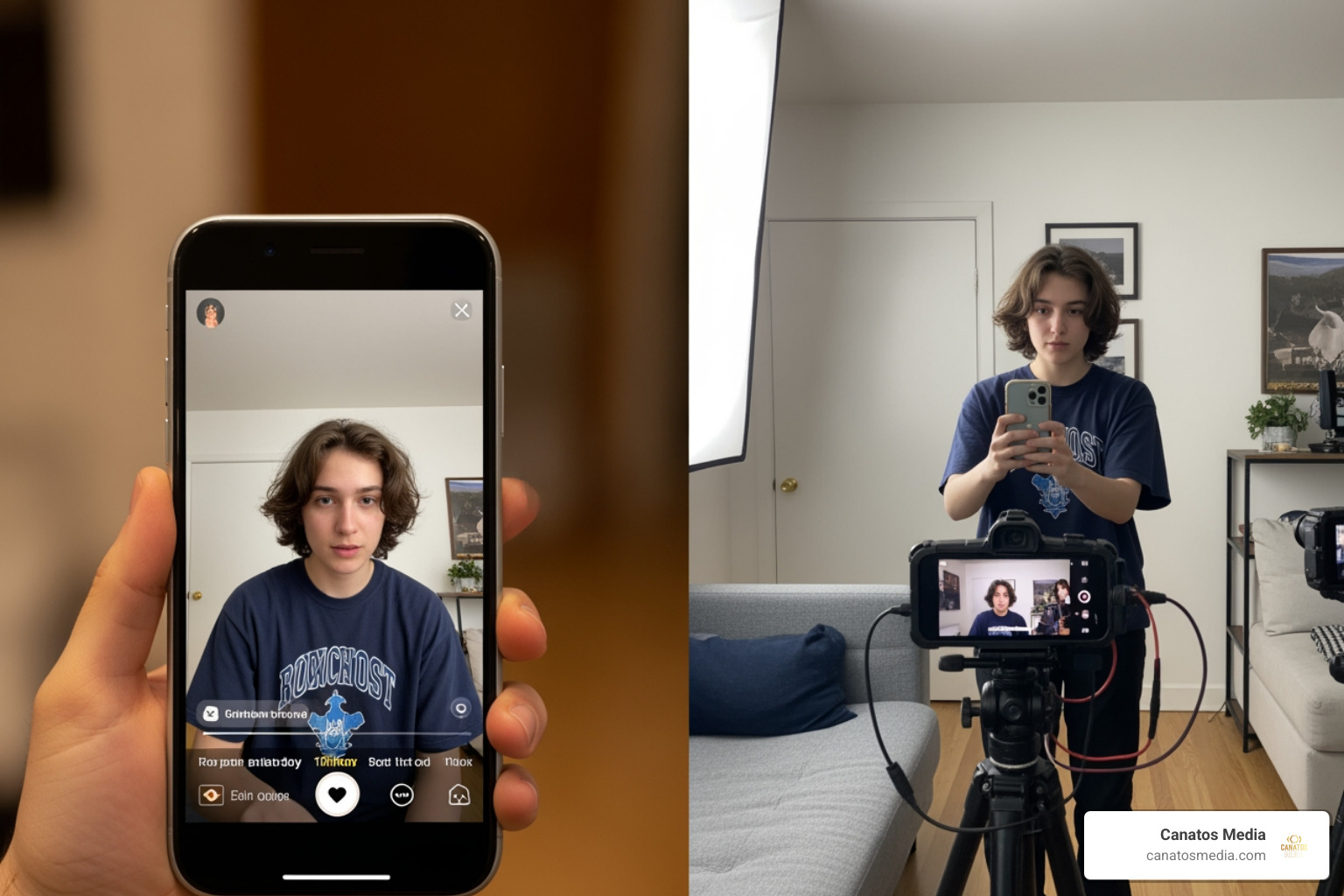
A simple, smartphone-recorded video of a founder sharing a genuine insight or a team showing behind-the-scenes footage often generates far higher engagement and trust than a $10,000 studio production. Focus on pristine audio quality and clear lighting, but let the content itself remain raw, honest, and human.
Which video platforms deliver the best ROI for B2B brands?
For B2B brands, LinkedIn and YouTube are the clear winners. LinkedIn is unmatched for professional networking, thought leadership, and reaching key decision-makers directly in their feeds. YouTube is essential for long-term search discoverability and building an educational content library that continues to generate organic leads for years.
For a comprehensive strategic breakdown of corporate video distribution, see the Medium Video Marketing Guide 2026.
What is the best workflow for scaling video production across multiple locations?
Scaling video production across multiple locations—especially for franchises or regional service brands in the Tri-State area—requires a highly structured system.
The most effective approach is to establish centralized brand templates, clear style guides, and pre-approved scripts. This allows local teams to record raw footage on their smartphones, which is then sent to a centralized creative team (or an agency partner) for professional editing, captioning, and optimization. To build this system for your business, read Top 7 Best Practices for Scalable Short-Form Video Production Across Locations.
Conclusion
Building a winning video marketing strategy in 2026 is no longer about having the biggest budget or the fanciest camera gear. It is about speed, consistency, and structural alignment. By using AI to streamline your editing workflows, mapping your video formats to the correct stages of the buyer’s journey, and optimizing your assets for search engines and landing pages, you can drive faster revenue growth and outpace your competition.
At Canatos Media, we specialize in helping growth-focused businesses in the Tri-State area and Long Island turn visual content into measurable pipeline growth. We create cinematic short-form videos, manage high-performing social channels, run targeted paid ad campaigns (Meta and Google), and handle technical SEO and website support. Our integrated strategy connects your content directly to targeting and conversions to ensure every view drives real business value.
Ready to dominate the screen and scale your brand? Let’s build a video strategy that actually moves the needle. Explore our End-to-End Video Marketing: How We Drive Real Results for Growing Businesses services today.